One of the quieter challenges in deer management is not simply what happens on the ground this season, but who will be doing the work in ten or twenty years’ time. Deer will still be here. Woodlands will still need protecting. Public access will continue to rise. Policy and grants will keep shifting. What is far less certain is whether we will have enough people with the judgement, discipline and resilience to do the work properly, particularly on sensitive sites where standards are not optional.
That is why we take placements seriously at Wildscape Deer Management.
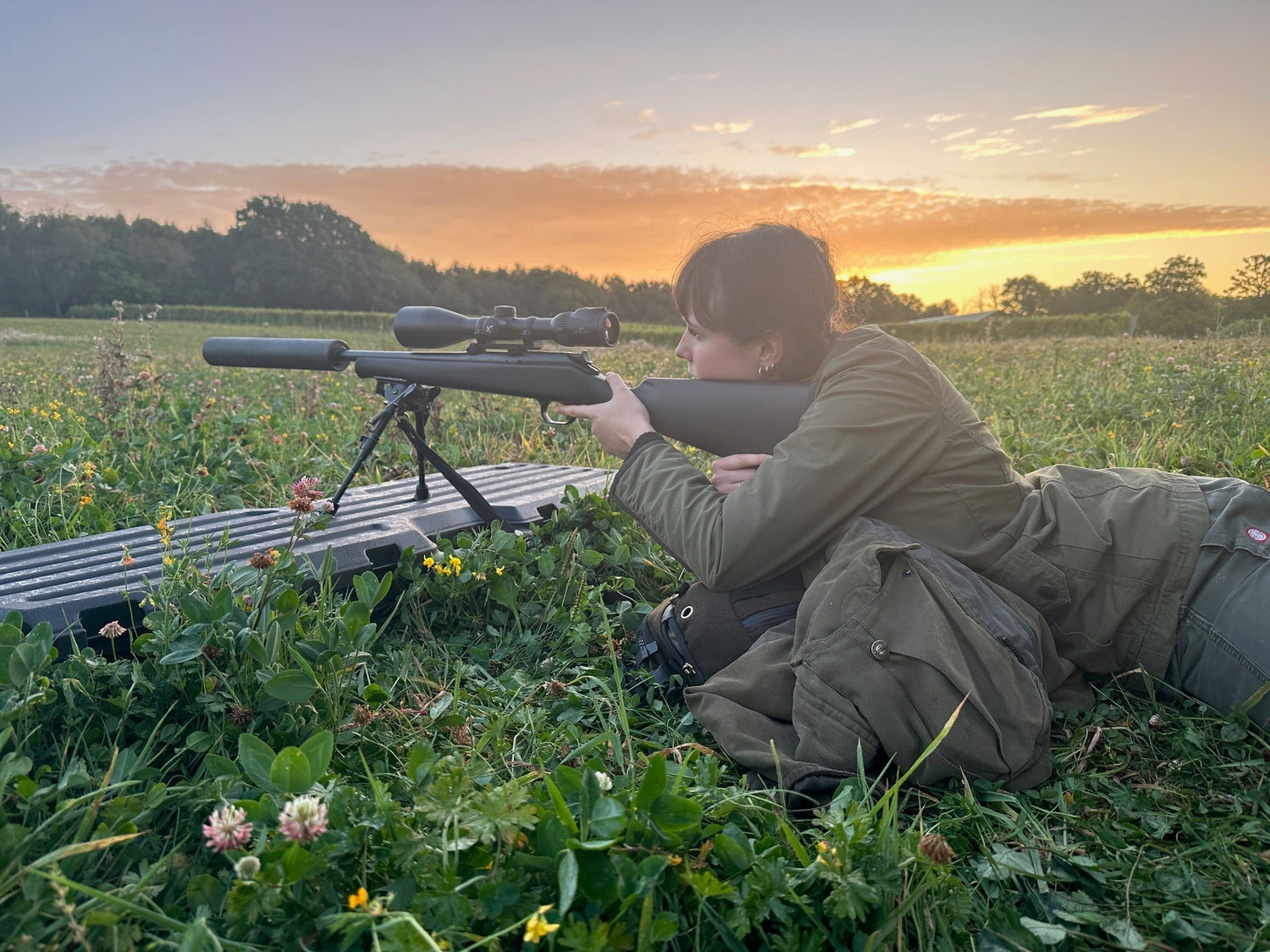
Milly has joined us on a college work placement as part of her Level 2 Animal Care course. Work experience is mandatory for her studies, but our decision to support it is not a box-ticking exercise. It is a deliberate choice to bring a young, motivated student into the real world of land-based work at a time when many people talk about the sector as if it is either being replaced by technology or undermined by funding uncertainty.
Both pressures are real, but neither removes the need for competent people. If anything, they increase it. Technology can support decision-making, but it does not replace judgement. Funding can influence priorities, but it does not remove responsibility. The work still needs doing, and it needs doing well.
What a placement should actually be
A good placement is not about watching from a distance. It is about exposure, within safe limits, to the standards and realities that define the job.
One of the most useful things Milly has said since joining us is that she chose Wildscape because it felt “filled with a range of different experiences and knowledge”, and because she was “always learning something new”. That matters, because deer management is not one skill. It is a blend of fieldcraft, safety, ecology, communication, hygiene, and calm decision-making under constraint.
If you want young people to enter the sector with good habits, you do not start them at the glamorous end. You start them with how the work is actually done.

Health and safety is not a subject, it is the foundation
Milly has been clear that one of the first things she noticed is how constant health and safety is in the field. That is exactly the point. On public-facing woodland contracts, safety is not a paragraph in a risk assessment. It is a posture.
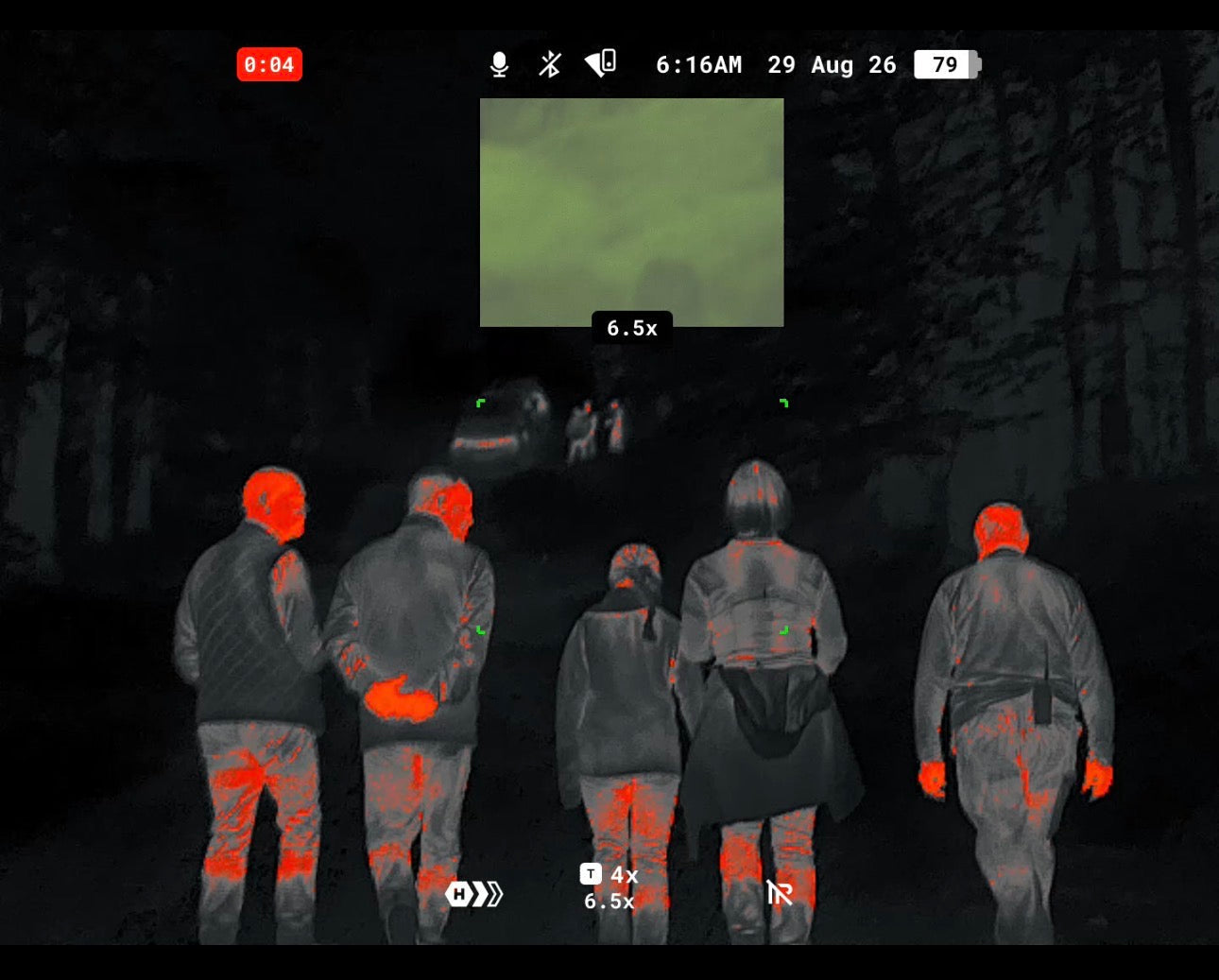
She has been learning the basics that underpin everything else, including the reality that when you are carrying a firearm around public access you must be disciplined in your handling, your muzzle awareness, and your behaviour. She has also seen why we use high visibility at the right times, not to draw attention, but to prevent misunderstandings. In her words, it helps ensure you are known to anyone nearby and reduces the risk of being mistaken for an animal or a member of the public moving unexpectedly through cover.
That observation matters because it highlights something people outside the sector rarely understand. Much of our work is not only about the deer. It is also about managing risk in landscapes that other people use, often without any awareness of what responsible deer management actually looks like.
Young people entering the field need to learn that early, because the future of the sector depends as much on trust as it does on competence.
Biodiversity is not a slogan, it is what the work is for
Milly is studying animal care, and like many students she arrived with an interest in wildlife. What placements like this can do, when done properly, is move that interest from a general love of animals into a more complete understanding of habitats.
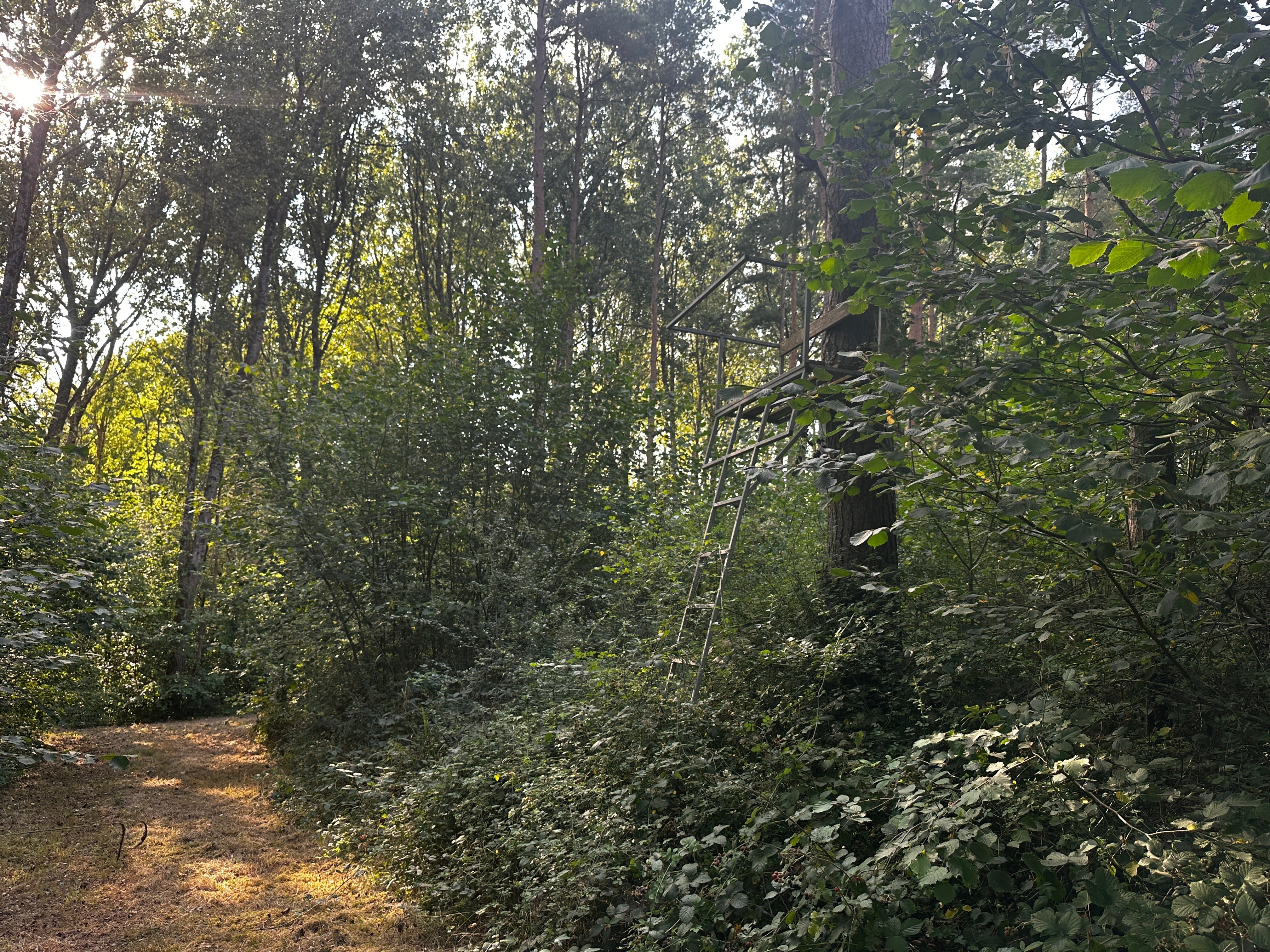
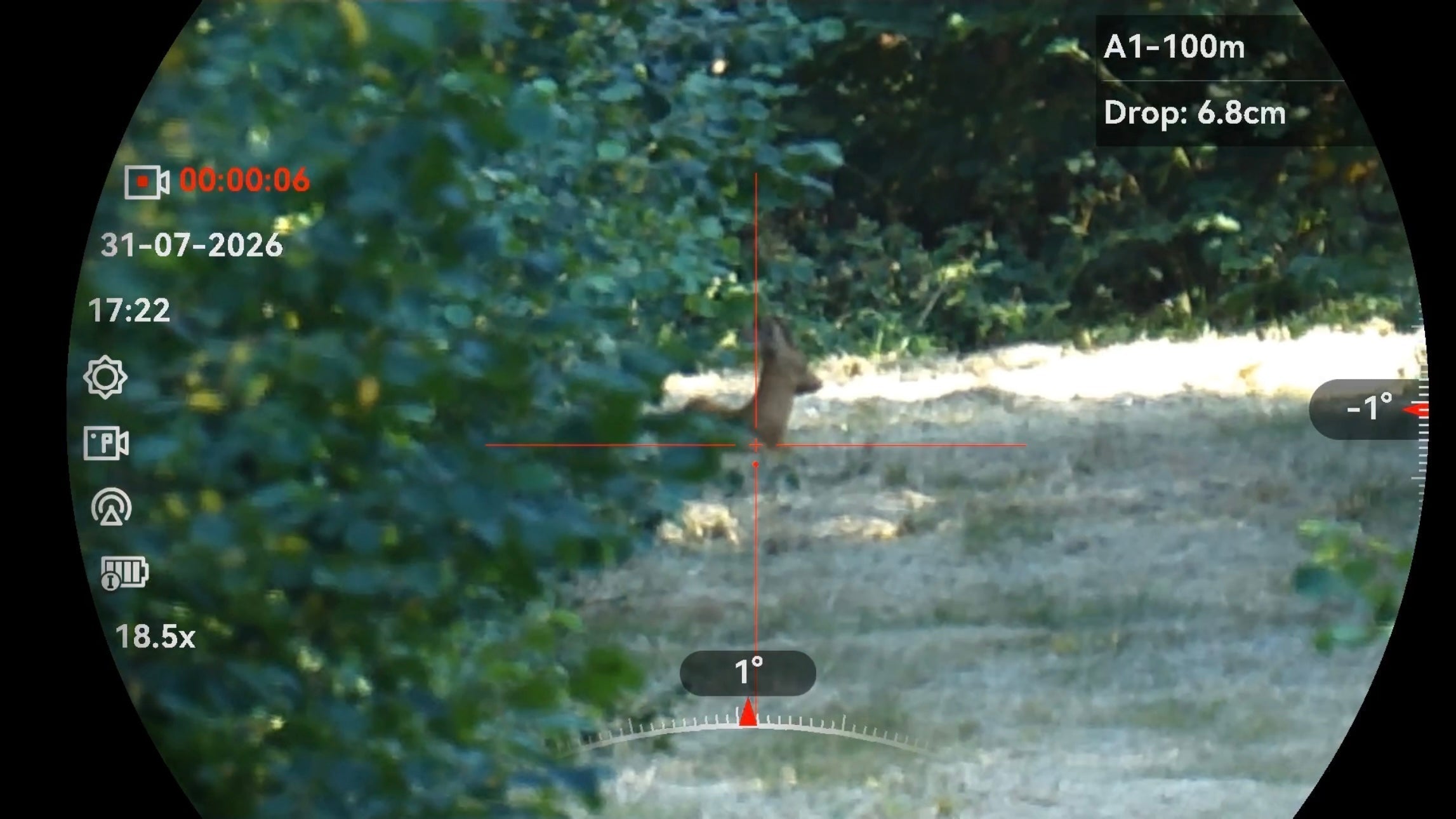
She has been learning that woodland deer management sits inside biodiversity rather than alongside it. In her words, there are “many different species in the woodland and environments that we work in”, and it is important to respect all wildlife while doing what we have to do. She has been learning to recognise different deer species, including roe and muntjac, and to connect those observations to the woodland itself, the structure, the browse line, the regeneration, the signs that tell you whether a system is functioning or quietly failing.
That is where young people can bring real value. They often arrive curious. They ask simple questions that force clarity. What are we seeing here. Why is that area browsed harder than the next. Why does one compartment hold deer differently. Why are we leaving one group alone and targeting another. That curiosity, if guided well, becomes competence.
It also helps the sector avoid the trap of becoming purely numbers-driven. If we want healthier woodlands, we need a new generation who understand that the point is habitat response, not simply activity.
Disease and hygiene: the unseen standard that separates professionals from amateurs
Another area Milly has highlighted is disease prevention and hygiene. This is not an exciting topic, but it is one of the most important. In the field, the difference between a professional mindset and a casual one often shows up in the habits nobody photographs.
She has been learning why correct clothing and protective equipment matters, including gloves and boots, and why handwashing before and after handling deer is part of the work. That matters for protecting the individual, for reducing the risk of spreading disease, and for maintaining carcass handling standards.
If deer management is going to be taken seriously by regulators, landowners, and the wider public, these standards have to become normal, not exceptional. Introducing students early to proper hygiene and disease awareness does more for the long-term professionalism of the sector than most people realise.
Communication and teamwork: the skill that keeps everything stable
Milly has also said the placement has been “a good skill builder for communication and teamwork”. That is another quiet truth. Deer management is often solitary, but it is rarely isolated. You are operating within estates, alongside foresters, around tenants, and increasingly in landscapes shaped by public perception.
Young people need to learn how to communicate calmly, ask sensible questions, take instruction, and debrief properly. They need to see that professionalism is not just competence with a rifle. It is how you behave when you are tired, when the weather is unpleasant, when you have achieved nothing that evening, and when you still need to keep standards intact.
A placement that teaches teamwork is not simply supporting one student. It is investing in a future workforce that can operate safely and responsibly in a sector where reputation is fragile.

Why bringing young people in matters now
There is a wider point here, particularly for the South East.
The landscapes we work in are under pressure. Deer numbers and impacts are often high. Woodland creation and restocking carry major investment and expectation. Public access is widespread. And the pathway into land-based professions can look uncertain from the outside, with funding instability and constant debate about what should be permitted and what should be restricted.
That uncertainty can discourage exactly the people we need: motivated, conscientious students who are willing to learn.
If we want the sector to remain credible, we have to build a culture that welcomes these students properly. Not by giving them a token role, but by showing them the reality and holding them to appropriate standards.
The result is not just that a student completes their hours. The result is continuity. Knowledge that would otherwise remain locked in older generations becomes visible and transferable. Good habits are formed early. And the sector gains people who understand that the work is about responsibility, not ego.
What we take from the placement as well
Placements are not a one-way street. Having a student alongside you forces you to articulate what you are doing and why. That sharpens standards. It exposes gaps. It makes you more deliberate.
It also reminds you of something easy to lose in a busy season. When someone sees their first proper dawn in the woods, or their first quiet observation of deer movement without any drama, you remember why the work matters. Not because it is exciting, but because it is meaningful.
A practical invitation to landowners and estates
If you manage woodland in the South East and you care about long-term resilience, consider how you can support placements and early experience. It does not have to mean taking someone into the field immediately. It can start with structured observation, administration, habitat walks, learning to read impact, and learning how safety works in public-facing landscapes.
Done properly, it benefits everyone: the student, the host, and the woodland that will still need protecting long after this season has passed.
Milly’s placement has been a strong reminder of that. In her own words, it has been “fun”, she has learnt a great deal, and she has gained knowledge of the trees and nature around her while building communication and teamwork skills. That is exactly what we want from a placement.
Because the future of deer management will not be secured by kit or policy alone. It will be secured by people who are trained, mentored, and brought into the reality early enough to carry the responsibility properly.