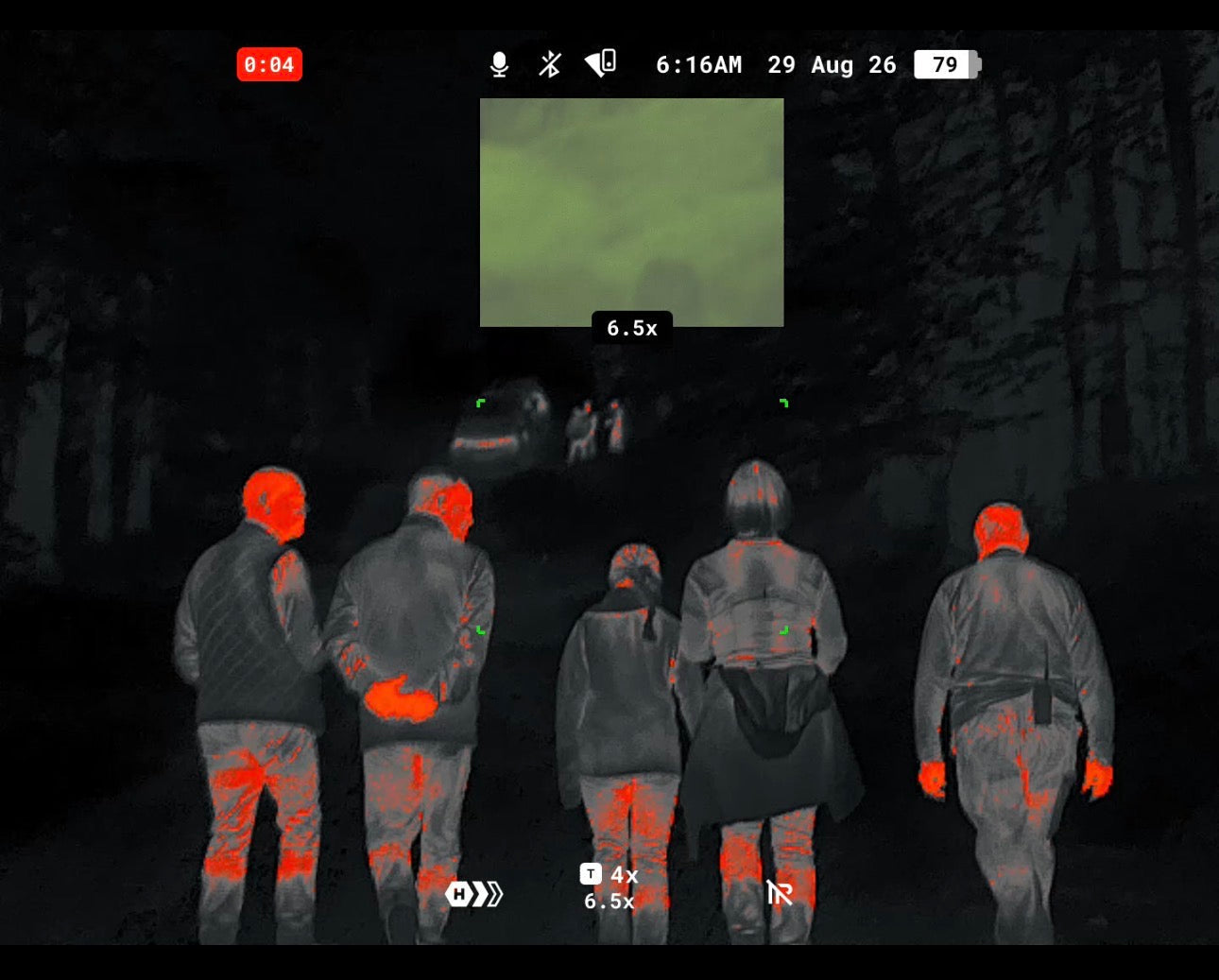
You would be amazed how many people are adamant there “isn’t a deer issue”.
It is rarely said with arrogance. More often it is said with genuine confidence. The woodland looks green. The hedgerows are full. A deer is spotted once or twice a year and it feels like a novelty rather than a pressure. On a smaller holding, where you are not walking the ground daily, it is easy to assume that if you are not seeing deer, they are not really there.
That assumption often changes within minutes, not because anyone is trying to “win” an argument, but because the ground tells the truth. Suppressed regeneration, browse lines, fraying, bark stripping, repeated pressure in the same compartments year after year. These are not opinions. They are signals.
One of the things we have focused on over the last year is education, not only with our clients but with the people we meet along the way.
When you take five minutes to explain what you are looking at, the conversation becomes far more practical and far less emotional. People stop debating whether deer should exist and start asking the useful question: what is the impact, and what does this wood need.
The objective is management, not eradication. It is about balancing herd size to the landscape so woodland, hedgerows and sensitive habitats can recover, while maintaining a healthy, sustainable population. Done properly, it is measured, evidence-led and proportionate.

Evidence of removing the buds and leader, from regeneration.
Why deer problems hide so well on small parcels
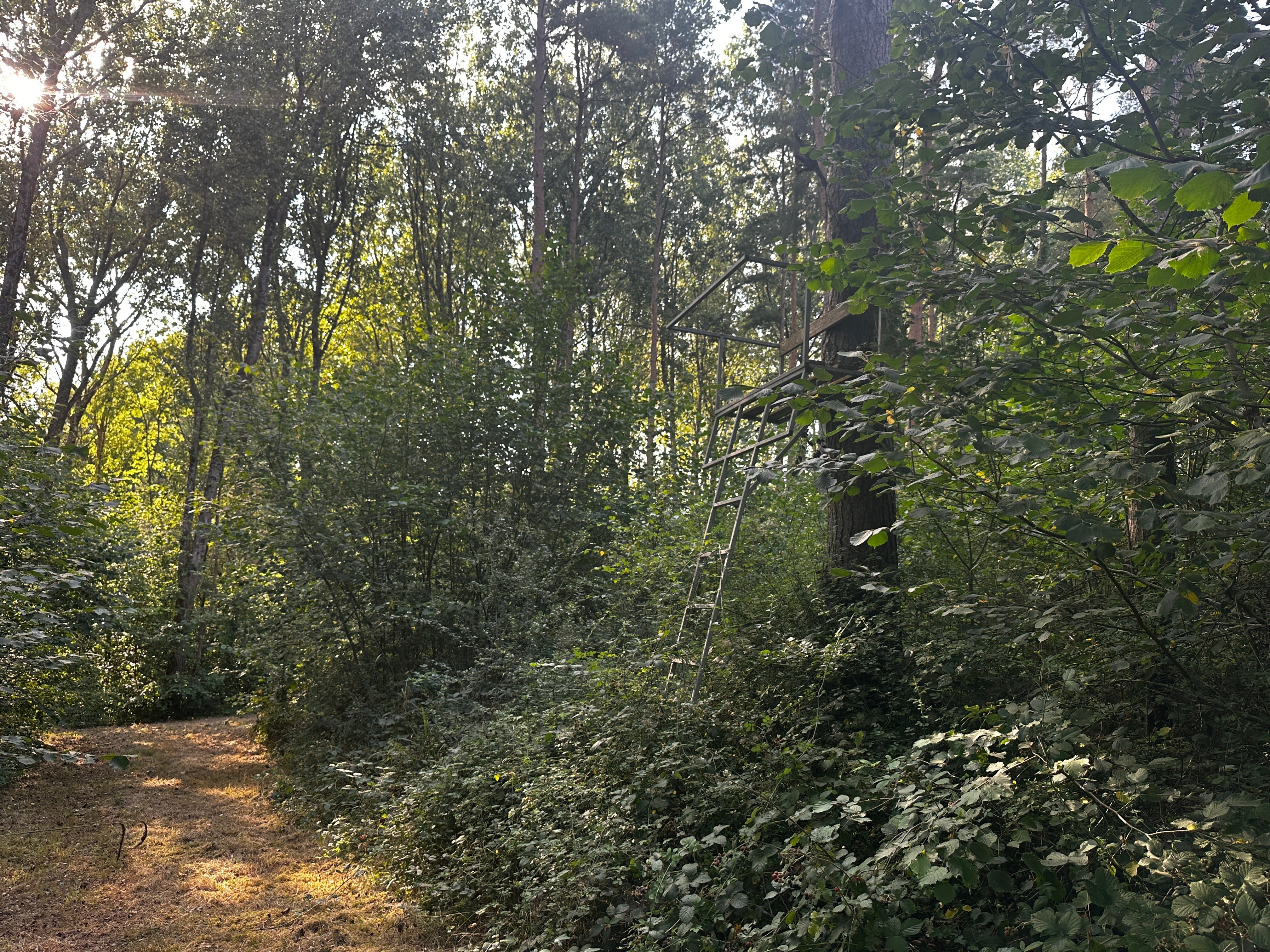
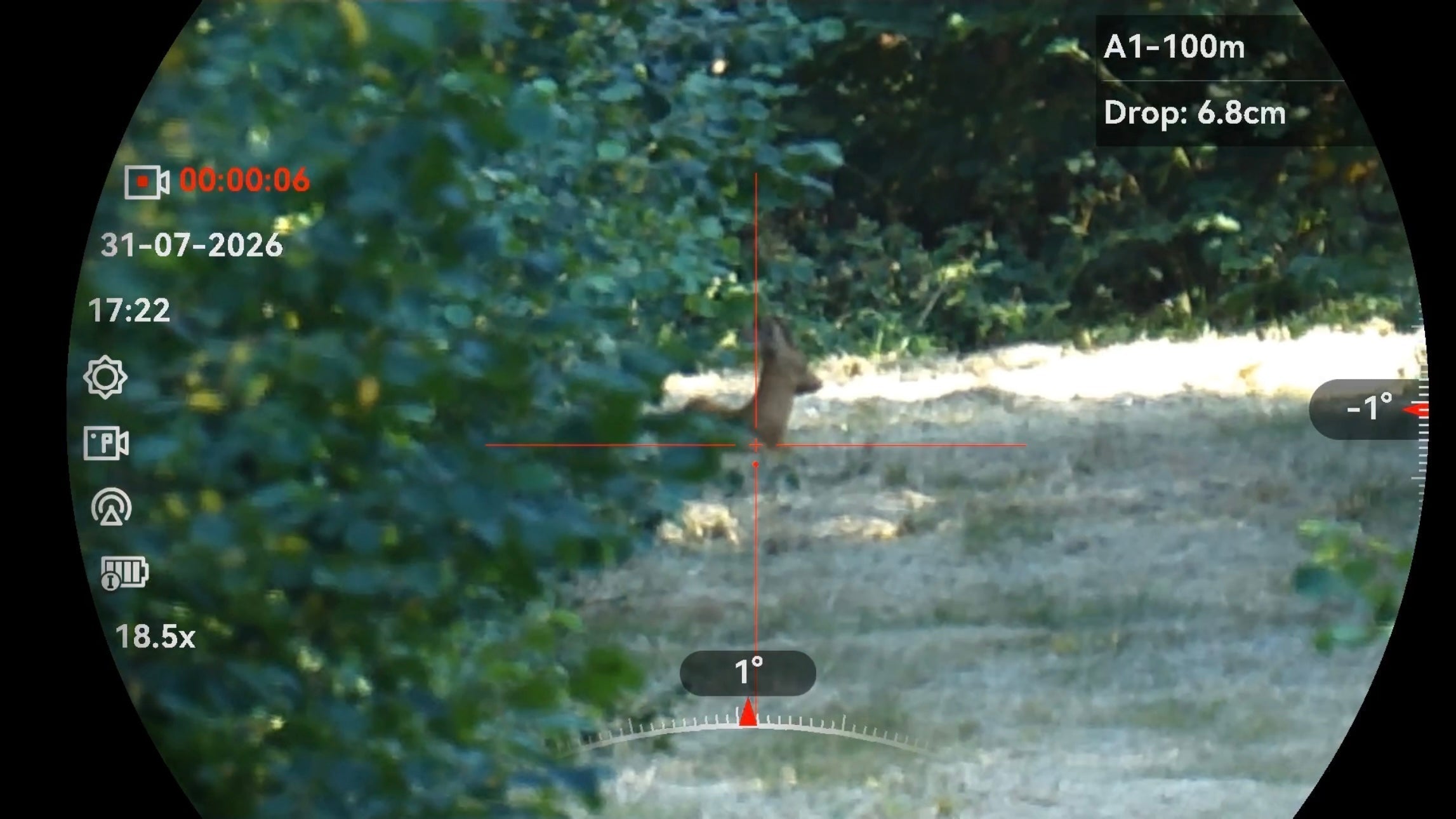
On a larger estate, deer presence tends to declare itself. You see groups moving. You see browse pressure over whole coupes. You see planting failures that are hard to ignore. On smaller land areas, deer can behave like ghosts. They feed quickly, often on edges, and slip back into cover. They arrive in darkness and leave before the day begins. You can own the ground, care for it, and still be convinced nothing is happening.
In the South East, the problem is amplified because deer do not belong to a single boundary.
A small woodland can be used heavily because it sits between bigger blocks of cover. A holding can become a nightly food stop because a neighbouring field has gone into a cover crop. Pressure can increase sharply without any obvious “event” to mark the change.
That is why the most reliable method is not waiting to see deer. It is learning to read deer impact.

Slots or foot prints, hidden within the leaves.
The first signs people usually miss
Most people expect deer damage to be dramatic. In reality, deer pressure is usually quiet, repeated and cumulative. The woodland does not collapse overnight. It gradually fails to renew itself.
Start with regeneration. Not the odd seedling you can point to with relief, but whether there is a genuine cohort coming through. Ask yourself a blunt question: what will replace the canopy in twenty years? A wood can look beautiful with mature stems and still be failing. If there is nothing between the leaf litter and chest height, and that pattern repeats across compartments, deer are often the reason.
Browse lines are the next giveaway. Once you see them, you cannot unsee them. You will notice a consistent height where new shoots and leaves have been taken again and again, as if an invisible hedge trimmer has passed through. People often blame rabbits or weather. Rabbits create different patterns. Weather is irregular. Deer pressure is consistent.
Then look for fraying. Roe bucks, and sometimes other species, will rub young stems, leaving scuffed bark and damaged saplings. It tends to appear in the places you want regeneration most. It is not just “a bit of rubbing”. Over time it can change the future structure of a woodland if it targets the same species and the same age class repeatedly.
Bark stripping is where the cost becomes obvious. Often associated with fallow, it can be severe, and it is not restricted to tiny trees. Stripping can kill stems, invite disease, and ruin timber potential. For anyone trying to restock after felling or establish new woodland, it is a direct hit to the balance sheet.
Finally, pay attention to repetition. Deer behaviour is patterned. If the same ride edge is always browsed hard, the same corner always looks “nibbled back”, the same regeneration coupe never quite lifts, you are seeing habit. When deer learn that a compartment is safe and productive, they will return to it with discipline.

Scoring from antlers.
How to confirm deer presence even if you never see them
If you want a practical approach that works on small parcels, build three simple habits.
First, walk the holding on purpose. Choose a repeatable route that takes in ride edges, new growth, planting, hedge lines, and boundary transitions. Do it in winter when visibility is honest, and again in spring when growth shows you what is being taken.
Second, focus on edges. Deer feed and travel along margins. The first ten metres inside a wood often holds the clearest evidence. Woodland edges, hedgerow bases, gateways, and quiet corners where cover meets food are where signs accumulate.
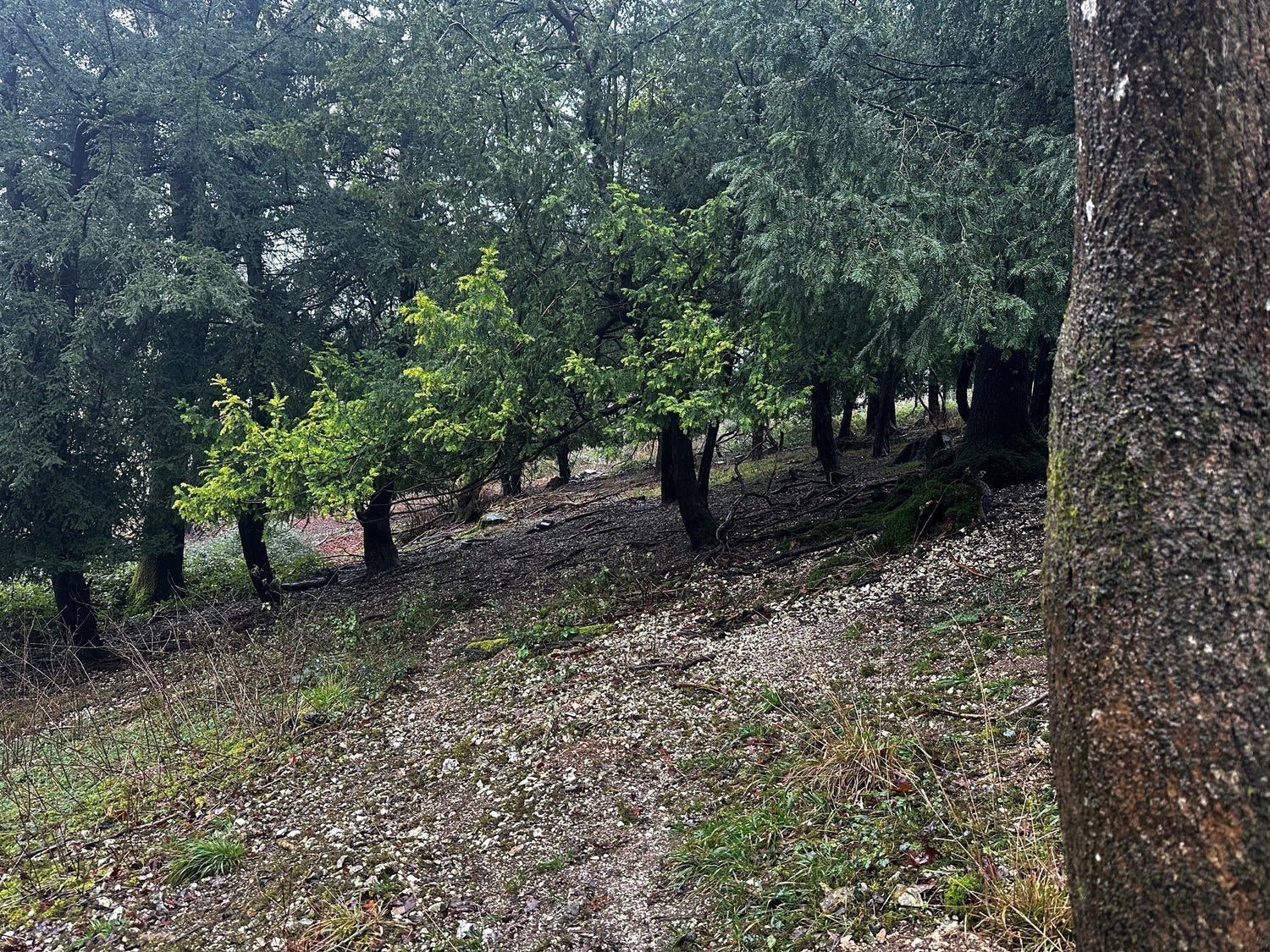
Third, look down. Tracks, droppings, trails through bracken, disturbed leaf litter, and the subtle funnels where animals repeatedly pass through a gap. Deer leave information everywhere. Most people simply walk past it because they are looking ahead, not at what is underfoot.
Trail cameras can help, but only if you place them where deer are already telling you they move. A camera that confirms species and timing is useful. A camera used as a substitute for field reading often becomes an excuse to delay action.

Faecal signs, often can determine the species and herd size.
Establishing “numbers” without falling into guesswork
The question small landowners ask is always the same: “How many deer do I have?”
It is understandable, but it can also be a trap. Deer move across boundaries. The more useful question is: what level of pressure is the habitat carrying, and is it tolerable?
If regeneration is establishing and the understory is recovering, the number might be acceptable. If regeneration is being eaten back year after year, the number is too high for the ground, regardless of whether that number is five, ten, or twenty.
You can still build a meaningful picture.
Identify species first, because roe, muntjac and fallow behave differently and create different patterns of impact. Then look at frequency. Are signs fresh every time you walk, or only occasionally? Finally, look at distribution. Is browsing spread across the holding, or concentrated into corridors and hot spots? Concentration usually indicates travel routes, bedding zones, or a specific attractant.
This gives you something far more valuable than a guessed headcount. It gives you a map of pressure and behaviour, which is what you actually need to plan effective action.
What small landowners can do that actually moves the needle
Small holdings do not need drama, but they do need structure.
Protect new planting properly from day one. Under-protection is wasted money. A cheap guard that fails does not save you money. It delays reality, and the second bill is usually larger than the first.
If you are relying on natural regeneration, use simple comparison methods. Even a small fenced exclosure plot can be transformative. Fence off a patch and compare growth inside and outside across one season. It turns vague suspicion into visible evidence.
Speak to neighbours where you can. Deer do not recognise boundaries. If you are applying pressure in isolation, you may simply be moving deer around. Even basic coordination on timing and areas of focus can produce better outcomes for everyone.
If you stalk your own ground, be honest about consistency. Occasional outings can educate deer without reducing impact. Professional outcomes come from repeated, targeted effort that is delivered often enough to change both numbers and behaviour.
If the ground is sensitive or public-facing, avoid improvisation. On such sites, defensible process is as important as competence. The more sensitive the contract, the more important it is to work within a clear method and, where necessary, to bring in professional support.
The point of education
Education does not turn every landowner into a deer manager. It gives you enough understanding to see the issue early, before costs escalate.
Once you understand what deer impact looks like, you stop arguing about whether deer belong and start asking whether the woodland is recovering.
You stop guessing and start measuring.
You stop reacting late and start intervening early, when control is cheaper, calmer and more effective.

Deer management support in Sussex
If you are a small woodland owner in Sussex and you are not sure whether deer are affecting your ground, we can help you establish the evidence. A structured walk-over and impact assessment will normally reveal whether pressure is present, which species are involved, and what proportionate management looks like for your holding.
The aim is simple. Protect habitat, support regeneration, and keep deer management calm, safe and workable over the long term.