Härkila Forest Hunter WSP Gloves: A Field Review: The older I have got, the more the cold seems to find its way into my joints. Call it years of abuse, call it worn-out mileage, call it early arthritis, whatever it is, I do not enjoy feeling cold, and I enjoy it even less when I am on site and there is work to do.
That is the context for how I think about kit.
For me, kit selection is not about brands, price tags, or jumping on the latest bandwagon of trending tools. I work hard to buy the best I can, and I want it to earn its place through repeated use, in real conditions, not in the comfort of a car park. This review is part of a series that will sit alongside the relaunch of our website and brand later this year: honest, long-term field reviews of equipment, either because we have bought it ourselves or because a partner has asked us to put it through proper use.

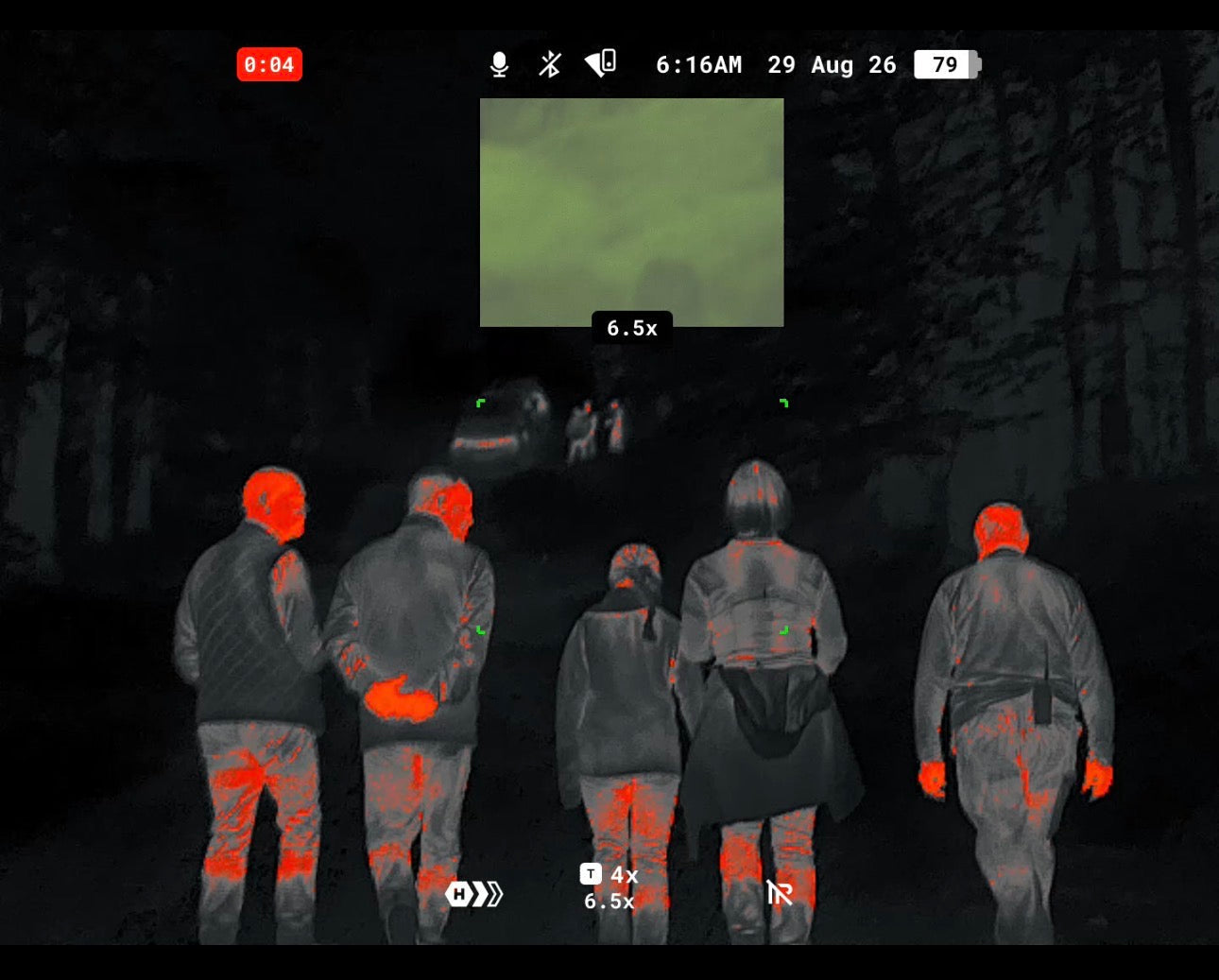
Sussex weather is relatively temperate compared with what our northern brothers and sisters endure, but cold hands are cold hands. They rarely announce themselves as the problem. They show up indirectly, as small mistakes that creep in when the light is going, when rain turns fine work into clumsy work, and when you are trying to do something quietly that still requires precision.
A glove that is too bulky ruins feel. I learned that the hard way about twenty years ago trying to work with old army issue Arctic mittens. A glove that is too thin buys you dexterity but sells you out on warmth. A glove that is noisy turns a careful approach into a string of tiny tells that deer read far faster than most people admit.
That is the niche the Härkila Forest Hunter WSP gloves are trying to occupy. They are not an Arctic expedition glove, and they are not the cheap fleece pair that works for half a season and then lives at the bottom of your kit bag. They are presented as a technical stalking glove built around wind protection, low noise, and practical handling.
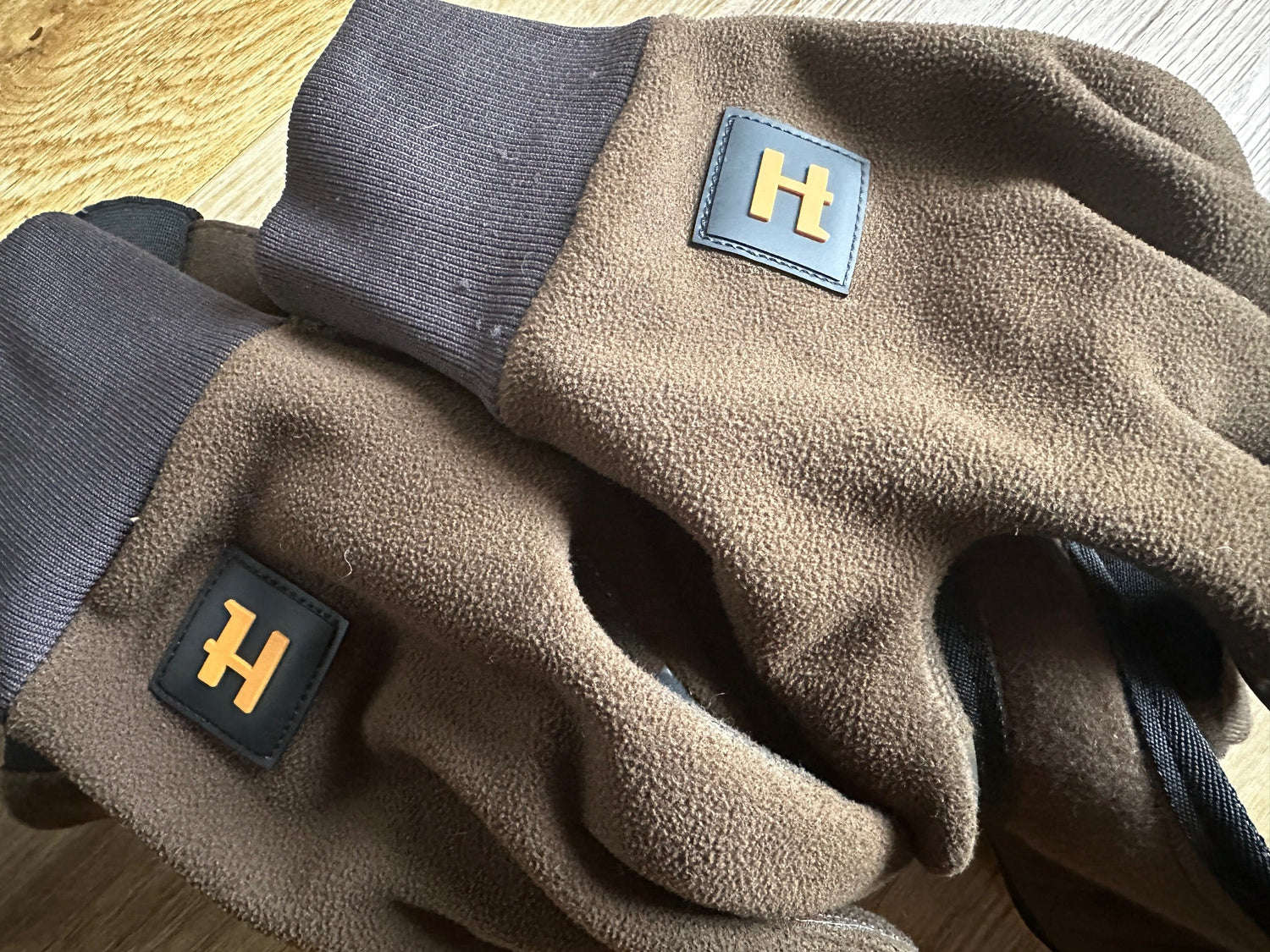
Härkila describe them as warm and supple, designed to retain heat while keeping the hunter concealed, built with a GORE-TEX INFINIUM WINDSTOPPER membrane, a Durable Water Repellent treatment for dirt and water resistance, silicone dots for added grip, and touchscreen compatibility on the thumb and index finger. In other words, a glove intended for the messy middle ground where most stalking actually happens.

What these gloves are really built to do
The core idea is simple: remove wind chill without turning your hands into padded clubs.
WINDSTOPPER is marketed around complete wind protection combined with breathability, so you can stay comfortable with fewer layers and keep freedom of movement. That can sound like brochure language until you place it into a South East winter context, where “cold” often arrives as damp plus wind rather than crisp frost. Wind is what empties your hands first. Take the wind away and you buy time. Not just comfort, but usable time.
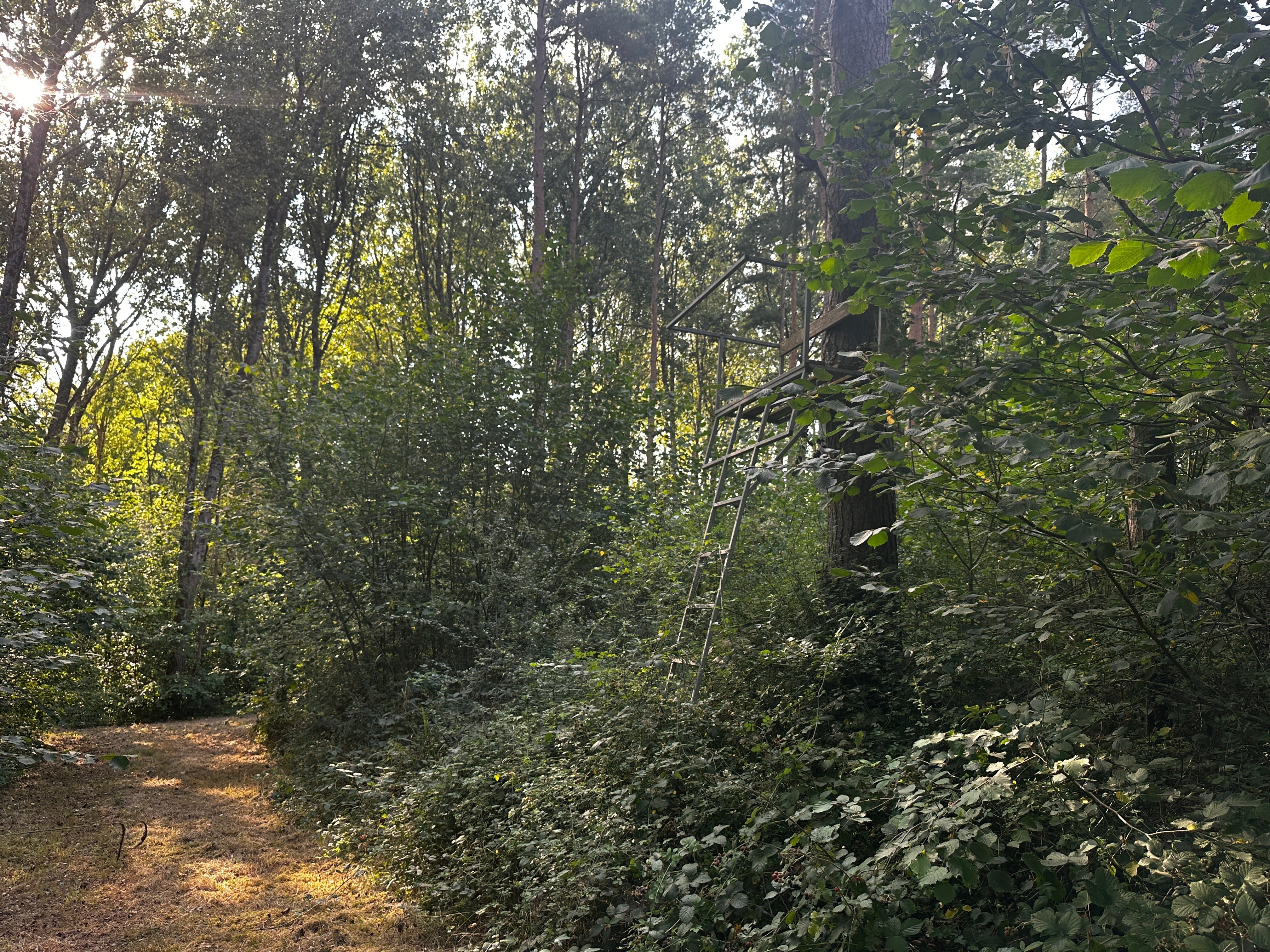
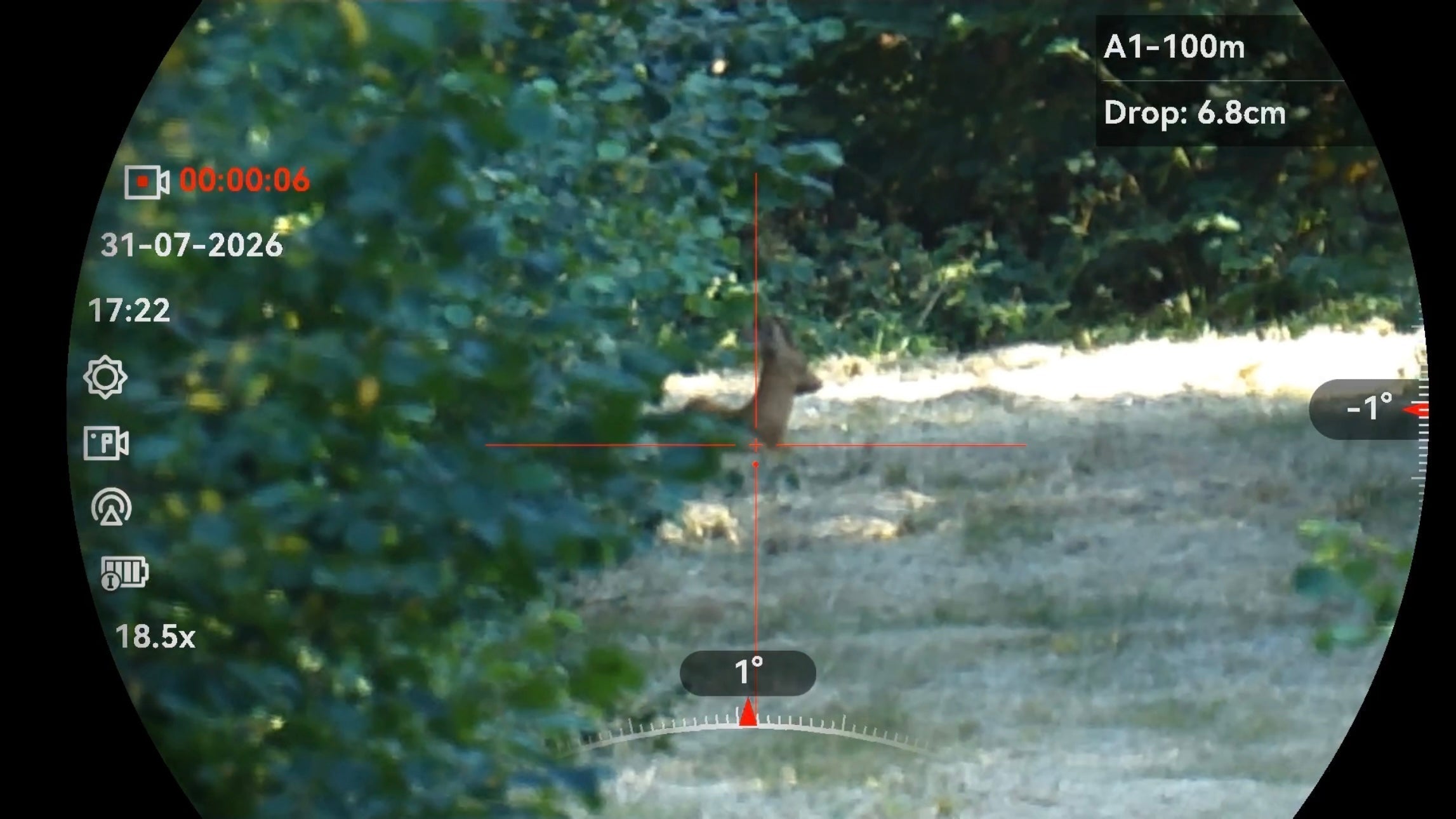
Härkila also frame these as lightweight and silent fleece gloves. That matters more than people realise because noise is rarely one loud error. It is death by a hundred small sounds. A cuff brushing brash. A glove scuffing a stock. The faint rasp of fabric as you settle into position. In tight woodland, where deer are close and half-seen, quiet kit is not romance. It is discipline.
Grip, dexterity, and the small details that decide whether you trust them
Gloves fail in obvious ways, but they also fail in subtle ones. They slip when you are wet. They pull against your fingers when you try to do something delicate. They make you fumble, which creates movement, which creates noise, which creates pressure, and pressure is where standards drift.
The grip features matter for that reason. Härkila specify silicone dots for grip, and in practice that can be the difference between holding kit securely and constantly readjusting it. It matters on a rifle. It matters on sticks. It matters on the small, annoying jobs such as opening gates, handling wet straps, or moving quietly through cover without that constant micro-fidgeting that gives you away. Non-slip features are not there to look tactical. They are there to stop you advertising your presence through unnecessary movement.

The gloves are also described as pre-shaped with an active fit, with stretch, breathability and moisture wicking built into the design. Those phrases can sound like marketing until you recognise what they are trying to solve. If a glove fights your hand, you will never forget it is there. If it sits naturally, you stop thinking about it and you get on with the work.
One practical note from my own pair: mine are a size Large. I do have big hands, but these come up slightly larger than I expected. It is not a deal-breaker, but it is worth knowing if you sit on the boundary between sizes.
Moisture wicking matters too. In winter, hands sweat more than people expect, especially during the walk-in, extraction, or any time you are working hard in layers. A glove that traps moisture becomes cold from the inside. That slow decline in comfort is usually what pushes people into bad habits, such as removing gloves at the wrong moments, rushing tasks, or losing patience.

Touchscreen compatibility on the thumb and index finger is genuinely useful, although on my pair it has undergone serious wear and is starting to show it. That is not a complaint, just the reality of what happens when something gets used instead of admired. The easy-on pull tab is another quiet detail. It sounds minor until your hands are stiff and you are trying to put gloves on quickly without making a performance of it in the cold.
Water resistance, realism, and not expecting the wrong thing
It is worth being very clear about what is being claimed, and what is not. These gloves are windproof and treated with DWR for dirt and water resistance. That is not the same as fully waterproof. They are not.
That distinction matters because waterproof gloves often come with a price: reduced feel, reduced breathability, and a clammy interior if you are active. For the South East, where you can move between drizzle, wet bracken and damp air for hours, water resistance is often the right compromise. The surface sheds short exposure and messy vegetation, the wind is blocked, and you retain enough dexterity to keep standards up.
If your work involves long periods of static sitting in sustained rain, or you routinely end up with hands fully soaked, you will need a different strategy, perhaps a second outer layer or a heavier waterproof option for specific conditions. The Forest Hunter WSP gloves are not pretending to be that. Their strengths sit in the uncomfortable middle ground where most stalking actually happens.
Comfort is not indulgence, it is stamina
There is an idea that comfort is somehow soft. In field work, comfort is often the difference between staying patient and becoming hurried. It is what keeps you calm when you are cold, wet and tired, and calm is the condition under which good decisions are made.
A glove that removes wind chill, stays quiet, and keeps grip under control does not just feel better. It reduces friction in the whole process. That shows up in fewer small mistakes, less unnecessary movement, and fewer moments where you have to correct your own kit rather than focus on the ground in front of you.

Value, and what poor gloves quietly cost
Härkila gloves sit in a price bracket where you might think twice. The right way to judge value is not the price tag. It is the return over a season.
If a glove keeps you warmer with less bulk, helps you handle tools properly, and stays quiet in cover, it can pay for itself in fewer ruined approaches and fewer evenings where your hands fail early. This matters for professionals, but it matters just as much for the small woodland owner trying to do their own control after work. When your windows are narrow and your opportunities are limited, “good enough” kit can be the difference between a clean, calm outing and an evening that feels like effort without outcome.
Durability, washing, and the reality of real use

My own pair has been washed well over a hundred times and is only now starting to show the early signs you would expect: a little bubbling here, a bit of stretch in the elastic there. The fingertip pads are showing wear, and despite regular washing they have, somehow, retained that unmistakable “rutting buck” smell that seems to work its way into even the most repellent fibres.
That last point sounds like a joke, but it is part of the reality of deer work. Some kit lives in the clean world of product photography. Some kit lives in blood, mud, wet bracken and long drives home. These gloves have lived in the second world, and they are still doing the job they were bought to do.
The bottom line
The Härkila Forest Hunter WSP gloves are not glamorous kit. They are not supposed to be. They are designed to remove one of the most common causes of degraded performance in winter: hands that slowly stop doing what you need them to do.
Judge them by a simple standard. Do they help you stay patient, quiet and precise when conditions are trying to push you into shortcuts. If the answer is yes, they are doing exactly what a stalking glove should do.