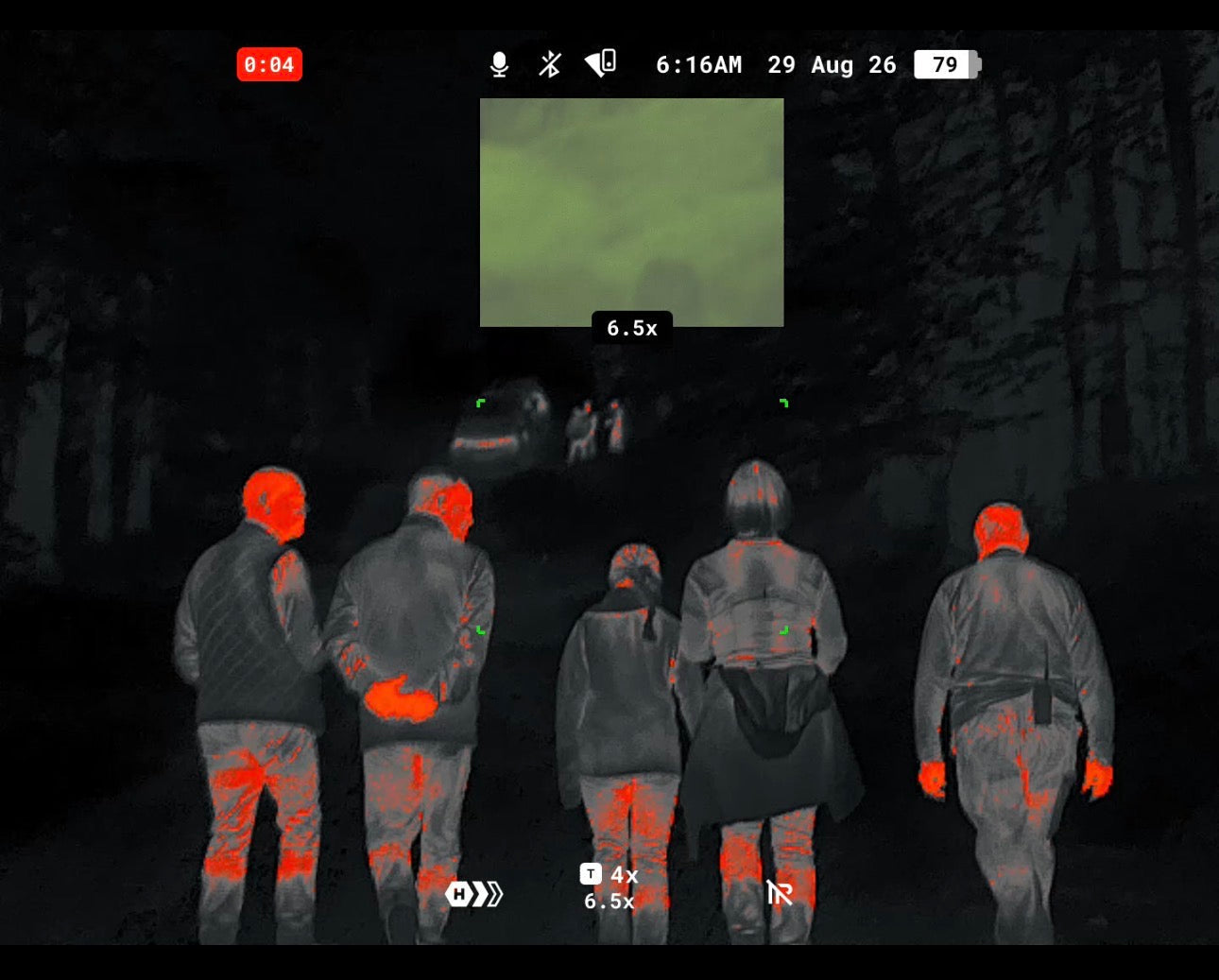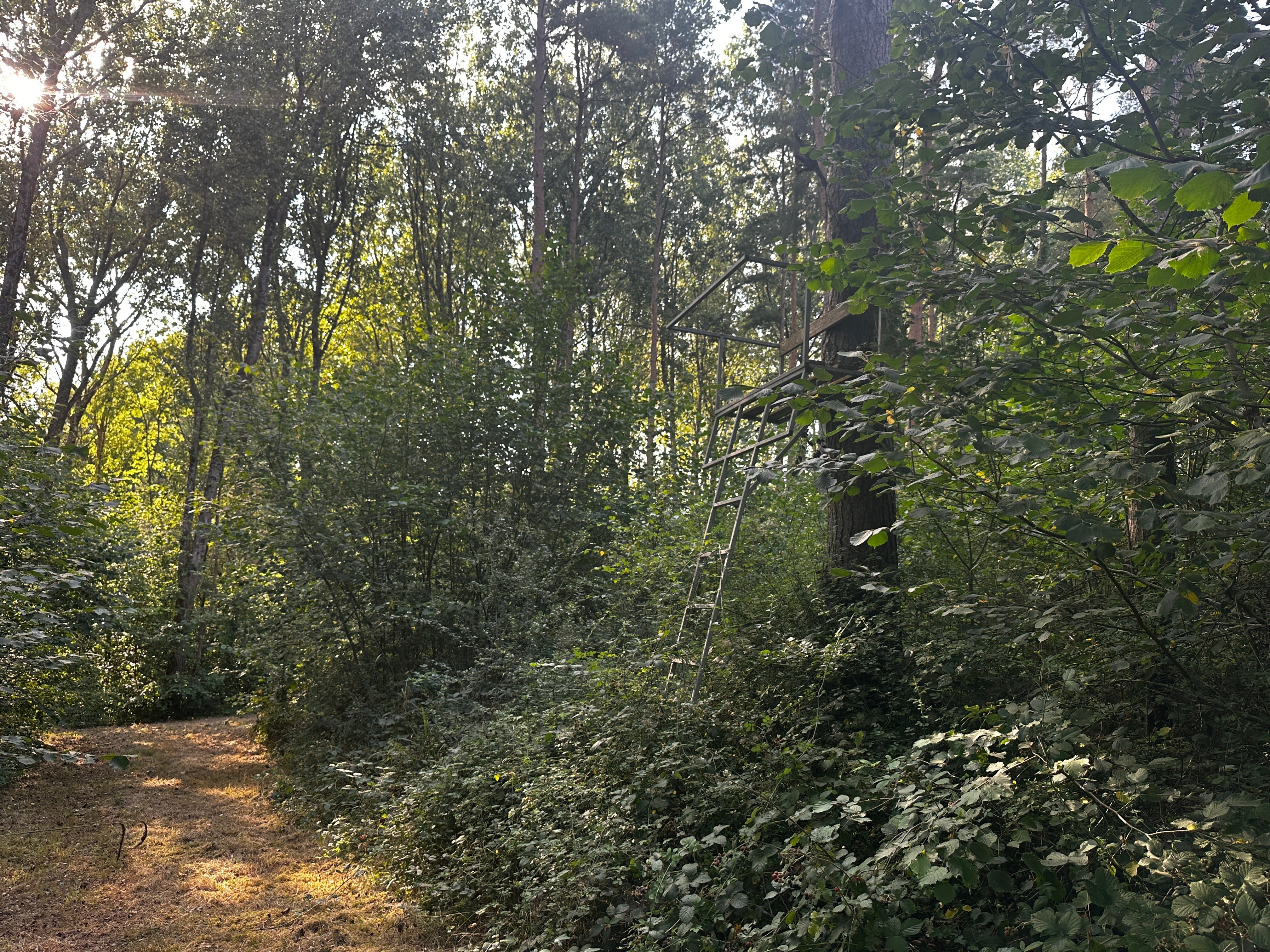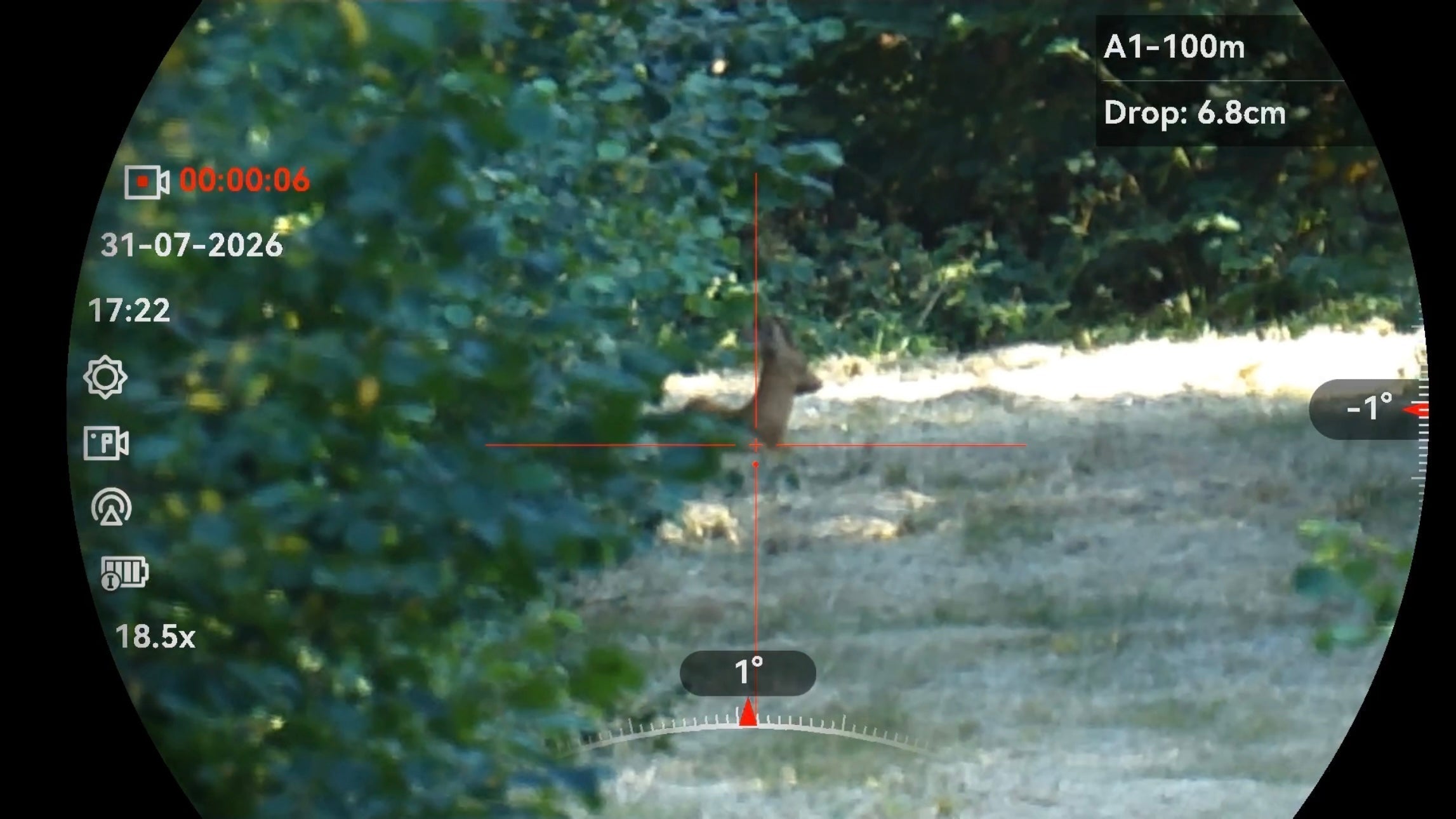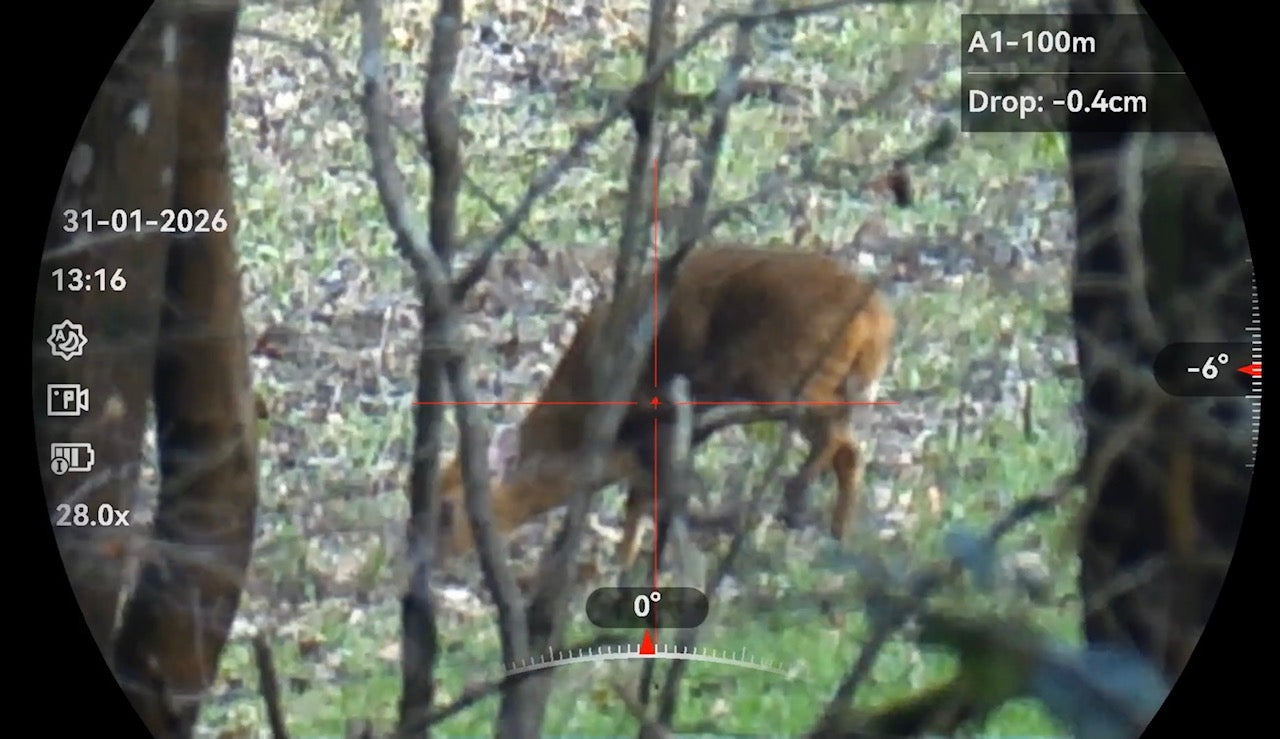
Every deer manager has nights that look simple on paper and turn into something else entirely. The sort of outing that reminds you why this is work, not theatre. One muntjac. Familiar ground. A clear intention. And yet, by the time it is done, you have spent far more effort than the end result appears to justify.
This week I was invited out on another Sussex Estate, that was the story.
The muntjac made us work hard, and it highlighted something that rarely gets talked about honestly in public: the financial reality of deer management, especially on smaller contracts and high-pressure sites where effort is high and outcomes can never be guaranteed.
Two of us, around fourteen hours total on the ground, plus diesel and ammunition. Carcass value around five pounds. Roughly thirty-six pence an hour before you even start counting the real costs.
It is not sustainable on venison value alone.
The myth of “paid for by the carcass”
There is a lingering assumption among some landowners and even parts of the wider public that deer management is self-funding. That venison makes it worthwhile. That the animal pays for the operation.
That might have been truer in certain pockets at certain times, and it can still be partially true where estates have strong venison outlets, good infrastructure, and large, efficient operations.
But for many professional teams working in the South East, the economics are not built on the carcass. They are built on the outcomes the carcass represents. The venison income is not the business model. It is a minor offset in a much larger equation.
If you reduce deer management to “meat value” you will always conclude the work is overpriced, or unnecessary, or that someone is “making a nice little earner” for walking around the woods. In reality, most of the cost sits in time, competence, and constraint.
What the £5 does not show you
A simple calculation based on carcass value ignores nearly everything that makes professional deer management expensive.
It does not show you the hours where nothing is taken because the backstop is wrong, the wind is wrong, public presence is high, or deer are on the hop. It does not show you the time spent gaining permission, writing risk assessments, coordinating with landowners, and complying with conditions that come with sensitive sites.
It does not show you the kit and training demands that now sit beneath many contracts: thermal and digital optics, insurance, firearms compliance, ongoing qualification, vehicle costs, larder hygiene standards, record keeping, and the quiet admin that makes delivery defensible when scrutiny lands.
It also does not show you the nature of deer work itself. You cannot treat it like piecework. This is not a factory line where effort equals output. An outing might be two hours and productive, or it might be seven hours and nothing taken, and both can still be correct if your standard is safety and welfare rather than desperation.
That is what the muntjac reminded us. The job does not care about your spreadsheet. The woodland, the wind, and the deer dictate what is possible.
Why muntjac expose the problem more sharply
Muntjac are small, and they often sit in tight cover. They are a species that can turn simple effort into slow work, especially in woodland where you need to keep disturbance low, not helped by game birds on the ground giving away your location.
They also represent a disproportionate impact for their size. A muntjac does not need to be a large animal to be destructive. Repeated browsing of regeneration, selective pressure on shrubs and ground flora, fraying, and the steady suppression of woodland recovery all add up over time.
So you end up in a strange place. High ecological and woodland value in controlling them, but low carcass value to offset the cost.
That mismatch is why relying on venison value is such a fragile model. The species that often need the most consistent pressure can be the ones that repay you the least in purely financial terms.
The professional standard includes walking away empty
One of the hardest truths to explain to clients who are new to contracting deer management is that “no deer taken” does not automatically mean “nothing achieved”.
A professional standard is not defined by forcing results. It is defined by judgement.
If the shot is unsafe, you do not take it. If the wind makes the whole approach self-defeating, you do not pretend otherwise. If deer are present but using cover in a way that offers no clean lines, you accept that and you leave with better information for the next attempt.
That is why an outing can cost a lot and still be right. The muntjac outing had that character. It demanded time and persistence. It was not a neat, efficient “in and out”. It was work.
So what actually funds deer management, if not venison?
The honest answer is that deer management is funded by the value of what it protects.
That value sits in woodland outcomes: regeneration that establishes rather than fails, restocking that does not need replacing, coppice that recovers, sensitive ground flora that returns, browse pressure that drops below the point of chronic suppression.
It also sits in avoided costs. Fewer tubes. Less replanting. Less fencing repair. Less repeated contractor time returning to fix what should have worked first time. Less conflict on public-facing ground because deer behaviour becomes less concentrated and predictable in the wrong places.
These are not abstract benefits. They are the difference between a woodland plan that becomes reality and one that remains a document.
But those benefits are not paid out through a carcass ticket. They are paid out either through the landowner’s own budget, or through schemes designed to support the outcomes society says it wants.
And that is where CWS1 becomes relevant.
Where CWS1 can genuinely help
Schemes like CWS1 matter when they are used for the purpose they are intended for: improved habitats and better woodland outcomes.
The point is not to subsidise an “armed walk in the woods”. Any professional stalker knows that not every outing produces a carcass, and paying purely for hours risks sending the wrong message. Equally, paying purely for cull numbers risks encouraging poor practice or selecting the easiest deer rather than the right effort in the right places.
The focus needs to stay where it belongs: measurable impact and woodland response. CWS1, used properly, can help landowners do two things that are otherwise difficult in the current market.
First, it can support consistent professional delivery when venison value is low and costs are high. That consistency is what changes pressure over time. Not heroic one-off efforts. Not crisis response. Steady work that the deer adapt to and the habitat benefits from.
Second, it can allow estates to treat deer management as part of woodland resilience rather than as an optional add-on. When budgets are squeezed, deer management is often one of the first areas to be reduced, even though the consequences show up later as failed establishment and repeated costs.
The logic is simple. If you are investing in woodland outcomes, deer management is part of that investment. If you do not fund it properly, you pay anyway, just in a slower, messier way.
A quiet conclusion
That muntjac was worth far more than five pounds in terms of what it represented: effort, discipline, and the reality of delivering deer control in modern conditions.
But it also illustrated the central problem. If we pretend deer management is self-funding through venison, we will continue to under-resource it, and then act surprised when woodlands fail to regenerate and pressure increases.
Venison is a benefit. It is not a business model.
If estates are serious about woodland outcomes and want competent, safe, defensible delivery, then support that reflects the true cost of management is part of the answer. Schemes like CWS1 can help close that gap, provided the focus stays on habitat response, not on theatre.
The work is quiet, often unseen, and frequently misunderstood.
It still needs paying for.