

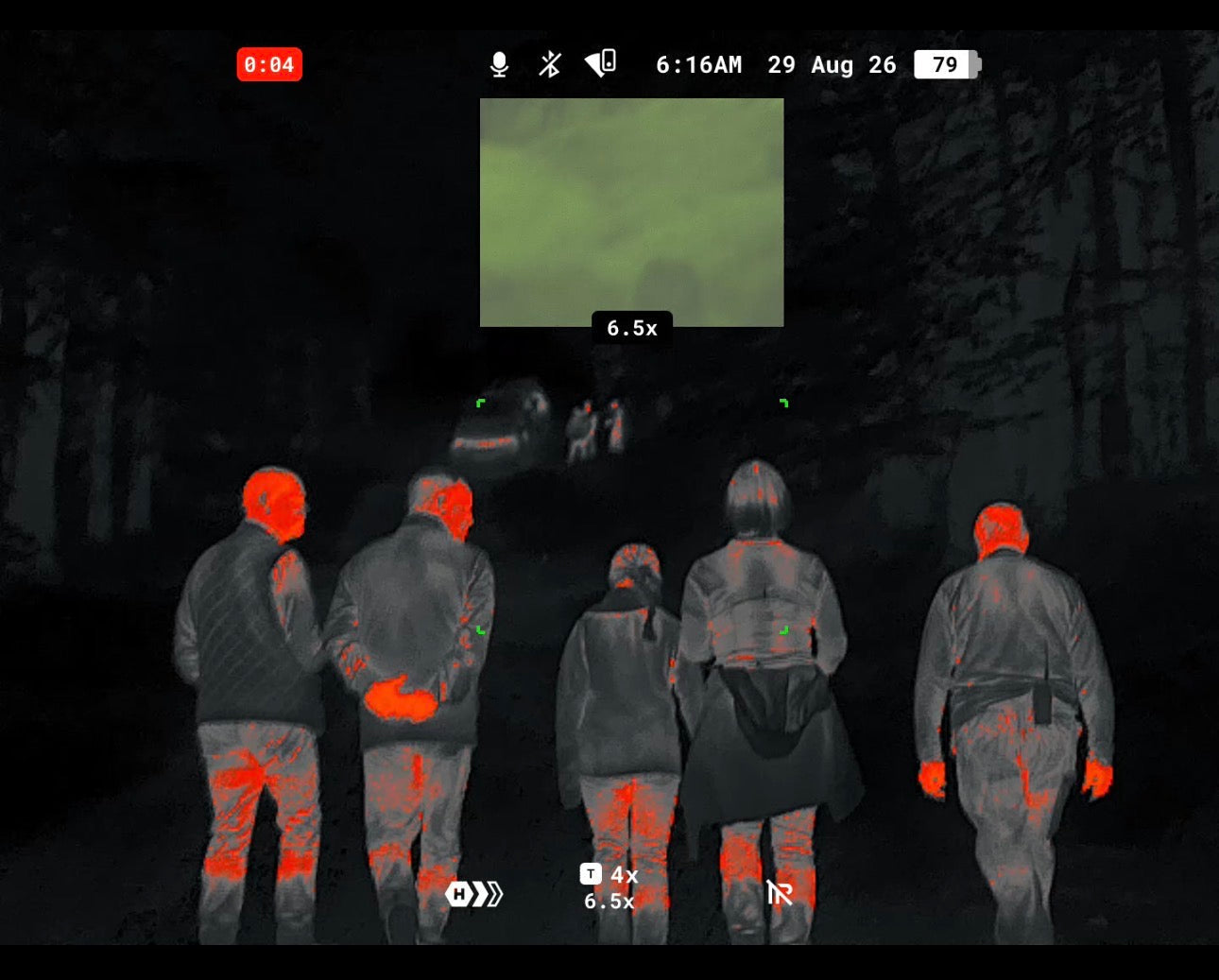
Pulsar Symbion LRF DXR50 Field Test & Review
We have been using the Pulsar Symbion LRF DXR50 over the last few weeks, and it is an interesting unit because it represents where I increasingly believe observation equipment is heading. Not simpl...
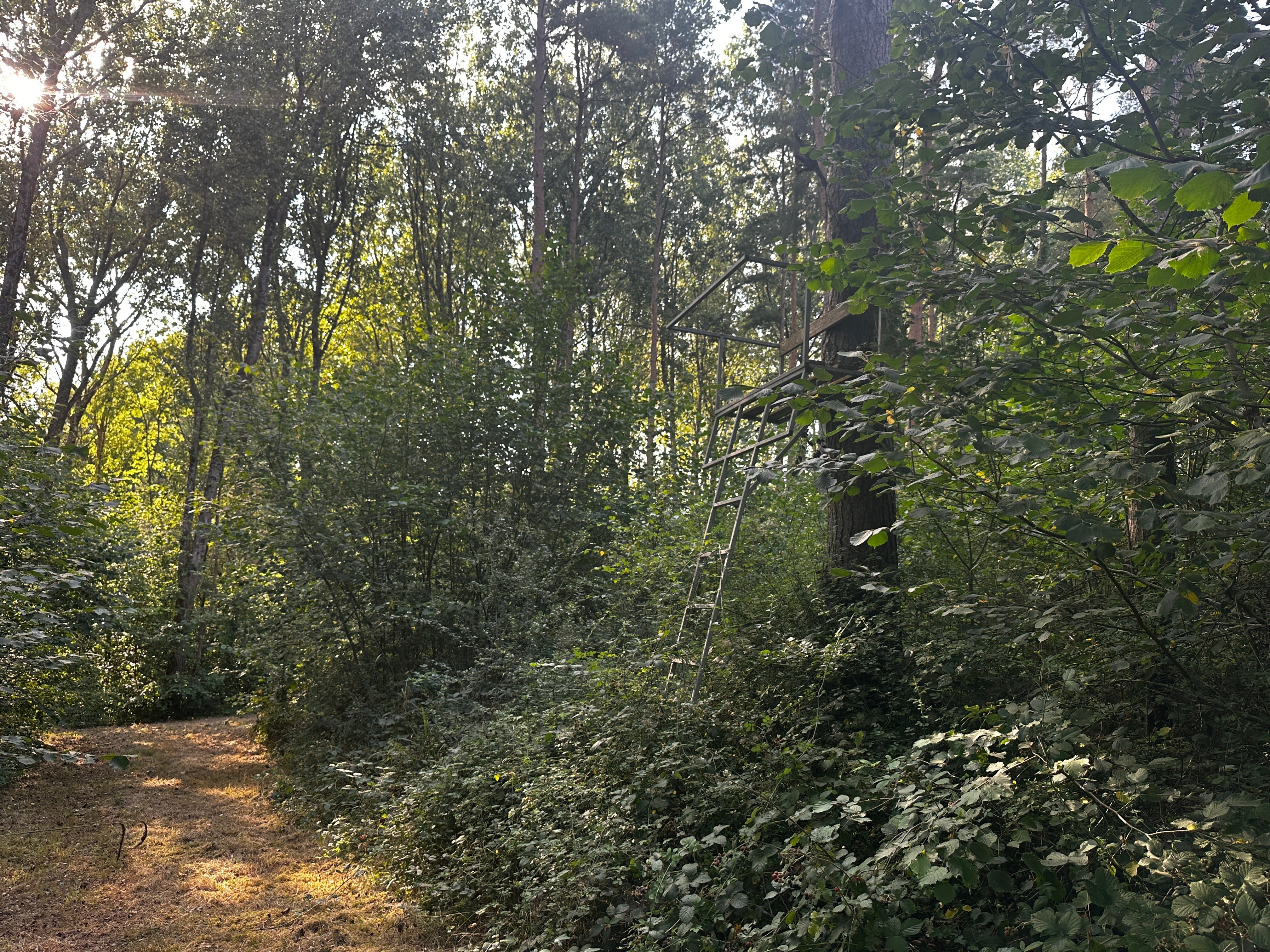
Why Ride Management Matters in Professional Deer Control
A high seat is often treated as a piece of equipment. It is purchased, carried into the woodland, secured to a suitable tree and marked on the estate map. Yet the effectiveness of that seat depends...
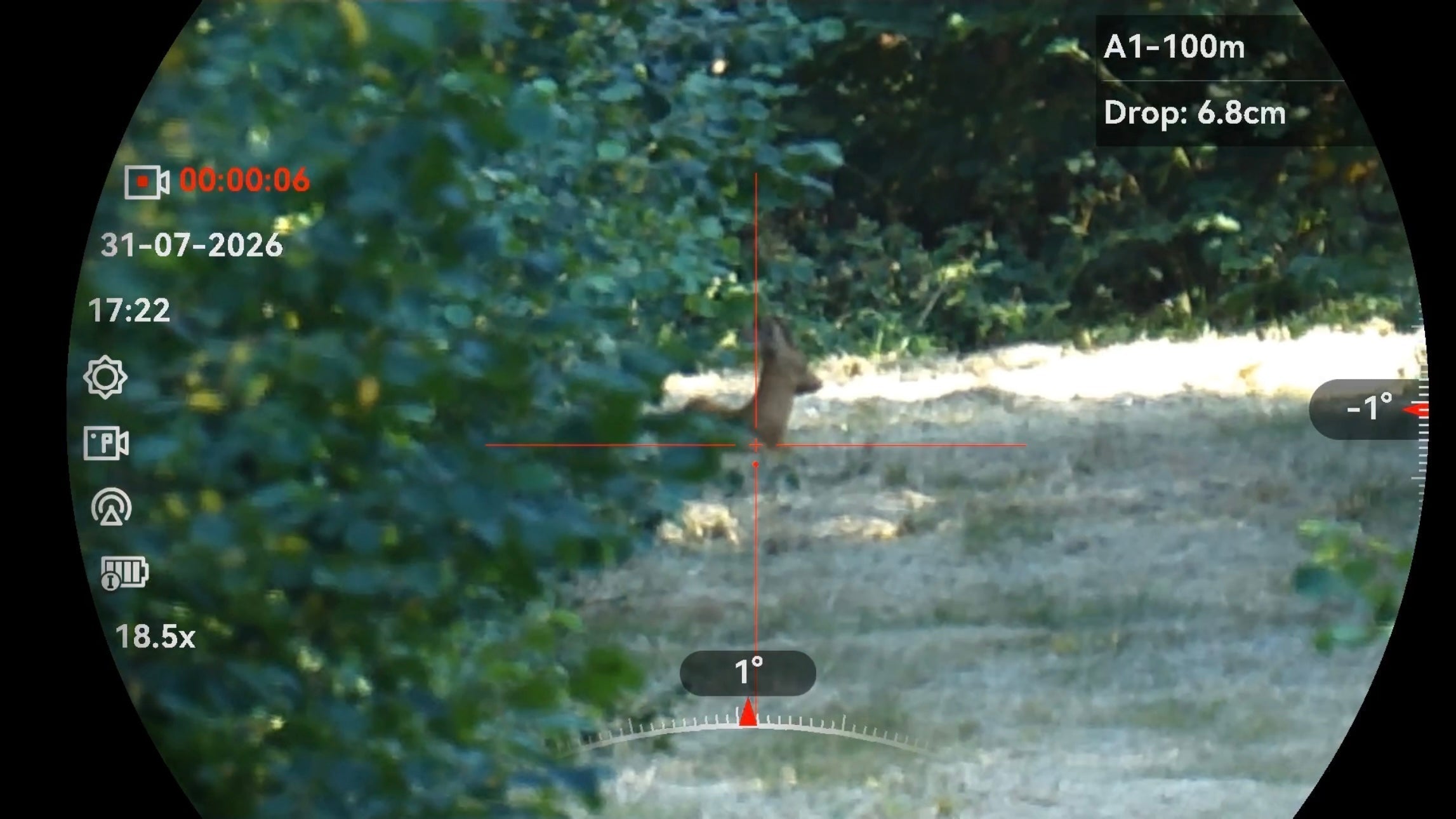
What Actually Makes a Good Cull Buck?
A buck does not become a suitable cull animal simply because it presented an opportunity or because the stalker wanted to retain the head. Nor does a large, healthy and established animal become a ...
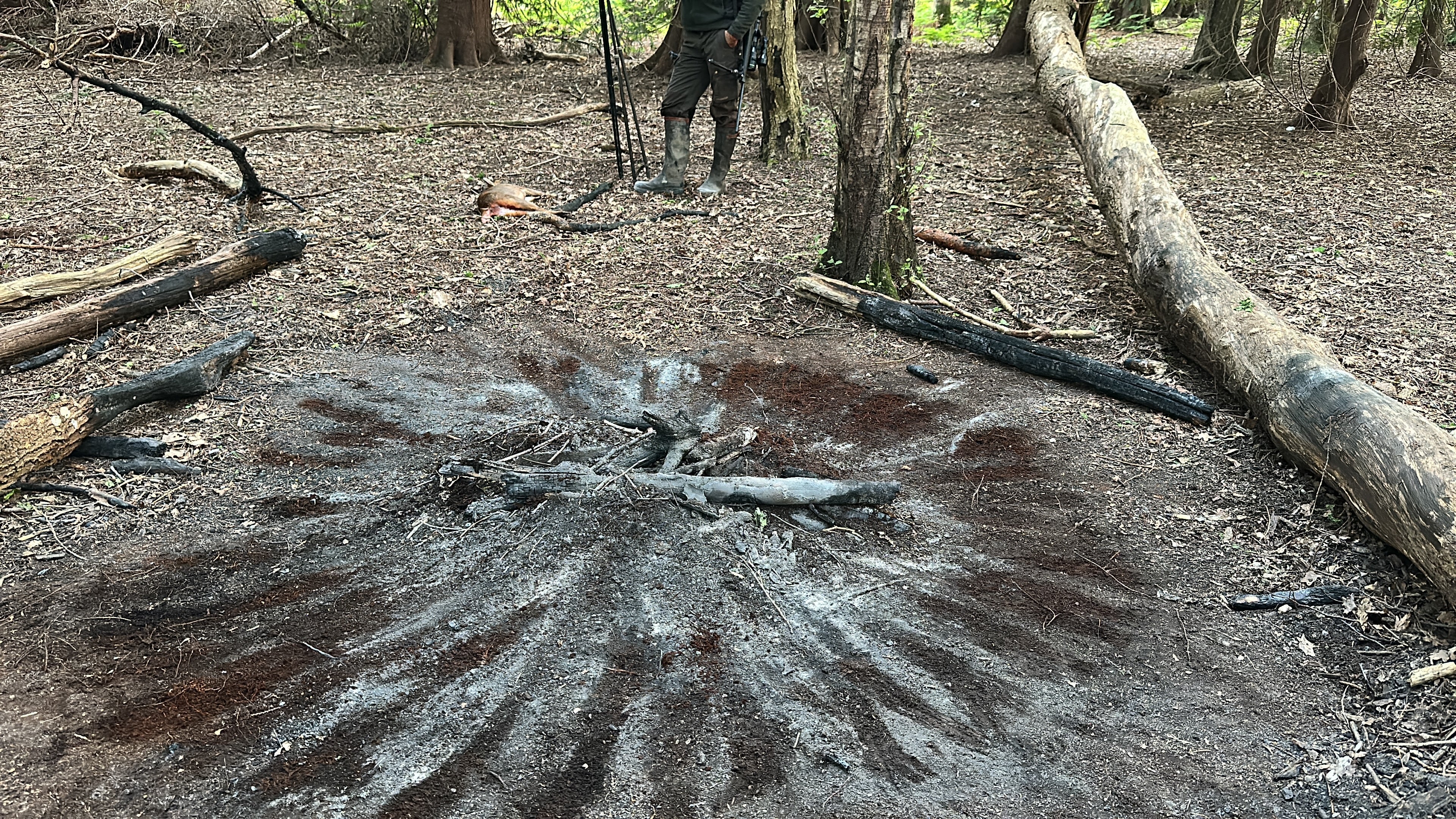
What Wildfires Mean for Wild Deer in Southern England
Recent wildfires across Sussex and the South of England have highlighted an often-overlooked consequence of landscape fires—their impact on wild deer. While many animals escape the flames, changes ...
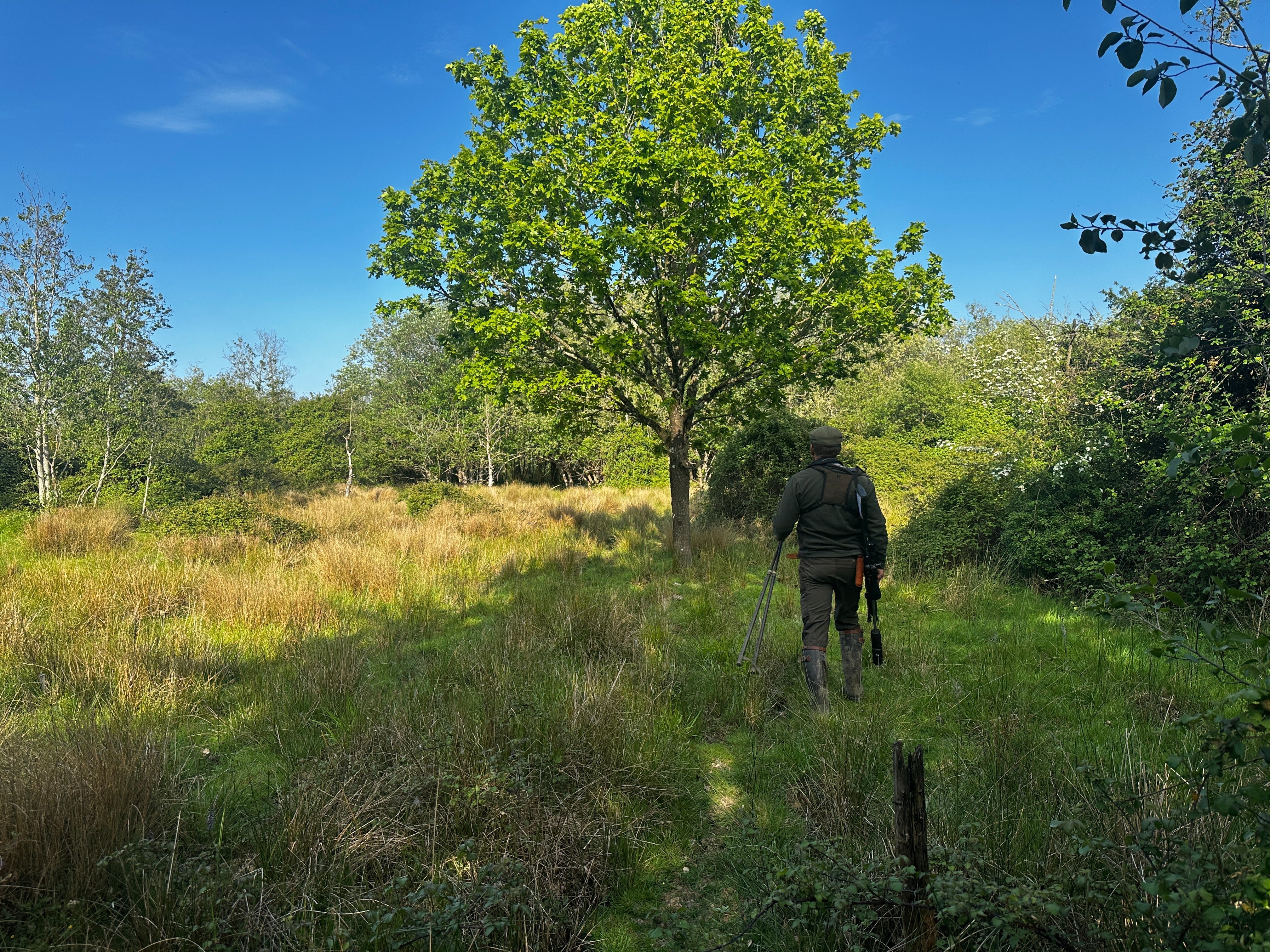
Professional Deer Management Is No Longer Optional—It Is Essential for Woodland Recovery
Professional deer management is no longer a seasonal or informal task. Where deer impacts are limiting tree establishment, natural regeneration, coppice regrowth or woodland structure, landowners n...
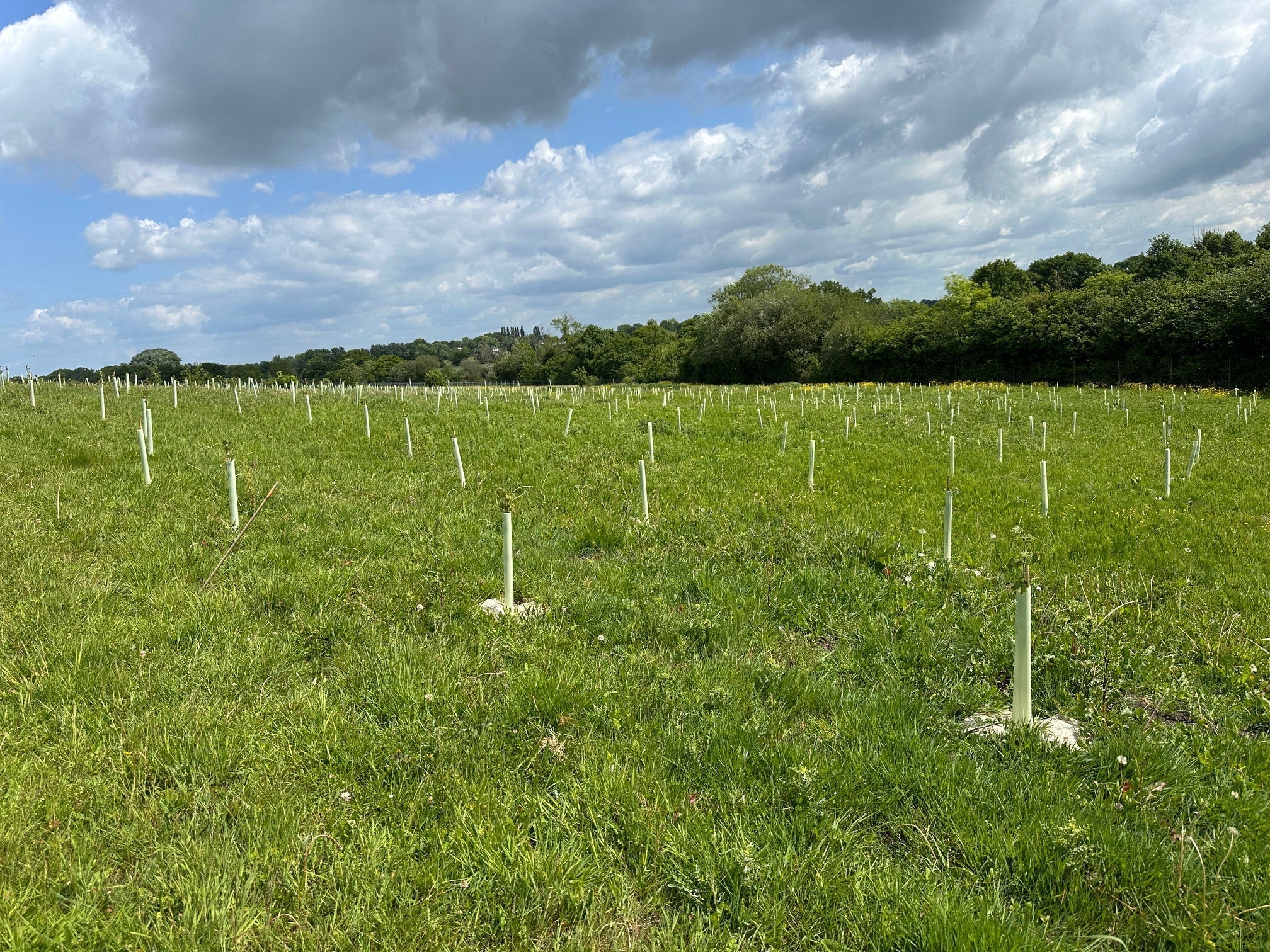
Planting Trees Is Easy. Protecting Them from Deer Is the Real Challenge
Tree planting is only the beginning of woodland creation. Young trees must survive browsing, competition, exposure and establishment pressures before they become functioning woodland. In many Engli...
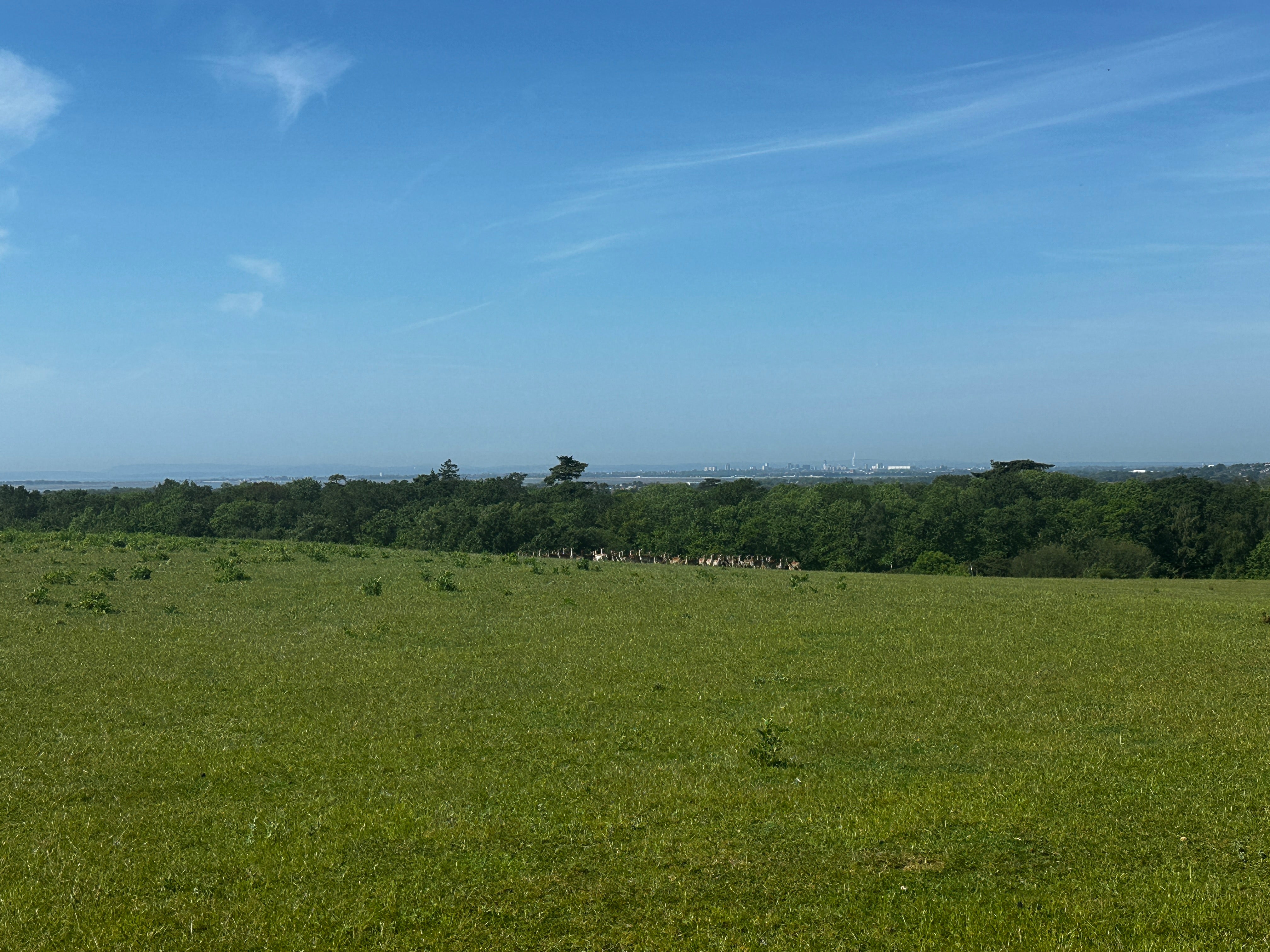
Landscape-Scale Deer Management Is Easy to Say. Delivering It Is Something Else Entirely.
Landscape-scale deer management is often discussed as a simple solution to deer impacts, but real delivery is far more complex. Woodland recovery depends on collaboration between landowners, shared...
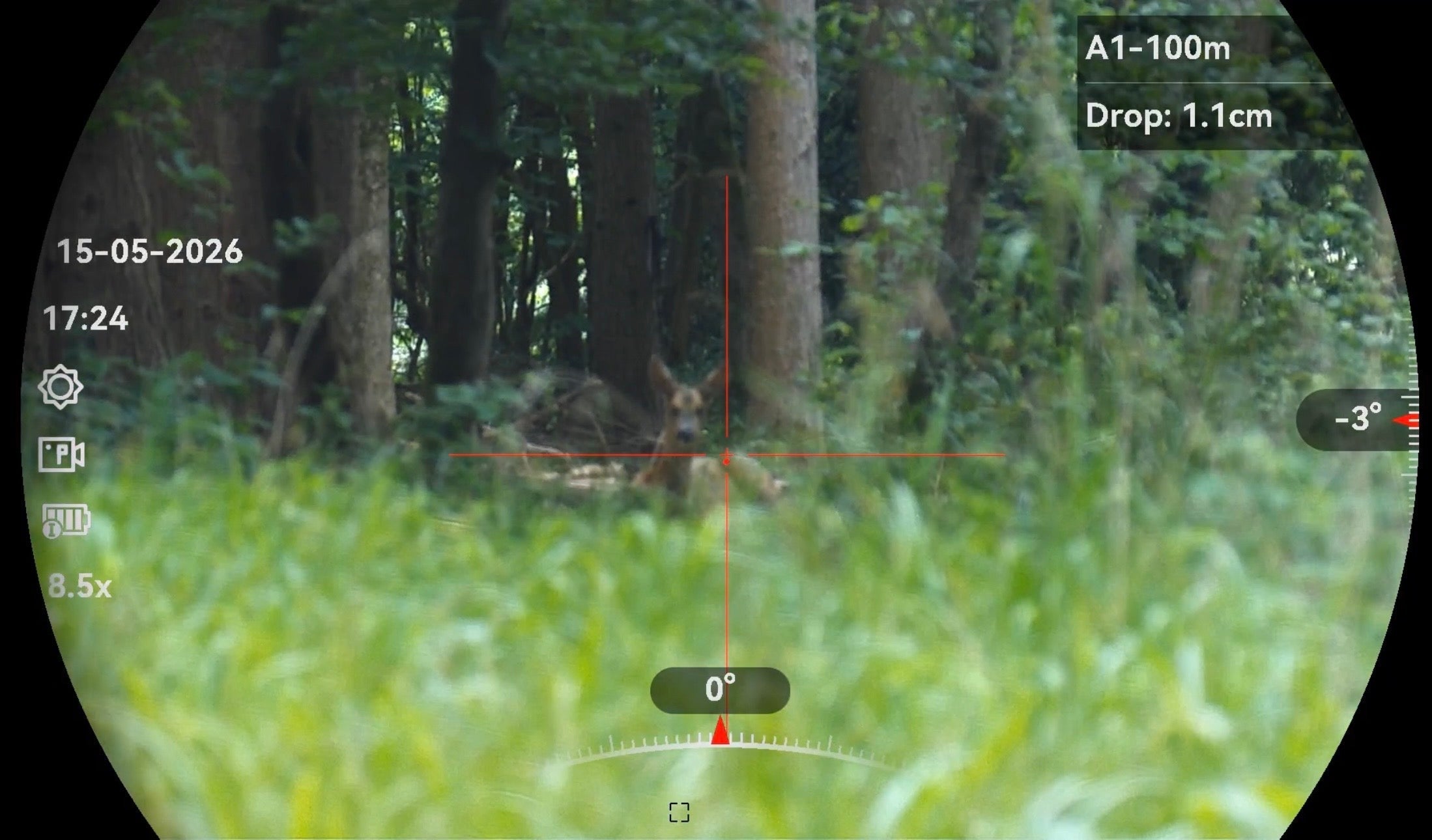
The Deer Policy Has Changed, But the Woodland Still Has to Recover
The national direction on deer management has changed, but policy alone will not restore woodland condition. Real recovery still depends on evidence, active landowner engagement, professional deliv...
Benjamin Steps Down as Wildscape Deer Management Deer Lead
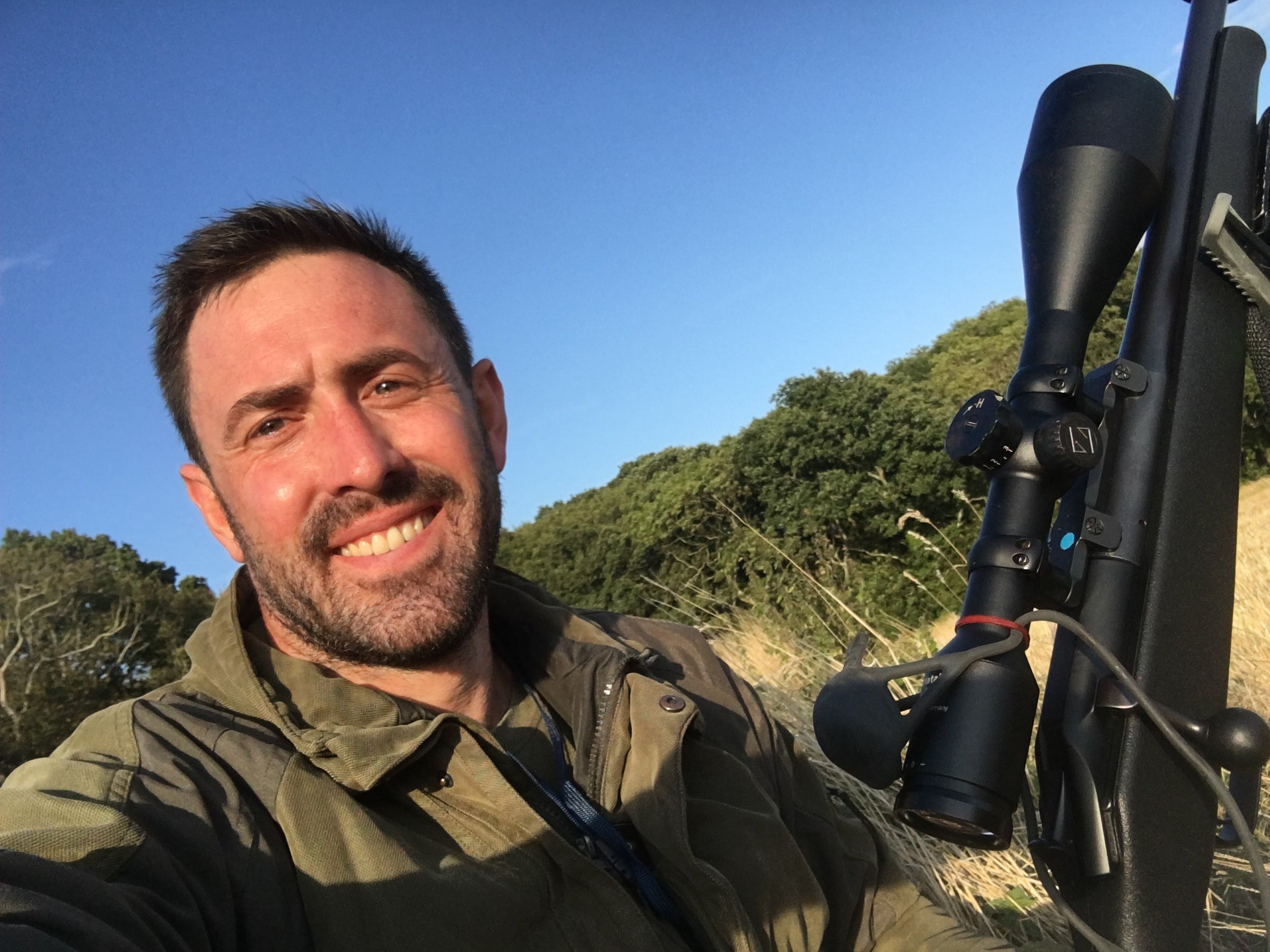
After several years of dedicated service, Benjamin is stepping down as Wildscape’s Deer Lead. During his time in the role, he helped strengthen collaboration across estates in Sussex, connect partn...
Supporting the Local Venison Market Starts With Doing It Properly
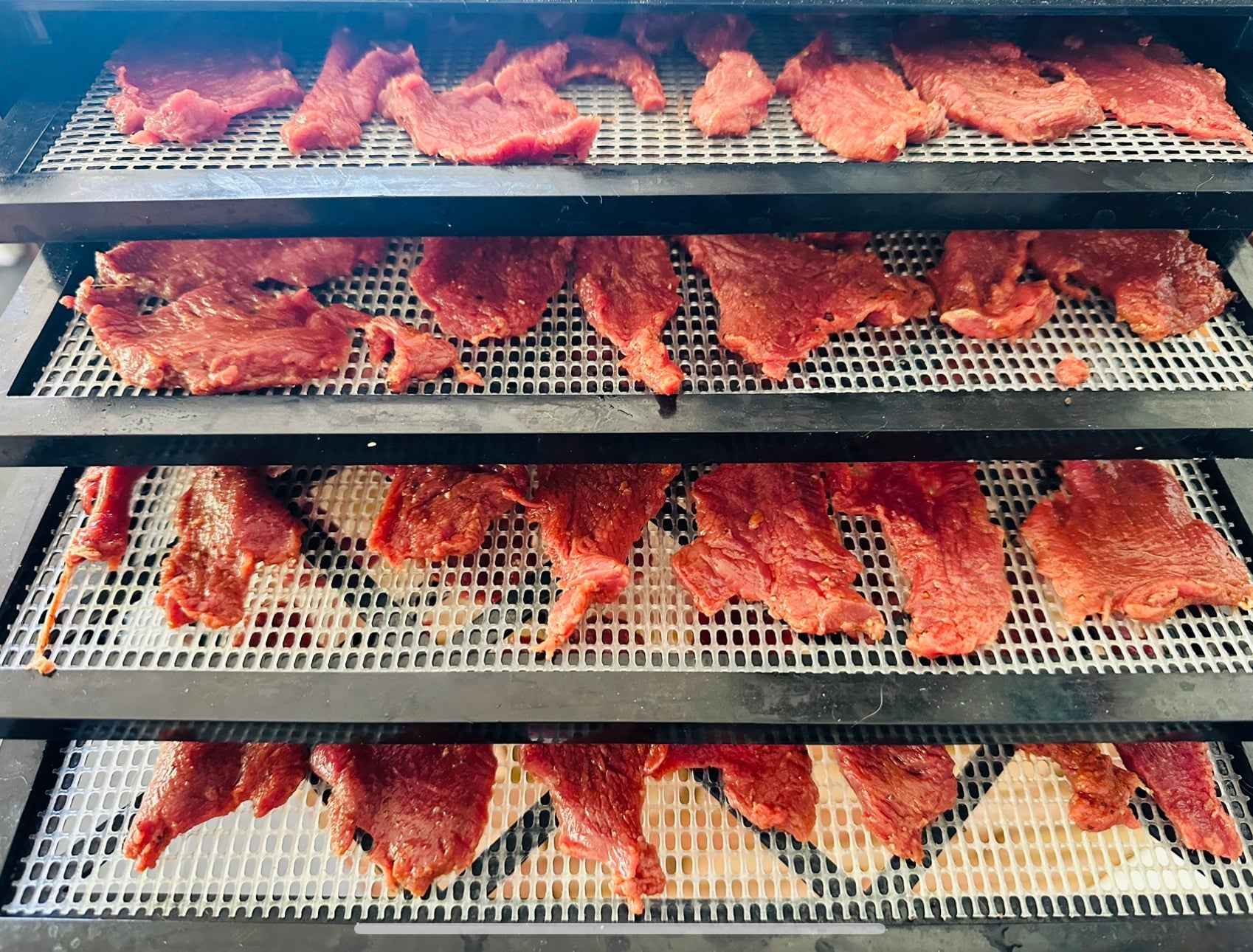
A stronger local venison market depends on more than demand. It depends on smaller deer stalkers understanding food business registration, large game hygiene certificates, hunter’s exemption, trace...
Ten Years of Change: What Seasonal Recovery Looks Like After Deer Management
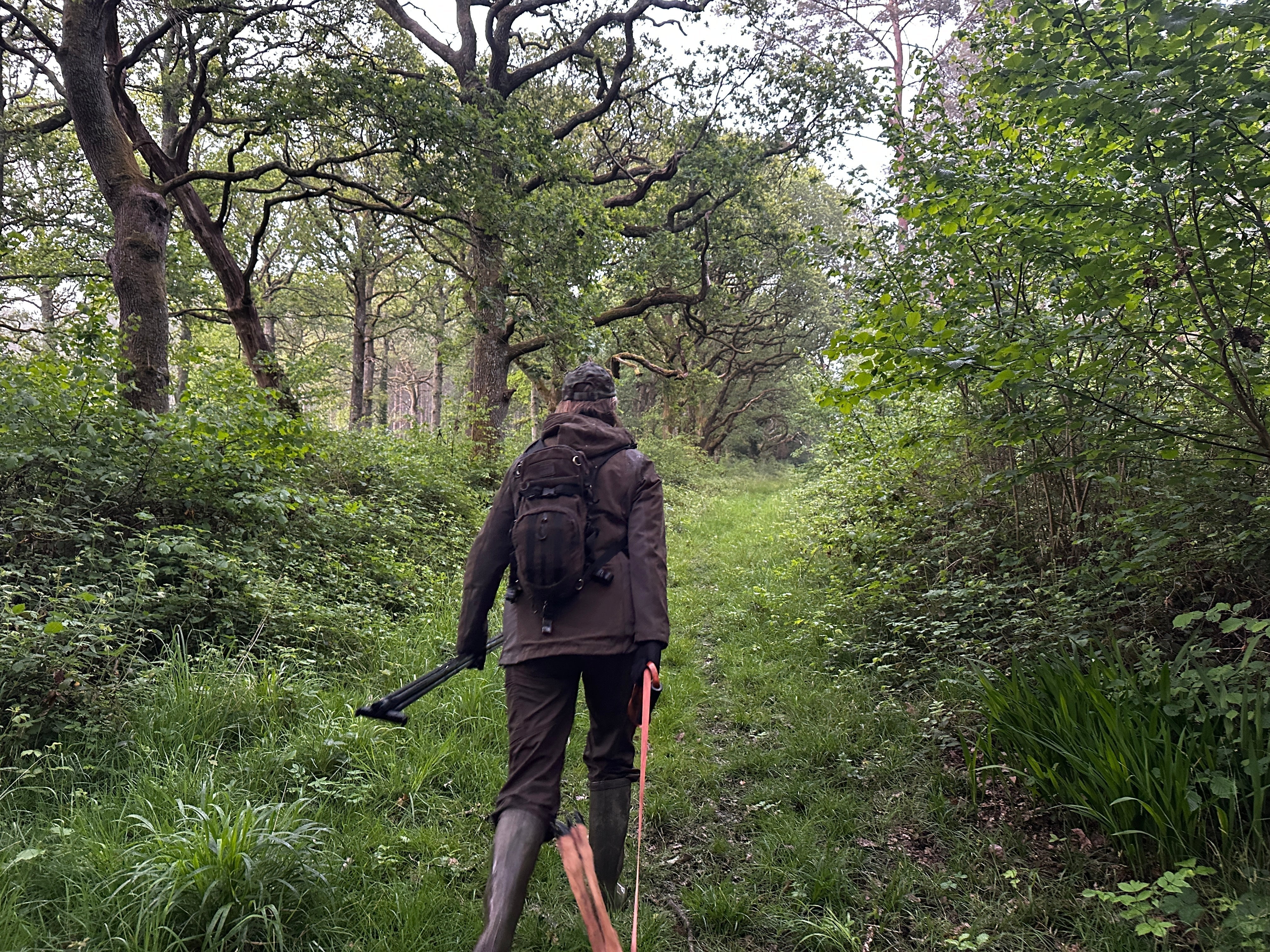
What does ten years of applied deer management actually look like on the ground? This article explores seasonal change, woodland recovery, missed opportunities, and the long-term effort required to...

Green Finance For Deer and the Warning We Were Given Long Ago
Green finance and deer management can no longer be treated as separate conversations. This article explores why estates need to think seriously about nature markets, natural capital, professional d...

Newly Passed PDS1, DSC1 and Looking for Permission: Five Useful Tips
A practical guide for newly passed DSC1 stalkers looking to secure deer stalking permission, covering realistic expectations, how to avoid damaging your reputation, why shadowing experienced stalke...

When Deer Management Starts Looking Like Site Security
One of the parts of deer management the public rarely sees is how often wider site issues begin to interfere with the job. From trespassers and unattended campfires to antisocial behaviour, litter ...

Deer Fencing Is Only as Good as the Thinking Behind It
Effective deer fencing is about far more than fence height and route. This article explains why good deer fence design must consider escape routes, funnels, traps, maintenance, internal deer pressu...
Ticks, Lyme Disease, and Why This Time of Year Deserves More Respect
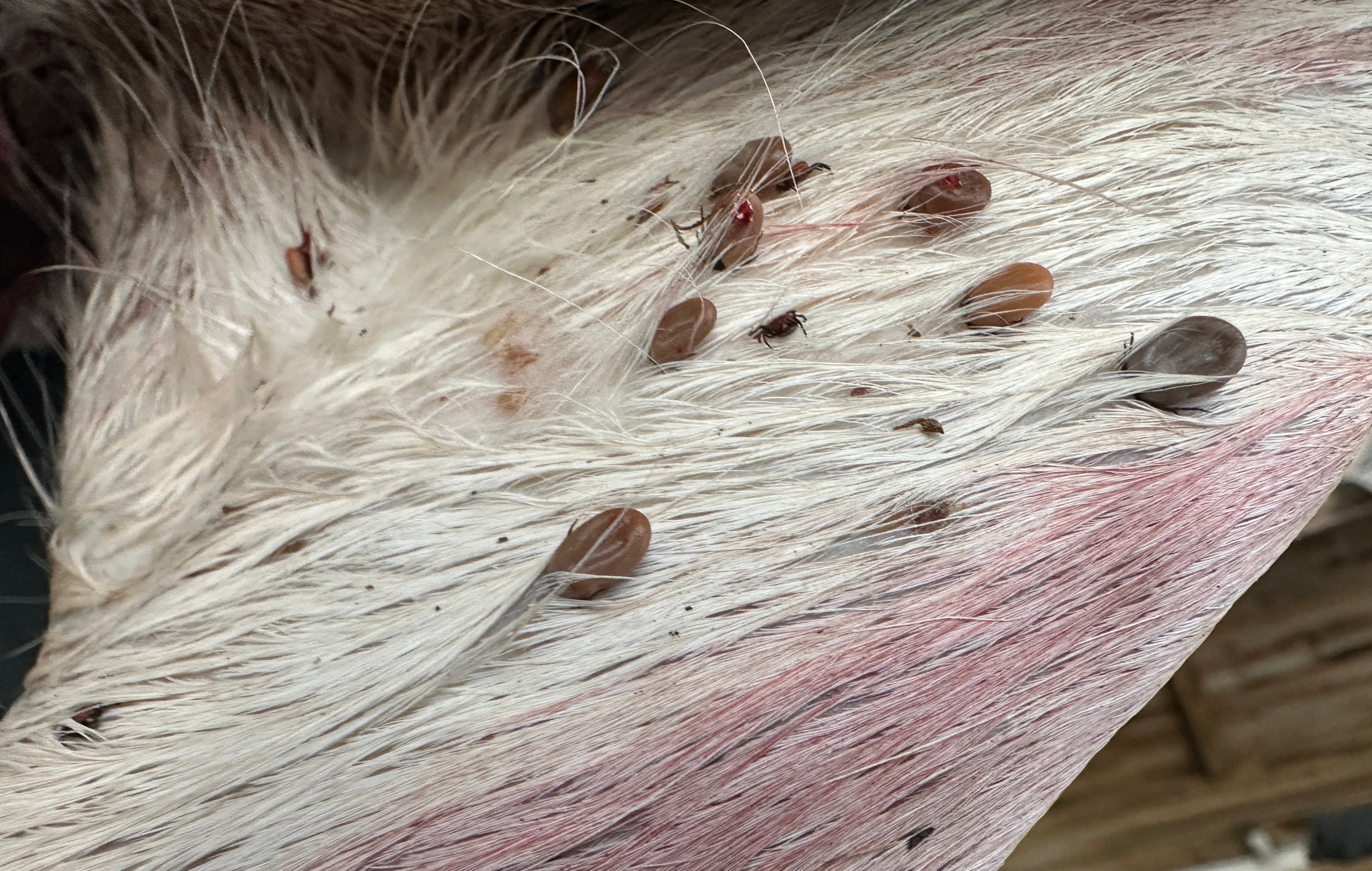
Ticks and Lyme disease are an increasing concern for anyone spending time on deer ground, woodland rides, rough grass and edge habitat. This article explains why this time of year matters, where ti...

Nocpix NITE D70R Prototype Review - Field Test
The Nocpix NITE D70R is a promising day and night digital scope with outstanding image clarity, a comfortable viewing experience, and strong real-world performance in the field. This honest Nocpix ...
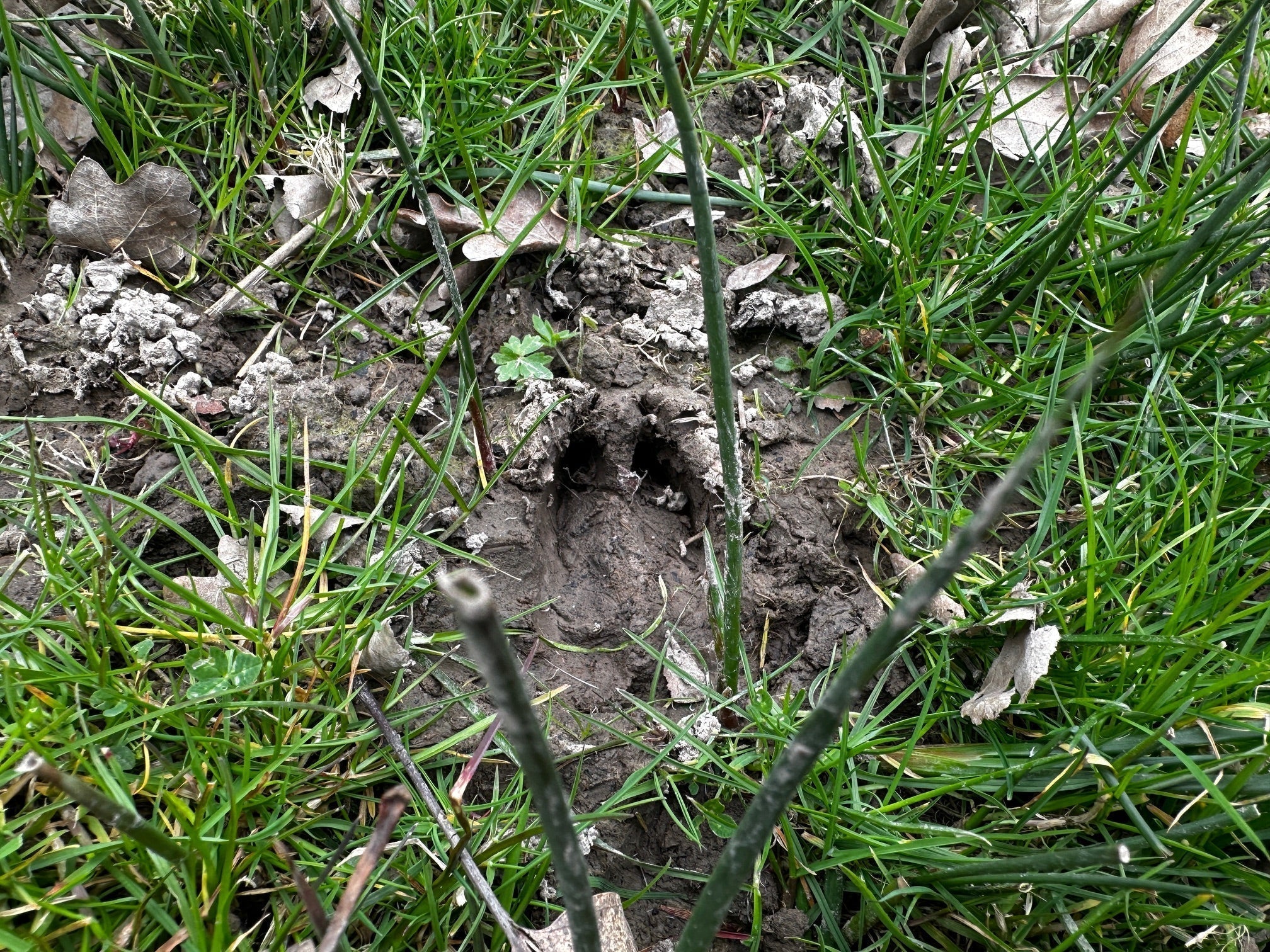
Deer Habitat Impact Assessments in Sussex Woodland
A good habitat impact assessment in Sussex woodland is not about counting deer, but about reading what deer are doing to regeneration, coppice, understorey and palatable species. This article expla...
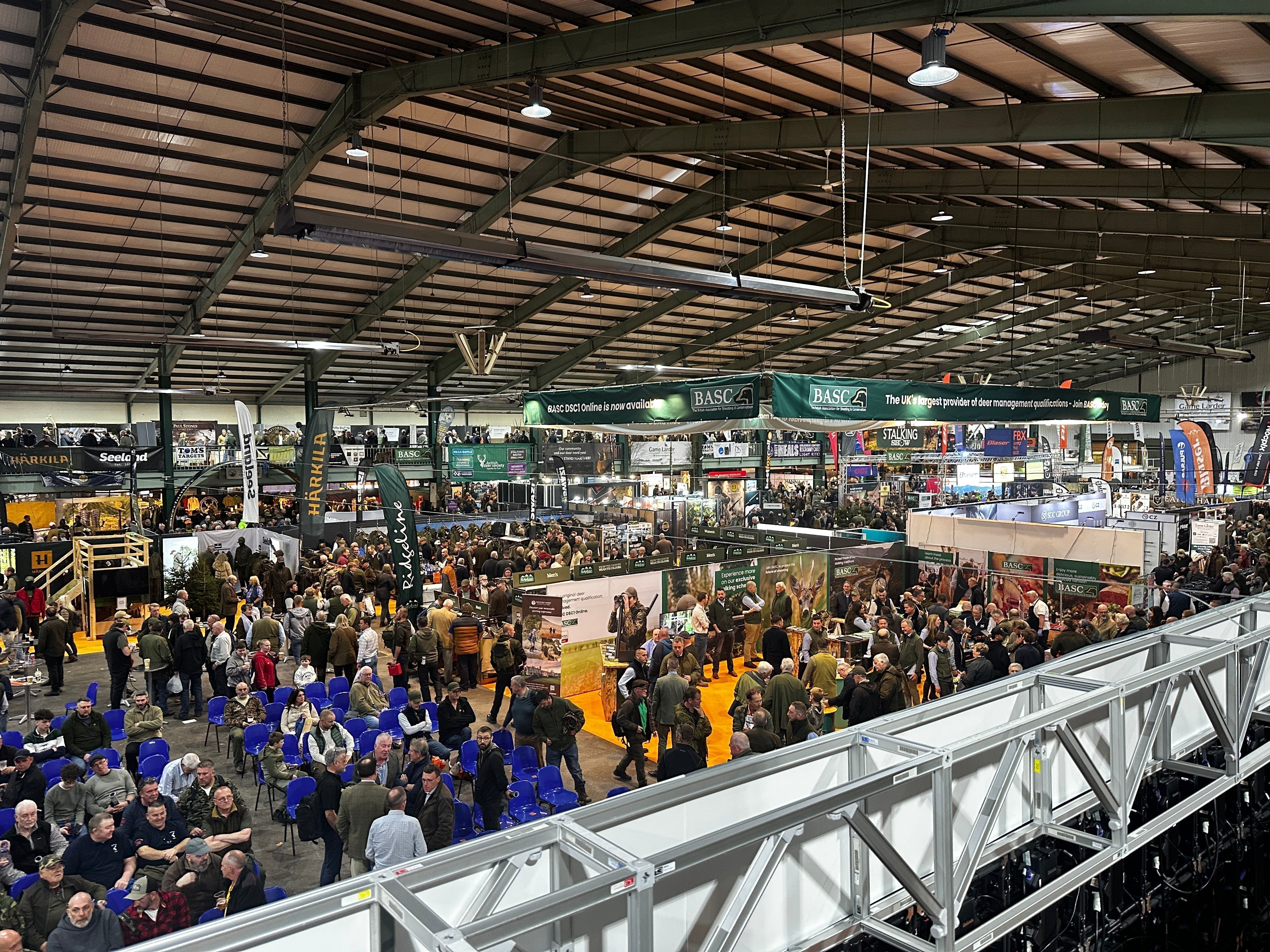
The Stalking Show 2026 - Good Company, Honest Conversations, and a Few Thoughts Worth Keeping
Our Stalking Show review looks beyond the spectacle to the parts that actually matter: practical venue layout, the people worth speaking to, honest conversations with brands including Blaser UK, GM...

PDS1, PDS2, DSC1 or DSC2? Why Choice and Learning Environment Matter
We now offer PDS1 and PDS2 assessment on clients’ own land, giving candidates a calmer, more realistic setting in which to demonstrate field competence. This article explains why familiar ground ca...

HIKMICRO Habrok HH35L: A Working Field Review
There is a difference between kit that looks impressive in a retailer’s cabinet and kit that earns its place after a couple of months of real use. Most people in our line of work know that differen...
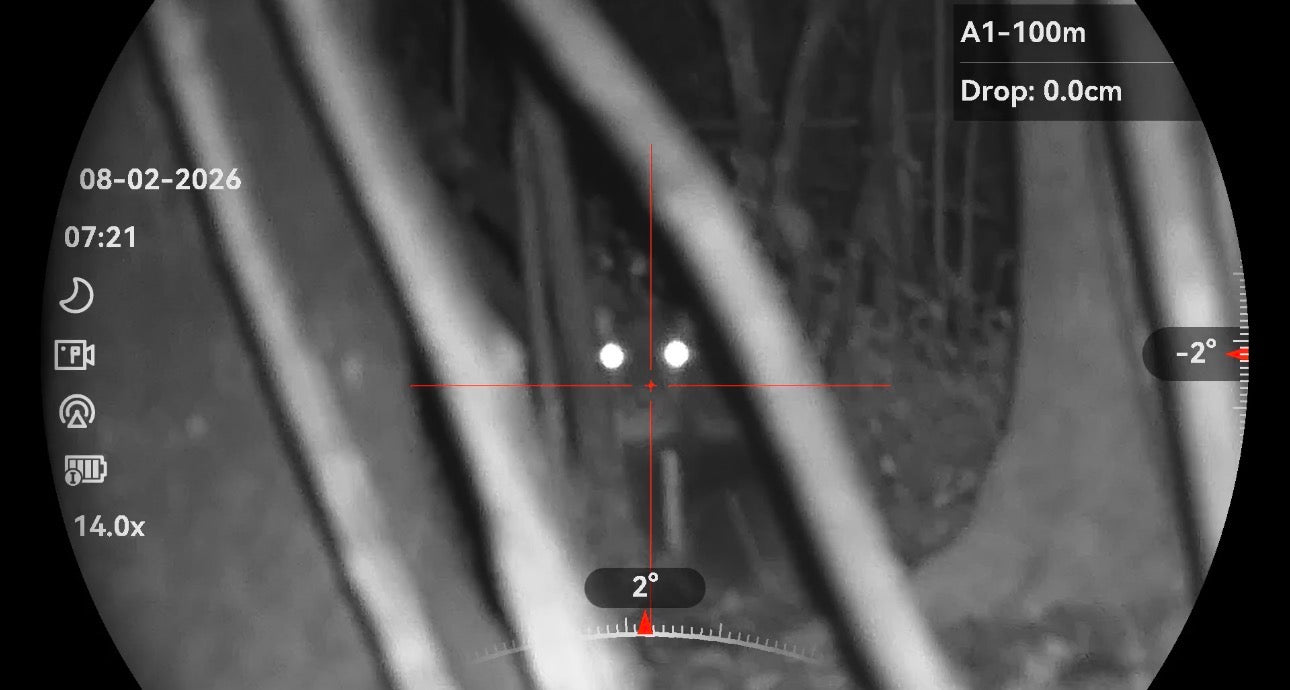
To Thread or Not to Thread: Why Tight Woodland Shots Demand More Restraint, Not More Confidence
To thread or not to thread is not a question of confidence, it is a question of welfare and judgement. This article explores why woodland deer shots through cover carry greater risk than many shoot...
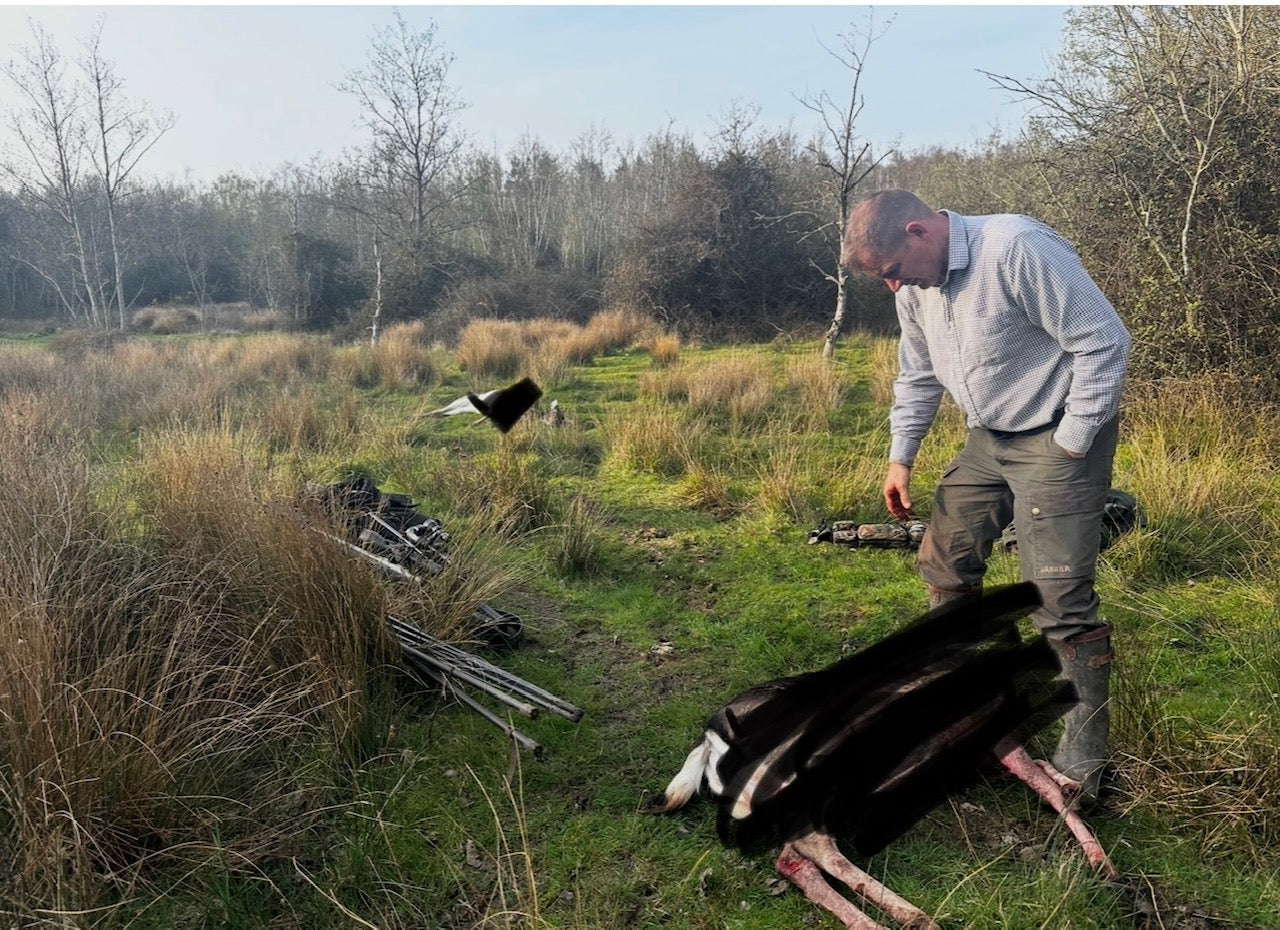
Five Hours to Get Them Out: Why Extraction in Lowland England Deserves More Respect
Deer extraction in lowland England is often harder than people realise, especially when recovering fallow deer in wet woodland with poor access, ancient ditches, coppice and manual drag routes. Thi...
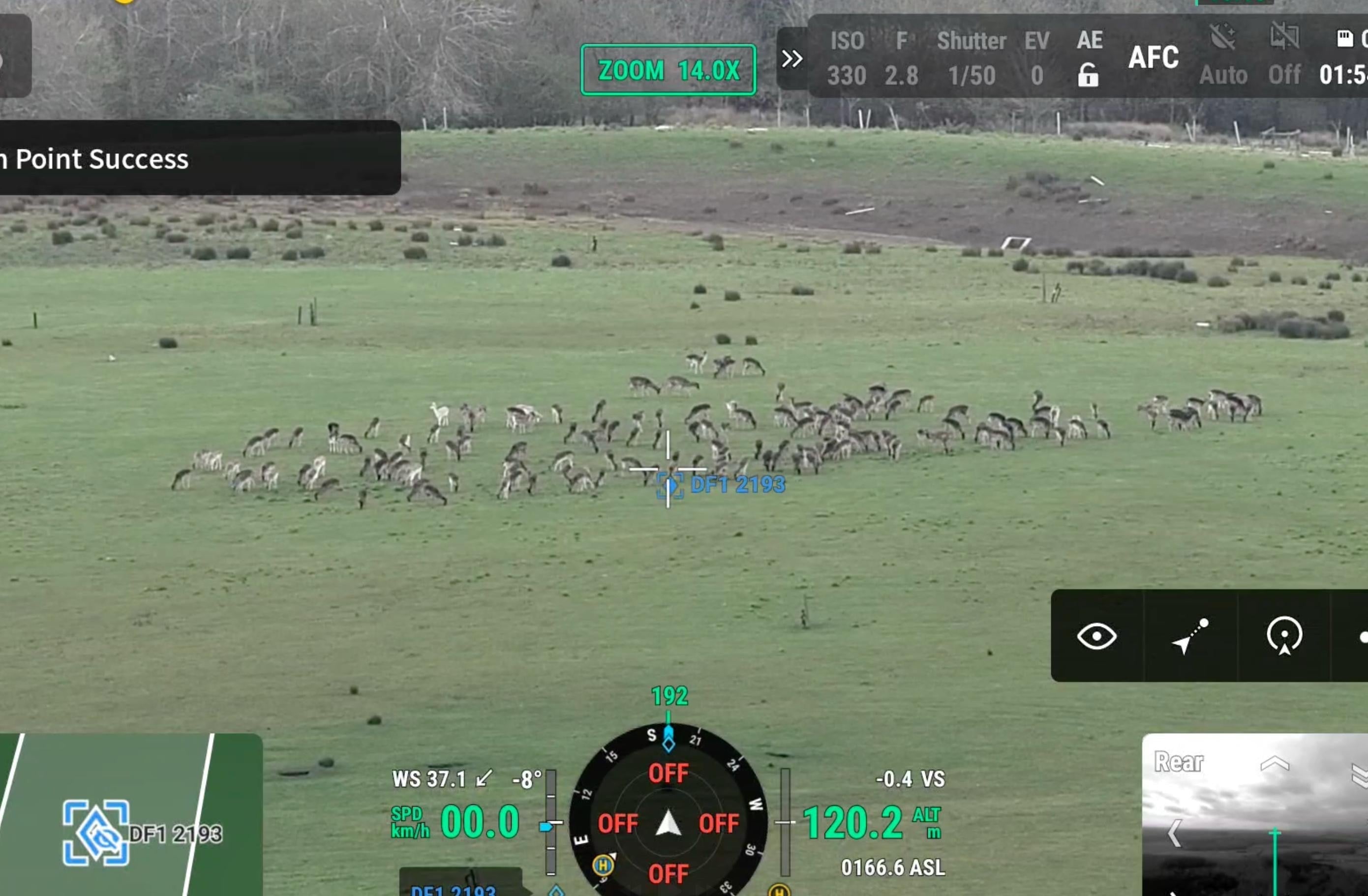
Deer Behaviour, Pressure, and Why More Effort Does Not Always Mean Better Results
CWS1 is rightly orientated toward practical work on the ground and the reduction of deer impacts, but any funded system carries the same temptation. People drift toward what is easiest to count. Ho...