There is a tendency, especially among experienced stalkers, to treat a spotter as optional. Useful on unfamiliar ground, perhaps, or on a big night when you want to cover more. But if the work is being done properly, particularly under Natural England night licence conditions, the spotter is not a luxury. They are part of the safety system.
That is true even when operating within the one-hour rule. The hour does not remove risk. It compresses it. Light drops quickly, detail disappears, and woodland starts to behave like a series of visual traps. Angles look cleaner than they are. Tree trunks and branches sit exactly where you do not want them. A background that feels readable becomes uncertain the moment a deer takes two steps and changes the whole picture.
If you are working on sensitive, public-facing ground, you are not only trying to be effective. You are trying to be defensible. That means building a workflow that reduces risk by design, rather than relying on confidence and habit.

A night where nothing was culled, and why that matters
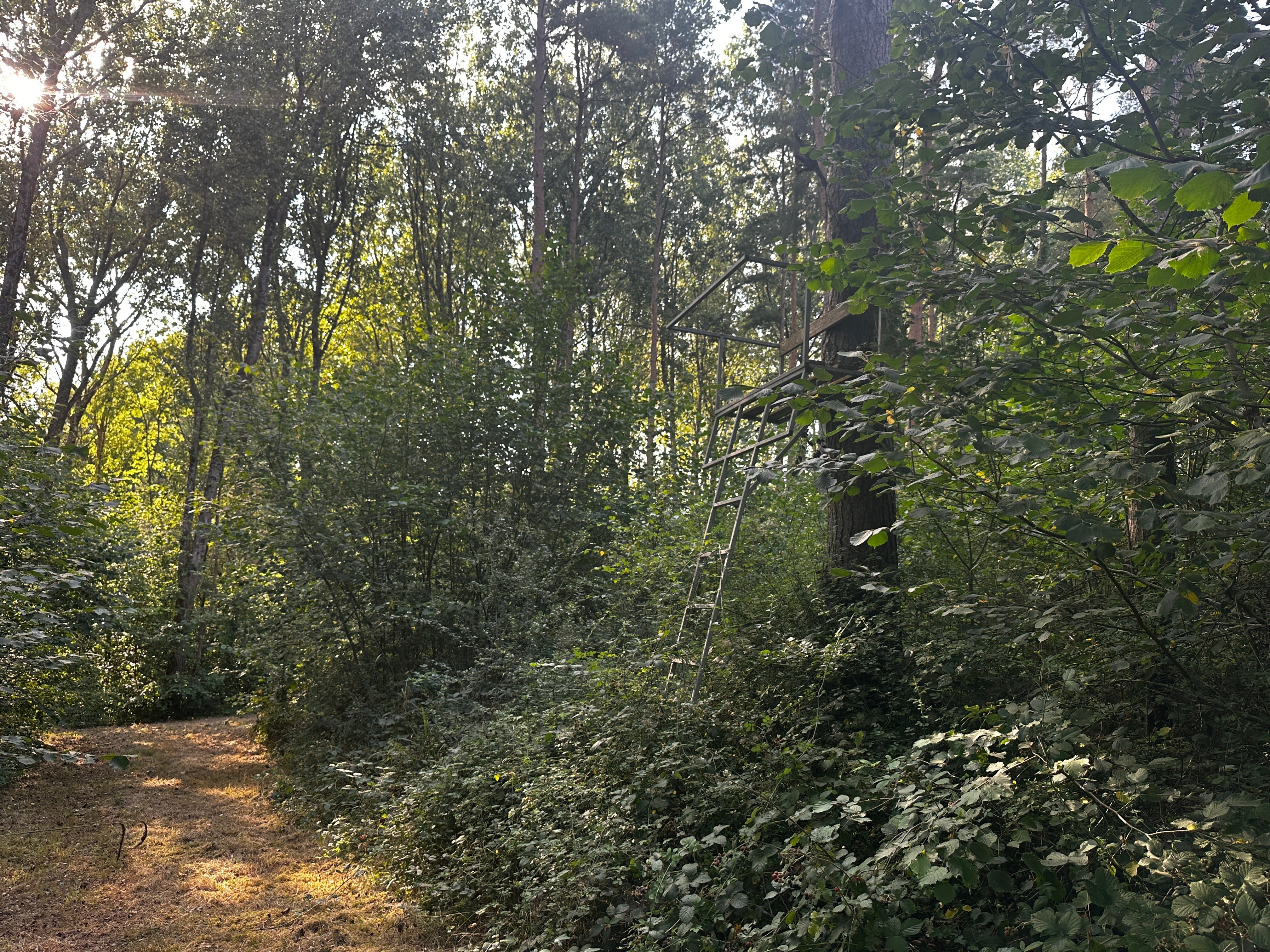
We were out on contract last night and, frustratingly, nothing was culled. Deer were present, but the site did not offer safe shots. No reliable backstops, trees exactly where you needed clean lines of sight, and animals generally on the hop.
That is the reality of this work. Not every outing ends with a result, and forcing it is how mistakes happen. A lot of people talk about professionalism as if it is measured in carcasses. In practice, it is often measured in restraint. It is the discipline to walk away when the margins are not there, even when the contract is pressing and the deer are on their feet.

Even so, the evening was not wasted. It builds the picture. You confirm movement routes, pressure points, where deer are breaking into cover, where they are holding, and which areas consistently present temptation without being defensible. You also tighten your own movement and positioning for the next attempt. On smaller parcels and woodland blocks, that matters.
Deer learn quickly. Access mistakes travel further. You cannot treat each outing as a blank slate.
What a spotter actually contributes, beyond “finding deer”
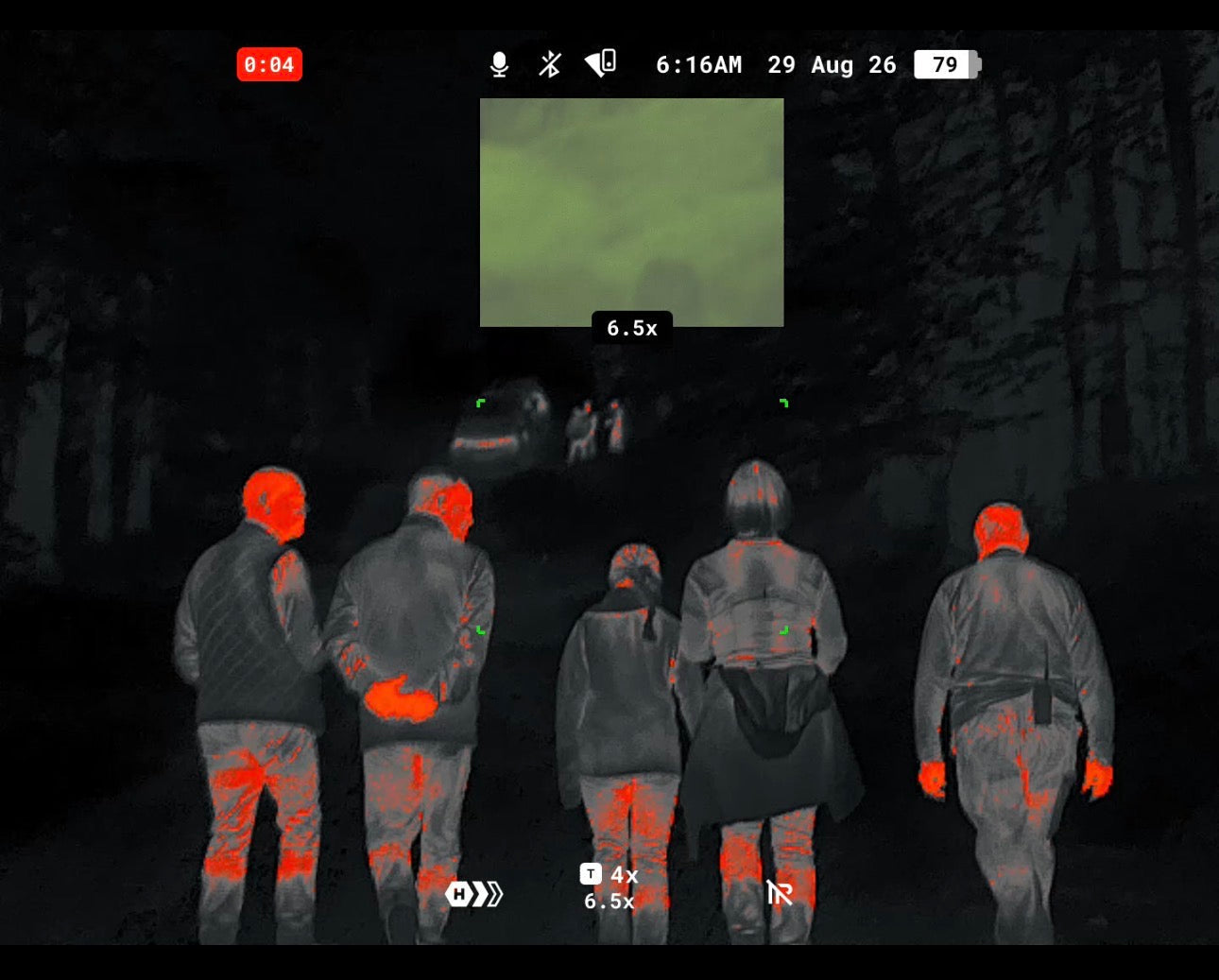
Andy and I have been working together for years now. When we are out, we rarely need to speak. One person reads the deer and the ground in front of us. The other reads the wider context: backstops, angles, what sits beyond the line, and where the margin for error begins to collapse. Last night, on the night licence, I took the lead with the rifle and Andy acted as spotter.
That division of labour keeps the process calm. It also stops the person carrying the rifle trying to do two jobs at once.
A good spotter is not simply scanning for deer. They are constantly running a parallel assessment in the background. They are watching where the deer are likely to move next, which direction offers a safe stop, where the ride opens into uncertainty, whether a tree trunk is masking your true line, whether the ground drops away, whether the deer is moving towards a boundary, and whether the opportunity you think you have is actually defendable if you had to explain it later.
That is what people miss. The spotter is not there to make you more successful. They are there to stop you becoming casually unsafe in pursuit of success.

“No safe backstop” is not a frustration, it is a boundary
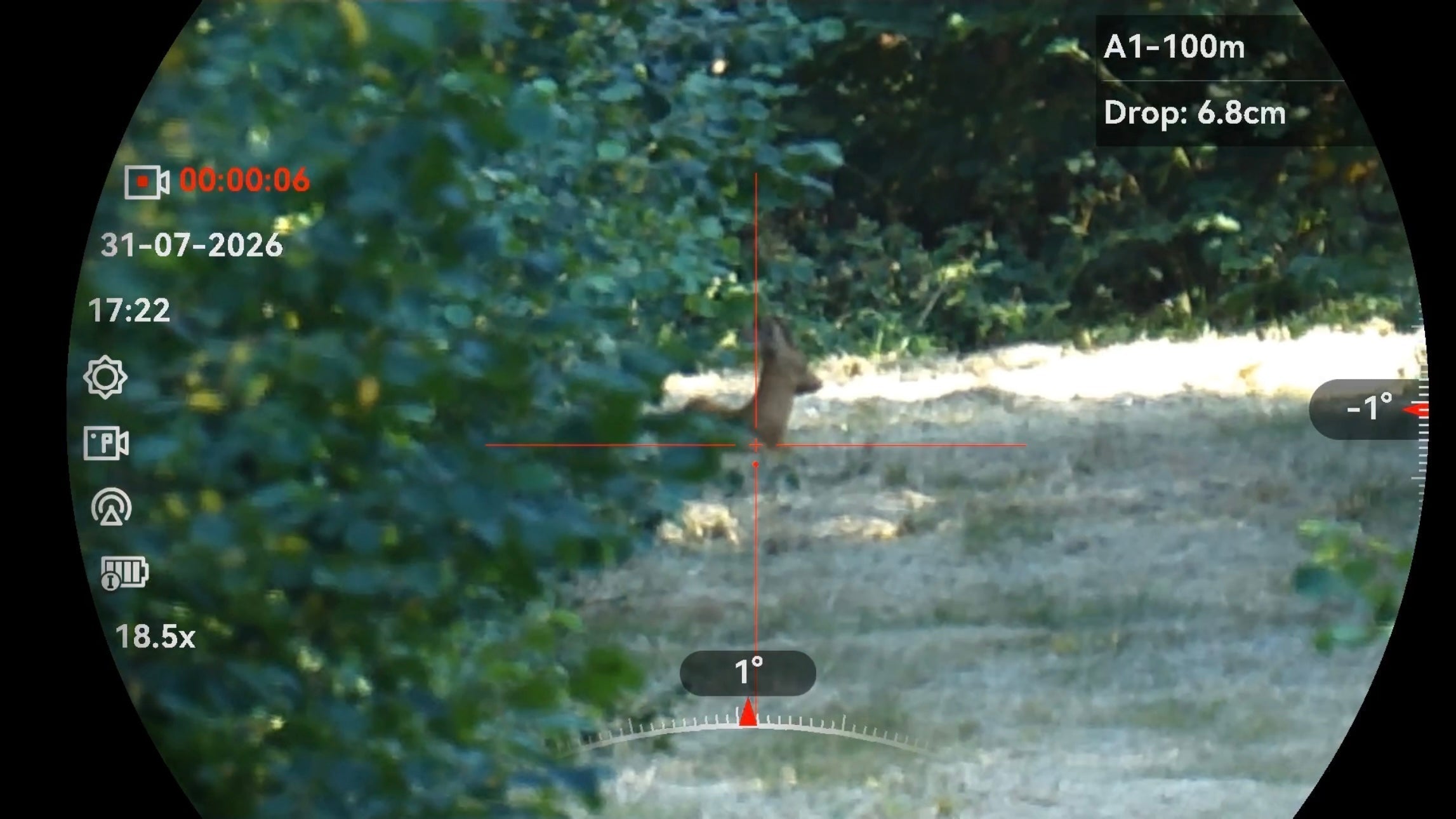
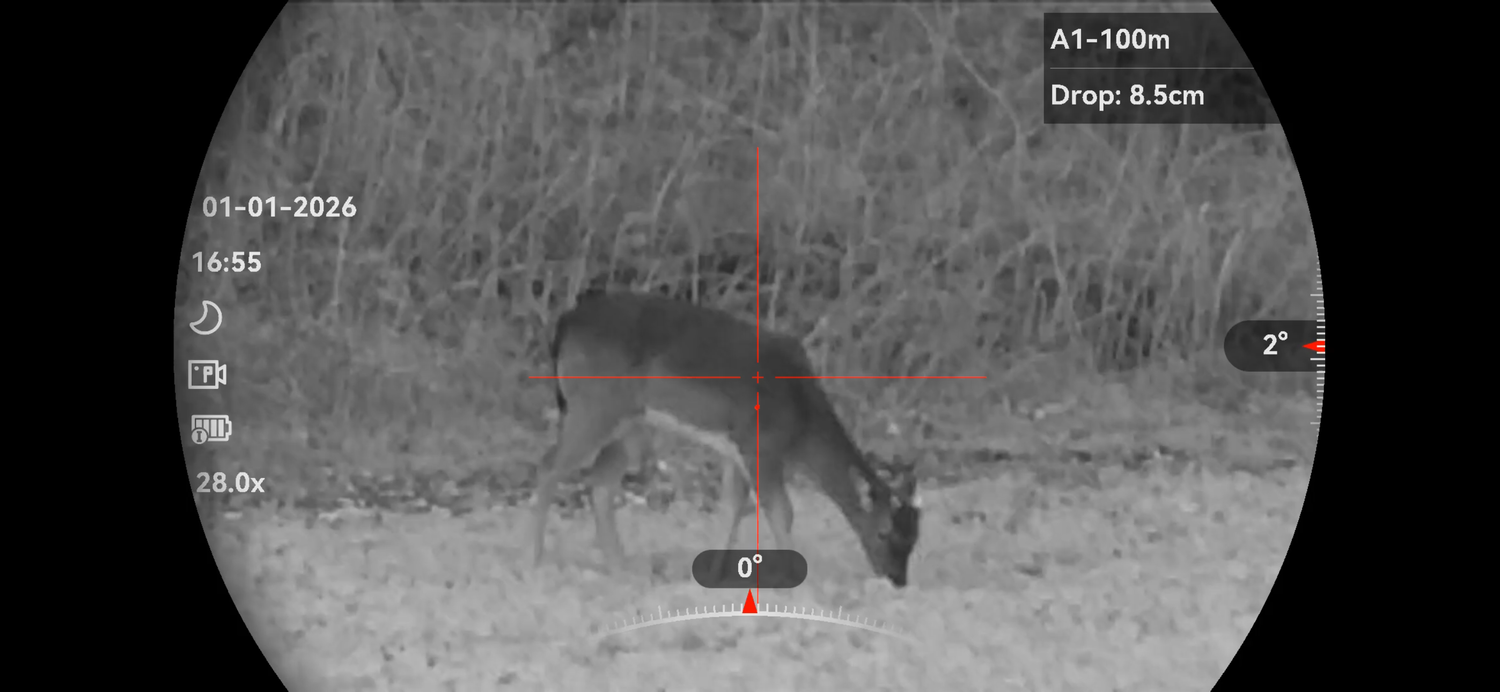
Woodland creates visual deception. A ride can look open until the deer is standing in front of a trunk, or the line carries through into ground that you cannot fully confirm. A gap that looks clean in the optic is rarely the whole story. In darkness, that problem increases. You think you have clarity, but you only have a narrow slice of it.
A spotter helps you see those problems earlier, before you have settled in and mentally committed. They can call it cleanly. They are not carrying the rifle. They are not fighting the internal pressure of “making something happen”. That emotional separation is valuable because it reduces rationalisation. It keeps the standard clear. If the backstop is not there, the answer is no. Full stop.
Tools that genuinely help without replacing judgement
Night work is one of the few areas where technology can improve safety if it is used with discipline. The HIKMICRO HABROK binoculars and the HIKMICRO APEX 4K have made our workflow quicker and more seamless in low light, not because they magically make the job easier, but because they allow the roles to stay separated.
The spotter can scan continuously with the Habrok without breaking the shooter’s focus. The shooter can keep their attention on the safe shot process rather than constantly switching between scanning and aiming. That reduces confusion, reduces movement, and reduces the chance of a rushed decision.
Used properly, the tools support a calmer workflow. They do not replace the fundamentals. They simply help you apply those fundamentals more consistently in conditions where your natural senses are under pressure.

The follow-up is where a spotter becomes priceless
Even on nights where nothing is taken, you are still learning how deer react to your presence and how they use cover. But when a shot is taken, the value of a spotter increases sharply.
A spotter who has maintained continuous visual can mark last known position, direction of travel, and point of entry into cover. They can guide follow-up without guesswork. That reduces disturbance, reduces wasted time, and improves recovery outcomes. It also creates a cleaner record of what happened, which matters on sensitive sites where accountability is part of the job.
Why this matters under Natural England licence conditions
Licence work exists because the ground is often pressured, sensitive, and under scrutiny. That scrutiny is rarely just about whether you can shoot. It is about whether your process is robust, whether your decisions are consistent, and whether your behaviour would stand up to questioning.

A spotter strengthens that process. It demonstrates that you are taking risk seriously enough to build redundancy into your approach. It shows you are not relying on one person’s confidence alone. It makes the whole operation calmer, and calm is usually the condition under which good decisions are made.
Night licences are not permission to shortcut. They exist to support necessary control where other methods are not sufficient. In those contexts, a spotter is not just helpful. It is part of what good looks like.
The Deer Initiative provide some guidance on night shooting here: Night Shooting Guide

Police notification response, records contact.
It is tempting to measure a night by what ends up in the chiller. Tonight, nothing did. That can feel frustrating, particularly when conditions are already difficult.
But the real measure is whether you kept the work safe, calm and defensible. Whether you resisted forcing outcomes. Whether you left with a clearer picture than you arrived with.
That is what a spotter supports.
When the margins tighten, the best answer is not more pressure. It is better structure. A good spotter, paired with disciplined tools and a repeatable workflow, is one of the cleanest ways to keep night work safe, ethical, and effective over the long term.