One of the quieter challenges in deer management is not just what happens on the ground today, but who will be doing the work in ten or twenty years’ time. Herds will still be here. Woodlands will still need protecting. Grants and regulations will keep shifting. The real question is whether there will be enough people with the skills, judgement and resilience to do the job properly.
That is why we have been keen to support Milly on her college work placement with Wildscape Deer Management. It is not a token gesture or a box-ticking exercise. It is a deliberate choice to bring someone younger into the reality of professional wildlife management and to give them meaningful responsibility.
What Milly Is Doing With Us
Milly joins us one day a week as part of her animal care and land-based studies. Her time is spread across several areas because deer management is far more than pulling a trigger or walking around with binoculars.
Some of her work is straightforward but essential. Office administration, filing, inputting records, and helping to keep cull data, impact assessments and site notes organised. These tasks quietly underpin grant applications, CWS1 compliance and communication with landowners. If the paperwork is wrong, everything downstream becomes harder.
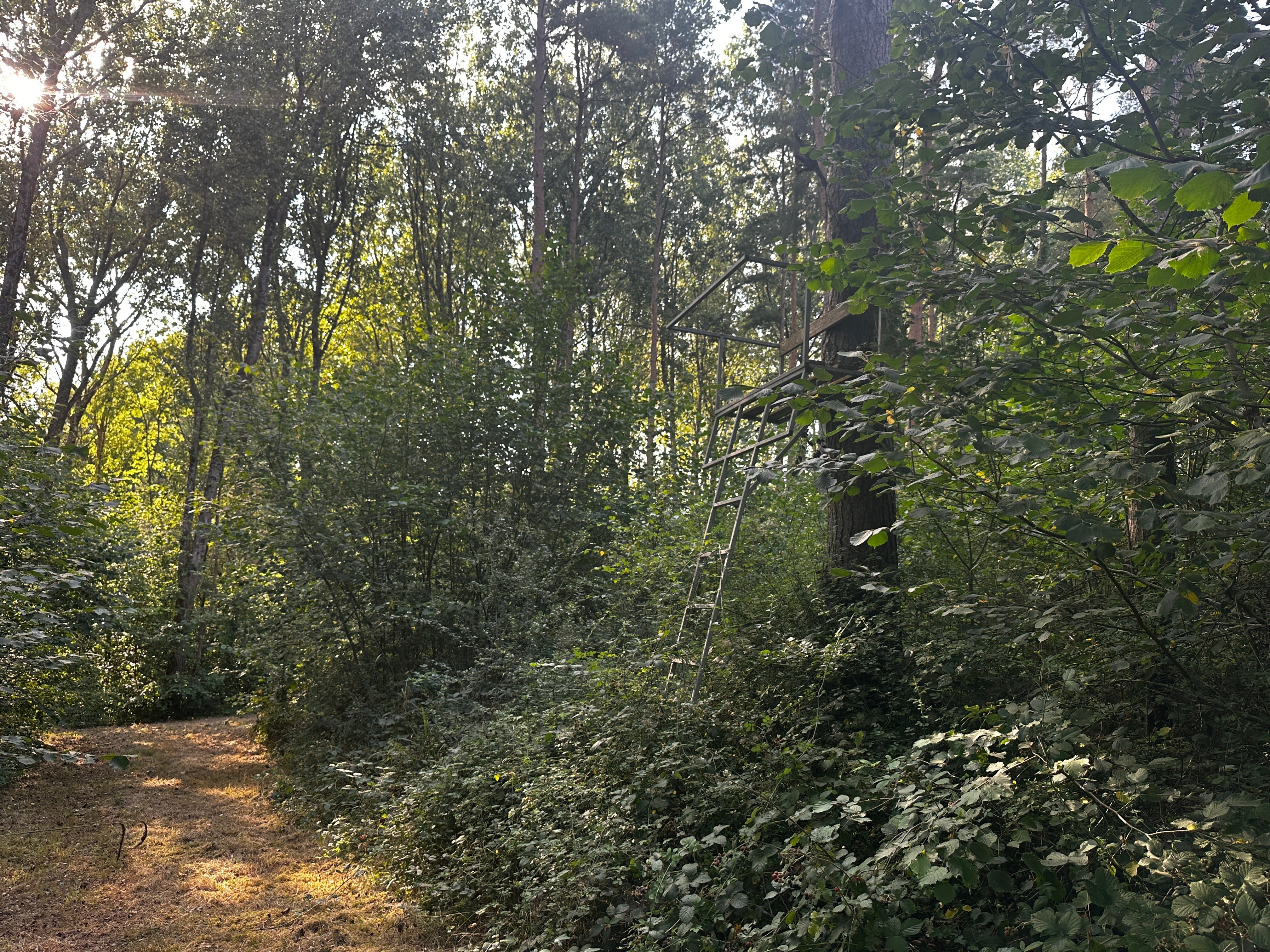
She also helps with equipment maintenance. Rifles, vehicles, thermal units and high seats all require care. Seeing that side of the work early reinforces the idea that safety and reliability begin long before anyone climbs into a high seat in the dark.
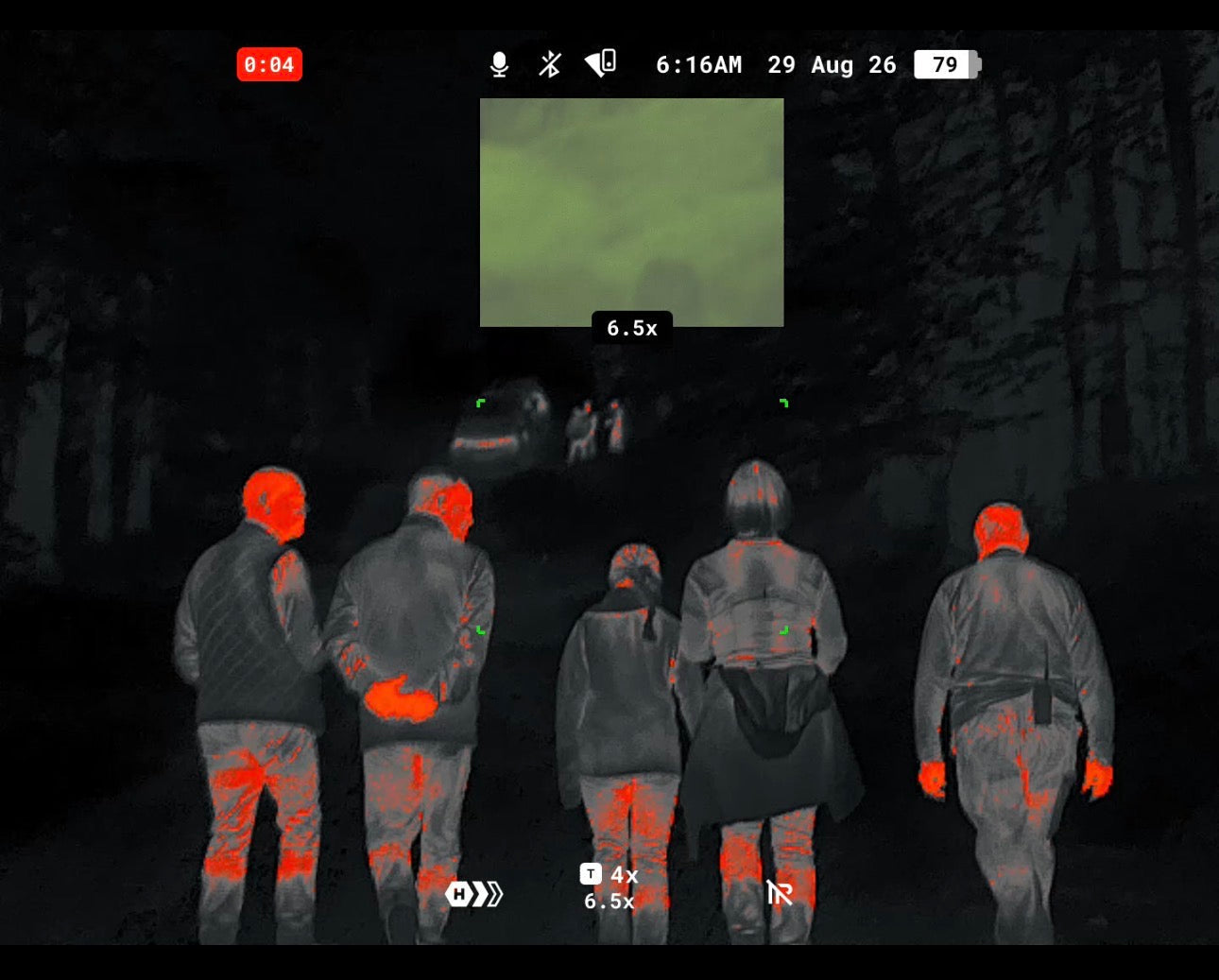
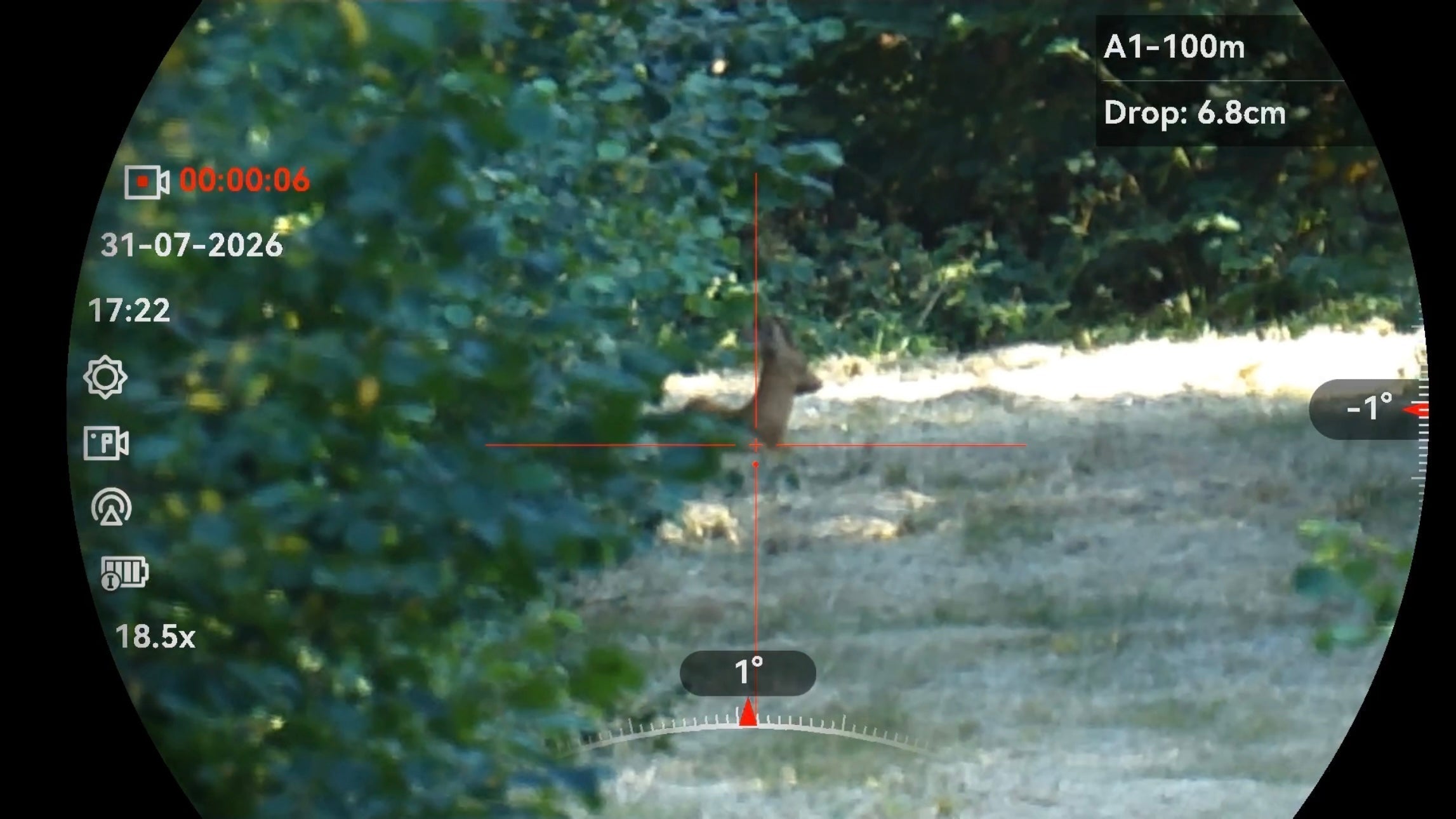
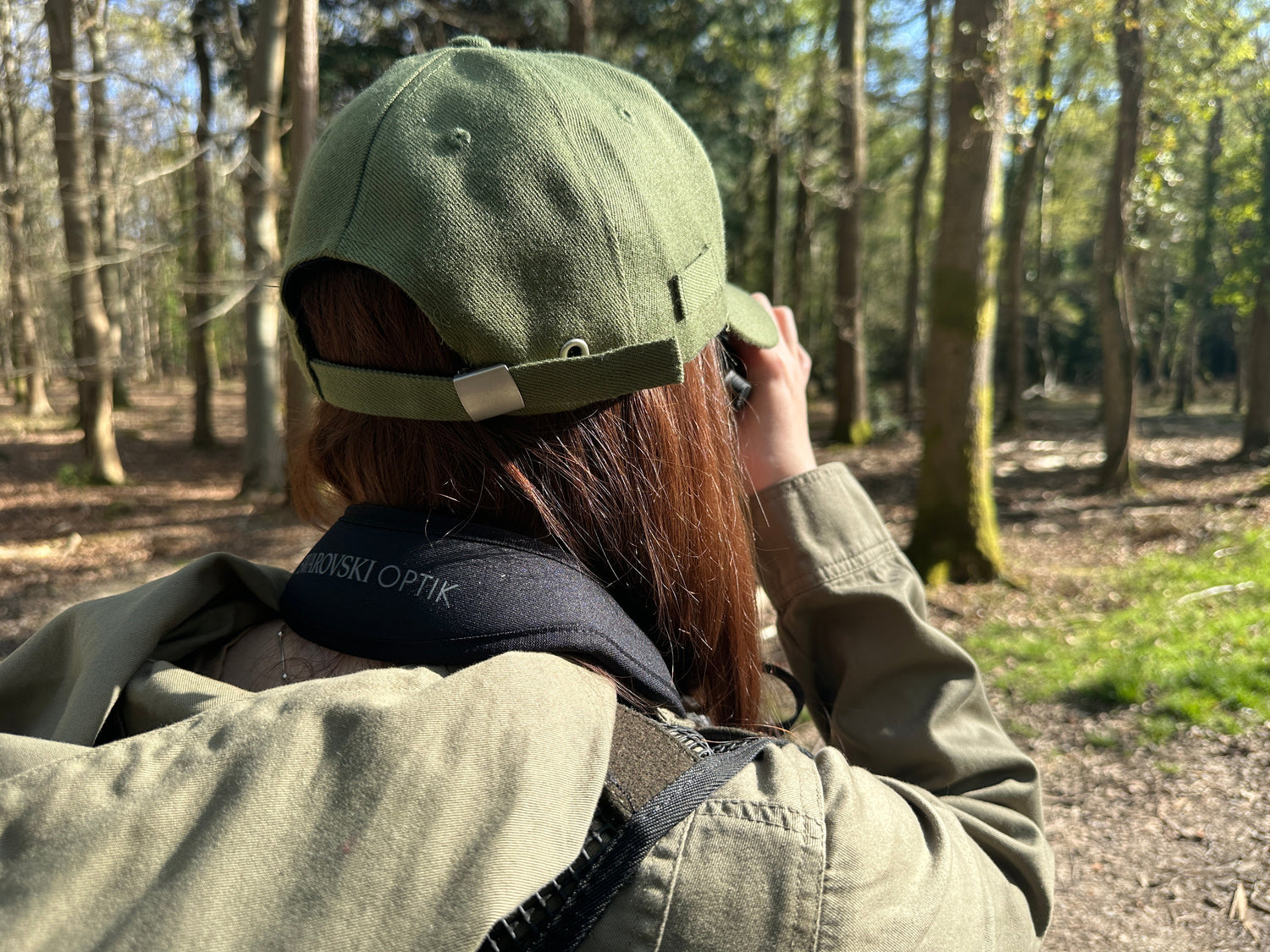
On other days she comes out on site visits. That includes walking woods to assess browsing pressure, checking exclusion plots, or sitting quietly with optics observing deer without firing a shot. We talk through what we are seeing: ground flora, regeneration, faecal density, trails and field signs. Her role is not to stand silently behind us. It is to ask questions and begin forming her own interpretation of the ground.
Animal welfare runs through the placement as well. From how carcasses are handled in the larder to assessing whether an animal is fit to shoot, she sees the complete process rather than just the end result. Humane dispatch looks very different in the field than it does on a classroom slide.
In short, she is not being handed a clipboard and left in the corner. She is being exposed to the full range of what professional deer management looks like during a normal working week in Sussex.
Why Bringing Young People In Matters
Placements like this matter for several reasons, all of which go beyond one student completing 150 hours for a course.
The first is continuity. Much of the knowledge in deer management lives in people’s heads, not textbooks. How fallow use a particular valley. How roe behave on the edge of vineyards compared with dense coppice. How local herds respond to pressure from neighbouring shoots. Unless someone younger is brought in to witness these patterns, they disappear the moment the current generation steps aside.
The second is honesty. Young people interested in wildlife will form an opinion about culling whether they are involved or not. It is far better that those opinions are shaped by seeing measured, professional practice rather than online caricatures or emotional headlines. Placements show that for every shot fired there are many hours of observation, planning and debate. They make clear that the aim is healthy herds and functioning ecosystems, not numbers on a larder sheet.
The third is standards. If the industry is to progress, we need people entering it who see high standards as normal. Accurate record keeping, safe rifle handling, respect for landowners, thoughtful communication with the public. These habits are easier to learn early than retrofit later.
What We Learn From Having a Student With Us
Placements are not a one way street where the professional simply teaches the student. In practice the learning is mutual.
Explaining what you are doing sharpens your own thinking. Why leave a particular group of animals alone. Why target females in one area and young males in another. Why accept browsing in one wood but not in another. Honest questions from someone new to the work force you to articulate reasoning rather than rely on habit.
You also see your work through fresh eyes. Long days, familiarity and repetition can dull your sense of how unusual this profession is. Watching someone see their first proper woodland dawn, or their first close encounter with a fallow herd, is a reminder of why many of us started.
There is also a practical benefit. Milly, like many in her generation, is naturally comfortable with technology. Mapping tools, recording apps, communication platforms, basic research. Giving her room to contribute there improves what we do, not just what she learns.
Solitude, Support and Mental Resilience
Deer management can be solitary and occasionally heavy. Long hours alone in poor weather, making decisions that carry moral and legal weight. Anyone entering the field needs a realistic understanding of that reality, not a romanticised version of countryside work.
Part of our responsibility during a placement is to model how to handle that solitude well. That includes debriefing after difficult outings, talking honestly about mistakes and near misses, and showing that seeking a second opinion is a sign of professionalism, not weakness.
You cannot shield someone from every difficult aspect of the job, and nor should you, but you can give them a framework that makes it manageable. That might be as simple as discussing sleep, fitness and how many early starts are sustainable, or as specific as analysing a shot you elected not to take.
If we want young people to remain in the sector, they need to see not only the work but a sustainable way of engaging with it.
Setting Realistic Expectations About Wildlife Careers
One of the goals of a placement is to set realistic expectations. Wildlife management is not a straight path from college to dream job. It is a mix of early mornings, paperwork, slow progress, setbacks and the occasional moment that makes everything worthwhile.
We talk openly about the less glamorous parts: traffic after a long outing, public complaints, grant paperwork, balancing several estates with competing expectations. Not to discourage, but to present the full picture.
If, after seeing all of that, someone still wants to pursue the field, you know their interest has depth.
A Small Step With Wider Implications
Supporting Milly’s placement will not solve the wider succession challenges in deer management. It will not reduce fallow numbers or guarantee the sector’s long term resilience. But it is one practical, concrete thing we can do within our own sphere of influence.
Every time a professional outfit hosts a placement properly, it strengthens the culture of the sector. It signals openness, transparency and a willingness to invest in those who may follow us.
In the long run, that matters as much as any single season’s cull figures. Healthy herds, resilient woodlands and effective grant schemes all depend on people. Those people do not appear from nowhere. They are encouraged, mentored and given opportunities.
At Wildscape Deer Management, we see Milly’s placement as part of that process. A way of passing on knowledge, testing our own assumptions and keeping the door open for young people who care about the countryside and are willing to do the hard, quiet work behind it.
If you are a landowner, agent or organisation in Sussex interested in supporting placements in wildlife or habitat management, we would encourage you to consider it. With the right structure and expectations, everyone stands to benefit: the student, the host and the landscapes that will be in their care long after we have stepped aside.