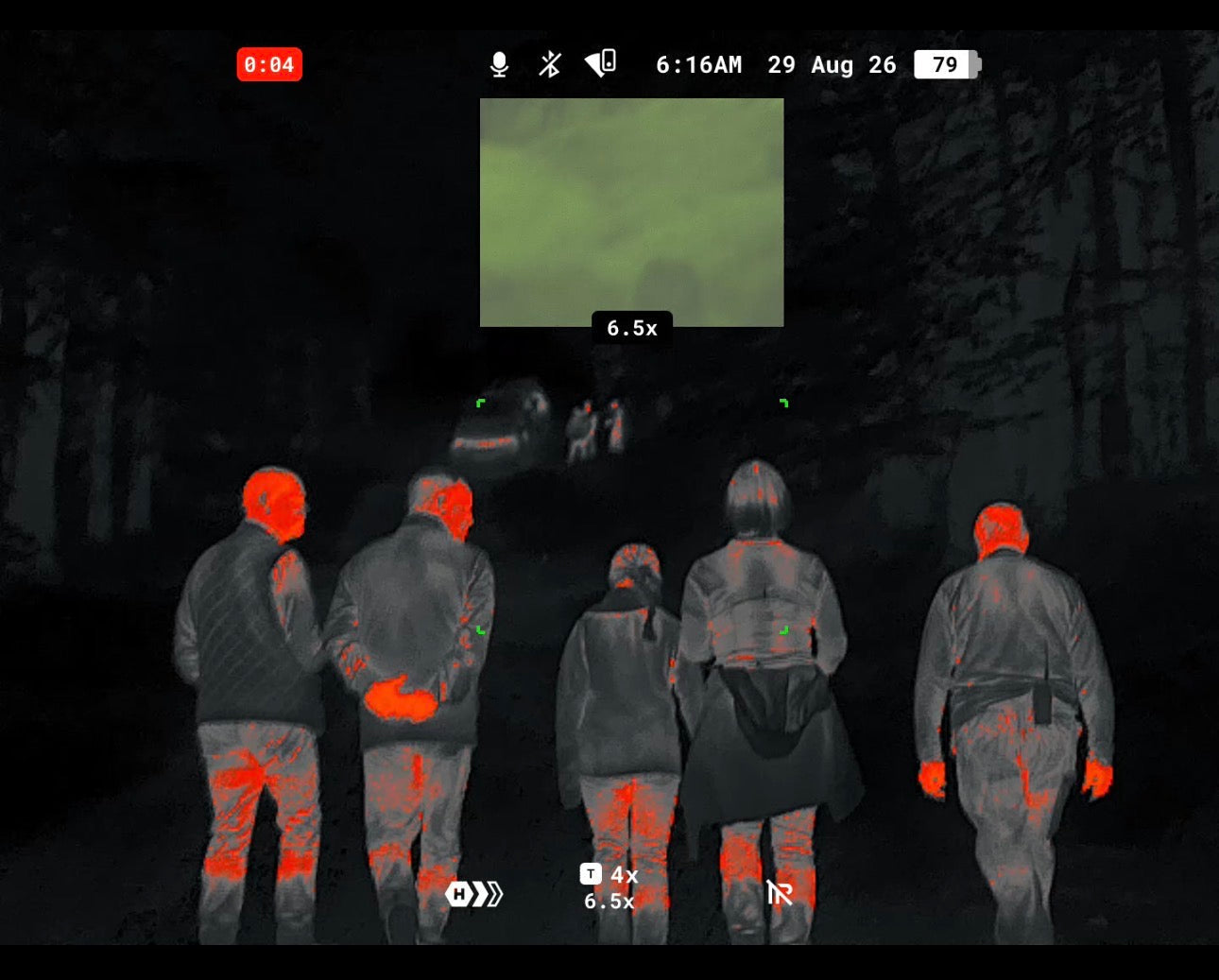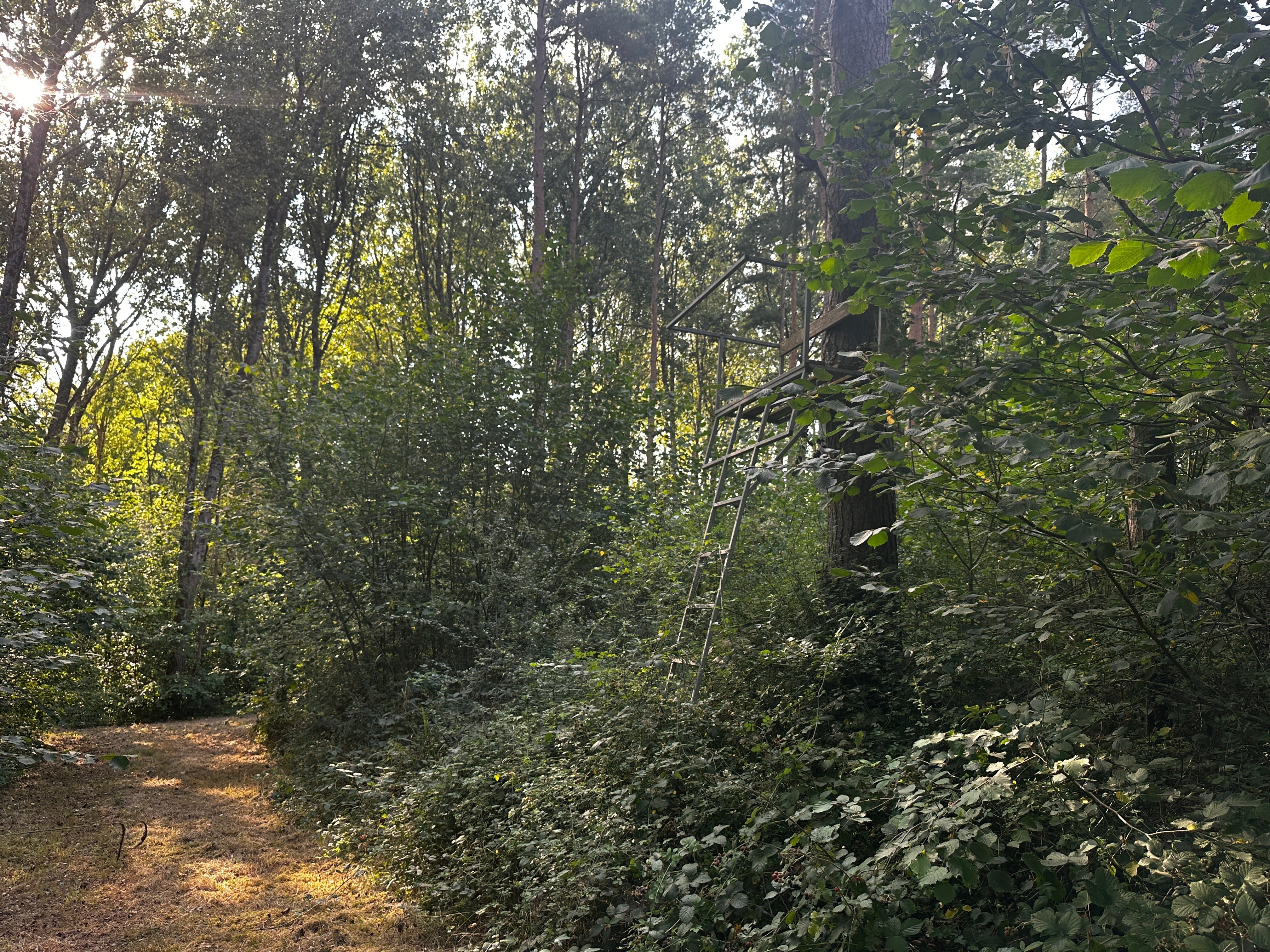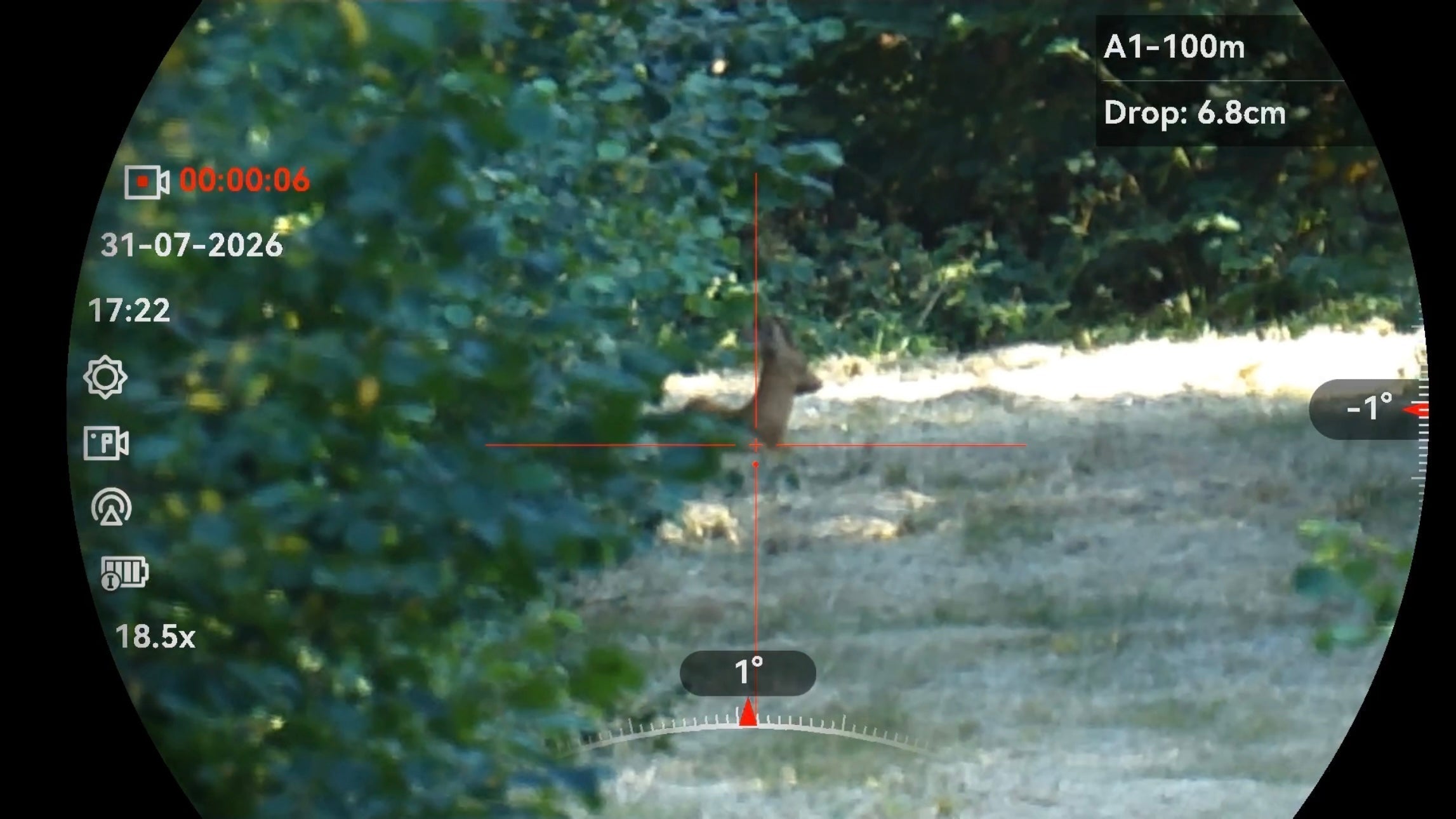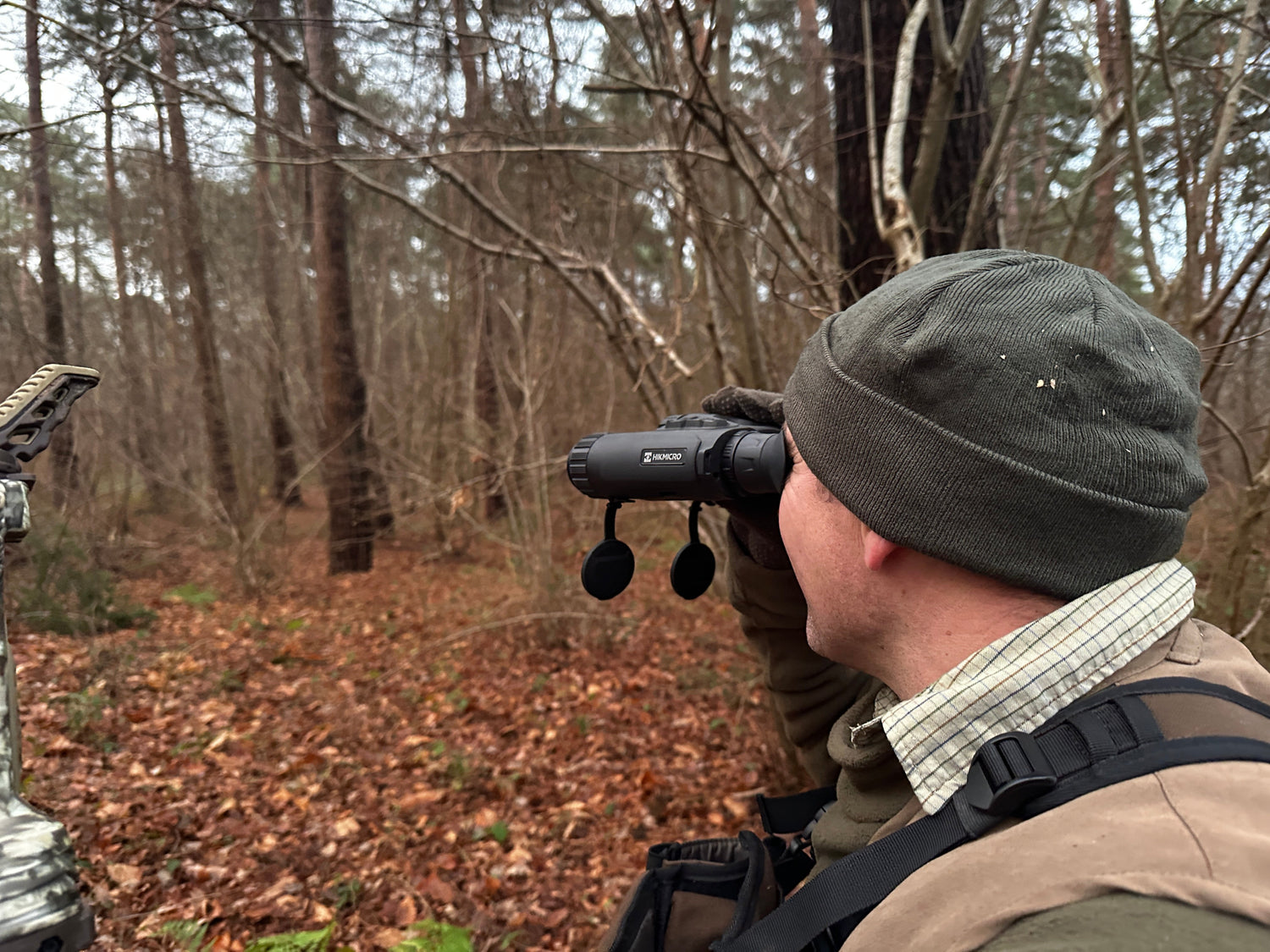
With the wind stopping a few sites this week, it was good to get back onto one of my favourite contracts at the far end of the county. Around a hundred acres of woodland, split into a real mix of parcels: coppice alongside conifer, wet low spots through to higher, drier ground.
It is not a vast estate, and that is part of its charm. It is a working-sized woodland that demands attention. For a relatively small area it offers a surprisingly varied range of ground types and operational conditions, which keeps you thinking and keeps you honest. Every block asks a different question, whether it is access, wind, backstops, extraction, or simply how deer are using the cover on the day.
Who doesn’t love a challenge.
But there is a second reason I value woods like this. They mirror the reality for a great many landowners across Sussex and the wider South East. Not everyone owns five thousand acres with a keeper team and a long-established cull programme. Many people have a woodland that sits somewhere between “too big to ignore” and “too small to justify full-time management”. These are exactly the woods where deer quietly do the most cumulative damage, because effort becomes intermittent, reactive, and financially awkward.
This article is written for that smaller woodland owner, particularly those dealing with sensitive ground, public access, and the uncomfortable feeling that you are being told to manage deer but you are not being given an easy route to afford it.
A hundred acres that behaves like five different woods
Small woods are often dismissed as simple. They are anything but. In a large holding, you can usually find options. If wind is wrong for one valley, you move to another. If access is awkward, you choose a different compartment. If the deer are off the feed, you work a boundary line, or you sit a different ride.
In a smaller woodland, you do not have that luxury. The mix of parcels becomes your whole world for the evening. A wet hollow will funnel movement differently from a dry ridge. A block of conifer will hold deer in a way that a coppice edge will not. Bracken on the ground will change what you can see, how you can recover carcasses, and how much noise you make simply getting into position. The same wind that is manageable on high ground becomes a problem in the low spots where it eddies and swirls.
And because it is only a hundred acres, every small mistake has a larger effect. Disturbance travels further. Deer learn patterns quickly. If you are careless with access, they do not just drift into another block. They leave the wood entirely, or they shift into the one awkward corner where you cannot work safely.
That is why sites like this keep you honest. You cannot hide behind scale. You have to manage properly.

Wind, access and backstops: the quiet constraints that drive everything
In deer management, wind is not just an inconvenience. It is a constraint that shapes everything else. It determines where you can approach from, what sits you can make work, how close you can get without blowing the entire wood out, and how reliably you can read what is happening ahead.
Backstops matter every time, but in small woods they matter more because safe angles can be limited. A ride can look inviting until you remember what sits beyond the next bend. A deer can stand perfectly framed until the moment you realise there is no safe margin behind it. The most professional act, more often than people like to admit, is not taking the shot.
For the smaller woodland owner this is where risk creeps in. You might only have a handful of “good” opportunities in a month. If you are trying to manage the problem yourself, it is easy to feel pressure to act when the moment arrives. That is how mistakes happen. Not from malice, but from constraint.
Extraction and recovery: the part that makes or breaks standards
The work includes what happens after the shot.
On a site with wet low spots, thick bracken, and mixed parcels, extraction is not a footnote. It shapes decision-making before the trigger is ever touched. If you know recovery will be difficult, you build that into your choices. You choose positions that allow clean follow-up. You avoid putting deer into places where recovery becomes a wrestling match in darkness. You think about the route out before you commit to the route in.
This is one of the areas where small landowners managing deer themselves often get caught out. They can be very capable of the stalk and the shot, but they have not yet internalised that recovery is part of the welfare equation. A deer taken cleanly is only half the job. Recovery, hygiene and handling are the other half. In awkward woodland, that is where professionalism is either maintained or quietly lost.
Sensitive sites change the whole equation
Many woods in the South East sit within, alongside, or upstream of sensitive habitats. Some are designated. Some are not formally designated but still carry high ecological value. Either way, the consequences of unmanaged deer pressure are often most visible in precisely these places.
On sensitive sites, deer impact is rarely dramatic. It is patient. It shows up as missing regeneration, simplified ground flora, loss of structural diversity, repeated failure of planting, and a woodland that looks pleasant from a distance but has no future architecture beneath the canopy.
If you own or manage a site where a Forestry Commission deer officer, an ecologist, or a woodland advisor has flagged deer as a limiting factor, take that seriously. It usually means that your woodland objectives are now constrained by herbivory, not by your planting plan.
The challenge is that sensitive sites can also make deer management more complex. Public access is often higher. Reputation risk is higher. Compliance and reporting expectations are higher. And the work needs to be delivered with discipline rather than occasional enthusiasm.

Why deer management may not be cost effective as a full-time role on small woods
A hundred acres can hold a deer problem that feels constant, but that does not automatically translate into enough consistent work to justify a full-time deer manager. This is the financial dilemma smaller owners face.
If you bring in a full-time professional for a small holding, you can end up paying for availability rather than outcomes, particularly if access windows are narrow, weather is limiting, and deer movement is influenced heavily by neighbouring ground. You might find yourself funding effort that cannot always convert into results because the woodland is too tight, too disturbed, or too constrained by safe lines.
Equally, doing nothing is rarely cheaper. It just delays the bill until it becomes larger and uglier: repeated restocking costs, fencing, tubes, spirals, failed natural regeneration, and the slow reputational discomfort of being told your woodland is declining while you feel powerless to change it.
So what sits between those two failures is a more realistic model: targeted professional input, structured monitoring, and shared effort where possible.
Balancing the books without compromising the woodland
If deer management has been recommended on your site, there are a few practical ways to make it financially workable without pretending you need a full-time deer manager living on the holding.
The first is to pay for clarity before you pay for volume. A short, well-structured site assessment can identify where impact is occurring, where safe control can realistically be delivered, and what effort might be required across a season. That prevents you paying for random outings that create disturbance but do not change outcomes.
The second is to focus on outcome-led work rather than “time served”. On smaller sites, paying for hours alone can become a disappointment for both sides. A better approach is often a clear scope that ties effort to habitat response, with records that show what has been done, where, and why.
The third is to coordinate with neighbours. Deer do not recognise boundaries. If you manage your wood in isolation while the adjacent ground is unmanaged, you can end up feeding a revolving door. A good deer management company can often help facilitate those conversations, because they are used to seeing the same deer moving across holdings and can help align timing and pressure so you stop working at cross purposes.
The fourth is to make recovery and venison handling part of the plan. On small woods, margins matter. Good carcass handling, a realistic approach to extraction, and sensible use of venison can help offset costs, particularly when the work is done consistently and hygienically. It will not fund the entire programme, but it can reduce the sense that deer management is purely a drain.
The fifth is to match method to sensitivity. On public-facing sites, the most expensive mistake is often the one that creates complaint, conflict, or reputational damage. If a professional team is operating with clear risk assessments, disciplined approach routes, and well-managed communication, that “soft” value becomes very real very quickly. You are not only paying for carcasses in the chiller. You are paying for the work to be delivered without the entire woodland becoming a public argument.
What a deer management company can do, beyond simply turning up
There is sometimes a misunderstanding that hiring a deer management company means outsourcing responsibility. In reality, the best relationships are collaborative.
A good company should be able to help you answer the hard questions before the season starts. Where is impact actually happening. What is the objective, protection of restocking, enabling natural regeneration, reducing crop damage, protecting sensitive ground flora. What constraints exist, public access, boundaries, backstops, wind, safe shooting arcs. What evidence will you need if the site is sensitive or under scrutiny. What is the realistic effort required to see a change.
They should also be able to advise you on infrastructure improvements that make deer control safer and more effective on small woods. Ride maintenance, access routes, high seat placement where appropriate, recovery routes, and simple changes that reduce disturbance.
And crucially, they can help you avoid the most common small-wood trap: sporadic pressure that educates deer, increases nocturnal behaviour, and makes the problem harder.
If deer control has been recommended by your Forestry Commission deer officer
If a deer officer has flagged deer pressure as a limiting factor on your woodland objectives, treat it as an early warning rather than a criticism. It usually means your woodland is at a point where intervention can still produce a meaningful improvement, if it is done consistently.
It is worth asking a few practical questions.
What feature is being impacted, natural regeneration, coppice recovery, restocking, ground flora. What level of browse is being seen, and where. What evidence would demonstrate improvement over time. What would a realistic programme look like given your access constraints, public presence, and woodland structure.
Those questions do not require you to become a full-time deer manager. They require you to take ownership of the problem in a way that is structured, measured, and financially realistic.
Why these mixed woods are worth protecting
A woodland like this, with coppice, conifer, wet low spots and high ground, is the kind of place that should respond well to the right deer management. It has structure. It has diversity. It has areas that can hold regeneration if browsing pressure is controlled.
But that will not happen by accident. It requires intention. It requires consistency. It requires the discipline to work within constraints rather than forcing outcomes when wind is wrong or the backstop is not there. And it requires a realistic approach to cost, one that acknowledges the woodland’s scale without accepting decline as inevitable.
That is why I value contracts like this. They demand proper thinking. They reward patience. They remind you that deer management is not about being busy. It is about being effective.
For the smaller woodland owner in the South East, that is also the central message. You do not need a grand estate model to protect your woodland. You need a workable plan, the right support, and the courage to treat deer as an active force rather than a background feature.
If you do that early, you keep the bill manageable. If you leave it, the woodland will still send you the invoice. It will just be larger, and it will arrive at the worst possible time.