If you want collaboration with neighbouring estates to work, you have to treat it as an operational discipline, not a social nicety. Deer do not respect boundaries, and herd species, particularly fallow, will exploit the smallest gap in a landscape. That means your outcomes are never solely “yours”. They are shaped by what is happening next door, by disturbance patterns, by changes in cover and food, and by how consistent or inconsistent control is across holdings.
In Sussex we see this repeatedly. One estate invests in woodland creation, restocking or natural regeneration and then spends the next few seasons watching effort eroded by browsing pressure that is not being managed at the right scale. Another estate has a strong deer team but is surrounded by holdings that either do not have the resource or do not yet believe there is a problem. The result is predictable. Everyone works harder than they need to, relationships become strained, and the landscape keeps taking the damage.
Collaboration is not about giving away control. It is about building enough alignment that the landscape stops punishing you for acting alone.
Start with the uncomfortable truth: trust is scarce and for good reason
Most people in this sector have learned caution. Paid deer management work can be hard to secure and even harder to retain. Estates can be understandably protective of their ground, their reputation, their client relationships, and, in some cases, the income tied to stalking. Add firearms into that mix and the stakes rise. A mistake is not simply a mistake. It can be the end of a relationship, the end of a contract, or worse.
So trust is not something you demand. It is something you earn in small, repeatable demonstrations. The first goal is not a grand “landscape partnership”. The first goal is to establish reliability, competence and standards at the boundary.
Safety is the fastest currency of trust
If you want to be taken seriously by a neighbouring estate team, safety is the language that cuts through history, personality and politics. The quickest way to build confidence is not to talk about numbers, calibre or kit. It is to show that your approach is calm, controlled, and consistent.
A key part of that is accepting that not every outing ends with a result. If there is no safe backstop, if vegetation blocks a clear line of sight, if deer are unsettled and moving unpredictably, you do not force it. Professionals are defined by restraint. The ability to decide not to shoot is often the most important skill in the field.
This is also where a spotter becomes central, not optional. Even within the one-hour rule, and certainly under Natural England night licence conditions, a spotter reduces risk and improves decision quality. It means the person carrying the rifle is not trying to observe, interpret, judge angles, monitor backstops and execute, all at once. One person reads the animal and the ground, the other reads the wider context, and you keep the process controlled.
Do not pretend the business side does not matter
I am not a business consultant and there is no one-size-fits-all model for land management. Every estate has its own culture, objectives and pressures. But if you are collaborating across boundaries, clarity protects both parties.
You do not need pages of legal language, but you do need agreement on the basics. Who has permissions. Who is responsible for what. How reporting will work. What standards are expected around carcass handling and larder hygiene. What happens if there is a safety incident or a complaint from the public. What happens if you need to suspend activity due to operations on site or neighbouring shoot days. A simple written agreement reduces misunderstandings and keeps relationships professional.
When things go wrong, and at some point they will, the written agreement stops it becoming personal.

Collaboration fails when it stays vague
The most common reason collaboration fails is that it stays polite and imprecise. People meet, agree that “something should be done”, and then nothing changes because there is no shared structure. Good collaboration is specific. It has routines. It has a timetable. It has a basic operating picture that everyone can recognise.
What matters most is not how friendly the relationship is. What matters is whether you are sharing enough information to reduce wasted effort and avoid working at cross purposes.
The shift you need: from opinion to shared evidence
A lot of boundary tension comes from competing narratives. “There are too many deer.” “No there aren’t.” “It’s the forestry operations.” “It’s the dogs.” “It’s the soil.” “It’s the weather.” The quickest way out of that loop is evidence.
That does not mean turning everything into a scientific research project. It means collecting simple, repeatable information that builds a picture over time. If you do that, the conversation becomes practical rather than emotional.
At Wildscape, we have found the following approach helps, particularly when dealing with fallow as a herd species:
- Fixed-point photographs in regeneration areas taken at the same locations each season.
A basic record of sightings and movement patterns, even if it is simply date, time, location and group size.
Clear notes of impact indicators such as browse lines, fraying, bark stripping and suppressed regeneration.
Use of exclosure plots where appropriate to show the difference between browsed and protected growth.
A simple map of pressure points and crossing routes, updated as patterns change.
This type of evidence does two things. It makes it easier to agree what the problem is, and it makes it easier to agree what a proportionate response looks like.
Suggestions that make collaboration more likely to succeed
The following suggestions are practical. They are designed to be used, not admired.
Agree a boundary protocol.
This can be informal, but it should exist. Who informs who when working close to the boundary. What happens if deer are being pushed across holdings. How you handle recovery and extraction near shared lines. This prevents misunderstandings and reduces the “nod and wink” culture that can collapse under pressure.
Build a shared calendar for high disturbance events.
Shoot days, forestry operations, major public events, and contractor works all move deer. If you do not talk about this, you will spend time chasing patterns that are changing for reasons you could have predicted.
Agree minimum standards.
Safety standards, larder standards, reporting standards. Neighbours do not need to work identically, but you need enough alignment that one estate’s behaviour does not create risk for the other. Consistency reduces the chance of conflict.
Run short, joint sessions rather than big meetings.
A two-hour walk of the boundary, or a shared evening observation, often produces more progress than a formal meeting. You see the ground, you see the constraints, and you identify realistic solutions quickly.
Share what is not working.
People tend to present success and hide difficulty. Collaboration improves when managers are willing to say, plainly, where they are getting stuck: public access, wet ground, lack of safe backstops, deer too unsettled, extraction constraints, staffing limitations. This is where workarounds are shared and where trust grows.

A note on kit and the role of modern optics
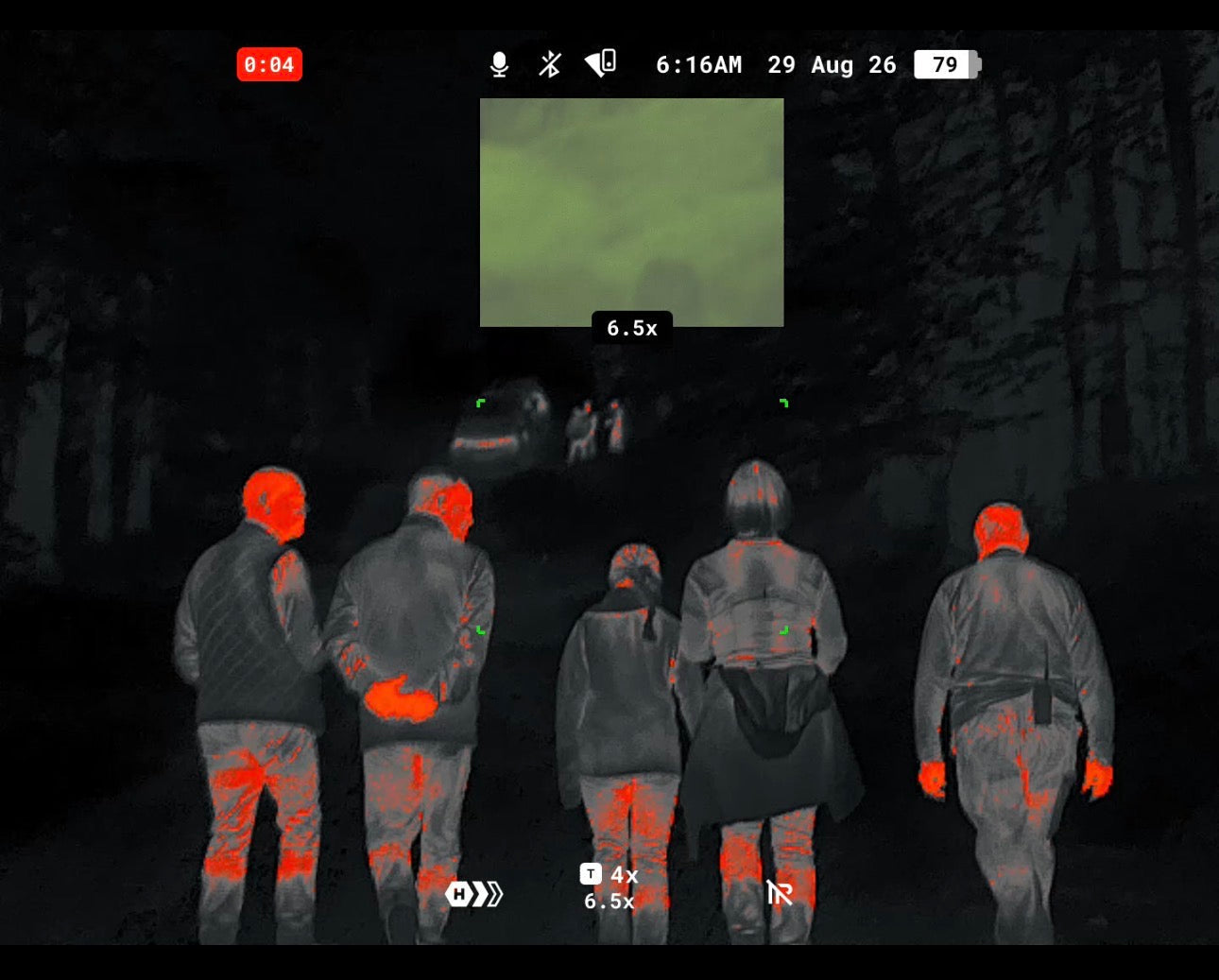
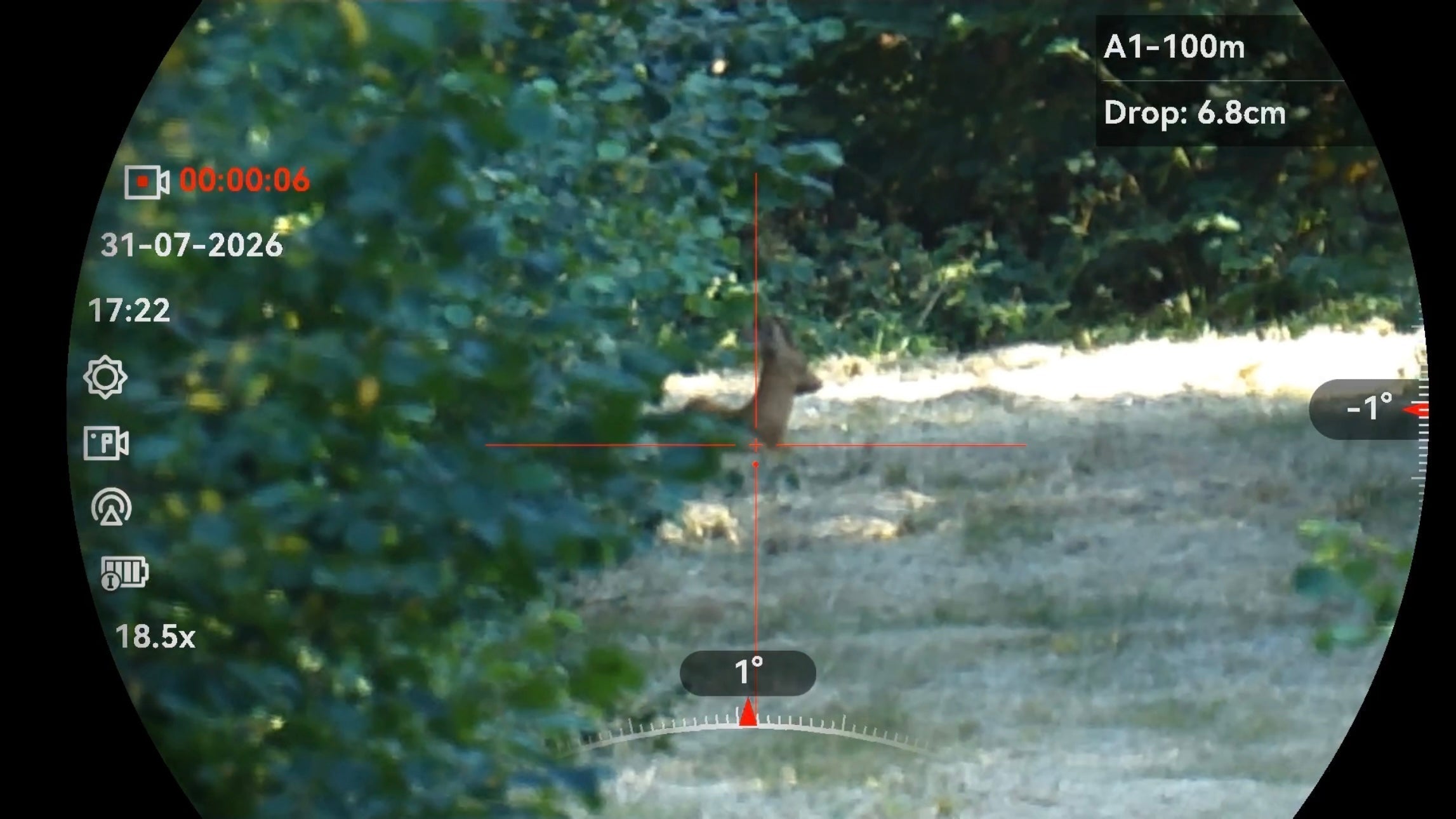
Equipment does not replace judgement, but it can improve workflow and reduce risk when used properly. In recent months we have been able to field test and share optics across multiple experienced managers through professional networks. The value is not the brand name. The value is that the kit is being judged by people who work in real conditions, not by people repeating marketing language.
The biggest practical change we have seen with modern multispectrum systems is speed of decision making. When switching between thermal and digital channels is quick and intuitive, it reduces the time spent in menus and increases the time spent observing. That matters in low light and complex cover. It also supports the role of the spotter, because information can be shared and verified more efficiently between two people working as a unit.
Grants are pushing the sector towards better questions
With options such as CWS1 and broader changes in stewardship, there is a clear expectation that deer management is not simply something you “say you do”. It increasingly needs to be evidenced, planned and deliverable. That shift will frustrate some people, particularly where paperwork expands without improving outcomes. But it does create a useful pressure: estates asking better questions and contractors needing to show they can deliver safely and consistently.
I am not convinced more red tape is always the answer, and qualifications alone do not guarantee competence. But there is a sensible middle ground: proportionate evidence, clear safe systems of work, and accountability that protects the estate as well as the contractor.

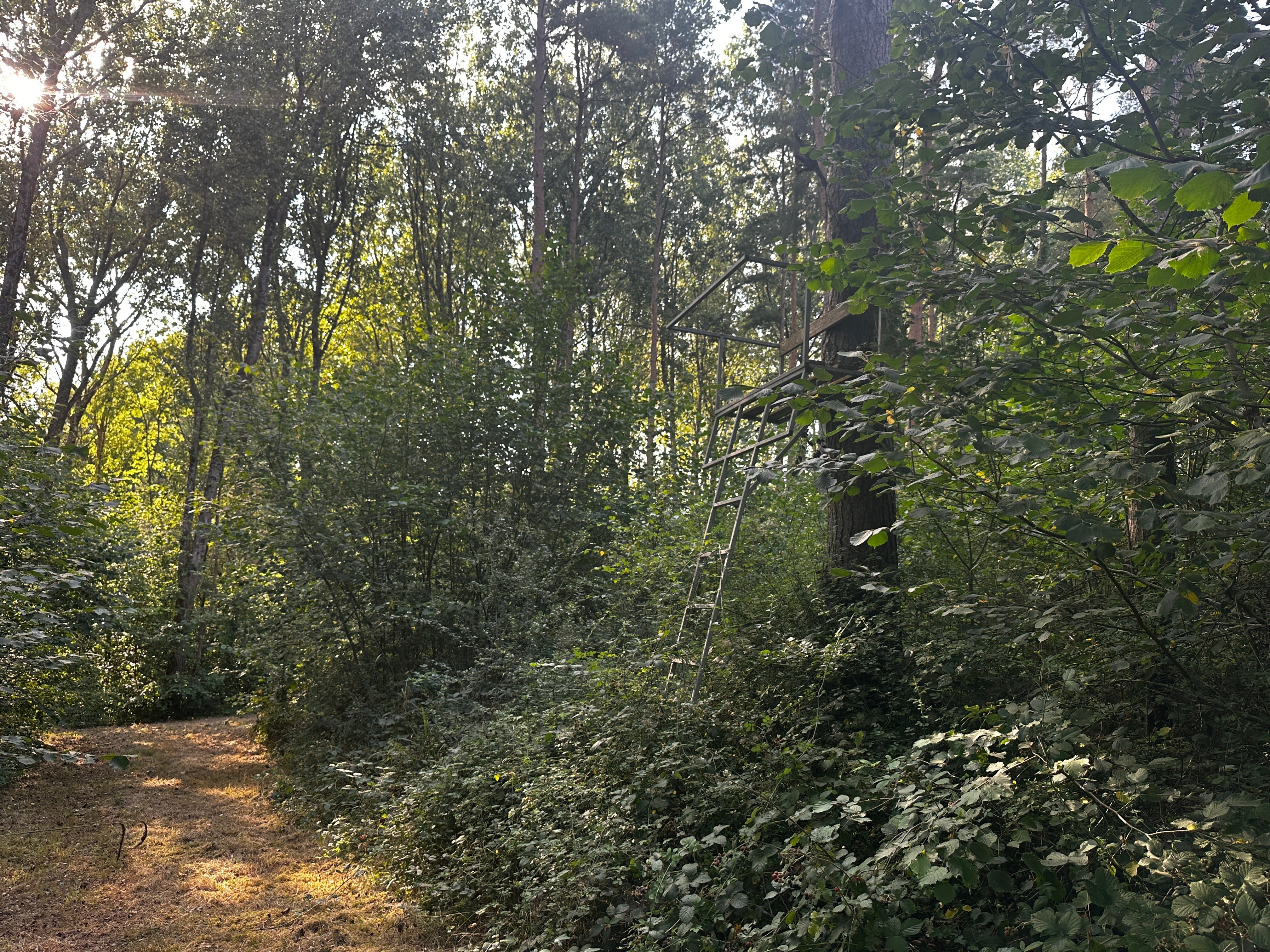
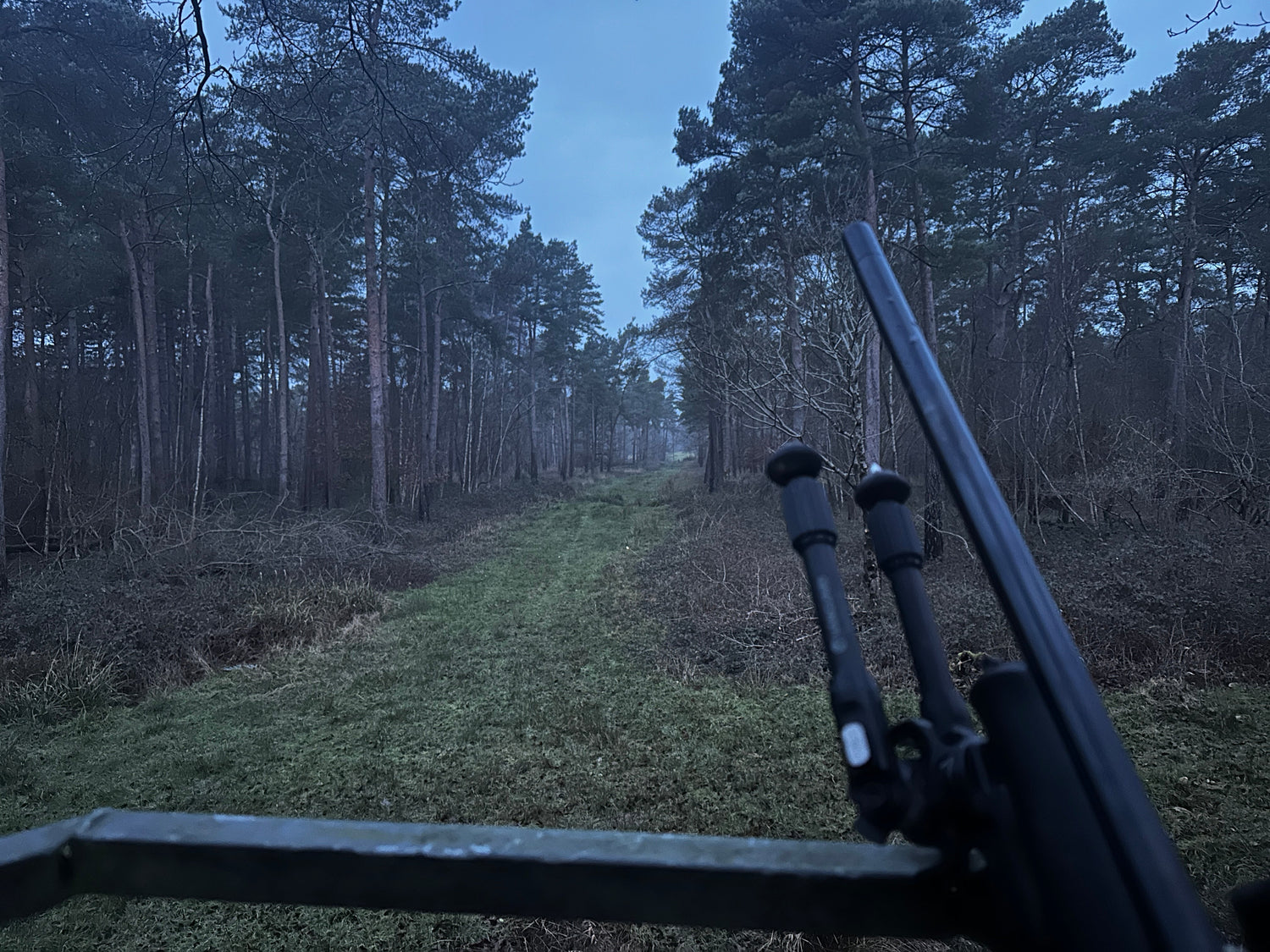
Early 4am morning start, sitting in a tree, part of the job that most people don't see.
The real reason collaboration matters: the work is hard and the landscape remembers
At this time of year the days are long, wet and cold. You can do everything right and still come away with nothing culled because the conditions do not allow a safe shot. That is not failure. That is discipline.
Collaboration matters because it reduces wasted effort and improves your understanding of what is happening across a landscape. A quick call to a neighbour can save a week of unproductive outings. Shared observations can explain why deer have vanished from a block that was full last week. Agreement on timing can stop you pushing deer onto a holding that is trying to protect young planting.
Most importantly, collaboration helps deliver what everyone claims to want: habitat restoration and healthy herds. Not eradication. Not ego. Just steady, defensible management that matches animals to the landscape.
If you are a land agent or estate manager, and you want collaboration to succeed, start small. Start with safety. Start with shared evidence. Then build routines that survive the winter, when everything is harder and the margin for error narrows.
That is how you move from boundaries to landscapes.