Most people can picture a birdstrike. It has drama, headlines, and a clear mental image. Mammal risk on an aerodrome is different. It is quieter, easier to underestimate, and often only taken seriously once the wrong animal turns up in the wrong place at the wrong moment.
That is the uncomfortable point. Airports and aerodromes are not sterile environments. They sit inside real landscapes, with real wildlife pressure, and they can be attractive to mammals in ways that are not always obvious from an office window. Open grassland, edges of scrub, drainage lines, ditches, perimeter cover, quiet corners, predictable patterns of disturbance. To a deer, fox or hare, that can look like a corridor of opportunity.
Mammal management is therefore not a “nice to have” and it is not simply countryside work relocated onto an airfield. It is an aviation safety function. It exists to reduce the chance of runway and taxiway incursions, reduce operational disruption, and protect the safety margin that aviation depends on.
Why mammals matter, even when nobody is talking about them
Birds are rightly taken seriously, but focusing only on birds can create a blind spot. Mammals can trigger serious incidents without ever striking an aircraft in the way the public imagines.
A deer on a runway does not need to hit an engine to create danger. Its presence can force heavy braking, late decisions, aborted take-offs, go-arounds, runway inspections, closures, and a chain of knock-on disruption that spreads beyond the boundary within minutes. Even a smaller animal can create risk through sudden movement, repeated incursions, or by pulling attention at the wrong time in a high-consequence environment.
There is also a wider systems issue. Small mammals can attract predators, predators can become regular visitors, and regular visitors quickly become patterns. Aerodrome wildlife risk is not a set of separate problems. It is an ecology interacting with an operational environment. If you ignore one part, another part often becomes harder to manage.
What “when it goes wrong” actually looks like
When mammal risk is managed well, nothing dramatic happens. That is the point. Flights run, teams stay in control, and the safety margin is quietly protected.
When it is managed poorly, the first signs are often subtle. Increased sightings. Tracks and droppings in places that should be clear. Fence lines that look intact until you walk them properly. Repeat movement routes that suggest an entry point has become reliable. A fox that is not “passing through” but working an area. A deer that has learned where it can cross without being disturbed.
Then, inevitably, the event arrives. It might be an incursion. It might be a near miss. It might be an operational pause that becomes an incident report. It might be a runway inspection that forces delay, then a closure, then public attention.
The cost of that is paid in more than money. It is paid in operational strain, stress on staff, reputational exposure, and the hard reality that aviation is not a place where “it probably will not happen again” is good enough.
Why “a fence exists” is not a plan
One of the most common misconceptions around aerodrome mammals is the belief that exclusion is solved because a perimeter fence exists. In practice, exclusion is only as good as the weakest section.
A single compromised stretch, a culvert or ditch crossing, a gate that does not close cleanly, erosion, flooding, ground movement, storm damage, or a section repeatedly pushed and tested by wildlife can create an entry point. Once an animal learns a route, it does not forget it. It uses it again, and it teaches it to others where the species allows for that.
This is why professional work starts with walking boundaries properly, not simply trusting a line on a map.
How we approach mammal management on aerodromes
The method has to be disciplined. Aerodromes are not the place for improvisation, ego, or casual practice. The operating context demands calm procedures and consistent standards.
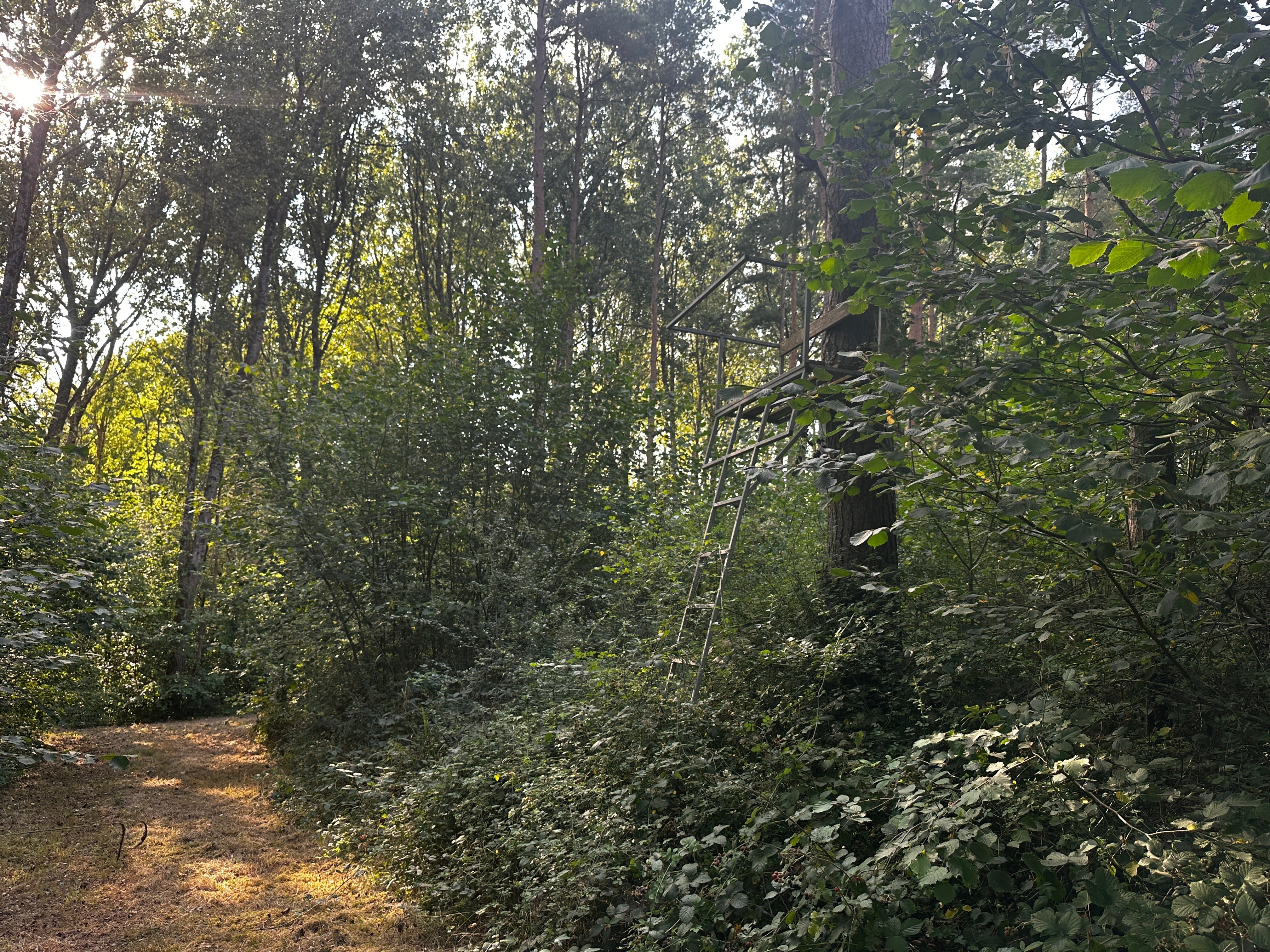
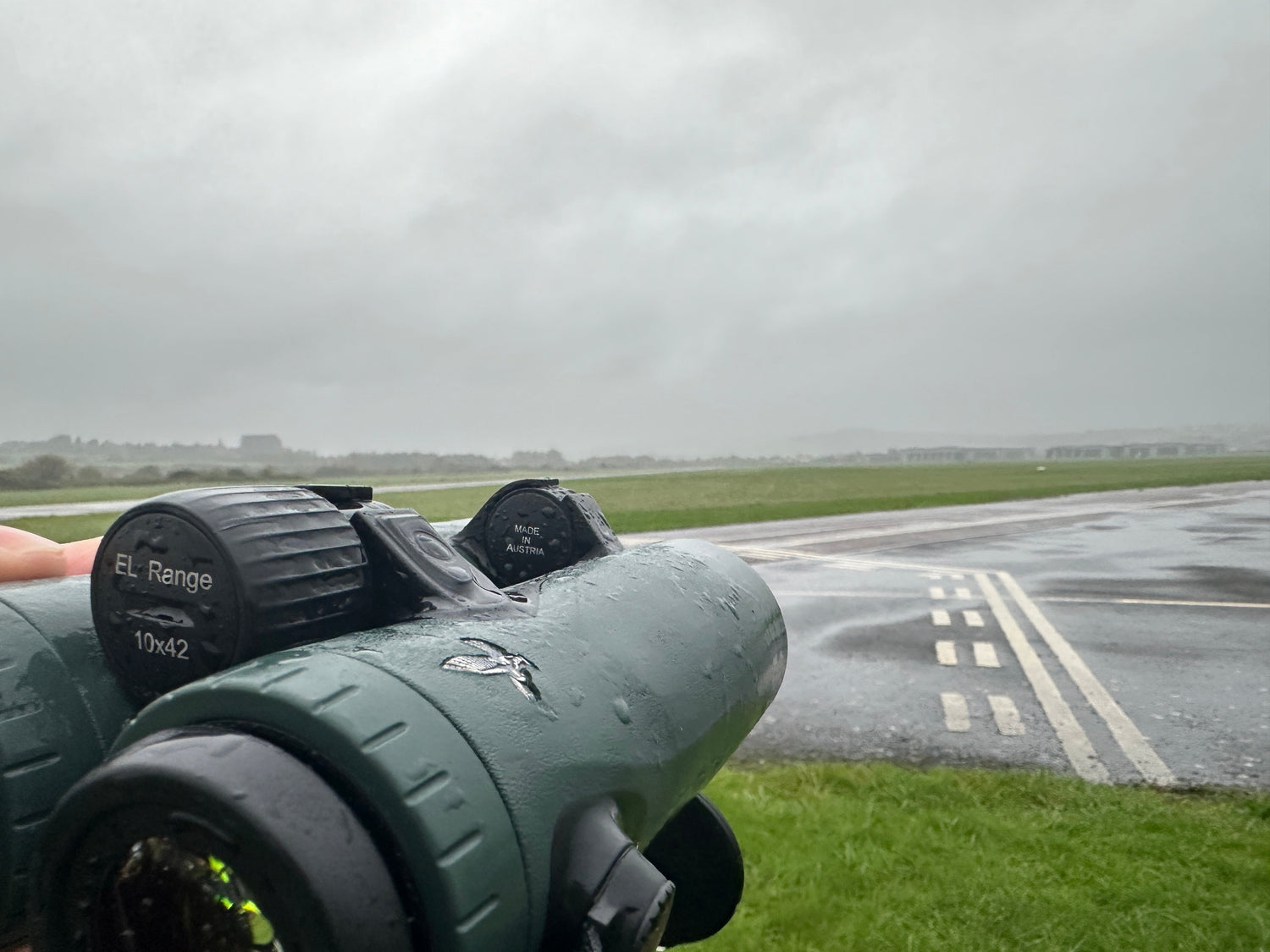
We start by treating the aerodrome as a system rather than a patch of land. Where are the likely entry points. Which boundary sections are vulnerable. How do drainage features shape movement. Where does cover sit close to the perimeter. What changes seasonally. What shifts at night. What does weather do to visibility, access and animal behaviour.
From there, we focus on practical levers.
Habitat and attractants matter because mammals are not drawn to “airports”. They are drawn to food, cover, quiet, and routes of travel. If you reduce those drivers, pressure reduces. Where you cannot reduce them, you tighten monitoring and strengthen exclusion.
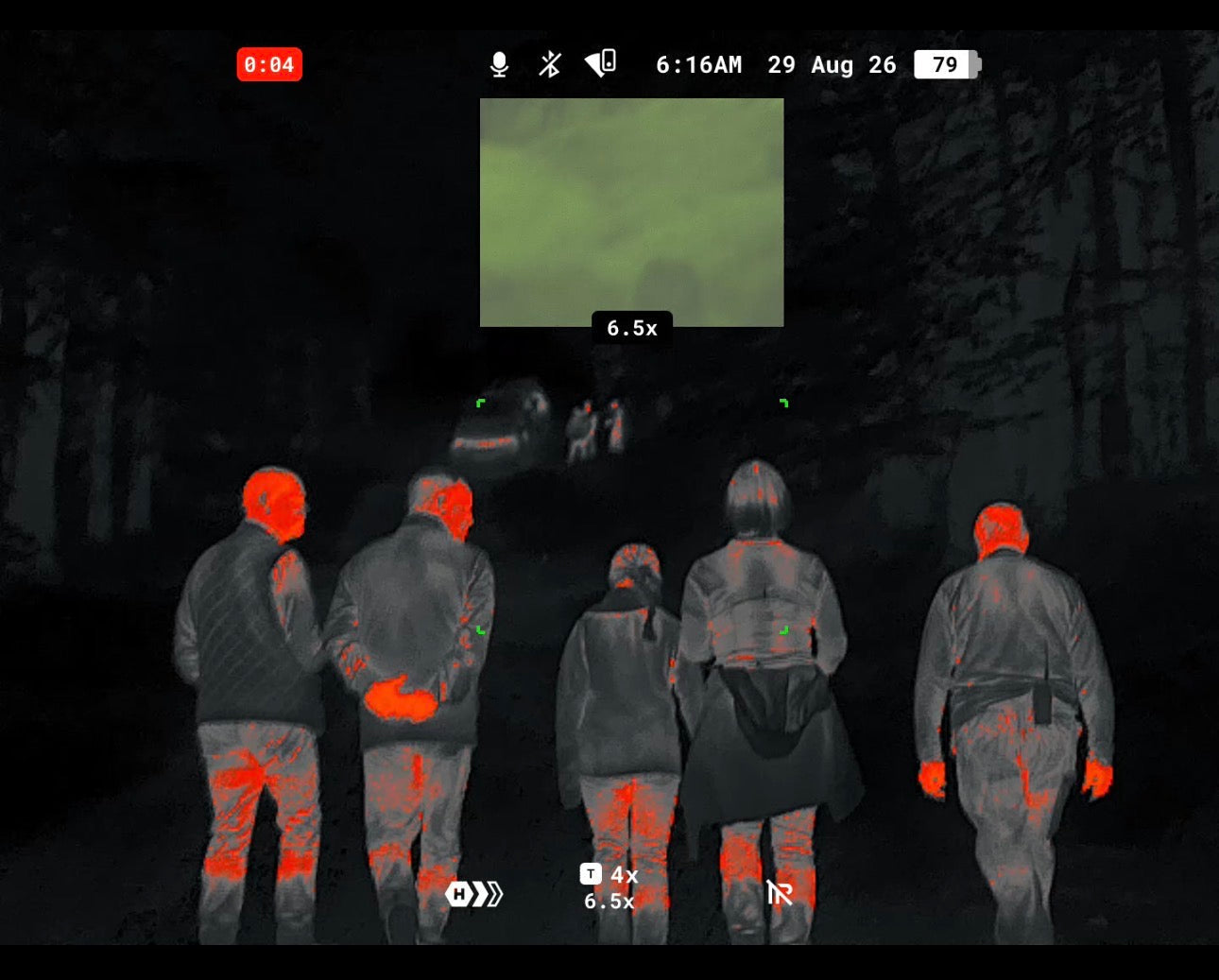
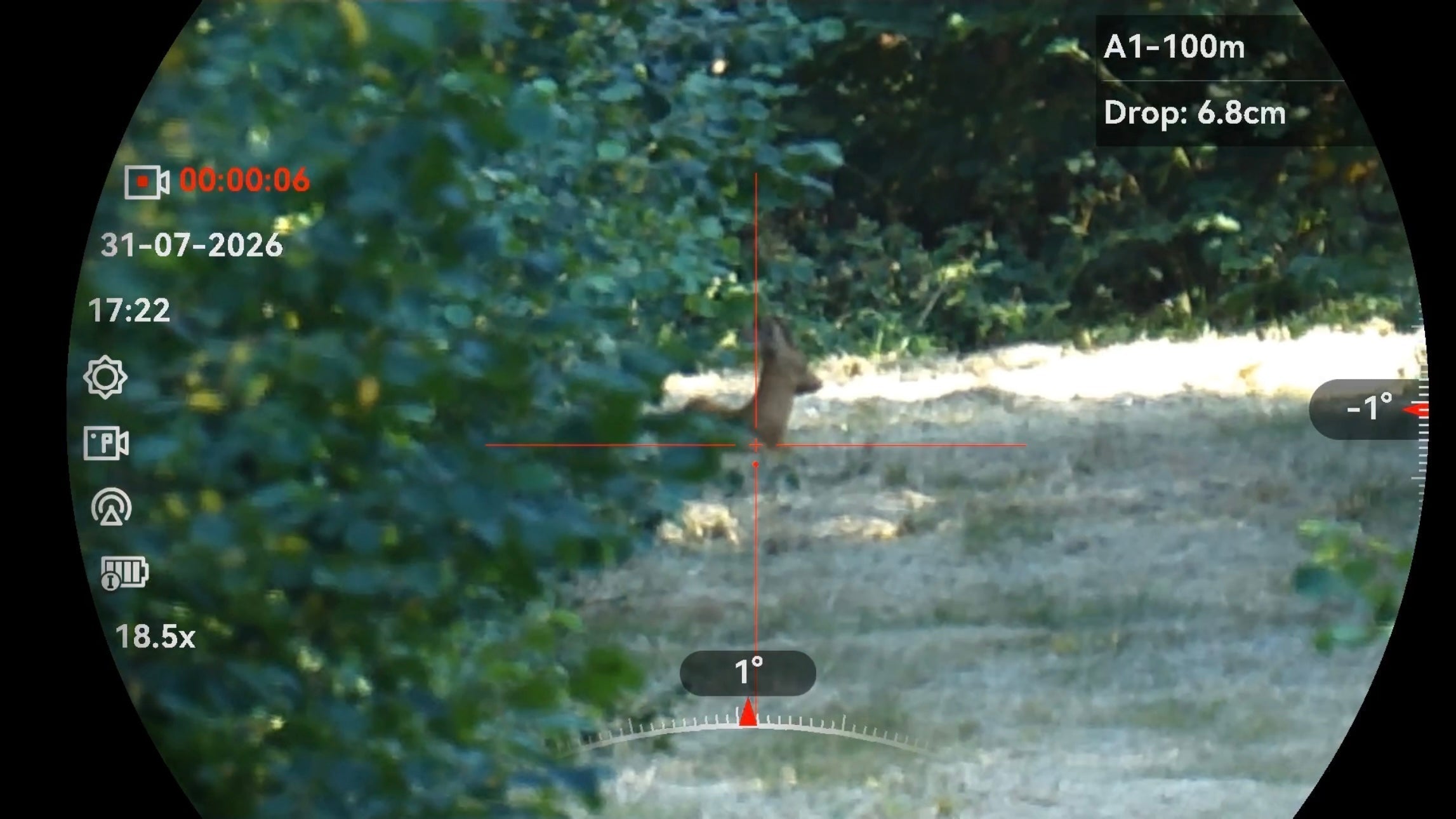
Monitoring is not just “looking about”. It is structured observation with the intention of detecting patterns early, before they become incidents. Modern thermal and digital observation equipment can be genuinely useful here, not as theatre, but as a way to identify movement, confirm species, and support follow-up where authorised and appropriate. The goal is always to reduce risk, not to create new risk through haste.
Reporting matters too. On sensitive sites, clear records are not bureaucracy. They support continuity, trend analysis, and decision-making. They allow the aerodrome to see whether risk is reducing, whether a particular area is repeatedly compromised, and whether interventions are actually working.
Professionalism is the product on sensitive sites
There is no polite way to say it. Not everyone is suited to this work.
Aerodrome environments demand a higher standard of discipline because the consequences are higher. That means respecting access controls, communication protocols, site rules, and the seriousness of the operating context. It means making decisions that remain defensible under scrutiny. It means being able to stop, reassess, and wait, rather than pushing on because it is inconvenient to do otherwise.
Professionalism here is not about appearance. It is about behaviour. Calm judgement, repeatable process, and a refusal to cut corners. The best aerodrome wildlife work is the work nobody notices because nothing goes wrong.
The wider landscape problem, and why neighbours matter
An aerodrome boundary is not the boundary of the ecological system. Deer and foxes do not recognise ownership lines, and changes outside the perimeter can increase pressure inside it. New cover crops, altered rotations, unmanaged scrub edges, development pressure, changes in human disturbance. All of these can shift wildlife movement quickly.
This is one reason why coordination with neighbouring land managers can be valuable. Not for blame, and not for politics, but for realism. Where surrounding estates take deer management seriously, aerodrome mammal pressure often becomes easier to keep under control. Where neighbouring land unintentionally provides sanctuary, the aerodrome is forced into more intensive intervention.
Good outcomes often depend on the wider landscape behaving sensibly, not just the airfield team working harder.
Why mammal management is necessary
Mammal management on aerodromes is essential because it is one of those tasks that only looks expensive until you compare it to the cost of getting it wrong.
It protects operations, people, aircraft, reputation, and the safety margin itself. It also protects the aerodrome team from carrying avoidable stress caused by problems that could have been prevented with early intervention and consistent standards.
Where our services fit
At Wildscape Deer Management, we support aerodrome and airport mammal management through structured, site-specific delivery. That typically includes on-site assessment, perimeter and habitat observations, targeted monitoring, authorised control activity where required, and clear reporting that supports the aerodrome’s broader safety expectations. We also bring experience from other sensitive and high-access environments, where professionalism and public perception matter as much as technical competence.
If you are an aerodrome operator, land agent, or a landowner adjacent to an airfield and you want mammal risk handled in a way that is calm, methodical and defensible, we can help. We can also advise neighbouring estates on how consistent deer management reduces pressure on the airfield boundary and improves outcomes for everyone.