


Integrating Deer Management into Your Land Stewardship Plan
For landowners with agricultural interests, managing deer populations is paramount. Uncontrolled deer can cause extensive damage to crops, leading to significant financial losses. Effective deer m...
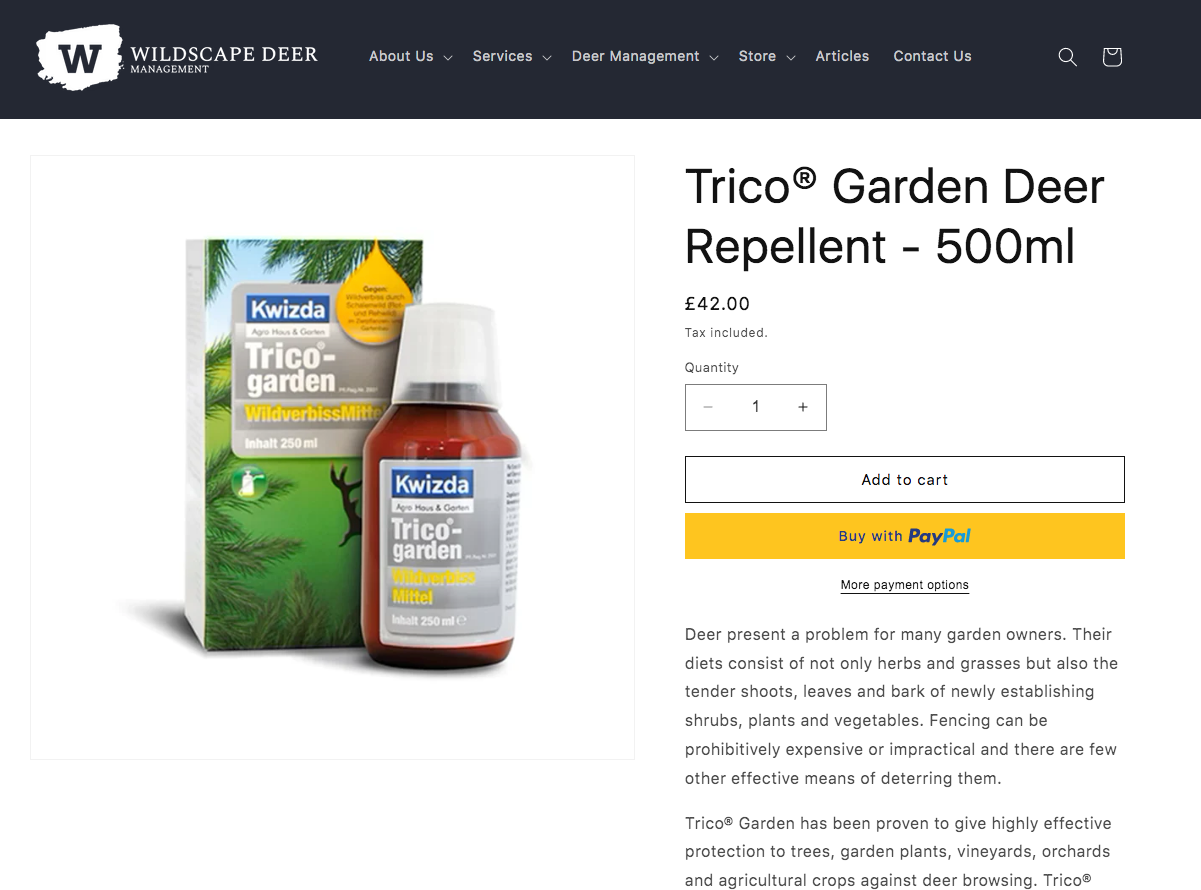
Deer Dilemma: How Trico® Deer Repellent Can Protect Your Land
Trico® Deer Repellent is a product specifically designed to offer a non-invasive solution to deer intrusions. Unlike physical barriers or harmful deterrents, Trico® utilizes a deer's natural avers...

Wildscape Deer Management's Defence Discount Scheme
As a veteran-owned business, Wildscape Deer Management holds a deep respect for the sacrifices made by the British Armed Forces. In tribute to their commitment, we are proud to extend a special 20%...
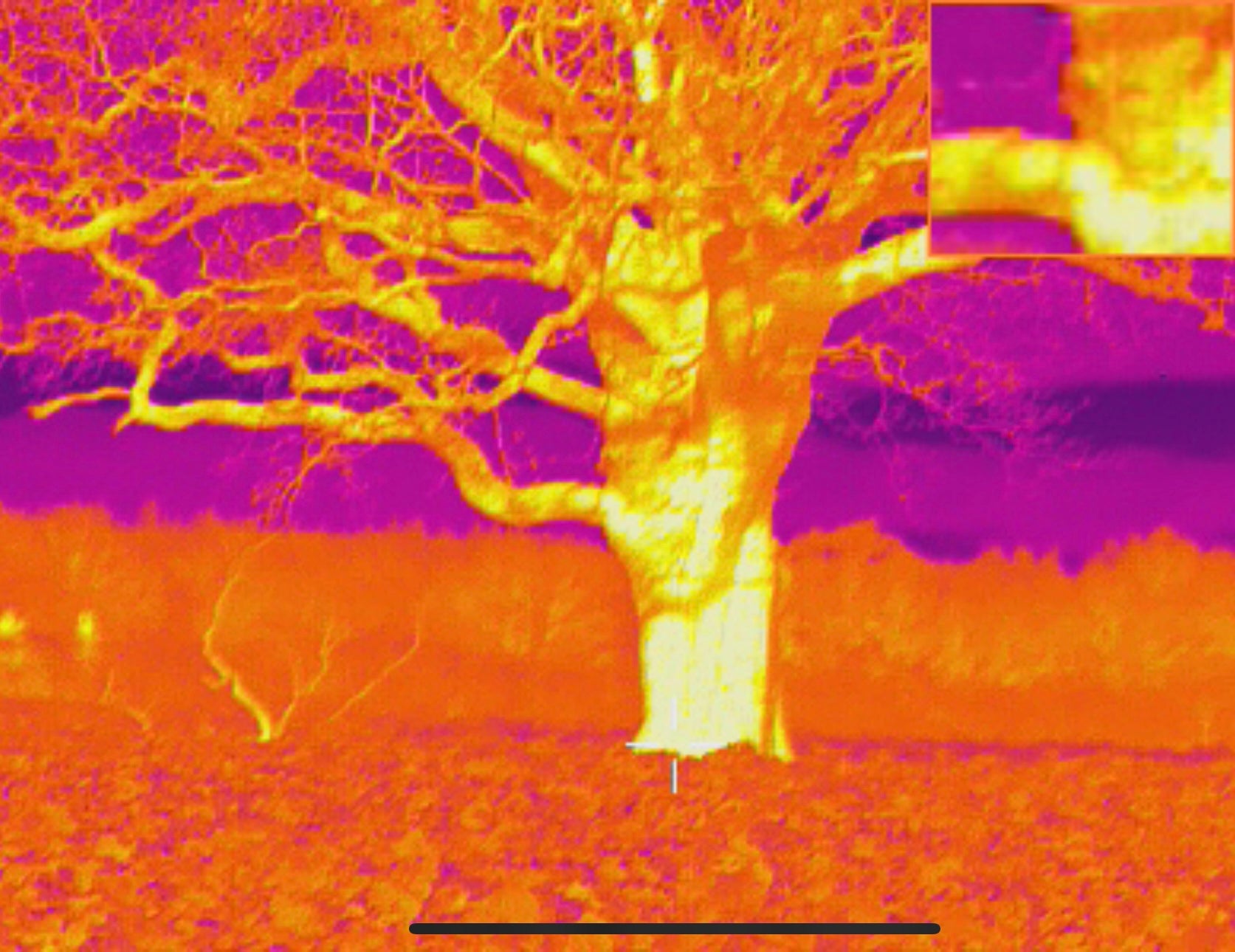
Thermal Imaging in Sussex Deer Management
In the evolving field of deer management, the introduction of advanced technologies like thermal imaging has sparked a debate among professionals. While some managers are hesitant to adopt this tec...
Importance of Shot Placement and Deer Anatomy in Neck Shooting
In the practice of neck shooting deer, especially for species like the roe deer, the precision of shot placement is paramount. This method hinges on a deep understanding of the deer's anatomy, part...
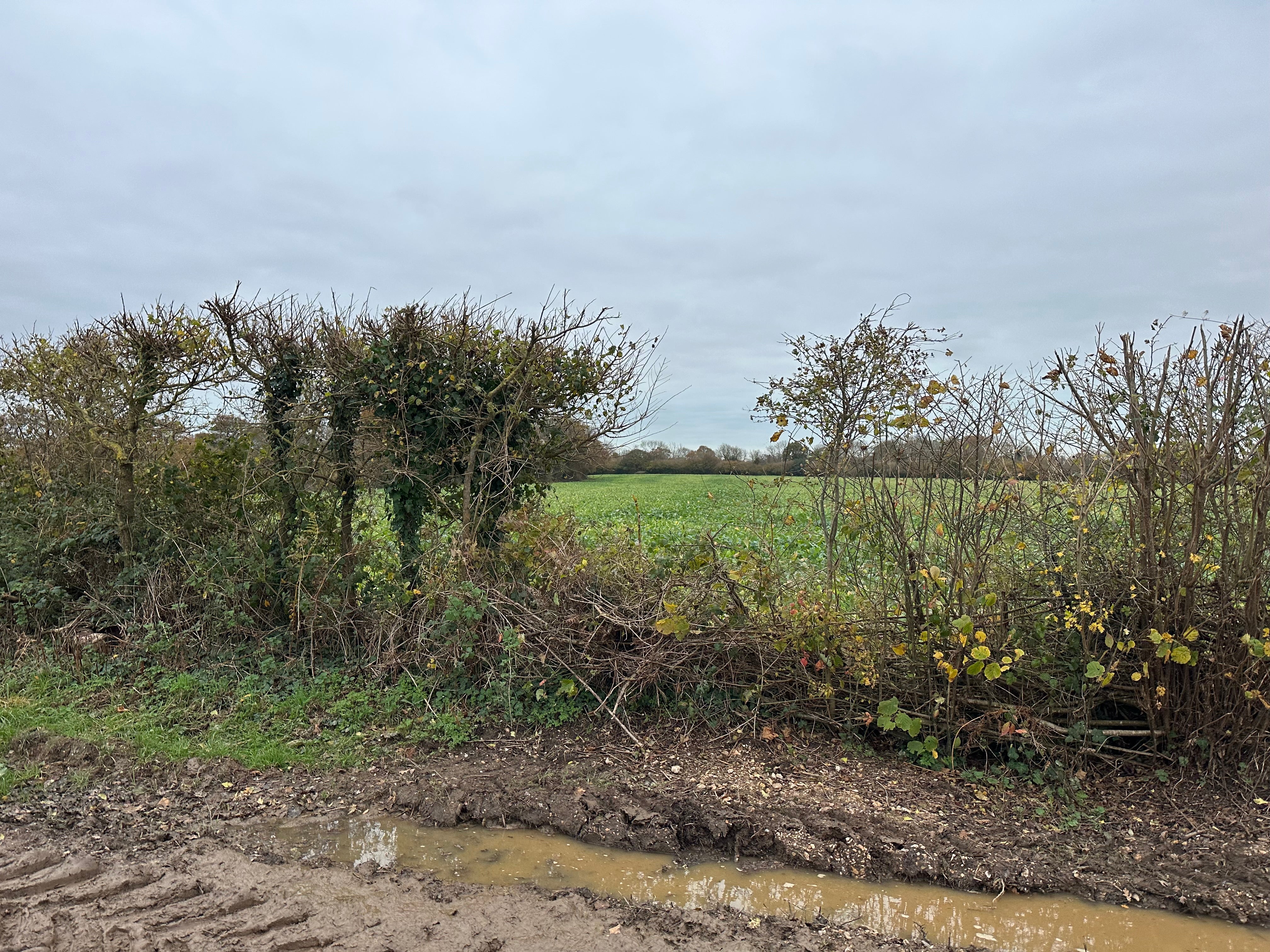
Integrating Deer Management and Hedgerows in Agroforestry
Agroforestry, the practice of integrating agriculture and forestry, is a sustainable approach to land use that benefits the environment and the landowner. A critical component of this integration i...
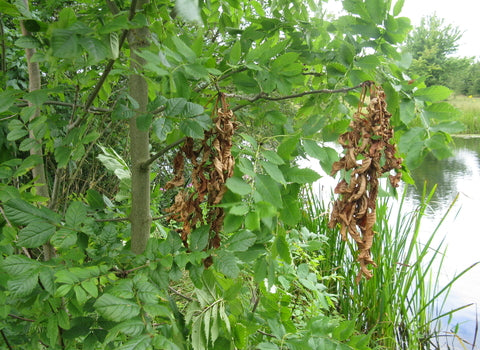
The Challenges of Ash Dieback (Hymenoscyphus Fraxineus) in Deer Management
The advent of ash dieback, caused by the fungus Hymenoscyphus fraxineus, signifies a looming ecological upheaval within the UK’s woodland ecosystems. With up to 80% of ash trees at risk, this crisi...
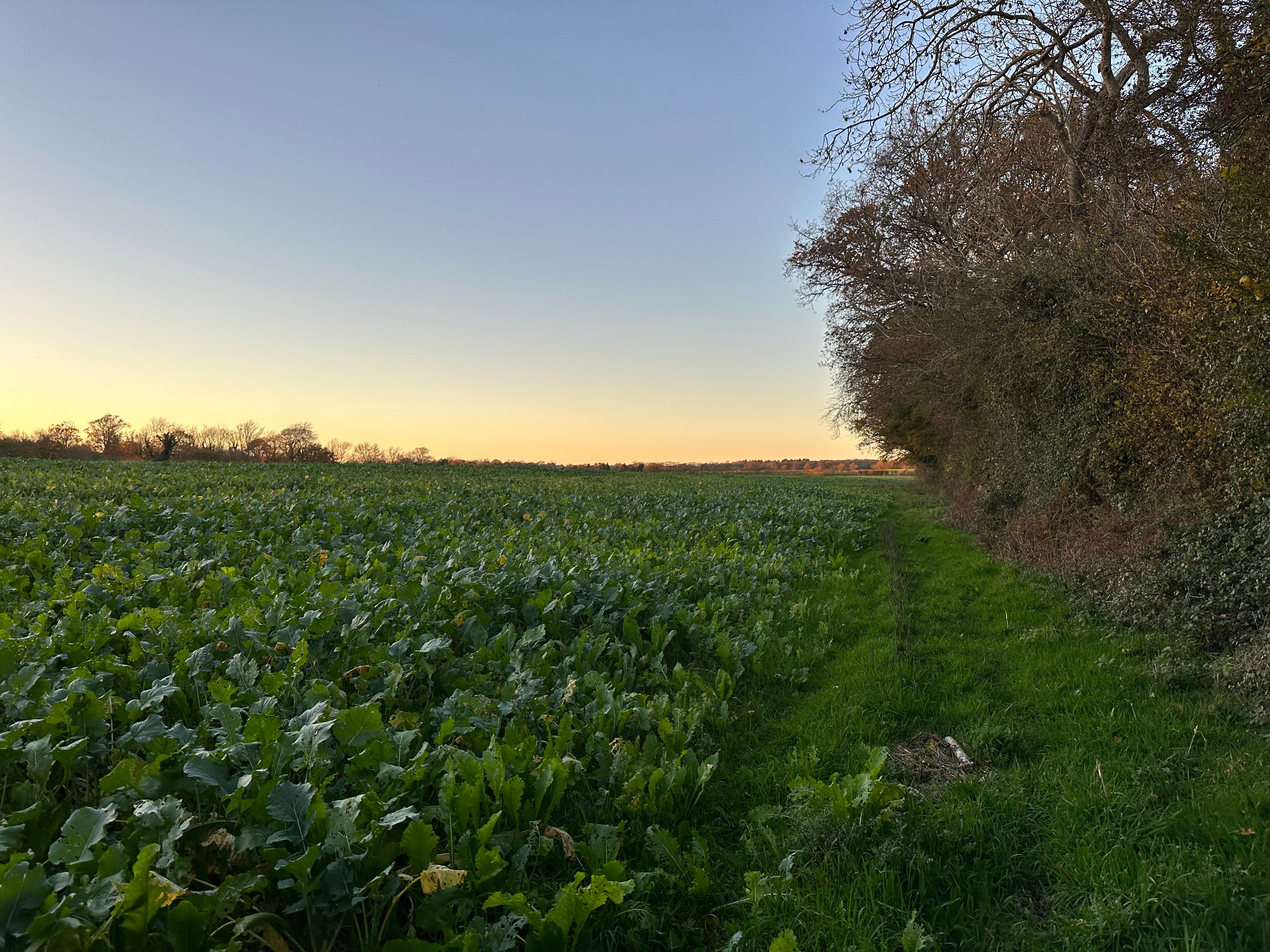
Wildlife Corridors in Land Management - Deer Movements
For those tasked with the stewardship of land, the implementation of wildlife corridors stands as a vital component in promoting biodiversity and ecological health. These corridors serve as essenti...
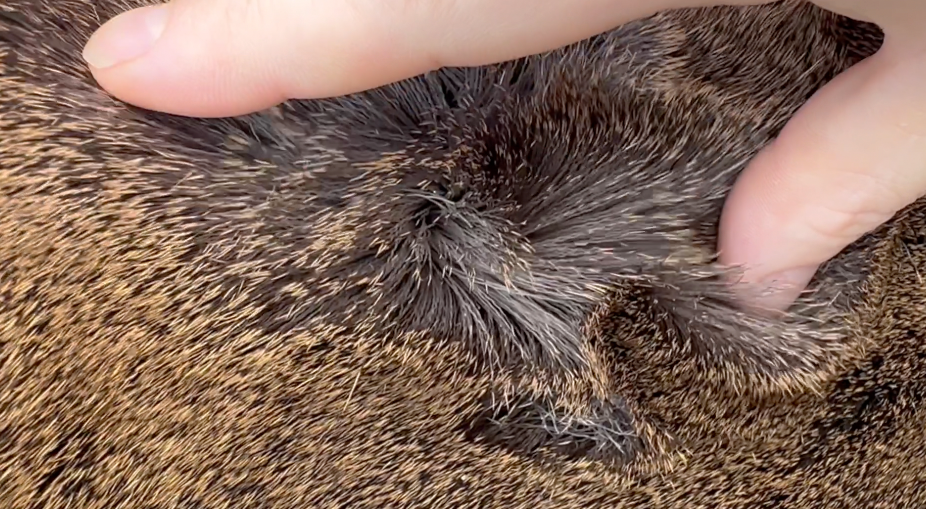
Roe Deer: Understanding Seasonal Coat Changes and Habitat Influence
As a landowner or estate manager, understanding the natural adaptations of wildlife on your property can greatly enhance your stewardship and conservation efforts. Among the most remarkable exampl...
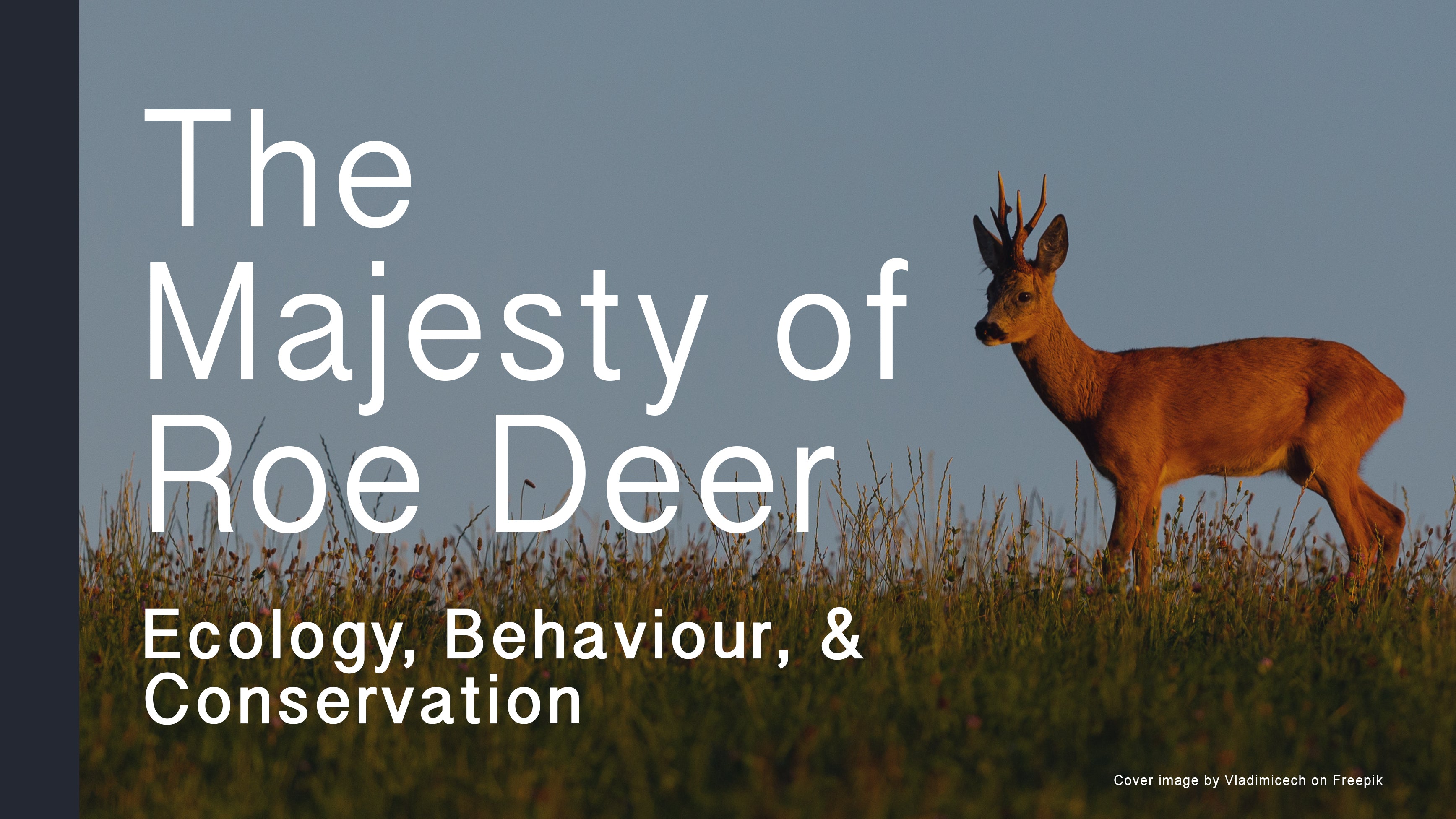
Roe Deer in the UK: A Focused Look at a Favourite Species
Explore the intricate world of UK Roe Deer - a key species in British wildlife. This comprehensive guide delves into their behavior, impact on agriculture, and management strategies for landowners...
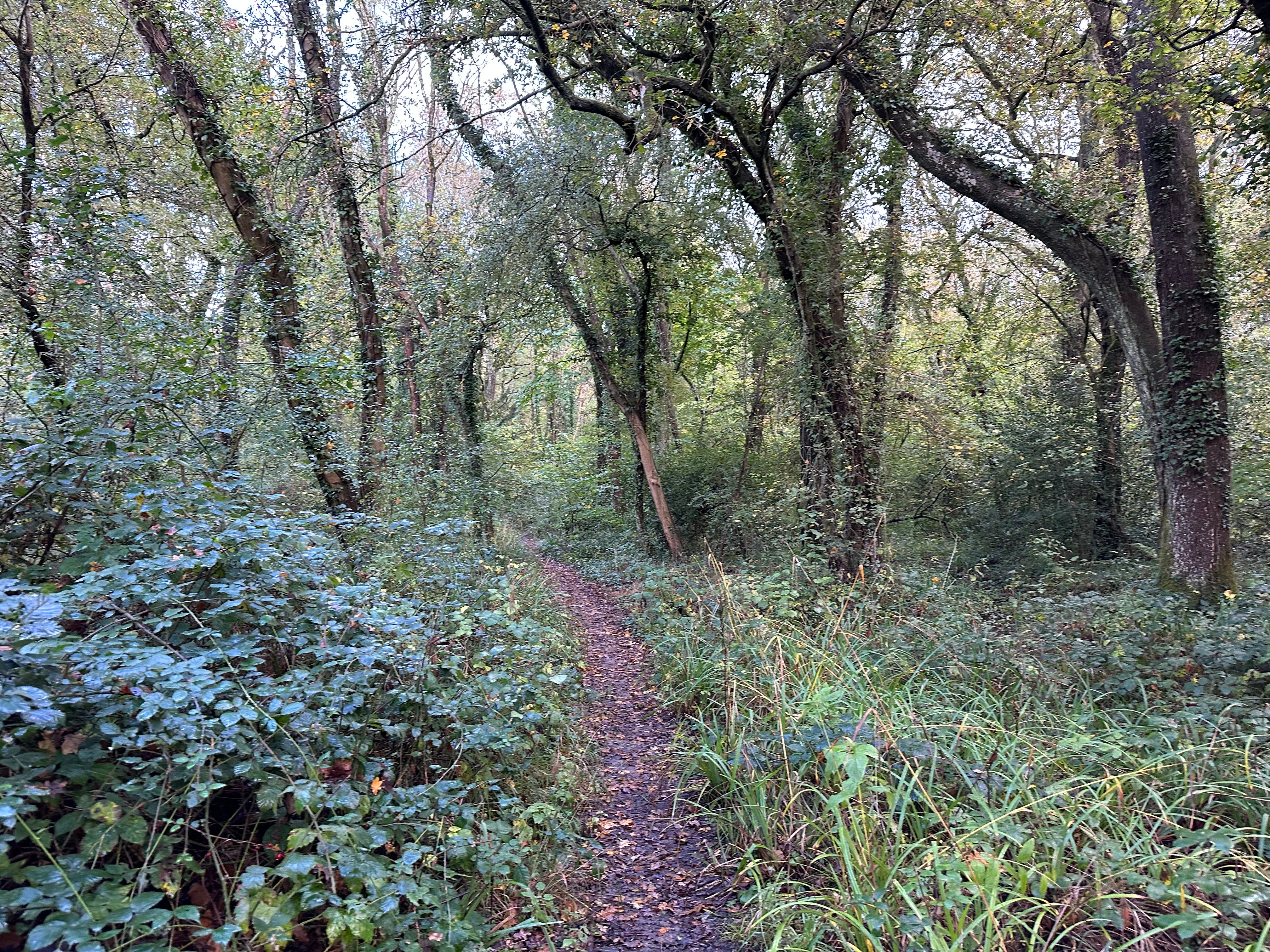
Restoring the Balance: Strategic Deer Management for Woodland Understory Health
The understory of British woodlands, comprising a diverse array of shrubs, young trees, and herbaceous plants, forms the backbone of forest ecosystems. This layer is critical for biodiversity, soil...
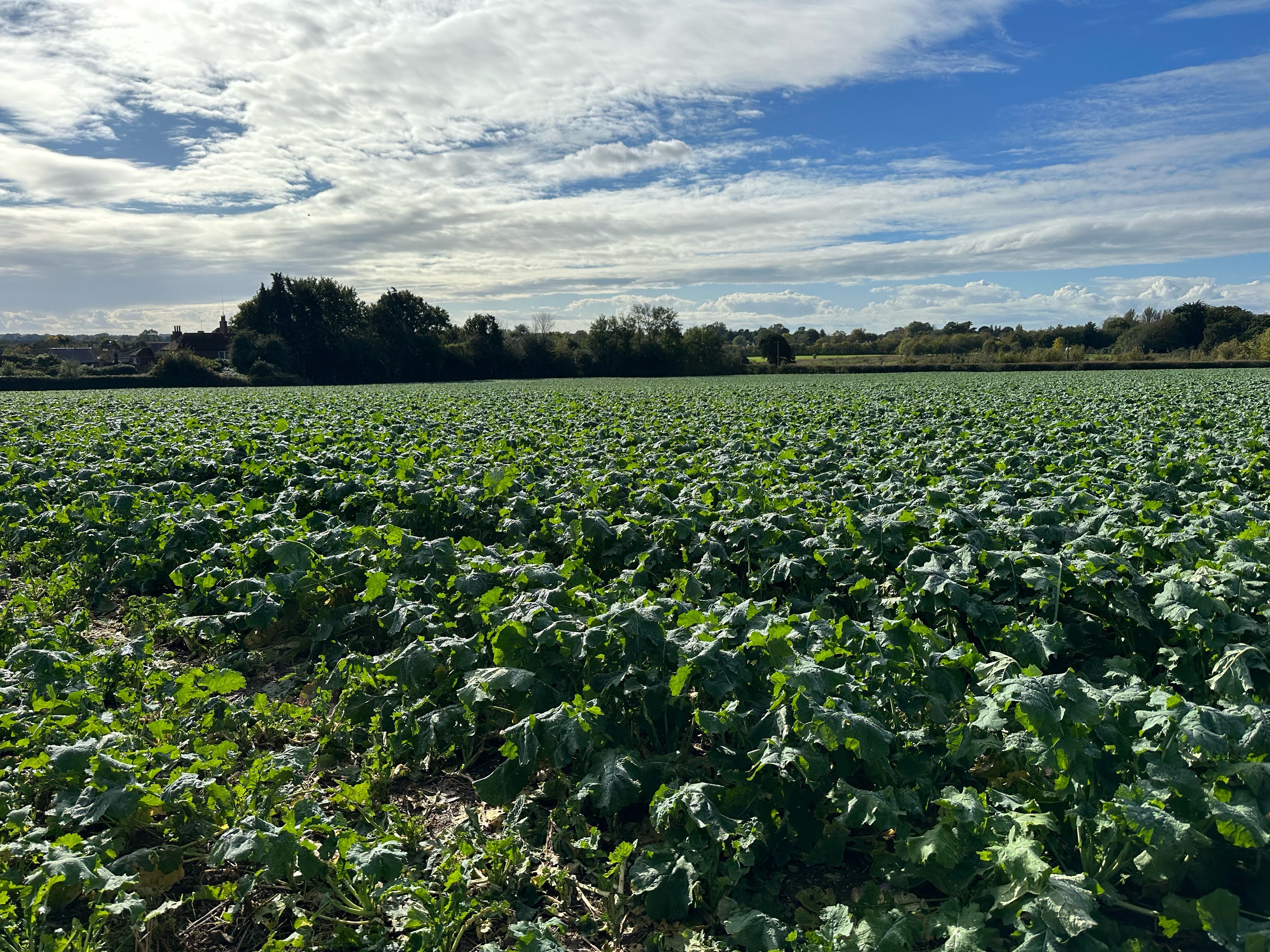
Anatomy of Deer Series 10/10: Conservation and Health Management
Conservation and health management are fundamental components in sustaining robust and thriving deer populations within the UK. Their objectives, though distinct, are closely intertwined, each sig...
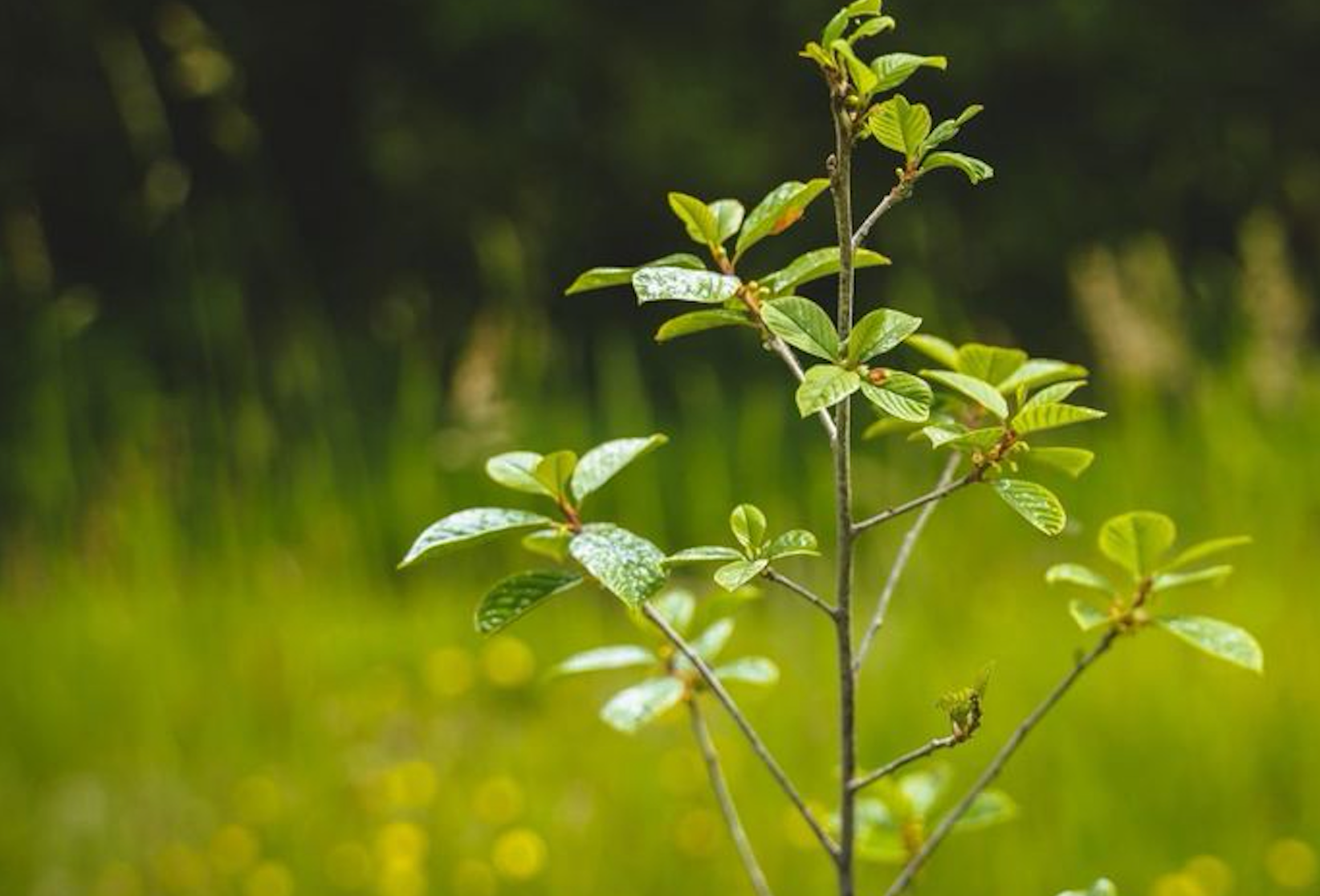
Integrating Trico® in Deer Management Plans | Trico® Deer Repellent
Deer populations, while integral to our ecosystems, can pose significant challenges to agricultural and forestry sectors. The use of Trico®, a natural deer repellent, has been gaining attention as ...
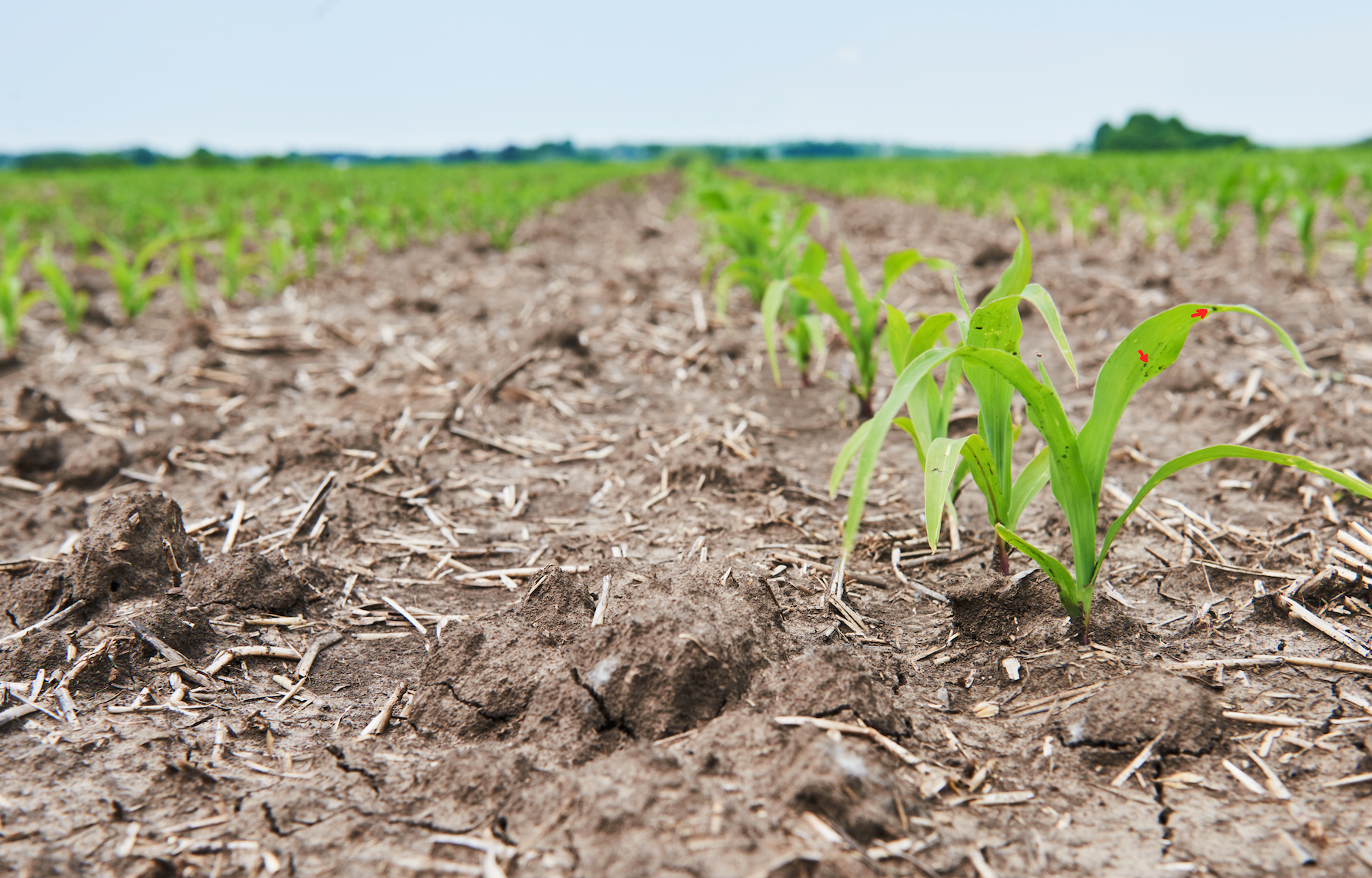
Mitigating Deer-Related Crop Damage In Sussex
A silent yet significant challenge confronts the agricultural sector: the impact of deer on crops in Sussex. With an annual loss estimated at £4.5 million due to deer-related crop damage, this issu...
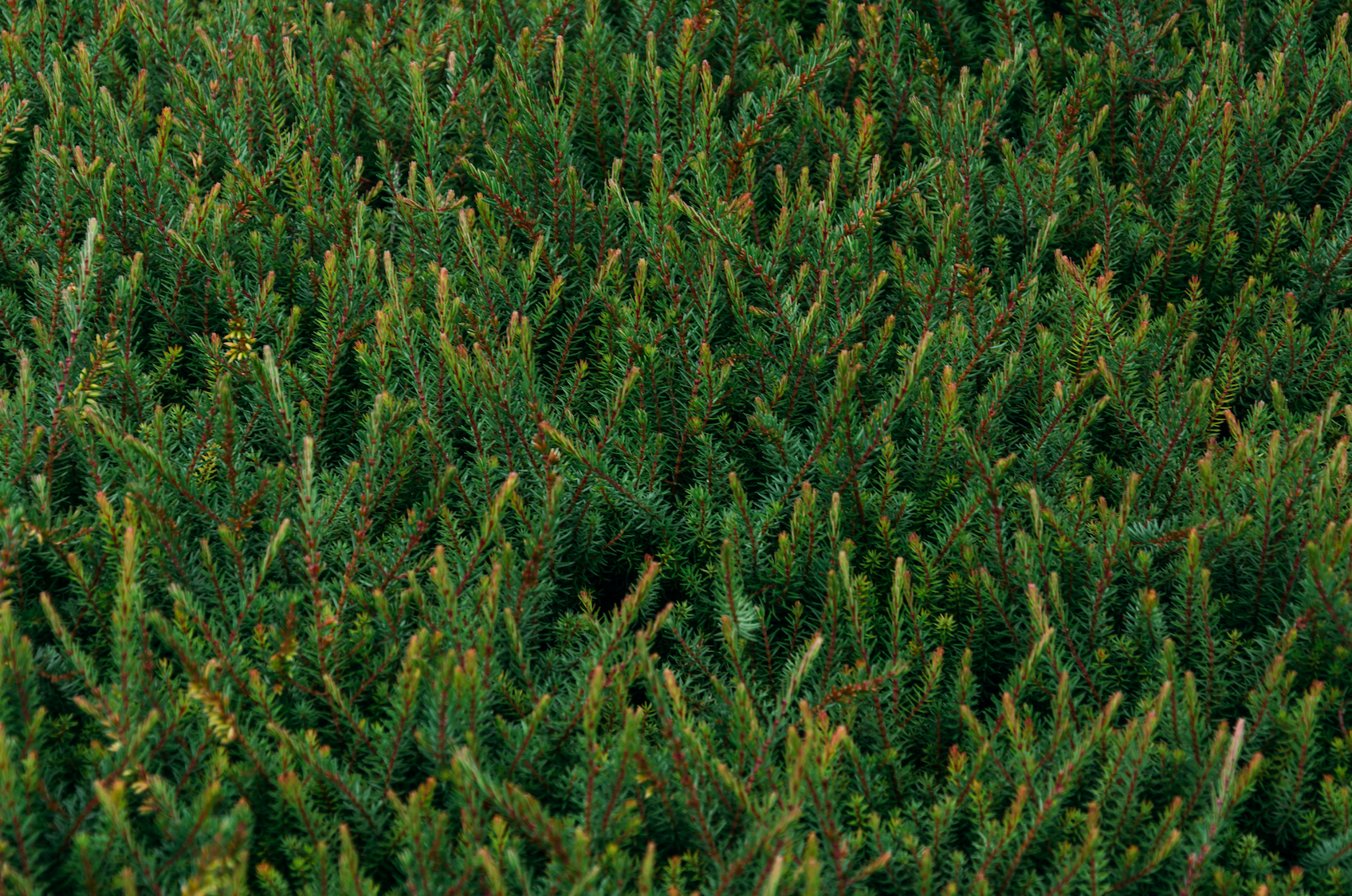
The Challenge of Deer in Christmas Tree Plantations
In the world of Christmas tree farming, one of the less visible yet significant challenges is the impact of deer on plantations. This issue extends beyond the simple presence of these animals; it's...
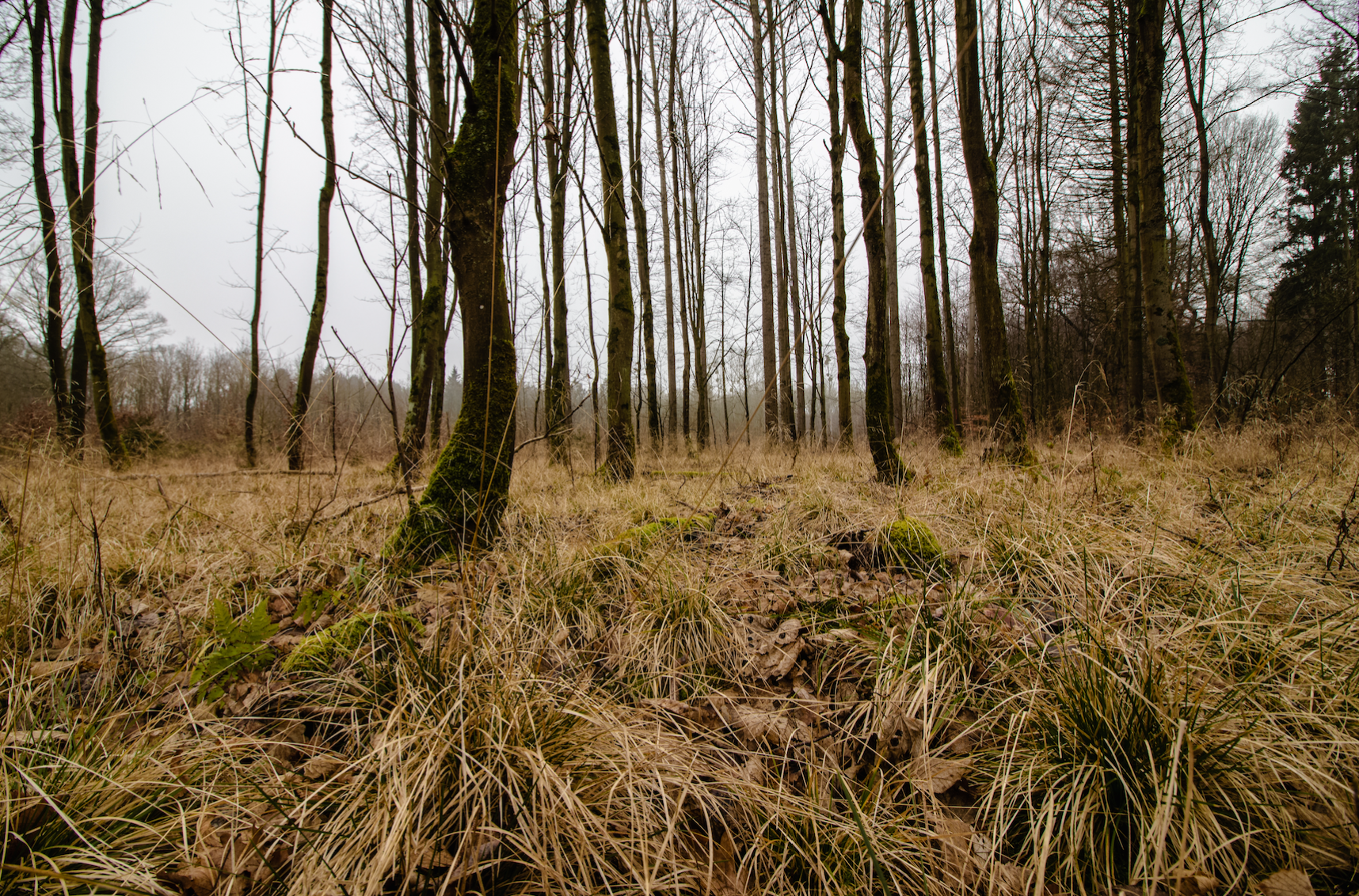
Carrying Capacity: The Keystone of Deer Population Dynamics
For those managing land and estates, the concept of carrying capacity is essential in maintaining a healthy deer population and a flourishing ecosystem. Carrying capacity is not a mere numerical li...
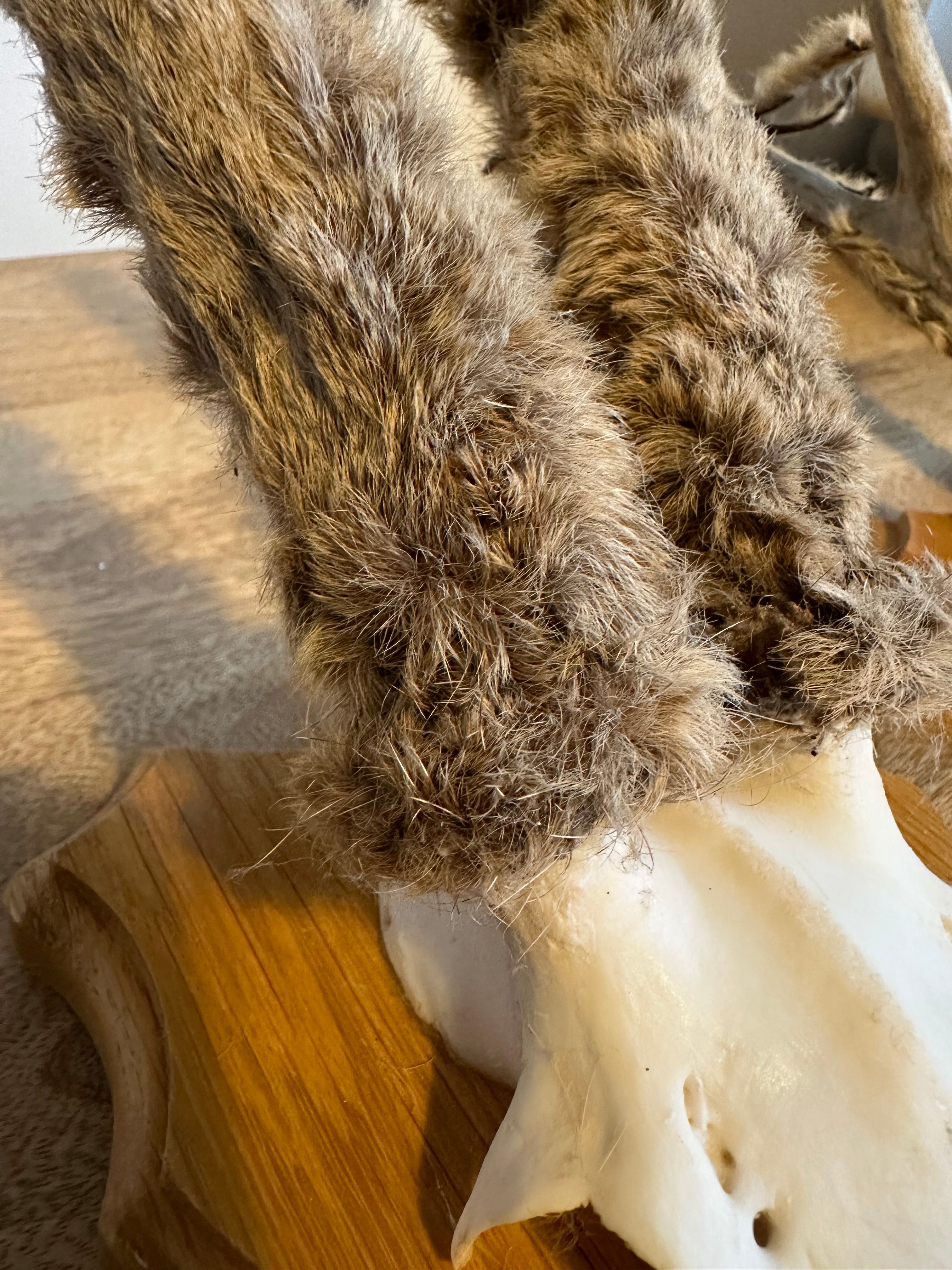
Why Do Deer Grow Antlers & What Are Antlers Made From?
Deer antlers stand out as a remarkable phenomenon. These complex structures are much more than just an eye-catching feature; they are a testament to the deer’s survival and evolutionary strategies...
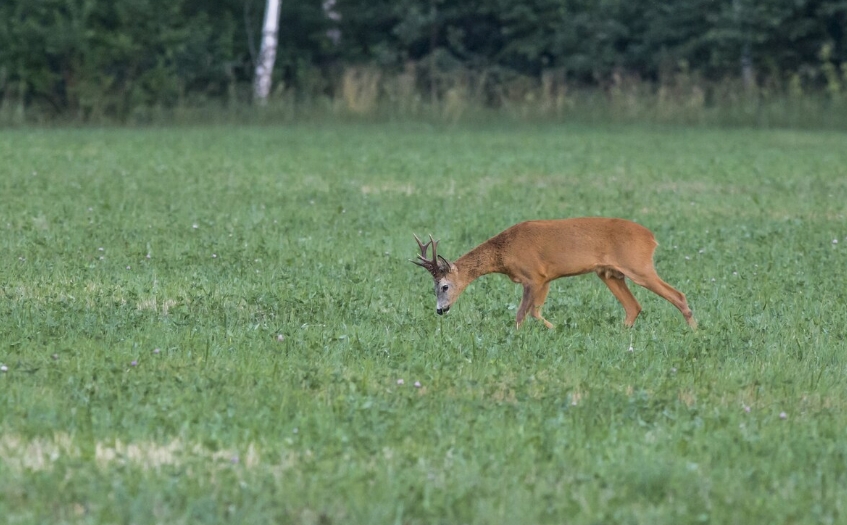
Anatomy of Deer Series 8/10: The Immune and Endocrine Systems
The immune and endocrine systems of deer play a pivotal role in maintaining health and regulating bodily functions. The immune system acts as a formidable line of defence against infections and di...
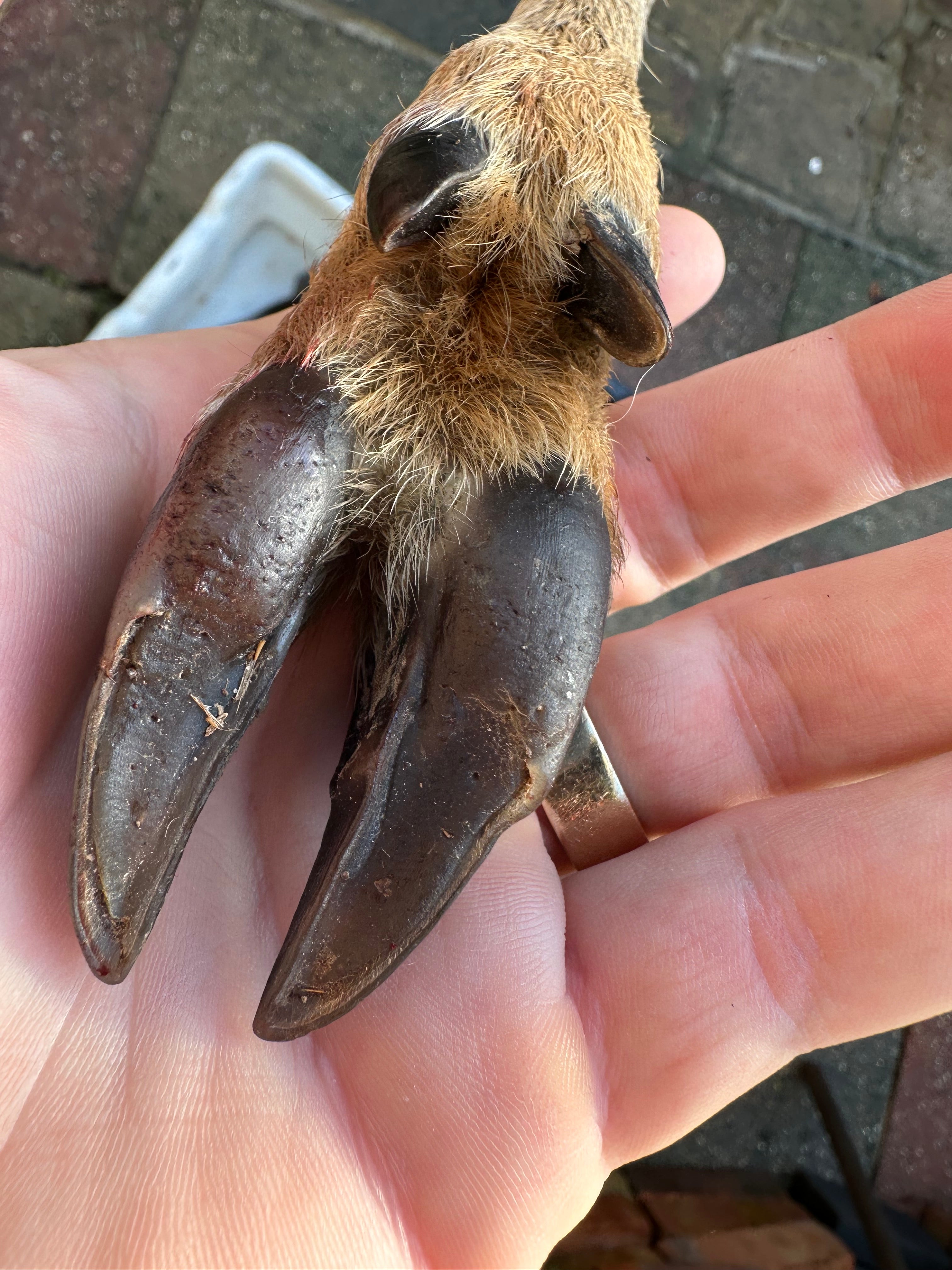
Effective Deer Management in Agricultural Landscapes
The management of deer populations on agricultural lands is a critical task that demands a scientific approach interwoven with practical know-how. For the discerning farmer, the culling of deer is ...
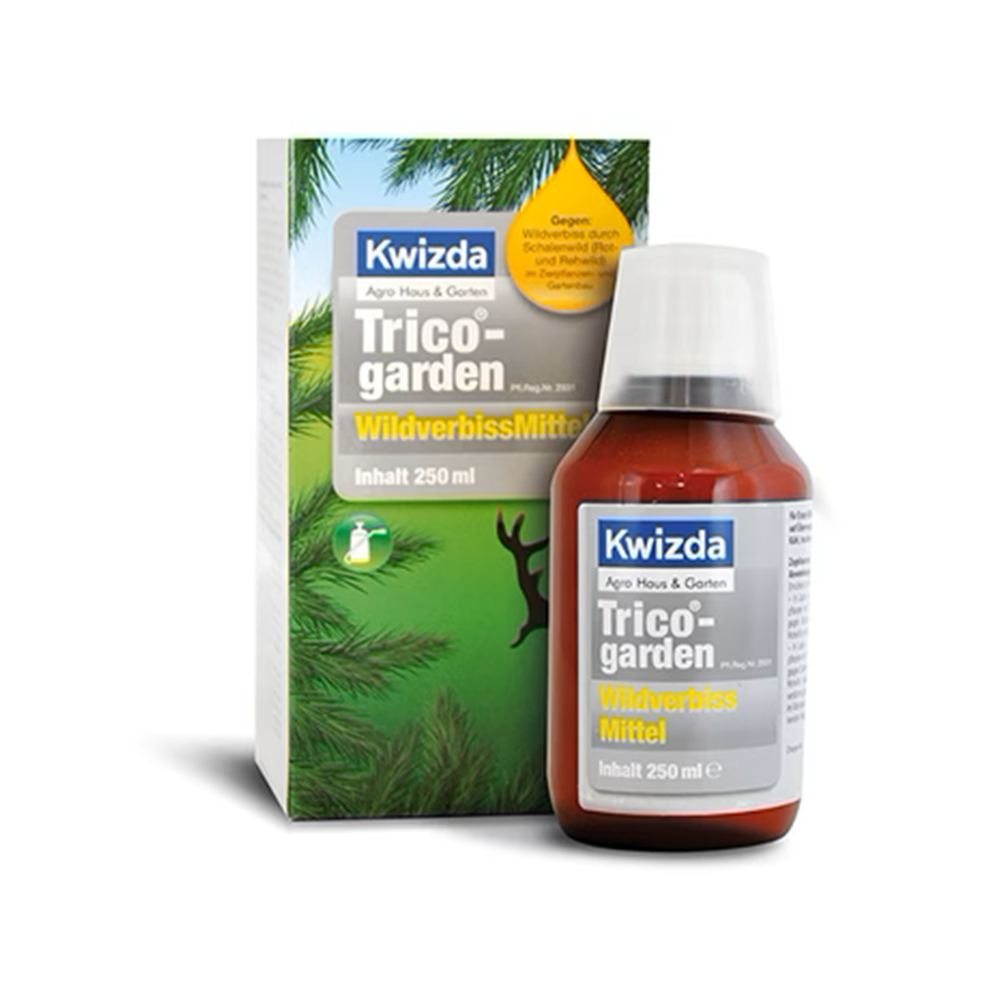
Effective Deer Control with TRICO® Deer Repellent: A Seasonal Guide
At Wildscape Deer Management, we are committed to providing advanced solutions for deer control. Our TRICO® Deer Repellent collection is specifically designed to mitigate the detrimental impacts de...
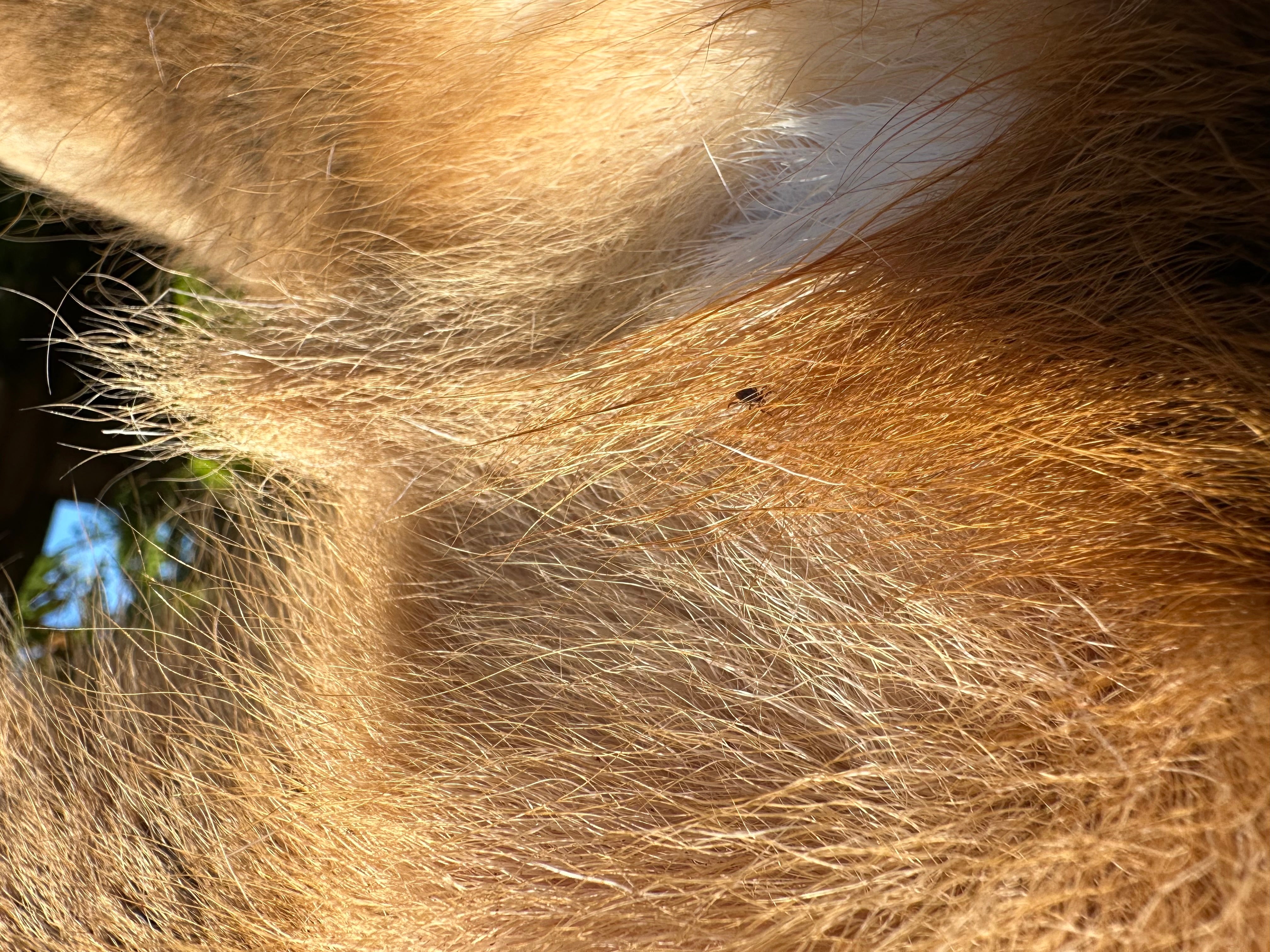
Tackling Tick Infestations on Deer in Southern England
The deer populations in Southern England are a cherished aspect of the region's wildlife, contributing to the ecological balance and offering a valuable resource for both estate managers and deer s...
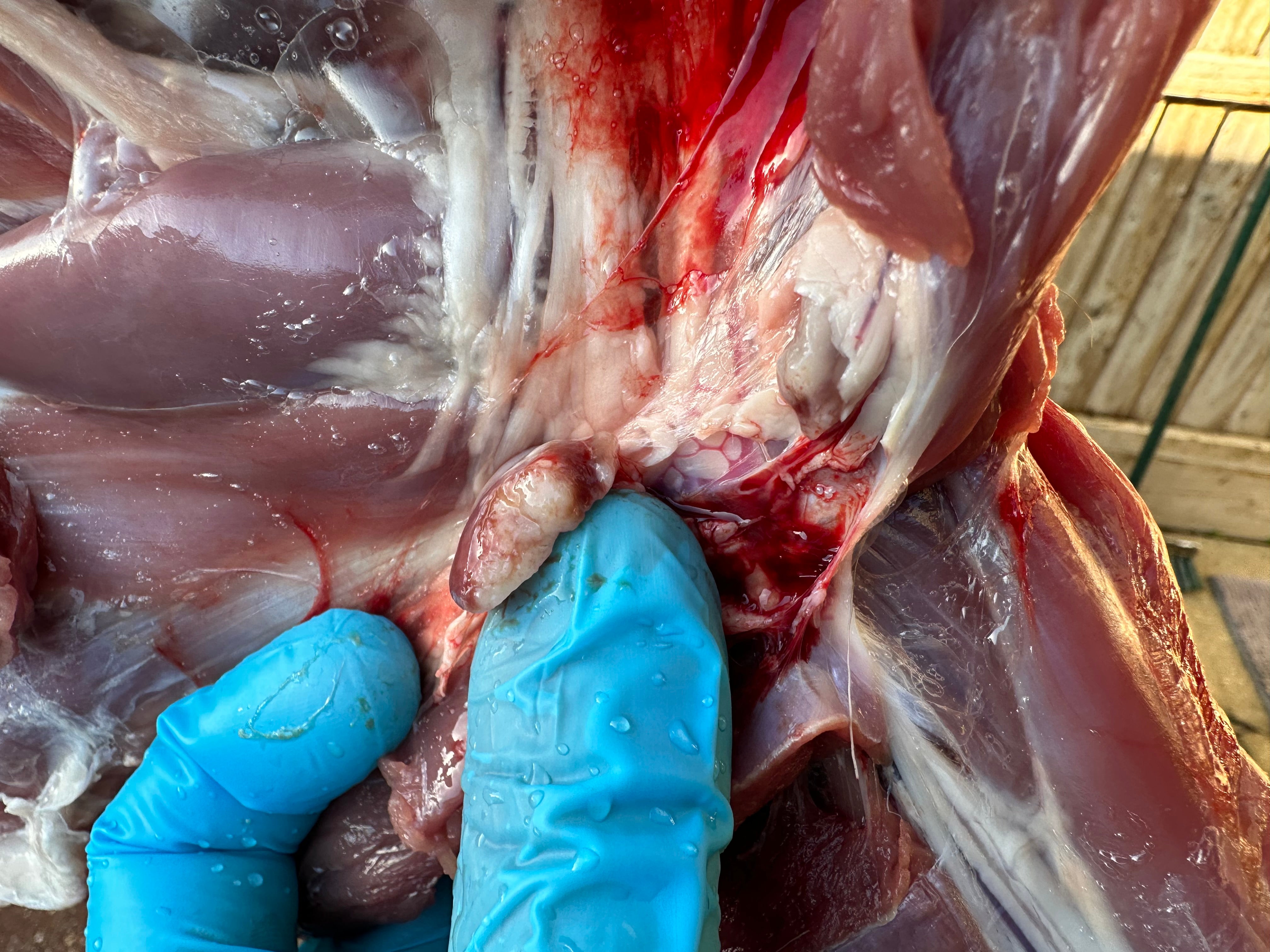
An Examination of Pre-Scapula Lymph Nodes in UK Deer
The health and management of deer populations on estates across the United Kingdom is a matter of significant concern for land and estate owners. Monitoring and understanding deer health is crucial...
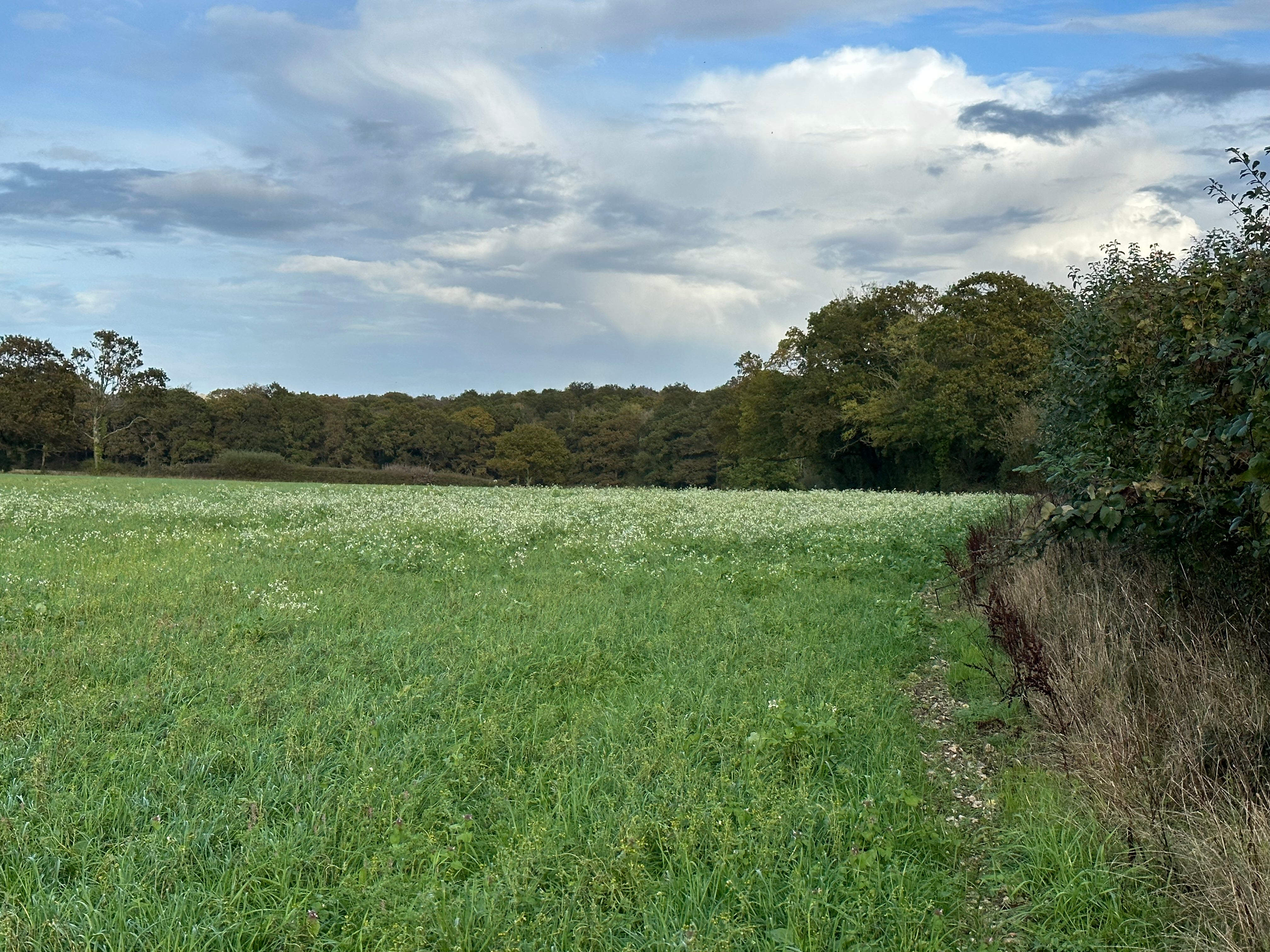
The Impact of Roe and Fallow Deer on Sussex Woodland Regeneration
In the lush woodlands of Southern England, two deer species, Roe and Fallow, tread along the forest floor, each leaving a distinctive mark on the woodland's regeneration journey. While these deer ...
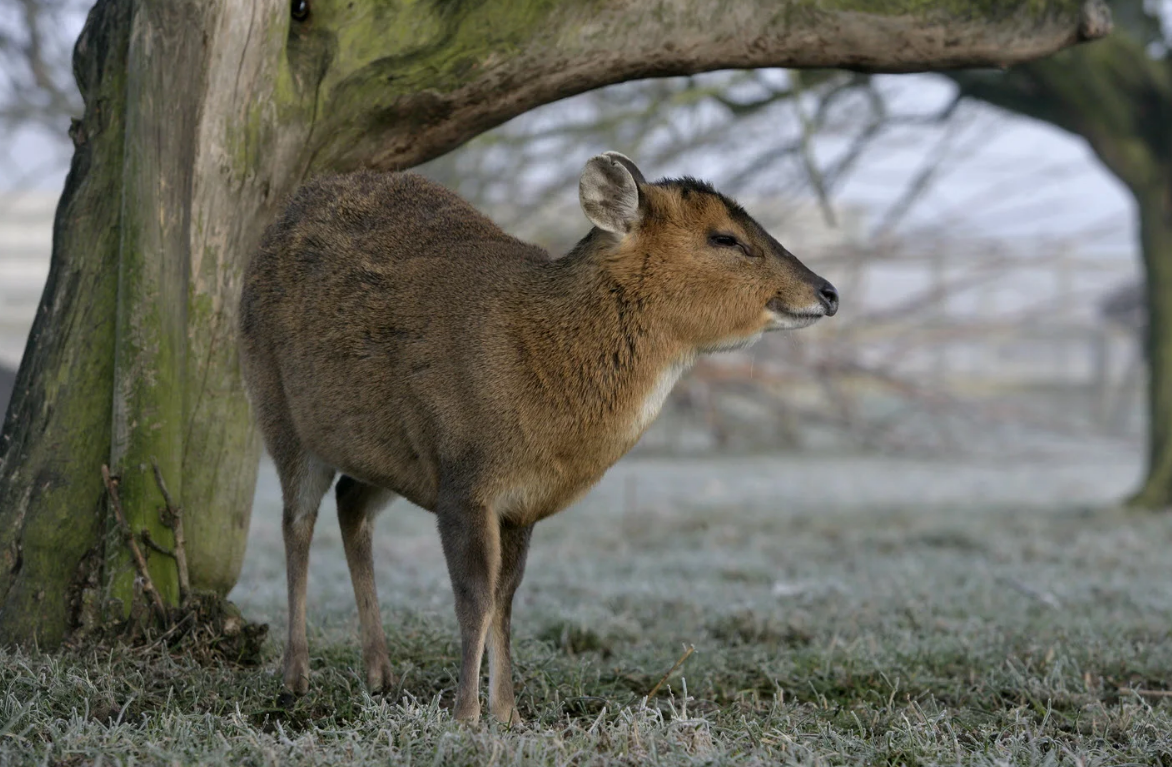
Anatomy of the UK Deer Series 4/10: The Cardiovascular and Respiratory Systems
The deer's cardiovascular system, encompassing the heart and an extensive network of blood vessels, is tailored for the efficient circulation of blood, oxygen, and nutrients across its body. The he...