

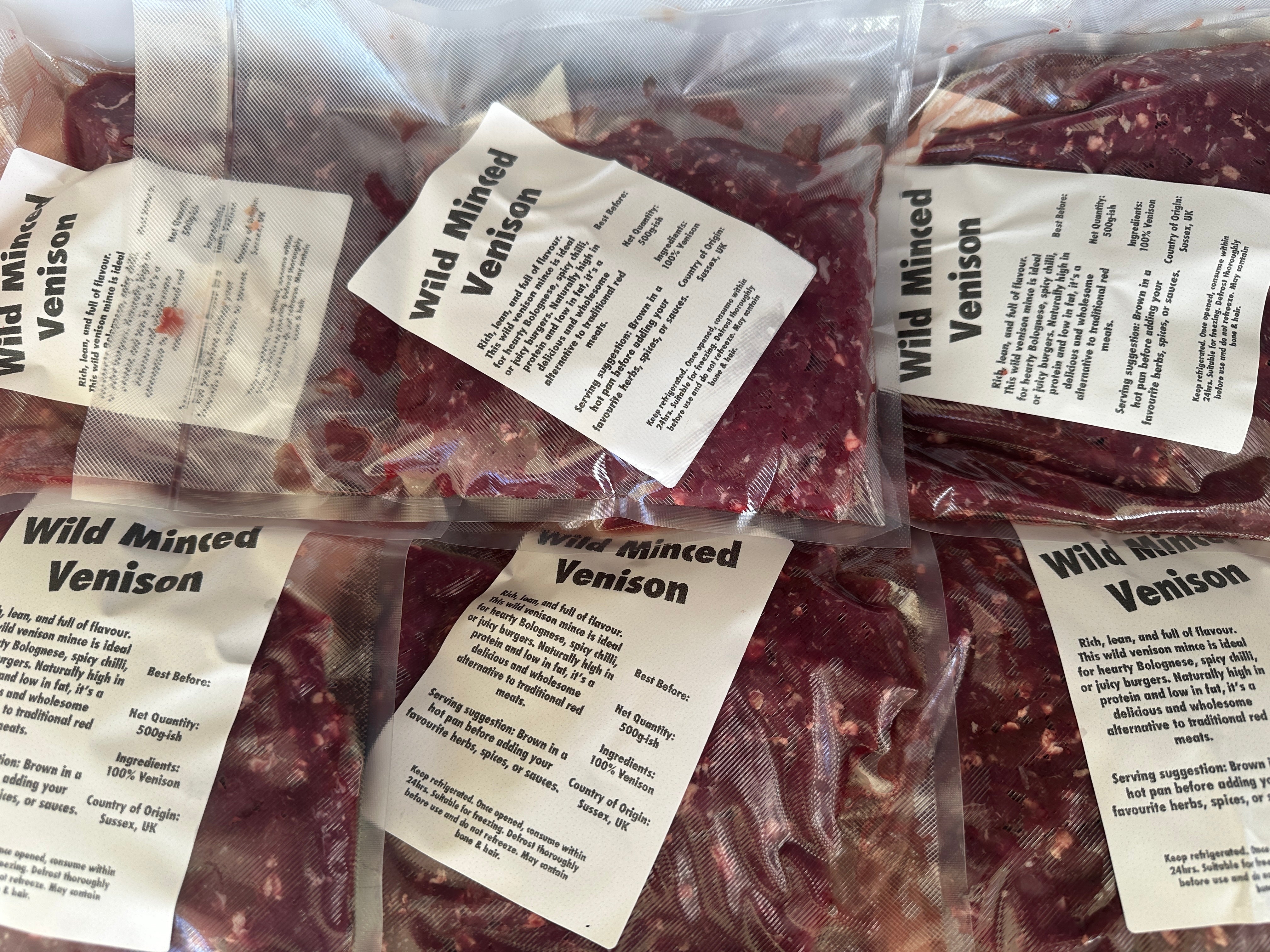
Sharing Venison, Sharing Understanding
As government support grows and as the scale of deer impact becomes impossible to ignore, public understanding will shape the policies ahead. If people see venison as a sustainable, local, healthy ...
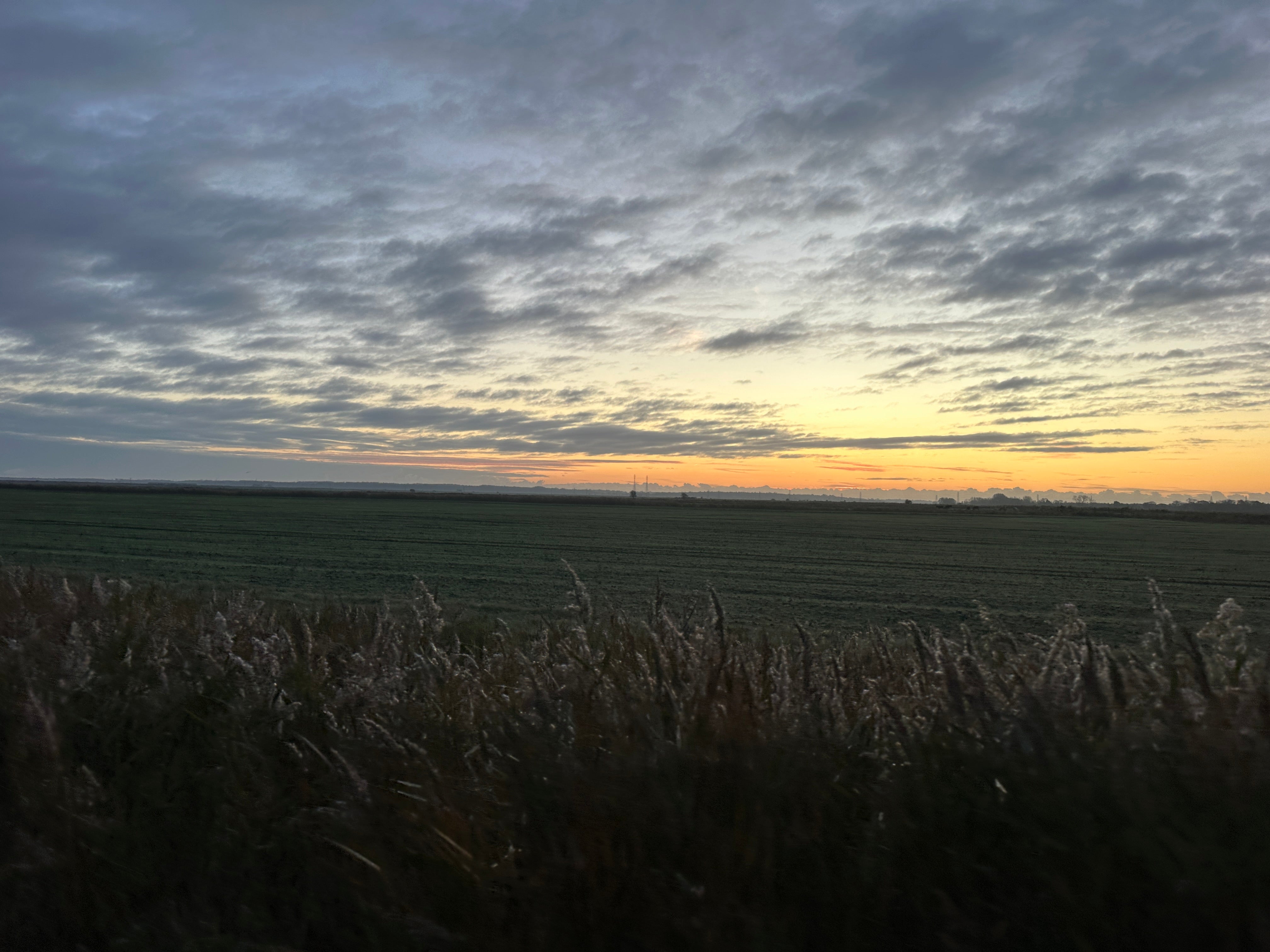
A Visit to Raveningham Estate - Deer Management
My experience at Raveningham highlighted this yet again. The opportunity I was given was not based on medals or spectacle. It was based on appropriate management, seasonal need, and ecological reas...
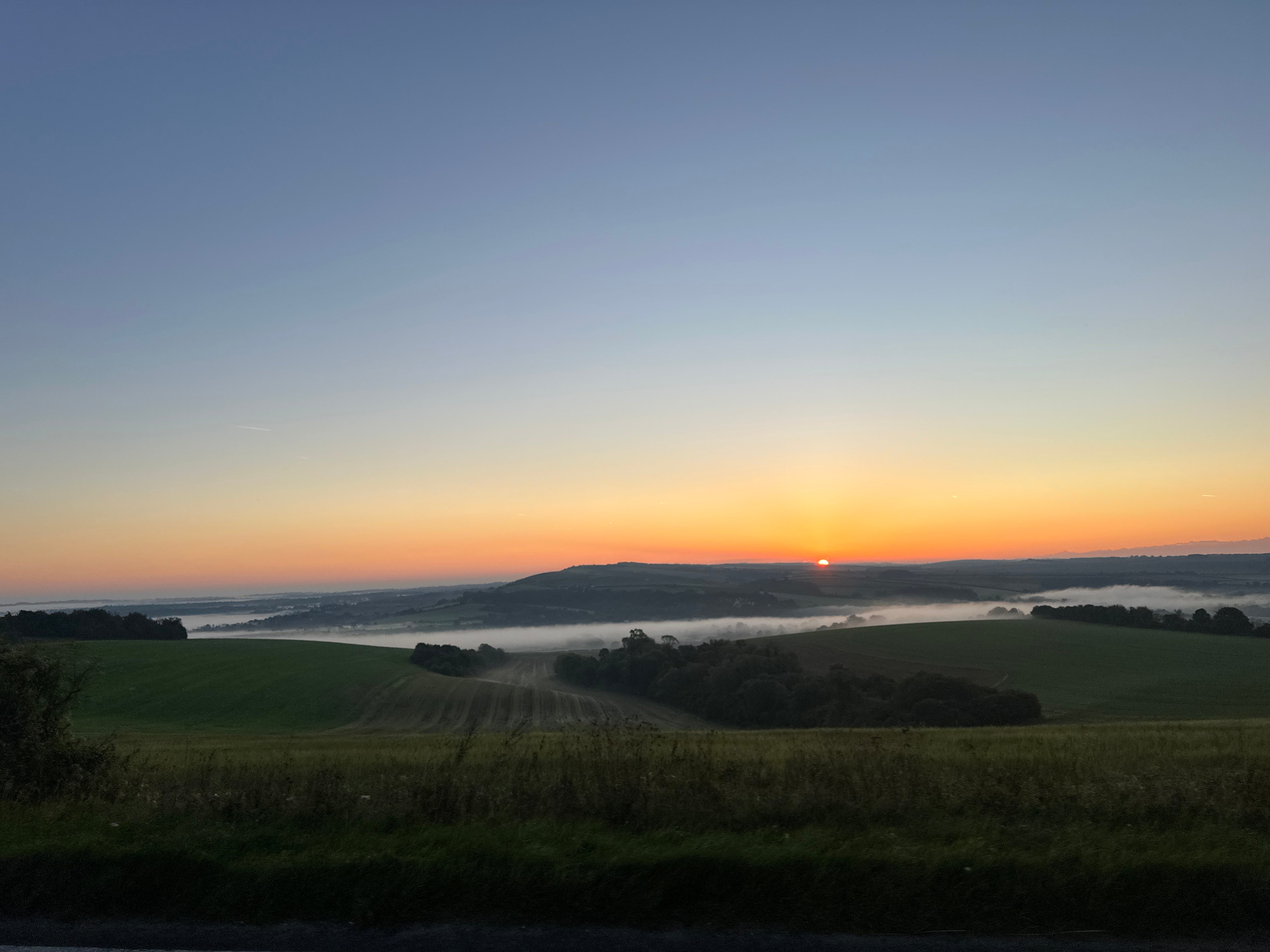
Professional Deer Management in Sussex - Supporting Sustainable Woodlands, Farming, and Biodiversity
Deer management across Sussex is no longer a seasonal consideration. It is a vital part of responsible land stewardship. At Wildscape Deer Management, we deliver professional, compliant, and data-l...
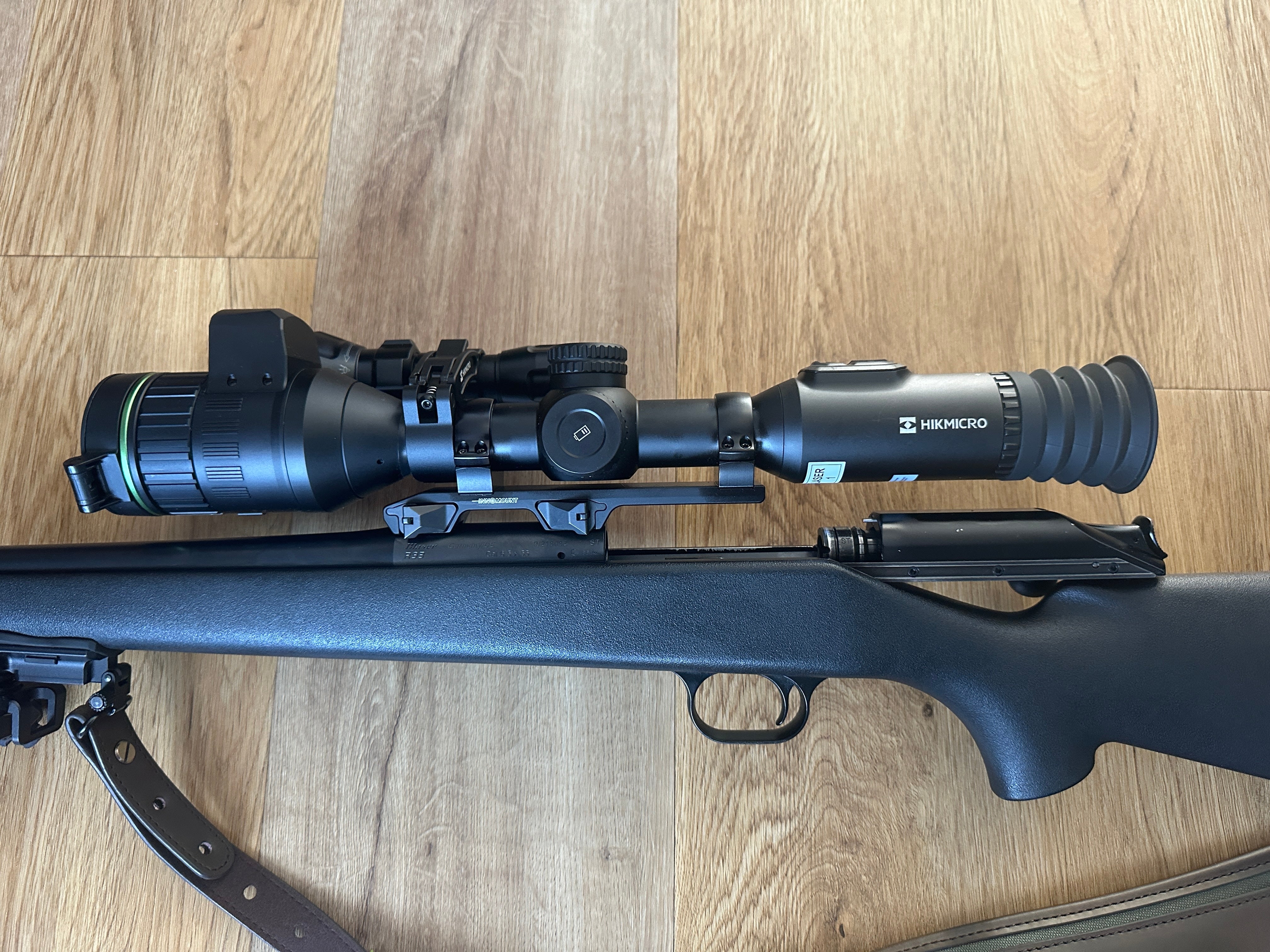
Digital Versus Conventional Rifle Scopes: Finding Balance in Modern Deer Management
To ensure an objective comparison, we used two identical Blaser R93 platforms chambered in 6.5x55, both running the same handloads. The first carried a Swarovski Z8i 2.3-18x56, the second a HikMicr...
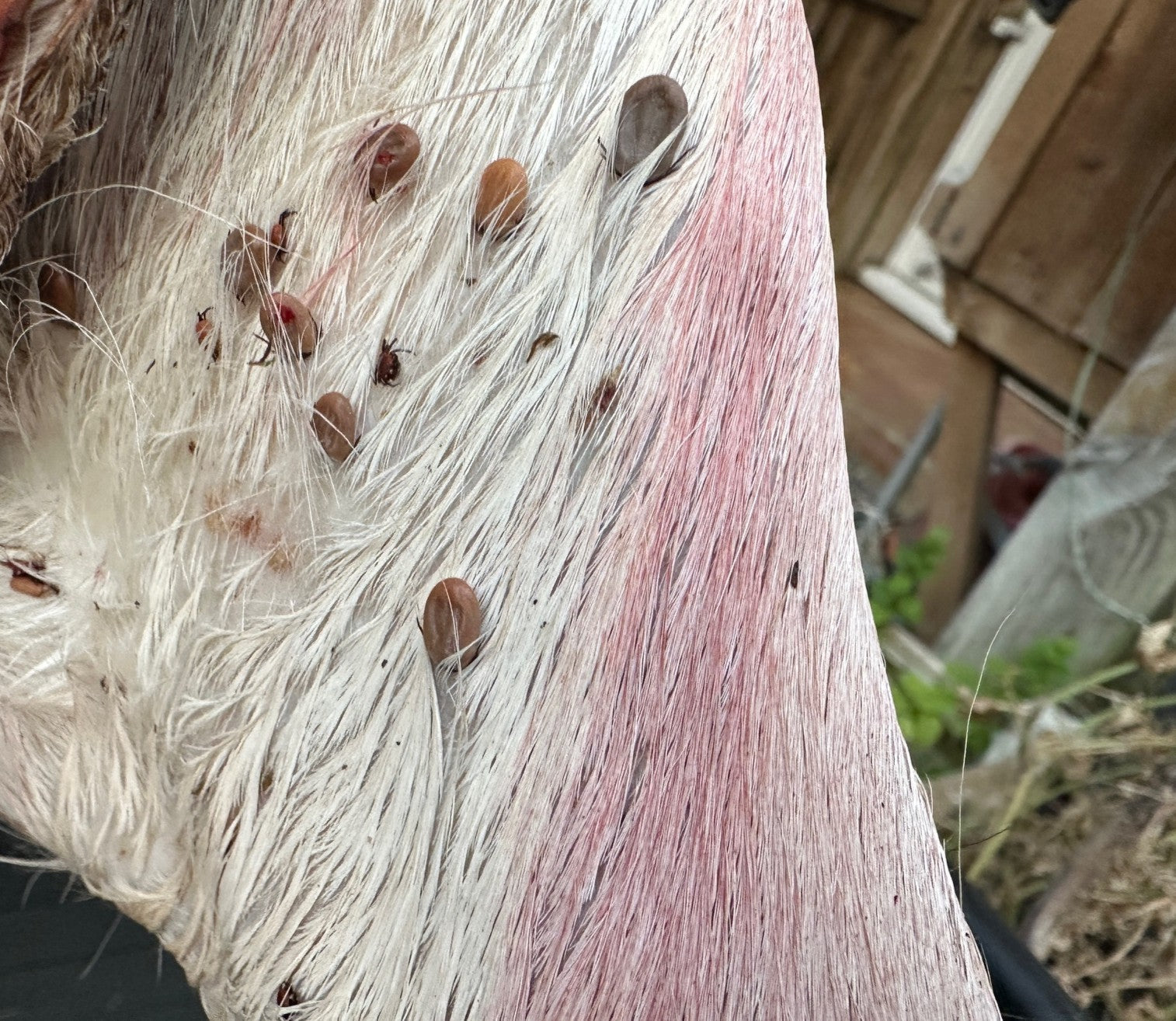
Ticks in a Changing Climate: Why We’re Seeing Them Later in the Year
The persistence of ticks later into the year is more than just an inconvenience; it is an early warning signal about our changing ecosystems. Longer active seasons are symptomatic of wider environm...
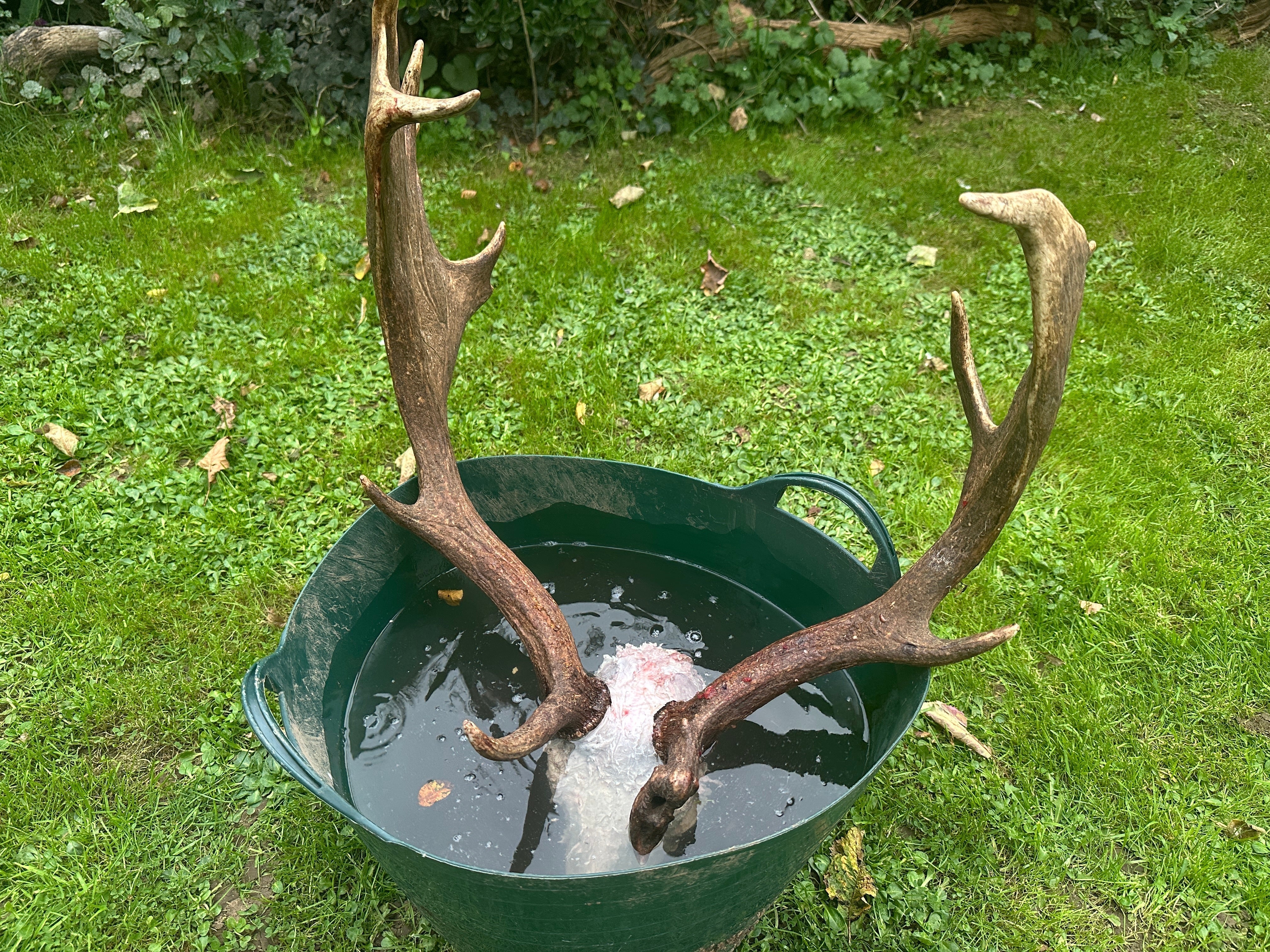
Knowing When It’s Time: The Art of Managing the Mature Buck
Selective culling often gets misunderstood as “trophy selection,” a misconception that does the profession no favours. In reality, selective culling is about population health, not aesthetics. It’s...
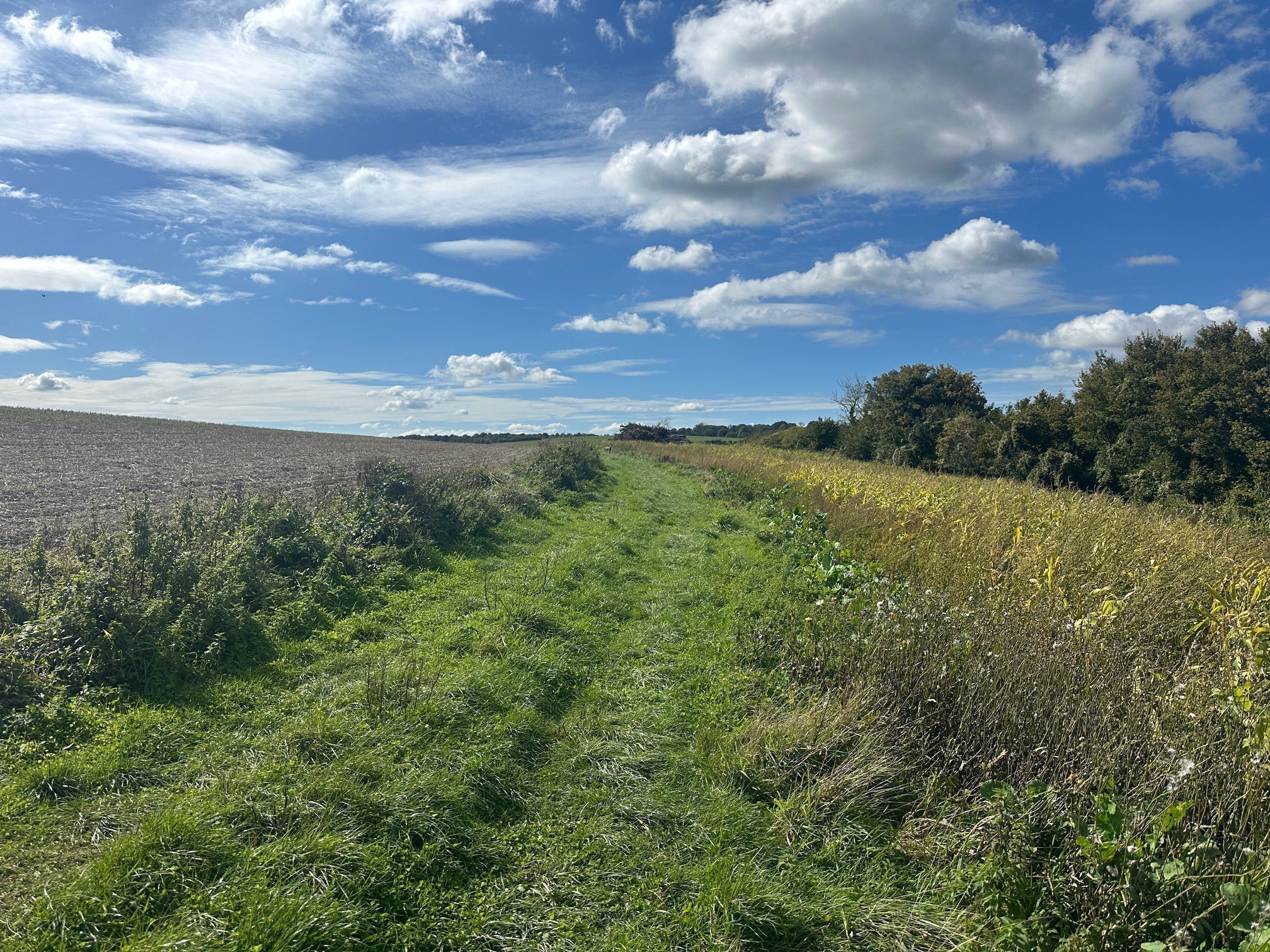
The True Cost of Deer Management on a 10,000 ha Estate
The Countryside Stewardship CWS1 Deer Control and Management Grant, offering £105 per hectare per year, is more than a funding stream — it is a critical mechanism for ensuring estates can afford to...
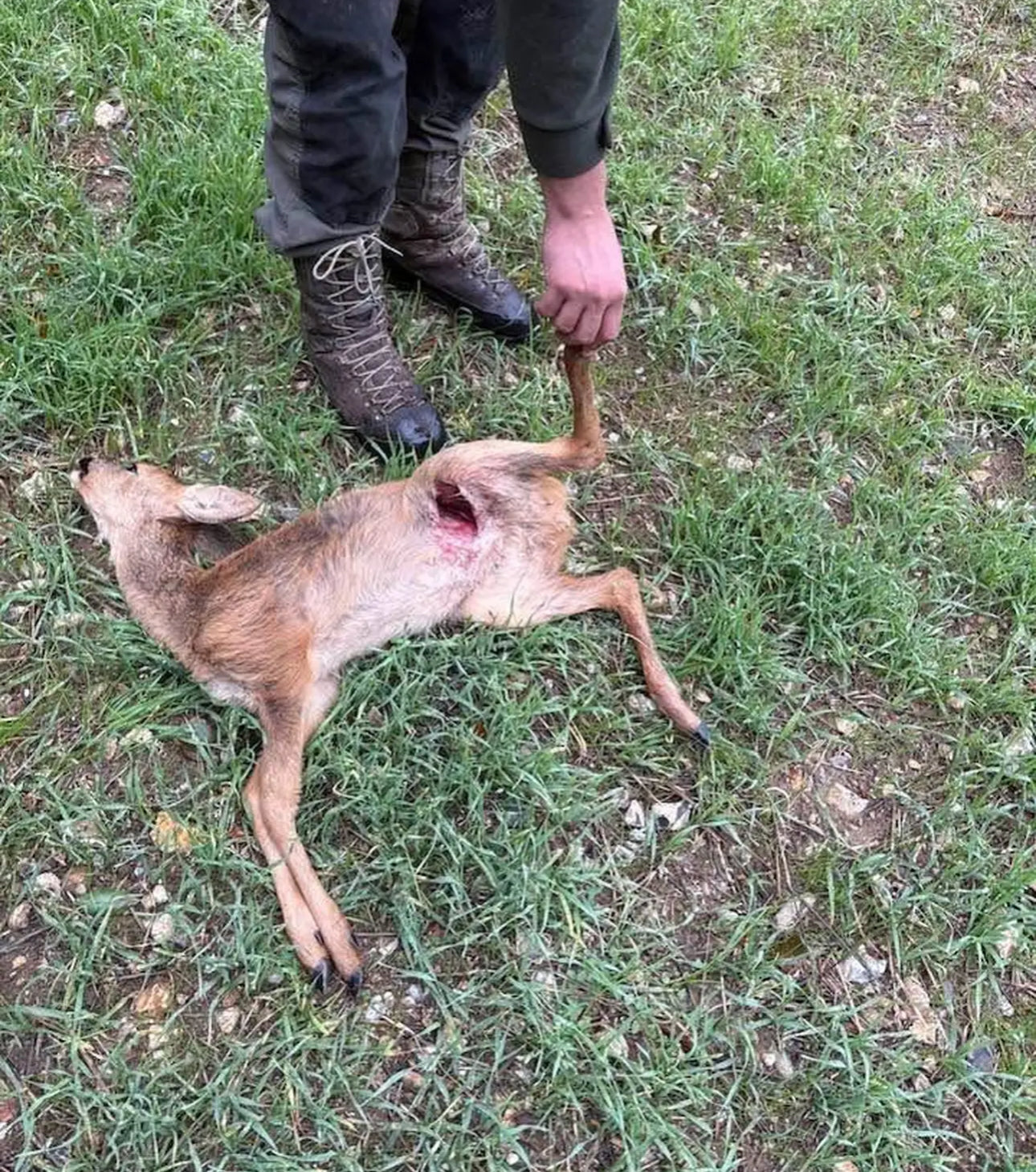
Dog Ownership: Protecting Deer and Preventing Needless Suffering
Every year, deer managers in Sussex and across the South East are called out to deal with the same, entirely preventable problem: deer injured or killed by dogs. These incidents are not rare. They ...

Responsible Ride Management: Linking Deer Control and Woodland Health
Rides are often thought of as simple access routes, cut through woodlands for extraction or ease of movement. Yet anyone with experience in professional deer management knows they are far more than...
Deer Management on Airports: Safety Beyond the Woodland
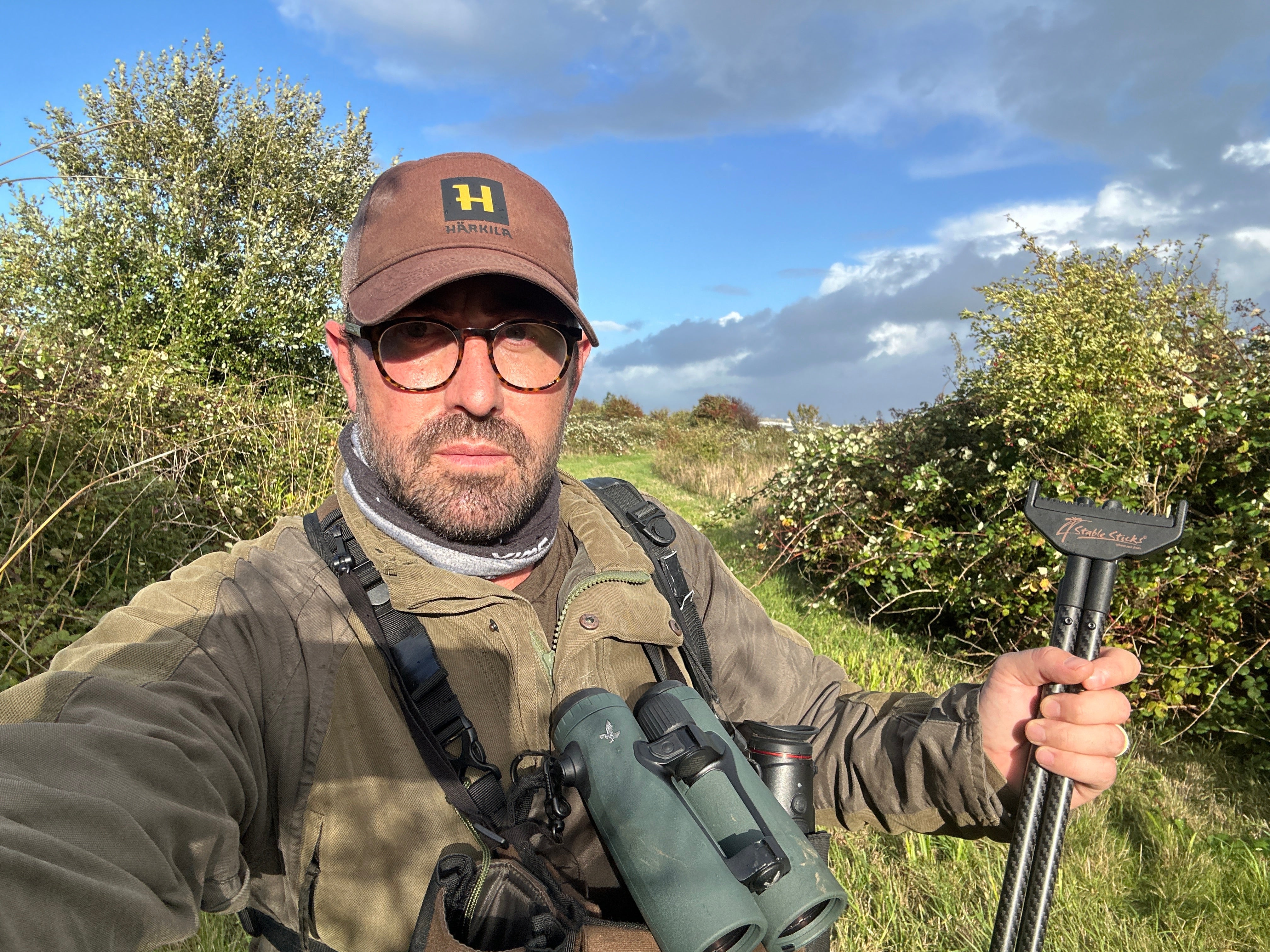
Airports are usually surrounded by large areas of grassland, scrub, and boundary woodland. These areas are attractive to deer, particularly fallow, which graze openly and move across landscapes in ...
Deer Diets in the South East; What Do Deer EAT??
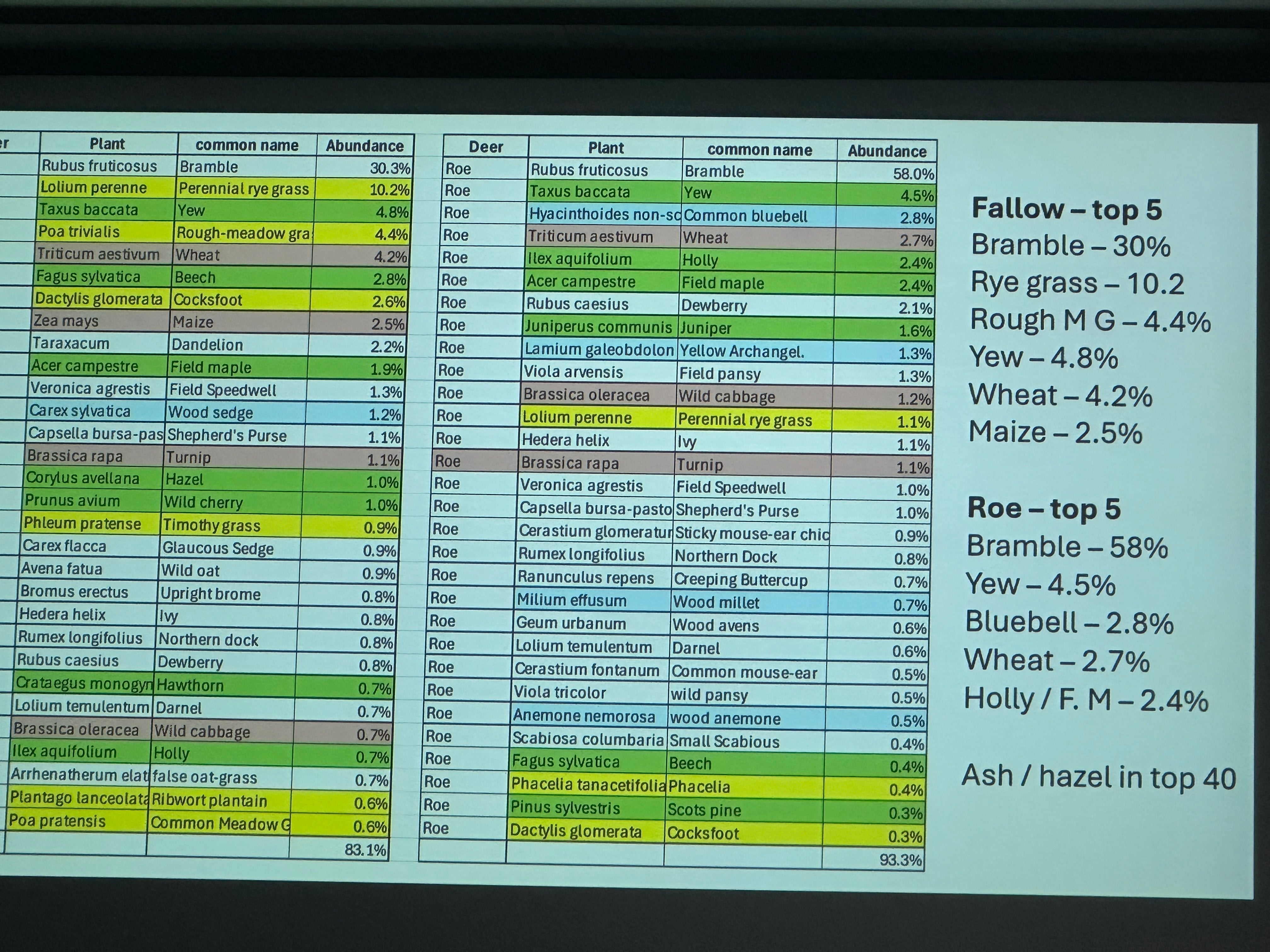
Deer Diets in the South East; What Do Deer EAT?? Recent feeding data from the South East provides a fascinating and, at times, sobering insight into the diets of fallow and roe deer. With over 300 ...
Collaboration, Adaptation, and the Future of Deer Management
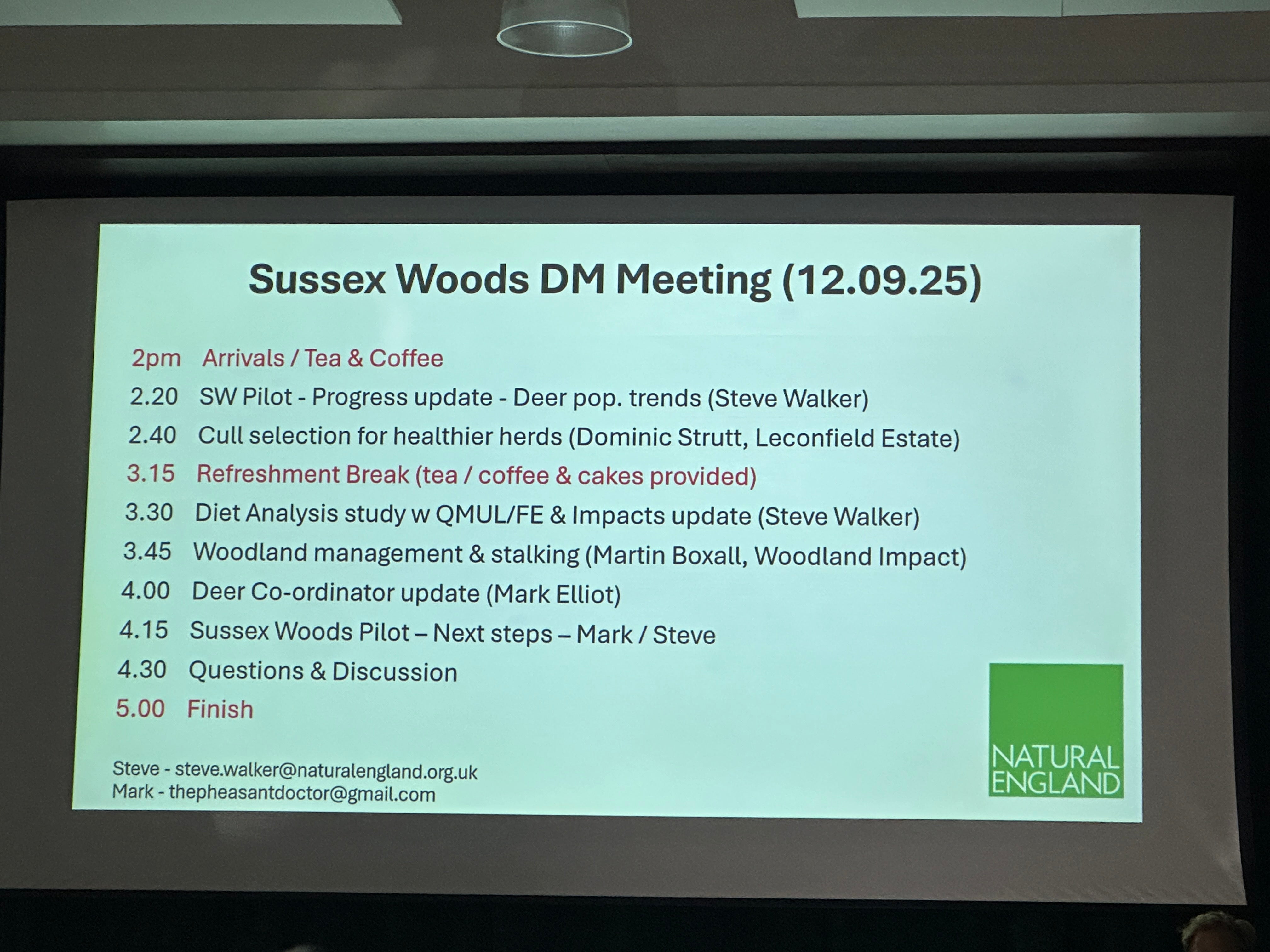
Across Sussex and the wider South East, deer numbers remain a pressing concern, with fallow in particular creating acute challenges for landowners and conservationists alike. While disagreements ex...
The Importance of Stakeholder Engagement and Collaboration in Deer Management
Deer management Sussex, fallow deer control, Countryside Stewardship grants, CWS1 deer grant, PA7 species management plan, herd reduction, estate collaboration, woodland regeneration, biodiversity ...
Safety in Sussex Deer Management: Why Knowing Your Ground is Non-Negotiable
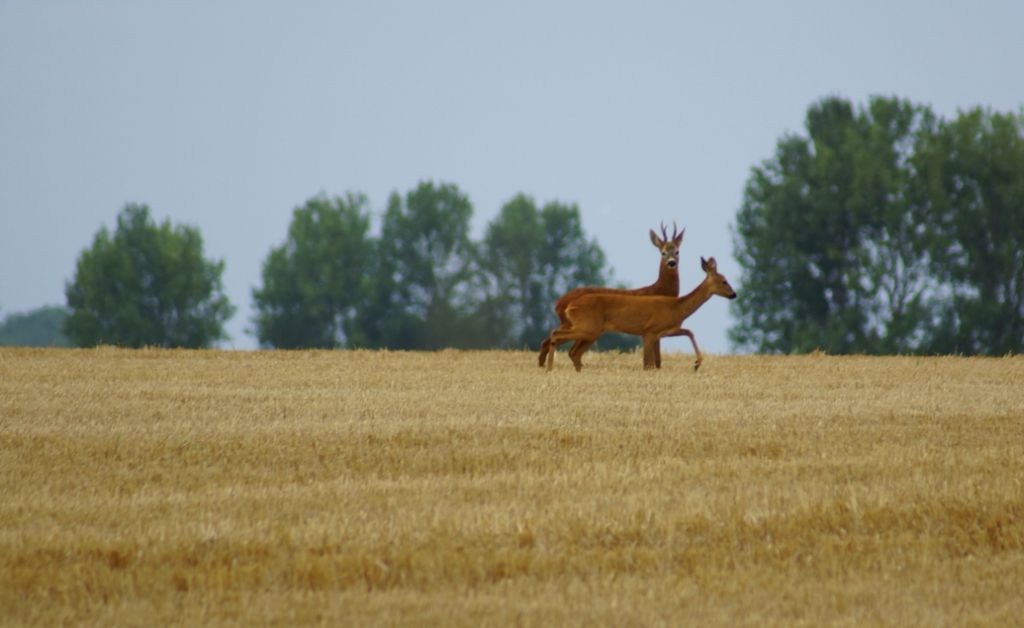
Sussex Deer management is about more than population control; it is about responsibility, professionalism, and trust. A skylined fallow may look like a perfect shot, but without knowing the ground,...
Ticks, Lyme Disease, and Deer Management: Lessons from the Field
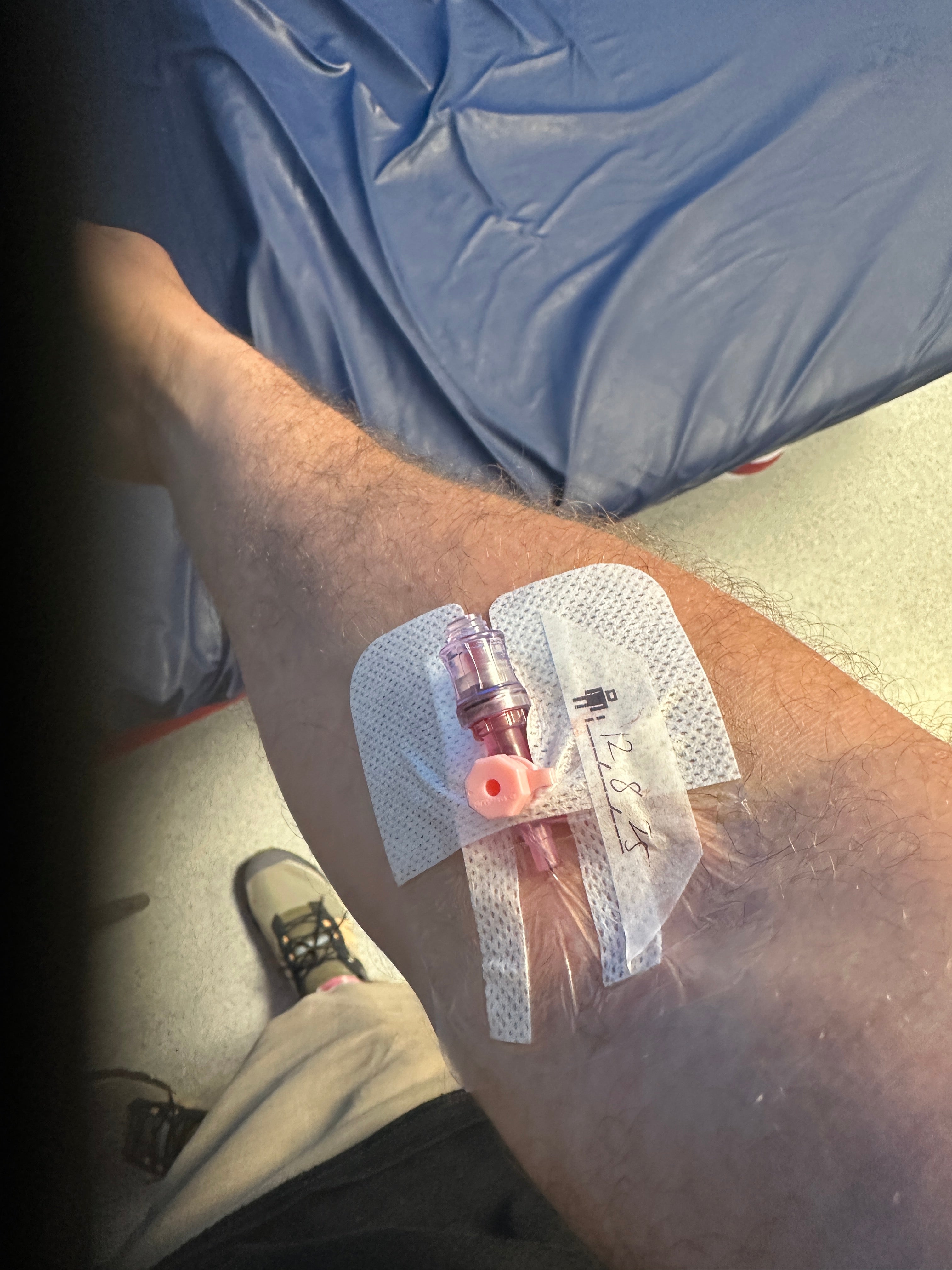
What Exactly Are Ticks? Ticks are small arachnids, relatives of spiders and mites, that feed on the blood of mammals, birds, and sometimes reptiles. In the UK, the most common species is the sheep ...
Deer Presence in Sussex Woodlands - The Signs Of Deer In Sussex
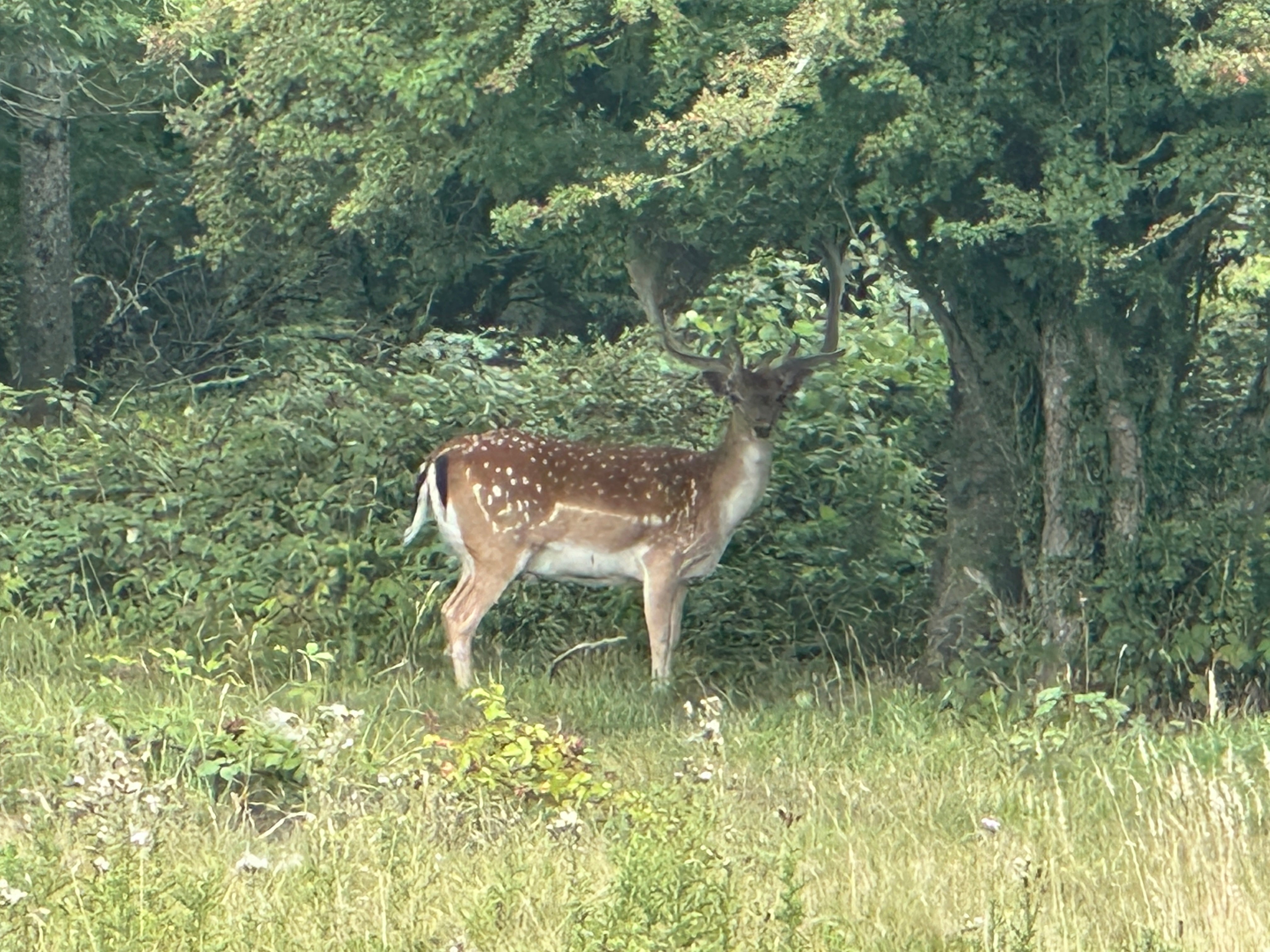
Deer management in Sussex woodlands is becoming increasingly urgent, with fallow, roe, and muntjac deer leaving clear signs such as faecal pellets, browsing damage, bark fraying, and crop losses. F...
The Realities of Using Expensive Scopes: Our Year With the Swarovski Z8i 2.3–18x56 P
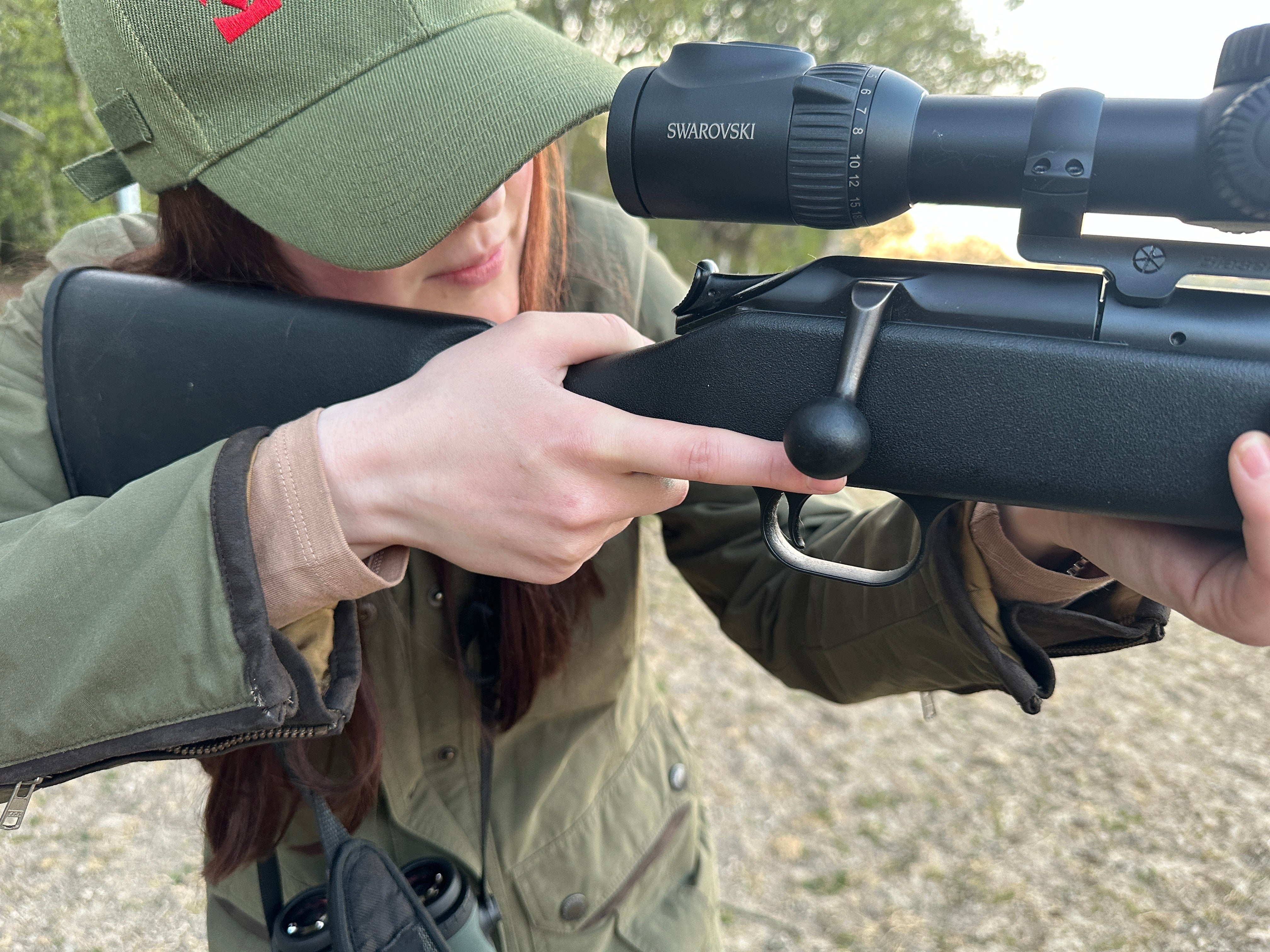
The Swarovski Z8i 2.3–18x56 P rifle scope REVIEW has become an essential tool in our professional deer management across Sussex and the South East, delivering unmatched low-light performance, opti...
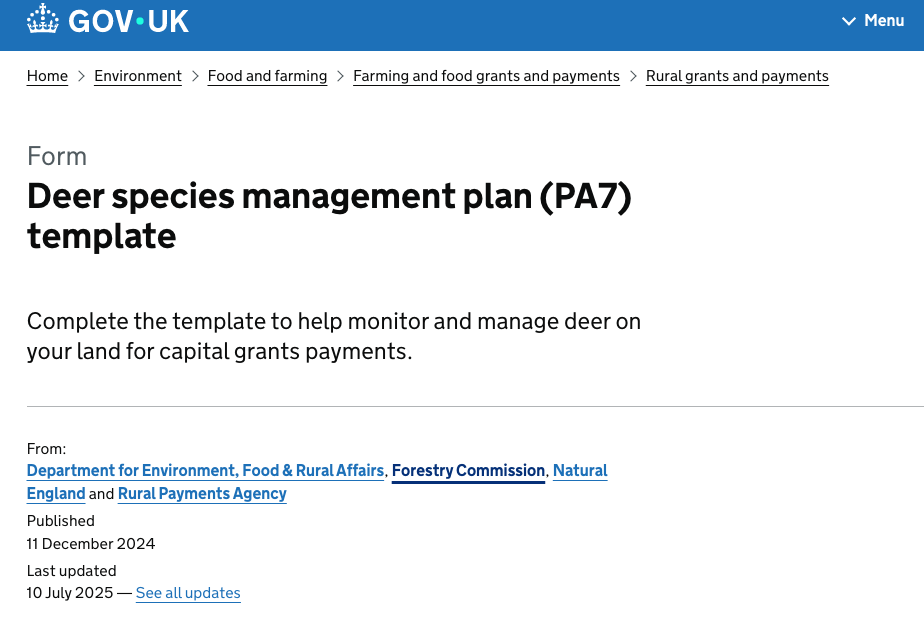
New PA7 Species Management Plan Requirements for Countryside Stewardship (July 2025)
The government has released an updated PA7 Deer Species Management Plan template, essential for landowners applying for Countryside Stewardship grants. This new template is designed to simplify and...
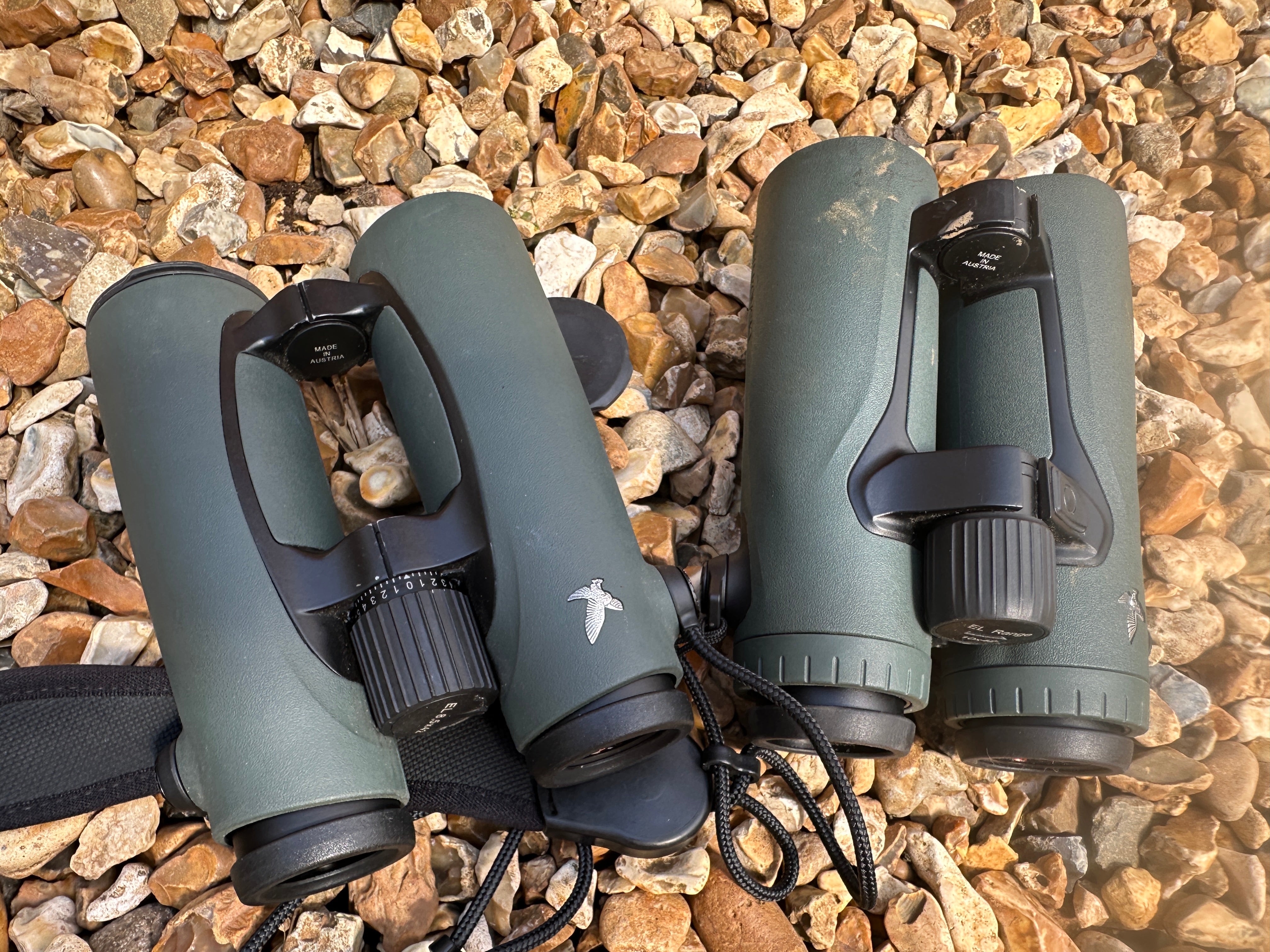
Field-Test Review: Swarovski EL 8.5×42 Field Pro vs. EL Range 10×42
Choosing the right binoculars is as critical for professional deer management as selecting your rifle or ammunition. Over the past six weeks, I've extensively field-tested two top-tier models from ...
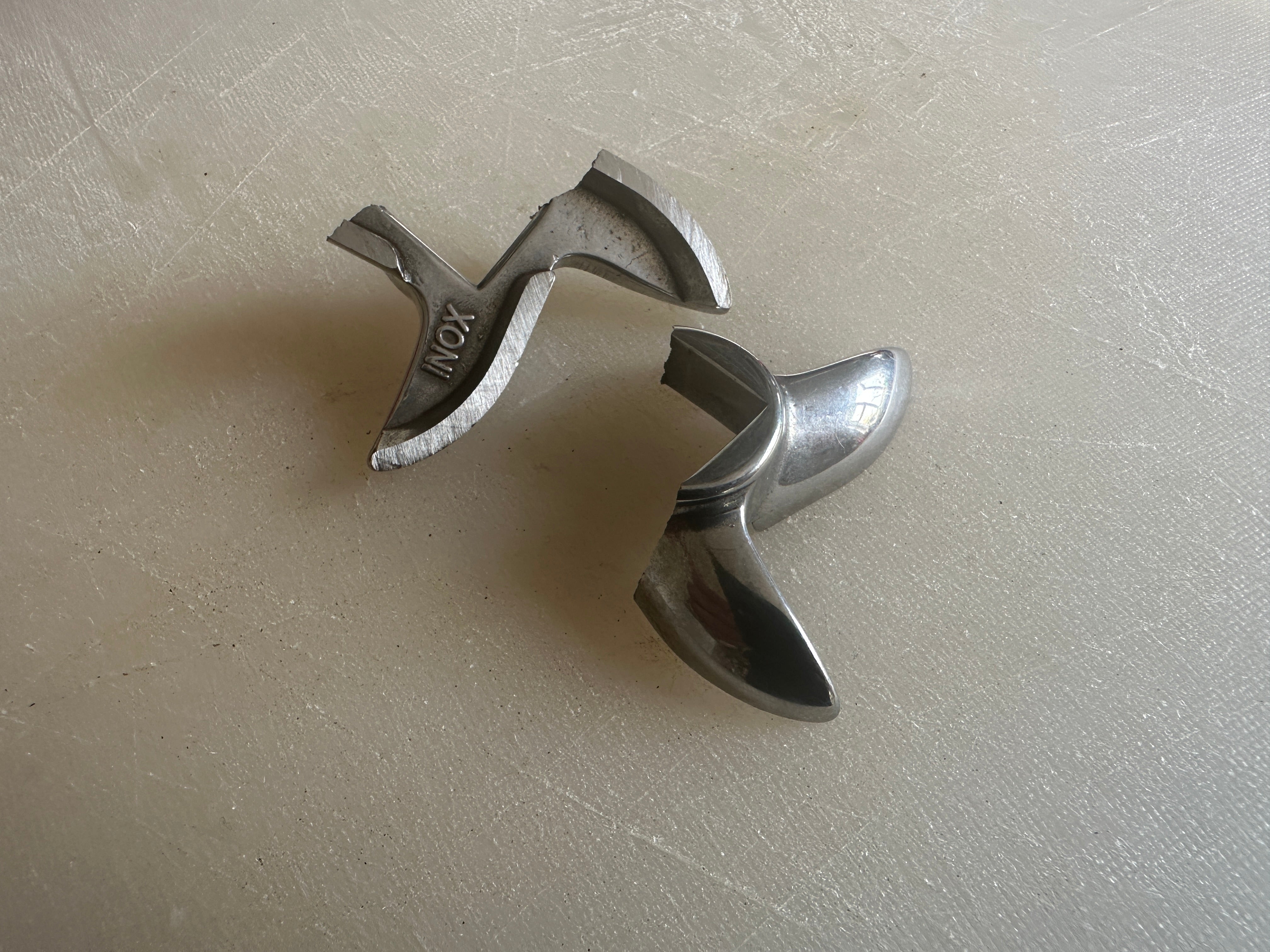
Minced Venison: Five Reliable Venison Dinners (And One Rookie Mistake)
Most mornings here start smoothly: coffee, first-light check of the larder and a batch of carcasses to break down before the day runs away with itself. Today felt no different, until I fitted the b...
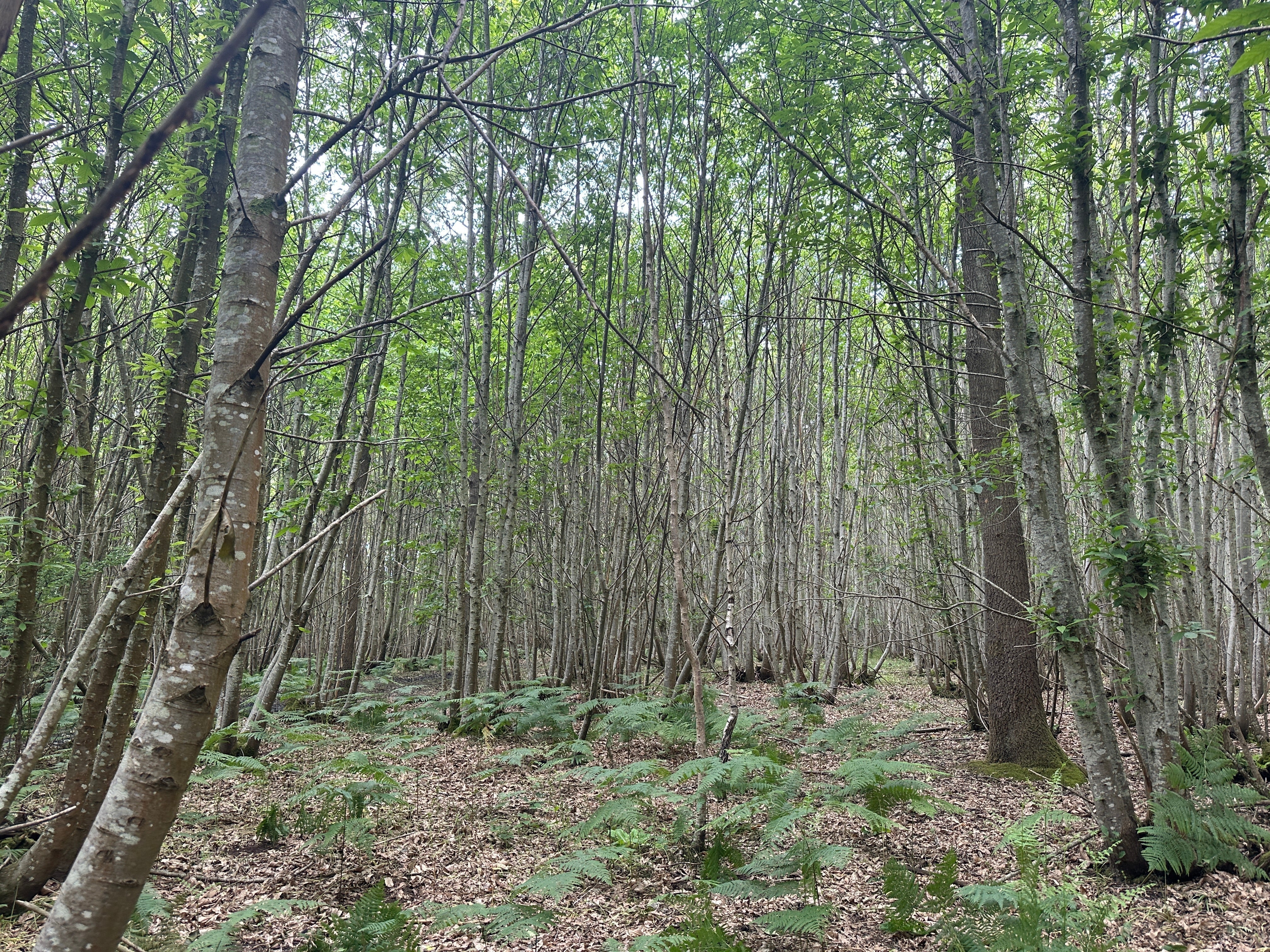
Deer Management in West Sussex: Turning Shared Pressure into Shared Action
West Sussex has always been home to healthy herds of roe and, increasingly, fallow. Over the last ten years, however, those herds have expanded beyond what most estates, farms and woodlands can now...
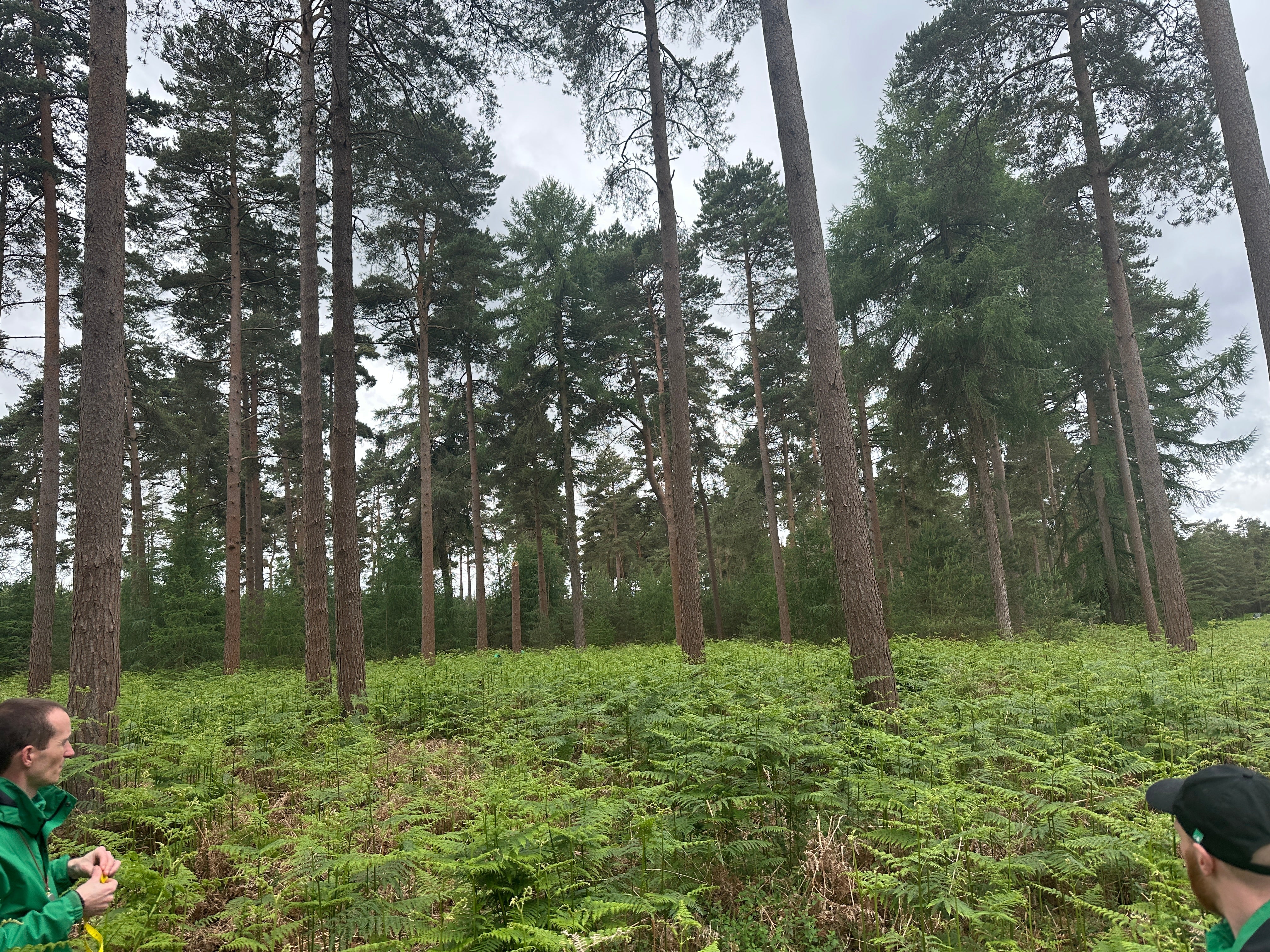
Learning from the Field and Visiting Euston Estate
Deer management can often be a solitary job, early starts, long days, and time spent alone deep in woodland (in Sussex at least). While there are plenty of benefits to working outdoors, the reality...
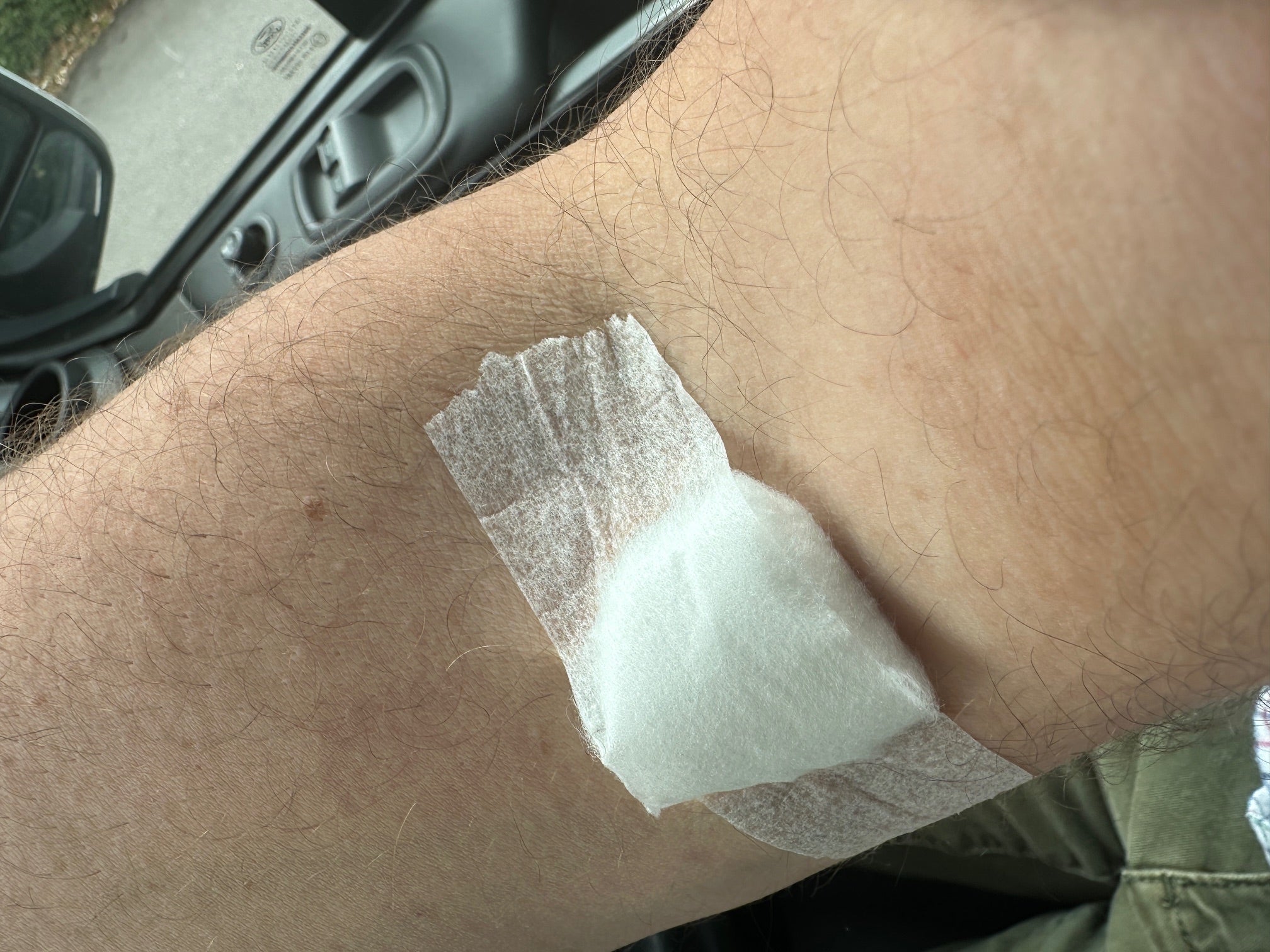
Why I Took a PSA Test and Why, If You Work Outdoors and You’re Over 40, You Probably Should Too
Today I took time out to have a PSA test. Nothing complicated, just a straightforward blood test to check for prostate-specific antigen levels. It took all of ten minutes. No drama. The reason I’m ...
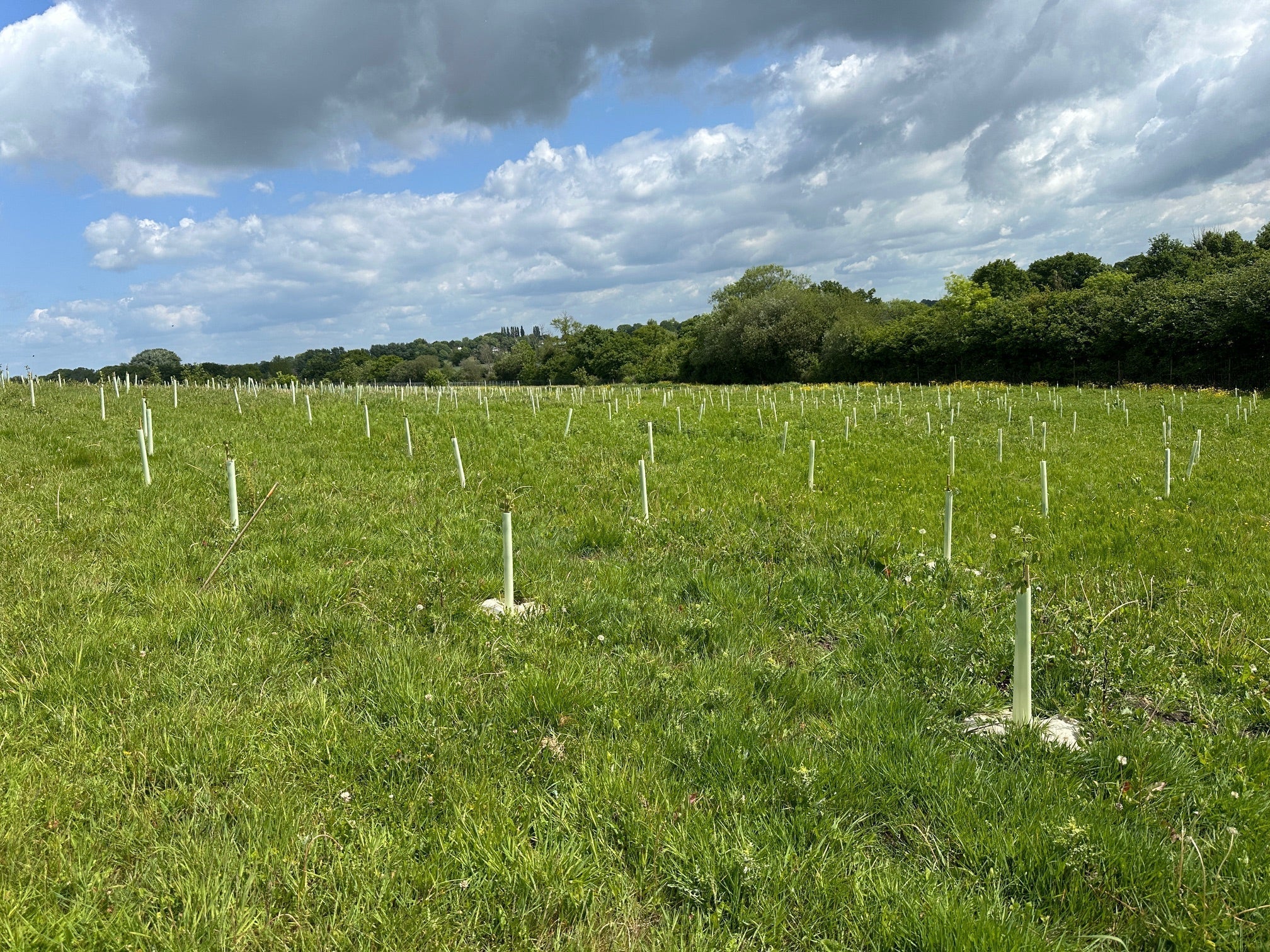
Working Together: The Only Viable Path for Deer Management in the South East
Intervention doesn’t mean indifference. It means responsibility. If we as a society are encroaching on natural habitats, then it is also our duty to ensure those habitats remain viable, not just fo...