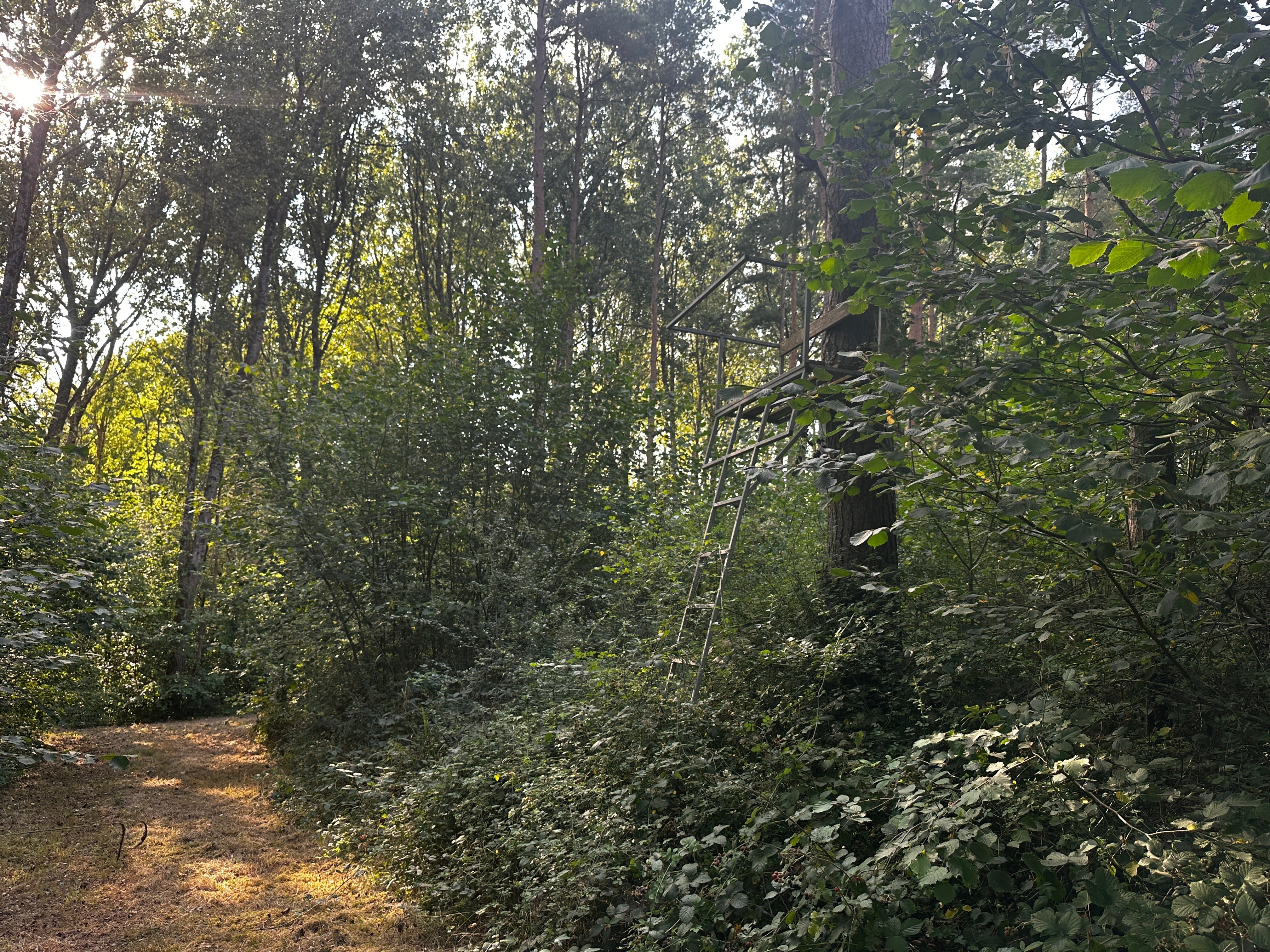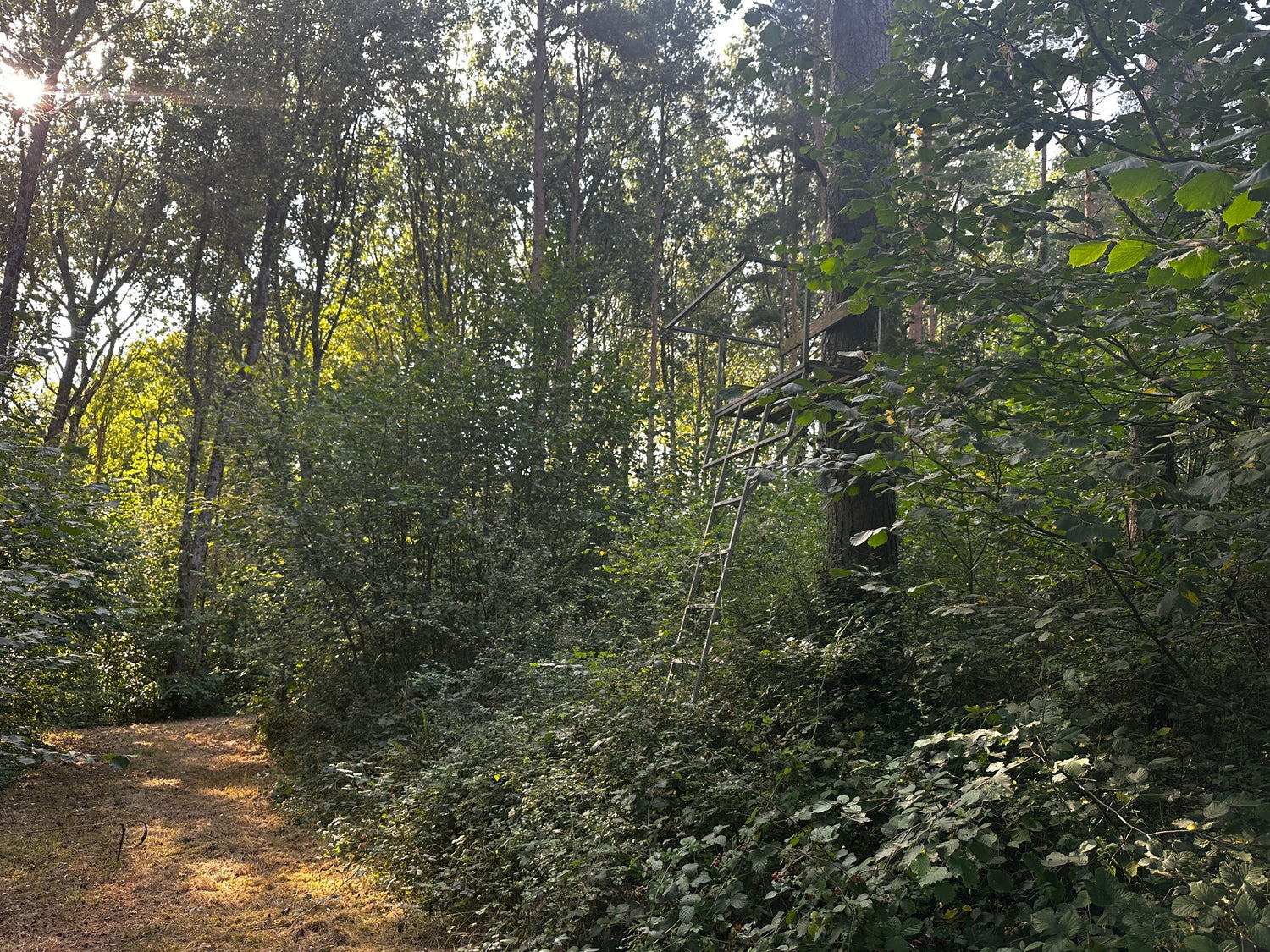
A high seat is often treated as a piece of equipment. It is purchased, carried into the woodland, secured to a suitable tree and marked on the estate map. Yet the effectiveness of that seat depends far less on the steelwork than on the ground around it. A poorly positioned seat overlooking unmanaged vegetation may provide elevation without providing a safe or useful management position.
By contrast, a carefully selected seat supported by well-maintained rides can improve observation, allow confident identification, reduce disturbance and create a much more controlled environment in which professional decisions can be made.
The distinction lies in planning. Ride management, high-seat placement and deer control should not be viewed as separate activities.
They form part of the same operational system. The deer manager, gamekeeper, forestry team, grounds staff and landowner all influence whether that system works effectively. Grass height, scrub development, machinery access, forestry operations and public use can all change a previously productive position in a matter of months.
Where that coordination is absent, opportunities are lost. Regrowth obscures the lower body of an animal. Bramble closes sightlines. Cut material is left across the most useful observation point. A high seat installed against suitable ground becomes ineffective because the ride beneath it is allowed to disappear into vegetation. The seat remains on the map, but its practical value declines season by season.
Where communication is strong, the position can be very different. Rides remain functional without being over-managed. Important backstops remain visible. Deer movement can be observed consistently, and the estate develops a clearer understanding of how animals are using the woodland. This is not cosmetic maintenance. It is part of the preparation that allows deer management to be delivered safely, selectively and with purpose.

A Woodland Ride Is More Than an Access Track
Woodland rides are usually considered first as access routes. They allow forestry machinery, emergency vehicles, maintenance teams and gamekeeping staff to move through the woodland. They can also provide valuable edge habitat, increase structural diversity and create warm, sheltered conditions for a wide range of plants and invertebrates.
For the deer manager, however, rides also function as observation corridors. Deer may use them because they offer easier movement between compartments, feeding areas and daytime cover. They may cross quickly, travel along the margins or step into the open to feed on grass and fresh growth. Where the surrounding woodland provides security, a well-positioned ride can become a predictable point of movement.
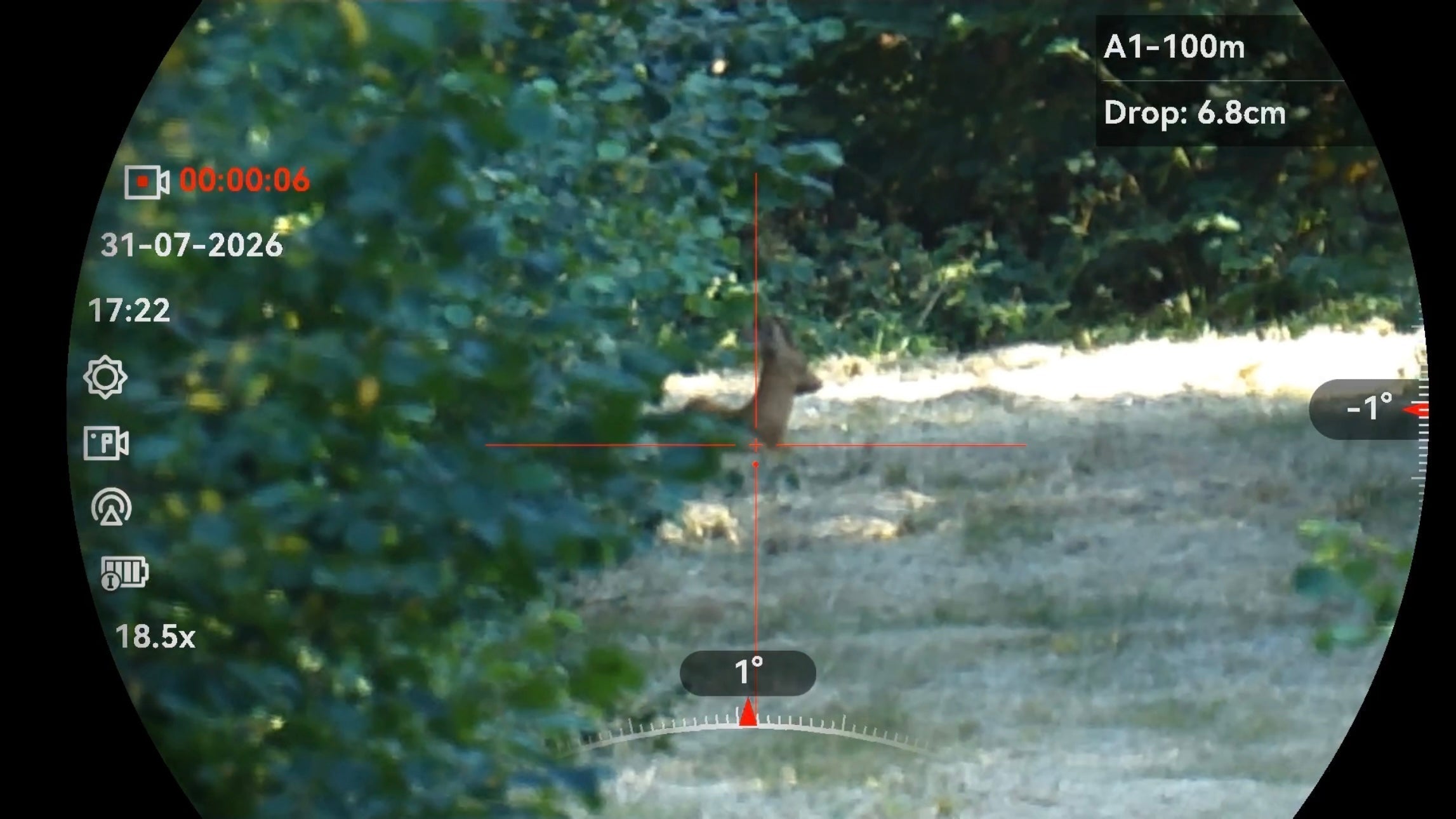
That predictability has real value, but only where the condition of the ride allows the manager to see what is happening. Long grass can conceal the legs and lower body of larger deer and may almost completely hide muntjac. Bramble, bracken and overhanging branches can interrupt the view from a high seat and reduce an encounter to a few hurried seconds. An animal may be detected without ever being seen clearly enough for a responsible decision to be made.
Maintaining a ride therefore does more than improve visibility. It creates time. Time to observe the animal properly, confirm species and sex, assess condition and age class, identify whether other deer are standing nearby, and understand what lies in front of and behind the intended point of aim. It also creates time to decide not to act. That last point is just as important as the others.
The aim is not to manufacture as many shooting opportunities as possible. It is to create better opportunities in which judgement can be exercised without unnecessary pressure. A well-managed ride gives the deer manager a longer and clearer window in which to assess the entire situation. In professional deer control, that additional time is often more valuable than the elevated position itself.

Clear Ground Supports Positive Identification
Positive identification is fundamental to responsible deer management. Before any decision is made, the manager must be certain of the species, sex, condition and suitability of the animal. In mixed-species woodlands, where fallow, roe and muntjac may use the same ground, that assessment can be more difficult than it first appears.
Poor light, dense vegetation and short observation windows all reduce certainty. High grass is particularly problematic because it can conceal the legs, underside and body shape of an animal. Vegetation may distort the outline or hide a second deer standing immediately behind the first. With muntjac and younger animals, the available view may be so restricted that the observer sees little more than movement through the cover.
A maintained ride creates a more consistent visual background. It allows the whole animal to be seen and gives the observer a better chance of confirming what is present before the deer reaches the opposite side. This is especially important where the intended management is selective rather than purely numerical.
Different species also use rides differently. Fallow may cross in groups and can move from cover to cover quickly, particularly where they already associate open ground with disturbance. Roe may pause at the margin before stepping out, providing a longer opportunity to assess the individual. Muntjac can emerge without warning, remain low in the vegetation and disappear almost immediately. The ride must provide enough visibility to accommodate those differences rather than forcing the manager into a rushed judgement.
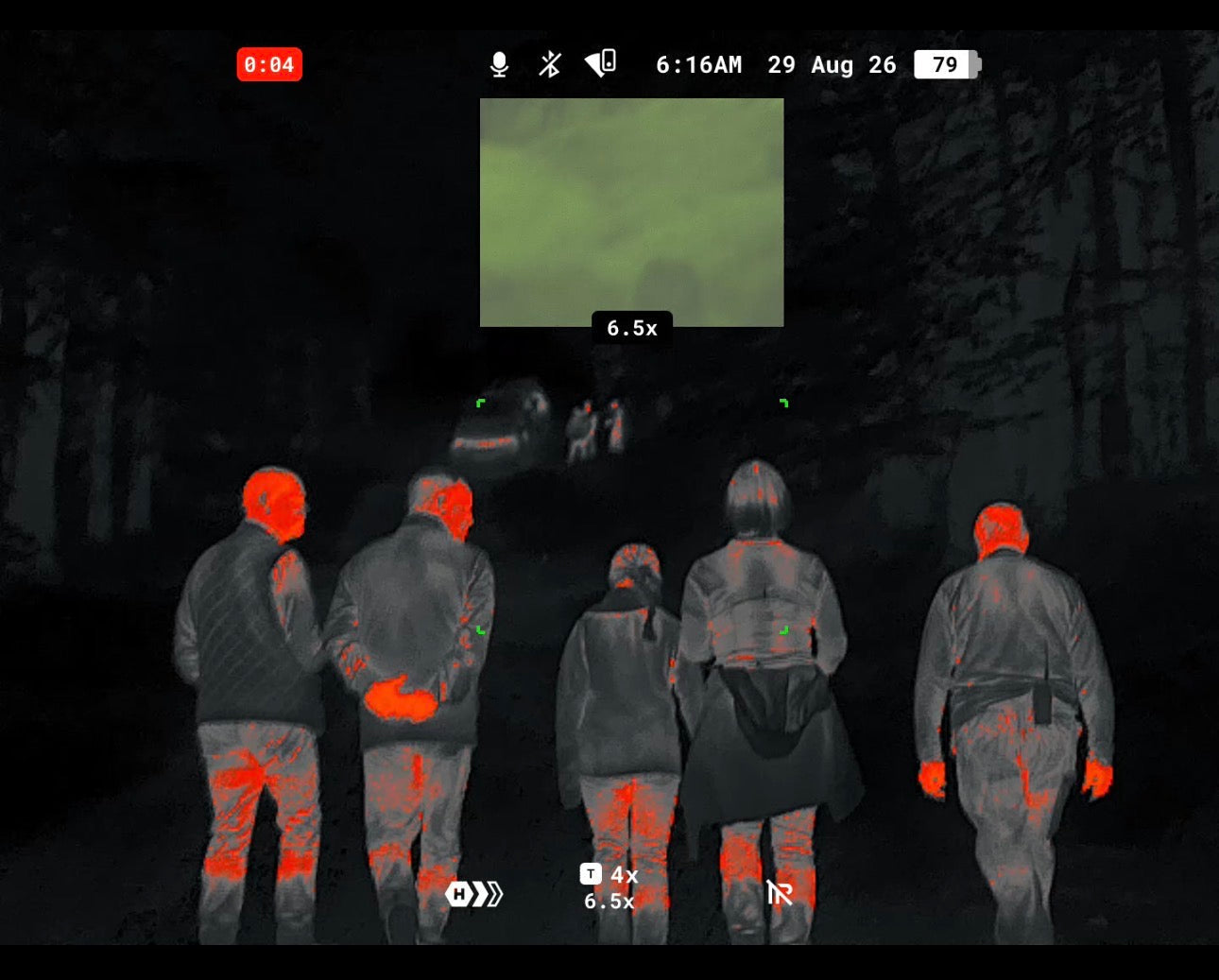
Modern thermal equipment may reveal that deer are present long before they can be seen conventionally, but detection is not the same as identification. A heat source behind grass or scrub does not provide a clear view of the entire animal or the ground behind it. The physical management of the ride remains essential, regardless of the sophistication of the optics being used.
The Backstop Begins With the Landscape
One of the principal benefits of a high seat is the downward angle it creates. Elevation can direct a shot into suitable ground rather than allowing it to travel horizontally through the woodland. This is one reason high seats are so valuable in areas where roads, paths, houses or neighbouring land place restrictions on ground-level management.
Elevation alone, however, does not create a safe backstop. The landform still has to be understood. Rising ground, banks, ride verges and natural slopes can provide effective backstops, but only when they are visible, reliable and assessed from the actual firing position. A shallow dip may appear suitable from ground level but present a very different angle from the seat. Vegetation can conceal stones, ditches, timber, hard surfaces or changes in gradient that materially alter the safety of the position.
Ride management supports that assessment by keeping the relevant ground visible. When grass and scrub are allowed to dominate, the manager may no longer be able to confirm the surface into which a shot would be directed. Cut material can create the same problem if it is left in heavy windrows across the ride or piled against a bank. The area may look maintained while still concealing the features that matter most.
Backstops should therefore be inspected during daylight and understood in full. The assessment should consider the likely position of the deer, the angle from the seat, the ground immediately beyond the animal and what lies beyond the woodland boundary. It should never rely solely on the fact that the rifle is being fired downwards.
That assessment must also be repeated whenever the landscape changes. Forestry operations may remove trees that previously restricted a line of fire. Extraction routes can alter banks and surfaces. Storm damage, drainage work and new fencing can change the geometry of the position. Public access may increase, or informal paths may develop where none existed previously. A high seat remains appropriate only while the ground around it remains appropriate.
High-Seat Placement Must Follow Deer Behaviour
A high seat should not be installed simply because a suitable tree happens to be available. The position should follow evidence of how deer use the site and how that use relates to the estate’s management objectives.
Tracks, dung, browsing, fraying, couches, thermal observations, camera records and repeated field sightings all contribute to that understanding. The manager needs to know where deer are coming from, where they are going and why they are using a particular part of the woodland. A crossing may link daytime cover to a feeding area. A ride margin may provide regular grazing. A newly coppiced compartment may draw animals into a part of the estate they previously used only occasionally.
Two rides can appear almost identical while functioning very differently. One may carry regular movement because it sits between secure cover and feeding ground. Another may receive little use because deer prefer a quieter route nearby. Installing a high seat without first understanding that distinction can result in an elevated position that offers very little management value.
The approach to the seat is equally important. A productive position can be undermined if it must be accessed from the wrong side of the prevailing wind or across the same ground the deer are expected to use. Repeated disturbance may alter movement long before the manager reaches the platform. The route into the seat should therefore be considered at the same time as the view from it.
The width of the available sightline also matters. A very narrow opening may create brief encounters but provide little time for assessment. A wider, carefully maintained window can allow the animal to be observed without requiring excessive clearance. The best arrangement often combines a clear central observation area with retained edge vegetation that continues to provide security and guide movement naturally.
Ride management and high-seat placement should therefore be planned together. The seat determines which sections of vegetation need to remain low, while the surrounding habitat determines whether the position will continue to attract and hold deer long enough for effective observation.

Working With the Estate Team
Professional deer management is rarely delivered by one person in isolation. On most estates, the ground is being shaped continuously by other activities. The gamekeeper may be maintaining drives, cover crops and feeders. The forestry team may be thinning, extracting timber or opening new compartments. Grounds staff may be mowing rides, clearing storm damage and maintaining boundaries.
All of these operations affect deer management. They can change movement routes, sightlines, access, disturbance patterns and the suitability of existing high seats. A productive working relationship with the estate team allows those changes to be anticipated rather than discovered during an outing.
The gamekeeper or grounds team can keep important ride sections low, maintain access and remove vegetation that obstructs a critical observation point. Equally, the deer manager can explain where clearance would be unhelpful, where additional cover should be retained and which routes must remain undisturbed. The objective is not simply to request that rides are cut. It is to ensure they are managed for a clear reason.
Communication also prevents wasted effort. There is little value in clearing a sightline shortly before forestry extraction blocks it again. A high seat should not be installed beside a ride that is due to be widened, resurfaced or redirected. Likewise, a position used successfully for several seasons may need to be moved if the estate’s operational priorities change.
The estate team can also provide essential information about shoot days, public events, contractor access, livestock movements and periods of increased activity. This affects when deer control can be undertaken and which parts of the ground are suitable at a particular time.
A single annual discussion may resolve some of these issues, but the strongest arrangements involve regular communication throughout the year. Woodland conditions change quickly, particularly through the growing season, and management needs to respond with the same flexibility.
Grass Management Must Be Purposeful
Keeping grass low around a high-use observation area does not mean cutting every ride repeatedly or treating the woodland like a formal park. The timing, width and intensity of cutting should reflect the purpose of the ride, the habitat present and the period in which it will be used.
Cutting too early may provide little benefit if the grass regrows before the main management period. Cutting immediately before planned operations may introduce disturbance at the wrong time. Some sites may require repeated topping through the season, while others need only a narrow maintained strip or selected crossing points kept open.
The width of the cut should also be considered carefully. A broad mown corridor may provide excellent visibility but can remove valuable edge habitat and make deer reluctant to cross during daylight. A narrow cut may retain more cover but provide too little time for confident assessment. The correct balance will differ between sites.
In many woodlands, the best approach is to maintain the centre of the ride and selected observation areas while retaining irregular margins. This preserves habitat structure and screening while creating functional visibility. It also prevents the ride from becoming an overly exposed corridor that deer avoid or the public increasingly adopts as an informal path.
Cut material must form part of the plan. Heavy rows of grass can conceal uneven ground, disrupt the intended backstop and cause deer to alter their crossing point. Machinery operators need to understand why the work is being carried out so that the finished result supports the management objective rather than simply appearing tidy.
High-Footfall Areas Demand Greater Discipline
Many woodlands in southern England are used heavily by walkers, cyclists, horse riders, runners and dog owners. Public activity may begin before daylight and continue long after sunset. In these landscapes, high-seat placement and ride management require a much more detailed understanding of how people use the site.
High-footfall does not automatically prevent deer management, but it changes the standard of planning required. Recorded public rights of way are only part of the picture. Informal paths, local shortcuts and routes used by dog walkers may receive far more traffic than an estate map suggests.
A high seat near public access must be assessed with particular care. The direction of fire must remain entirely separate from paths and likely public movement. The route to the seat should avoid unnecessary interaction with visitors, and operations may need to be scheduled during periods of lower activity.

Maintained rides can improve situational awareness by keeping the surrounding ground visible, but they do not replace active checking. An apparently empty ride cannot be assumed to remain empty. Public use may be irregular, and people can appear from unexpected directions, particularly where the woodland contains multiple access points.
Coordination with the estate team is essential. Organised walks, forestry operations, shoot days and maintenance work should all be known in advance. Where temporary access controls or signage are appropriate, they should be agreed with the landowner and used proportionately.
The professional standard is not simply to complete the operation safely once the deer appears. It is to design the operation so that avoidable conflict has been reduced before the outing begins.
Visibility Without Over-Managing the Woodland
There is a balance between creating functional sightlines and clearing more vegetation than necessary. Excessive removal can damage valuable edge habitat, reduce screening, alter deer behaviour and diminish the character of the woodland. A ride stripped of all cover may become ecologically poorer and less useful for management.
The objective should be functional visibility rather than neatness. Only the vegetation that materially affects observation, access or safety needs to be removed. In many cases, a small amount of selective work produces a better result than broad clearance.
This is where a joint site visit with the person undertaking the work becomes valuable. A machine operator may clear the full width of a ride while leaving one branch that continues to obstruct the view from the seat. Alternatively, vegetation may be removed from areas that had been helping guide deer towards the intended crossing point.
The deer manager should therefore identify the exact sightlines that matter, the height at which vegetation becomes problematic and the areas where cover should remain. This improves efficiency, reduces cost and preserves habitat while still supporting the operational need.
High Seats Must Be Inspected, Not Forgotten
A high seat should never be installed and left indefinitely without review. Trees grow and move. Fixings loosen. Metalwork corrodes. Timber components weather, and storms can damage both the structure and the tree supporting it.
Routine inspection should cover the ladder, platform, seat, attachment points and surrounding hazards. The condition of the tree must also be considered, together with dead branches, instability and changes to the ground around the base.
Access should remain clear enough for safe entry and exit, particularly in darkness. Bramble, fallen timber and uneven ground around the ladder can create unnecessary risk. Vegetation should be controlled sufficiently to allow safe use without opening the position more widely than required.
The view from the seat also needs seasonal inspection. A clear winter sightline may be completely obscured by summer growth. Bracken can transform a compartment within weeks, while coppice and scrub may close an opening far more quickly than expected.
A simple photographic record from the platform can help demonstrate how the position changes through the year. It also provides the estate team with a clear reference when vegetation work is requested.
Technology Cannot Correct Poor Placement
Thermal imagers, digital night vision and modern optics have transformed the ability to detect and observe deer. They are valuable tools, particularly in dense woodland and difficult light.
They do not, however, correct poor high-seat placement.
A thermal imager may reveal a deer standing behind vegetation, but the manager may still be unable to confirm the full animal, identify a second deer behind it or see the ground beyond. Better optics cannot create a safe backstop, remove public risk or solve a poor access route.

A badly placed high seat remains badly placed regardless of the equipment used from it. Dense vegetation, unsuitable landform and weak sightlines cannot be overcome by technology alone.
Professional management begins with the landscape. Equipment supports judgement, but it does not create the conditions in which that judgement can be exercised safely.
Ride Management Supports Monitoring as Well as Control
A well-maintained ride remains useful even when no animal is taken. It provides a consistent observation area in which movement can be compared over time. Tracks and dung are easier to detect. Crossing frequency can be recorded, cameras can be positioned accurately and thermal observations can be repeated from known points.
This information helps the manager understand whether deer are changing their behaviour in response to pressure. A once-regular crossing may become quiet after repeated disturbance. Fallow may shift to another ride or move later into the night. Roe may retain a local route while muntjac continue to use dense edge cover close to the original position.
Without reliable observation corridors, those changes are harder to detect. The estate may continue using an unproductive high seat simply because it has always been there.
Ride management therefore supports adaptive management. It allows effort to follow current behaviour rather than historic assumptions. This is particularly important where the objective is to protect young trees, coppice or natural regeneration. The value of the position should ultimately be judged by whether it helps reduce impacts in the areas that matter most.
The Position Must Serve the Objective
Every high seat should have a clear reason for being where it is. Some are positioned to protect new planting. Others overlook coppice, established crossing points, woodland edges or areas of repeated browsing. Some are used primarily for monitoring, while others provide a controlled position where ground-level management would be difficult.
That purpose should be recorded and reviewed.
As the woodland changes, the value of the seat may change with it. A position installed to protect a planting scheme may become less important once the trees are established. A new restock area may create a higher priority elsewhere. Forestry operations may alter movement sufficiently that the original position no longer serves the management plan.
Moving a seat should not be regarded as evidence of failure. It may demonstrate that the management is responding properly to a changing landscape. The greater mistake is leaving infrastructure in place simply because it has always been there.
Professional Management Is Built on Preparation
Successful deer management is often judged by the final moment, but the quality of the work is determined much earlier. It is determined when the estate team agrees which rides will be maintained, when the high seat is positioned against suitable ground and when the access route is assessed against wind, public use and deer movement.
It is determined when vegetation is removed selectively, backstops are confirmed and the structure is inspected. By the time the animal appears, most of the work that makes the encounter safe and effective should already have been completed.
A well-managed ride provides visibility, time and confidence. A correctly placed high seat provides elevation, stability and control. Effective collaboration with the gamekeeper, forester and grounds team ensures that both continue to function as the woodland changes.
None of this removes the need for professional judgement. A clear ride is not permission to act. A high seat does not make every direction safe, and a visible deer is not automatically a suitable animal.
What preparation does is create better conditions in which sound judgement can be applied.
The High Seat Is Only as Good as the Ground Around It
High seats are among the most useful tools available in woodland deer management, but their value depends entirely on the landscape in which they are placed.
An unmanaged ride can restrict identification, conceal the ground and shorten the time available to make a decision. Poorly coordinated vegetation work can close important sightlines or remove cover unnecessarily. A seat installed without reference to deer behaviour, access, public use or landform may provide little more than an elevated view.
The professional approach begins with evidence. It considers where deer move, where woodland impacts are occurring, how the seat will be accessed, what the prevailing wind is likely to do and whether the ground provides a dependable backstop. It involves the estate team so that ride maintenance supports the objective rather than being undertaken in isolation.
The result is not simply a tidier ride or a more convenient seat. It is a safer and more effective management system.
For estates balancing forestry, conservation, game interests and public access, that system matters. It improves observation, supports positive identification, protects vulnerable woodland and allows deer management to be delivered with greater confidence and accountability.