One of the parts of deer management the general public rarely sees is how often wider site issues begin to interfere with the work. From the outside, people tend to imagine deer management as a fairly narrow activity. A quiet vehicle. A careful walk in. A deer seen, a decision made, a carcass recovered, and then home.
Neat enough in theory.
The reality on many sites is rather less tidy.
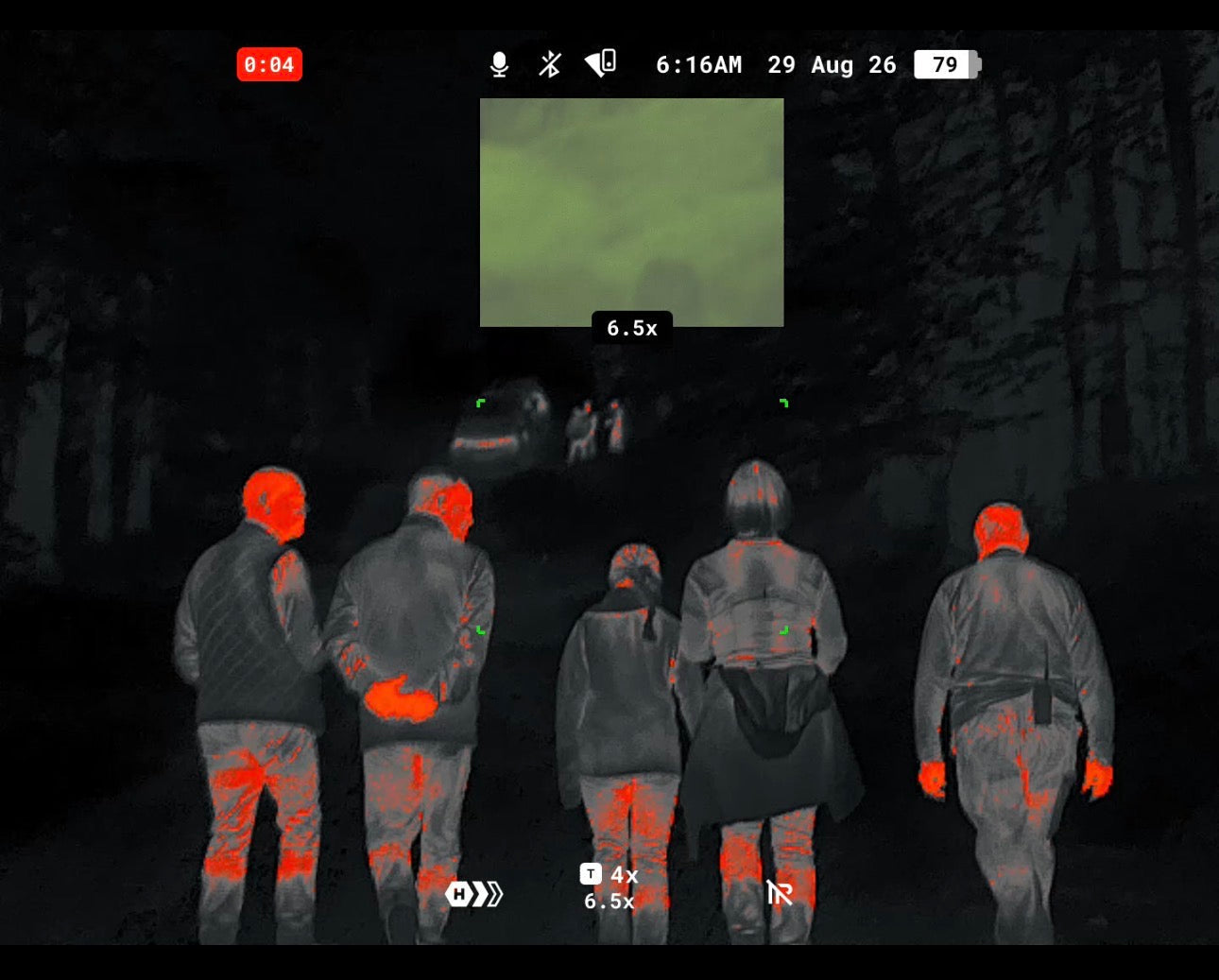
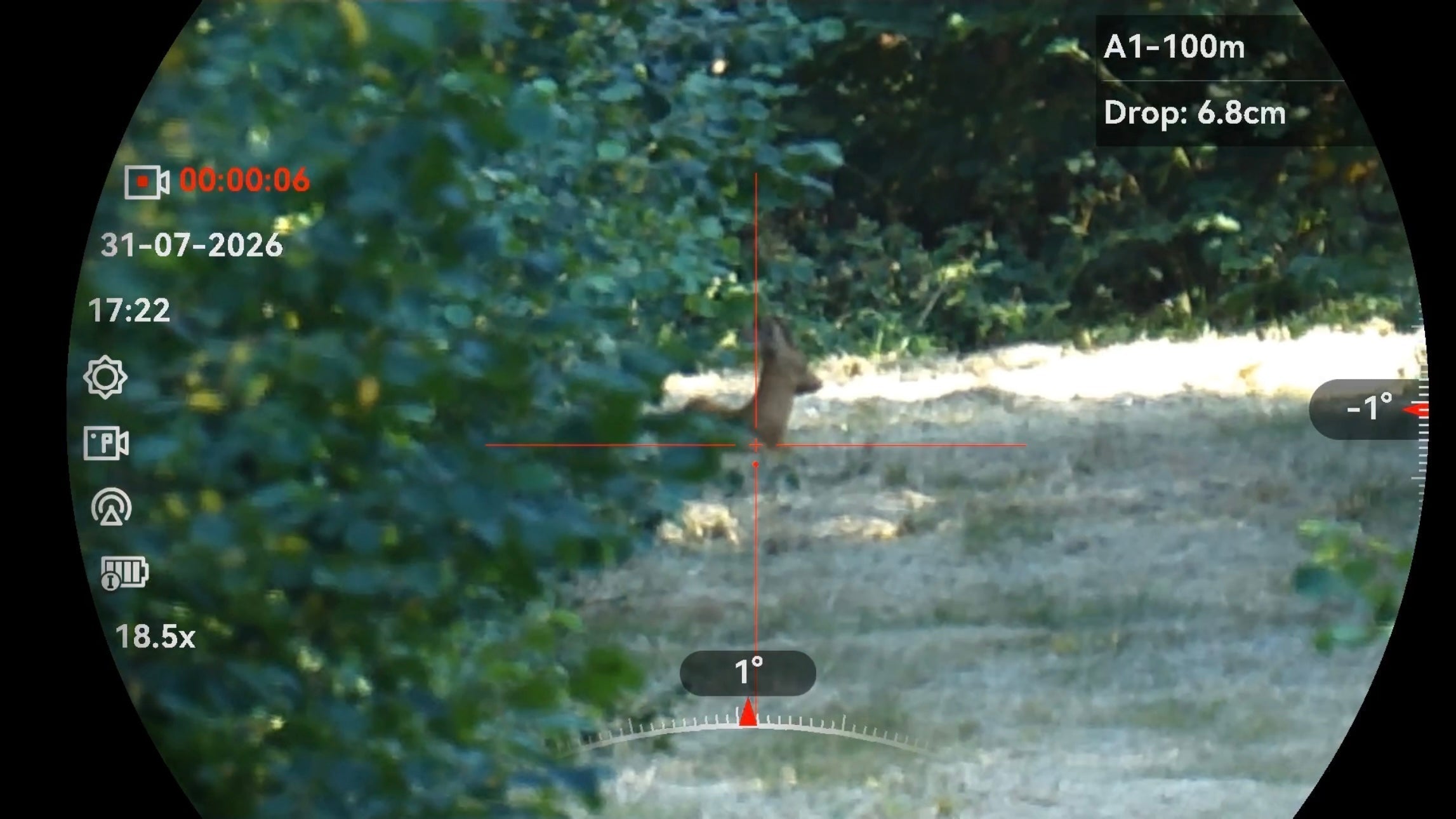
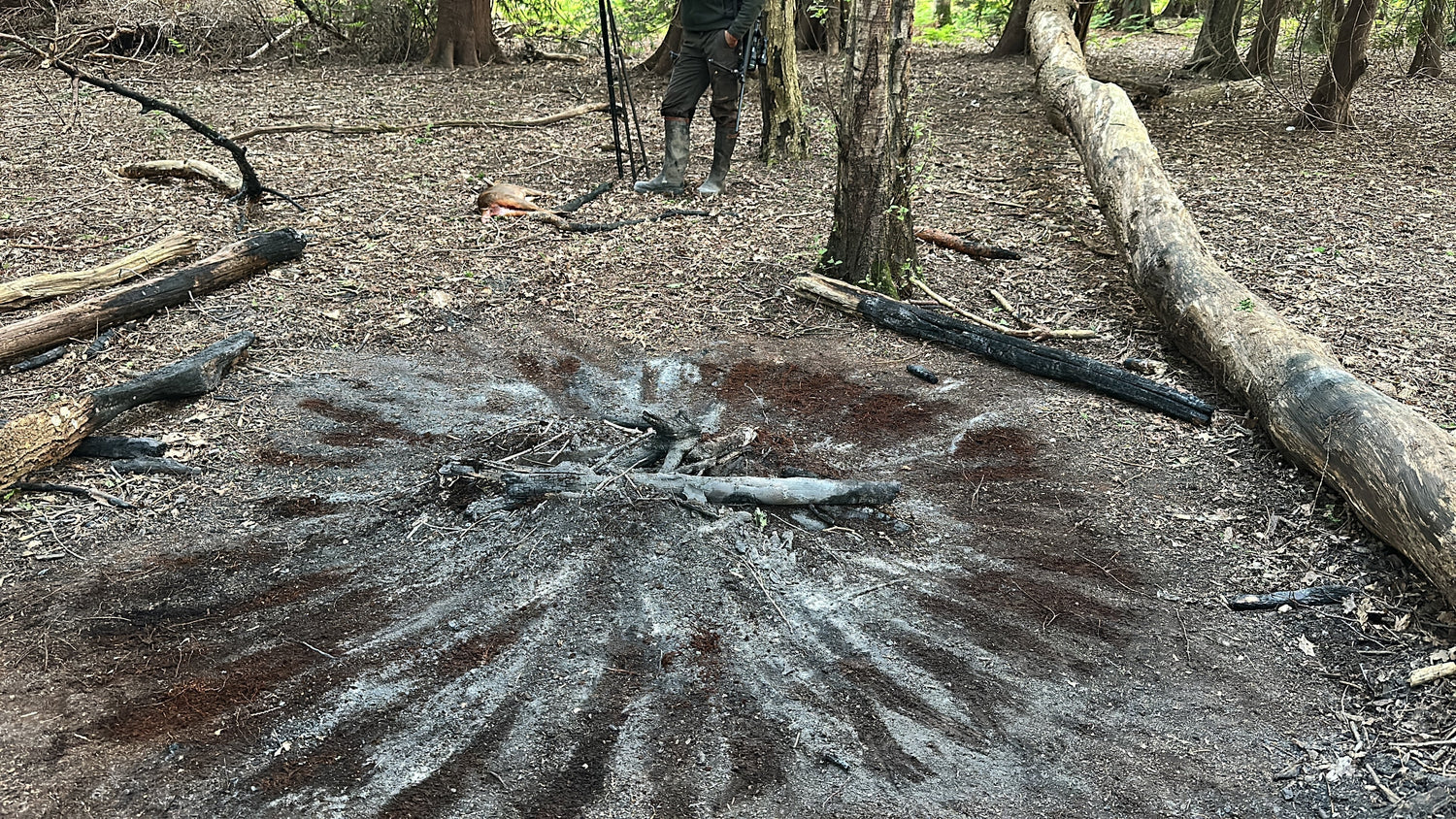
Over the last few years, we have noticed a clear increase in antisocial behaviour across a number of our contracts, and today was a good example of that wider direction of travel. We found an unattended campfire, dealt with two trespassers, and still managed to reduce muntjac numbers on the ground.
Deer management should not be turning into site security. Yet, more and more, it feels as though teams on the ground are being expected to manage both. Not formally, perhaps, and not always acknowledged as such, but in practical terms that is where the pressure is building.
The deer are still there. The habitat pressure is still there. The contract expectations are still there. But alongside all of that, there is now a growing need to deal with trespass on private land, antisocial behaviour in the countryside, open fires, unauthorised camps, litter, fly-tipping, damaged infrastructure, and the wider uncertainty that follows when working ground is being used by people who should not be there in the first place.
That changes the job.

The distraction is not a minor one
People who do not work these sites often underestimate what disruption really means. They imagine it as inconvenience. A delay. A bit of frustration before the real work starts.
But on the ground it is more than that. It changes the risk picture. It changes the tempo of the outing. It changes how you move, what you notice, what you have to think about first, and how much time and attention is actually left for the deer work itself.
An unattended campfire is not just an eyesore. It is a fire risk, a welfare issue, a land management issue, and potentially the beginning of a much larger problem if it is not found in time. On dry ground, in woodland, around brash, scrub or young planting, a small fire is not a small matter. It is a warning sign.
Trespassers are not simply “someone out for a wander”. Depending on the site, the hour, the behaviour involved and the nature of the work being carried out, they can alter deer movement, compromise safe access, disrupt a planned approach, and force the whole outing into a different shape before the first meaningful deer management decision has even been made.
That is before you get to the obvious question of safety for the team on the ground.
If you are running a contract properly, the work depends on calm planning, clean access, clear communication and a reasonable degree of predictability. Antisocial behaviour strips that predictability away. It introduces variables that have nothing to do with deer, but everything to do with whether the work can be carried out safely and effectively.
It is becoming more common, not less
This is not an isolated complaint after one awkward day. It is something we have noticed building over the last few years across a number of sites.
More signs of unauthorised entry. More litter. More makeshift camps. More open fires. More damaged gates, cut fencing, disturbed access points and evidence of people treating private ground as though boundaries, land management objectives and basic common sense no longer really apply.
Some of it is casual. Some of it is deliberate. Some of it appears to come from people who simply do not understand that the countryside is still a working environment. But whatever the reason, the result is much the same for those expected to manage the ground. And with that comes the slow, unspoken assumption that whoever happens to be on site at the time will somehow deal with it.
That expectation is understandable up to a point. We are there. We see things. We report things. We often intervene where it is sensible and safe to do so. A professional on the ground is not going to ignore an open fire, a damaged access point or activity that places people, wildlife or property at risk.
But there is a line between being observant professionals and becoming an informal site security layer by default. That line is becoming harder to hold.
Why this matters for deer delivery
It matters because deer management is not something best done as a secondary activity while also dealing with unrelated site problems.
The work already carries enough moving parts. Safe access, public risk, species behaviour, wind, weather, visibility, shooting positions, backstops, carcass recovery, hygiene, reporting, landowner expectations and site-specific constraints are already enough to manage properly. Once you add trespass, fire risk, camps, antisocial behaviour, fly-tipping and repeated disturbance, delivery becomes harder in ways that are not always visible from outside.
Deer do not carry on behaving normally just because the contract still exists on paper.
Repeated human pressure changes a site. It makes it noisier, less predictable and less productive. Deer tighten up. Movement changes. Sanctuary shifts. The cleaner opportunities reduce. Ground that should be readable becomes muddied by disturbance. Edges that should produce become unreliable. Routes that should be quiet become compromised. And yet the expectation to deliver often remains much the same.
That is one of the less discussed pressures in modern deer management. The habitat objective remains. The cull objective remains. The need for muntjac control remains. The woodland still needs protecting. Regeneration still needs a chance. But the site itself becomes less manageable because it is carrying problems that are not, strictly speaking, deer problems at all.
Muntjac management on pressured ground is hard enough already
This is especially relevant where muntjac are concerned.
Muntjac management is rarely a broad, open-ground exercise. It is often about patience, pattern recognition and repeated understanding of the same small pockets of cover. It depends on reading edges, rides, pinch points, browsing signs, quiet corners and small changes in behaviour. It depends on enough consistency on the ground to make their movements readable. Add wider disturbance into that picture and the whole thing becomes less efficient very quickly.
A site carrying repeated trespass or antisocial use does not simply become more annoying. It becomes less honest. The deer stop using it in the same way. The patterns are disrupted. Pressure shifts. The quiet places where muntjac might otherwise hold become less reliable. In practical terms, the work gets slower and the margin for good decision-making narrows. That matters when contracts still expect results.
You cannot manage muntjac effectively on ground that is constantly being interrupted by unrelated problems, at least not without recognising that the interruption has a cost. Sometimes that cost is time. Sometimes it is opportunity. Sometimes it is safety. Often, it is all three.

The safety question is obvious, but too often underplayed
There is also a blunt reality here. Teams on the ground need to know what sort of environment they are walking into.
A site with unmanaged trespass, unauthorised camps, open fires or repeated antisocial behaviour is not simply a more irritating version of an ordinary contract. It is a different operating environment. It affects access routes, timing, communication, lone-working decisions, vehicle positioning and how the team moves through the site. That is not overreaction. It is sound field sense.
It may require different briefing, additional reporting, more cautious movement, changes to planned routes, and a more conservative approach to areas that would otherwise be straightforward. What looks like a simple entry point on a clean site can become something else entirely if there is evidence of recent unauthorised activity, or if there may be people on the ground who should not be there. It also adds mental load.
That point matters. Deer management already requires discipline. You are looking for deer, but you are also reading the ground, checking wind, thinking about safe angles, watching public risk, assessing whether a shot is appropriate, and planning what happens after the shot before it is ever taken. Add unmanaged human activity into that and the mind is pulled in more directions than it should be.
The irony, of course, is that the more a site is disrupted, the more the habitat often still needs proper deer management. Pressure on woodland regeneration does not politely pause because the wider site has become harder to work.
Deer managers are often the first to spot wider site decline
There is a broader point here that estates and landowners should probably take more seriously.
In practice, deer managers are often among the first people to see when a site is beginning to fray more generally. They are on the ground early, late, in poor weather, at quiet times and in places that are not always seen during ordinary estate activity. They notice what has changed because their work depends on noticing change.
They see the litter before it gets picked up. They see the fire before it becomes a formal report. They see the damaged access points, the unauthorised camps, the repeated signs of trespass, the tracks where there should not be tracks, the wear in places that ought to be quiet, and the shift from occasional nuisance to something more regular and more disruptive.
They also see how the deer respond.
That makes the role wider than many people realise. Deer managers are increasingly becoming the first eyes and ears for estate security issues, access issues, public behaviour issues and general site decline, whether that role is acknowledged or not.
And because they are there, they end up carrying part of that burden whether they were meant to or not.
Site security and land management are now colliding more often
This is where the conversation needs to become more honest. Working woodland and private ground are no longer insulated in the way many people still assume. On some sites, rural site security and deer management are beginning to overlap whether anyone likes it or not.
That is not because deer managers are looking for that role. It is because the same people tasked with delivering habitat outcomes are often the same people most likely to encounter the practical consequences of antisocial behaviour.
Fires, trespass, fly-tipping, camps, damaged access and public disturbance are not abstract issues when you are the person walking into them. They become part of the risk assessment. Part of the phone call. Part of the site note. Part of the decision about whether an area can be worked safely that morning or evening.
That overlap comes with cost.
Time cost. Attention cost. Safety cost. Delivery cost.
And if estates want honest deer control contracts, then they need to be honest about that as well. A site that is repeatedly disrupted is not the same as a site that is secure, quiet and properly controlled. It should not be treated as though the two are operationally identical.
The contract may be for deer, but the site still has to function
This is a point easily missed.
A deer management contract does not sit apart from the wider condition of the land. It depends on the land being workable. It depends on access being reliable. It depends on boundaries meaning something. It depends on the team being able to move safely, plan sensibly and operate without avoidable interruption.
Where that breaks down, the deer work does not stop being necessary. It just becomes harder to deliver.
That is why landowners, agents and estate managers need to view these issues together. Trespass, poor access control, damaged infrastructure and unmanaged public pressure are not separate from deer management when they are directly affecting the ability to manage deer. They become part of the same operational picture.
The deer may be the reason the team is there. But the condition of the site determines what can realistically be achieved.

Still getting the job done
That is why today was a useful example.
Even with an unattended campfire found and two trespassers dealt with, we still managed to reduce muntjac numbers on the ground. That is pleasing in one sense, because it shows the discipline of staying on task and getting the job done despite the noise around it. But it is also frustrating, because it should not have to be that way. The deer work should be the work.
It should not be sharing space, time and attention with problems better described as estate management issues, access control issues or site security concerns. The more that happens, the more pressure is placed on the same field teams who are already there to manage a completely different issue.
Good teams will adapt. They will report what needs reporting. They will make sensible decisions. They will protect the site where they can and carry on with the work when it is safe and reasonable to do so. But adaptation should not become silent acceptance.
A wider point worth making
Woodland and estate management does not happen in a vacuum. Deer management sits inside a wider pattern of access, behaviour, public use and misuse, and changing attitudes to private and working ground. Where those pressures increase, the work becomes harder, whatever the contract says on paper.
That is worth recognising because too much discussion around deer management still treats it as a narrow technical function. In practice, the teams doing it are often the first to notice when a site is changing more generally.
They see the repeated disturbance. They see how deer behaviour shifts. They see how access becomes less predictable. They see how time that should be spent on habitat delivery is instead spent dealing with things that were never meant to form part of the brief. And once that becomes normal, it becomes dangerous.
Not dramatic. Just dangerous in the quieter way many countryside problems develop: by gradually shifting what people accept as part of the job.
One of the parts of deer management the public rarely sees is how often wider site issues interfere with the work. Over the last few years, that has become more noticeable across a number of contracts, and today was a clear example. An unattended campfire. Two trespassers. And still the need to get on and reduce muntjac numbers on the ground.
Deer management should not be turning into site security. But more and more, it feels as though teams on the ground are being expected to manage both. That brings obvious pressures around safety, access, disruption and delivery, none of which make the actual deer work easier.
The job still gets done.
But it is worth being honest about the fact that, on some sites now, the hardest part is no longer only the deer.