There are meals that feel like a reward, not because they are indulgent, but because they close the loop properly. You have done the hard part outdoors. You have carried the weight of responsibility, literally and morally. You have handled the animal well, and you want the plate to reflect that. Tikka masala is one of those dependable dishes that can hold both comfort and depth without making a performance of it.
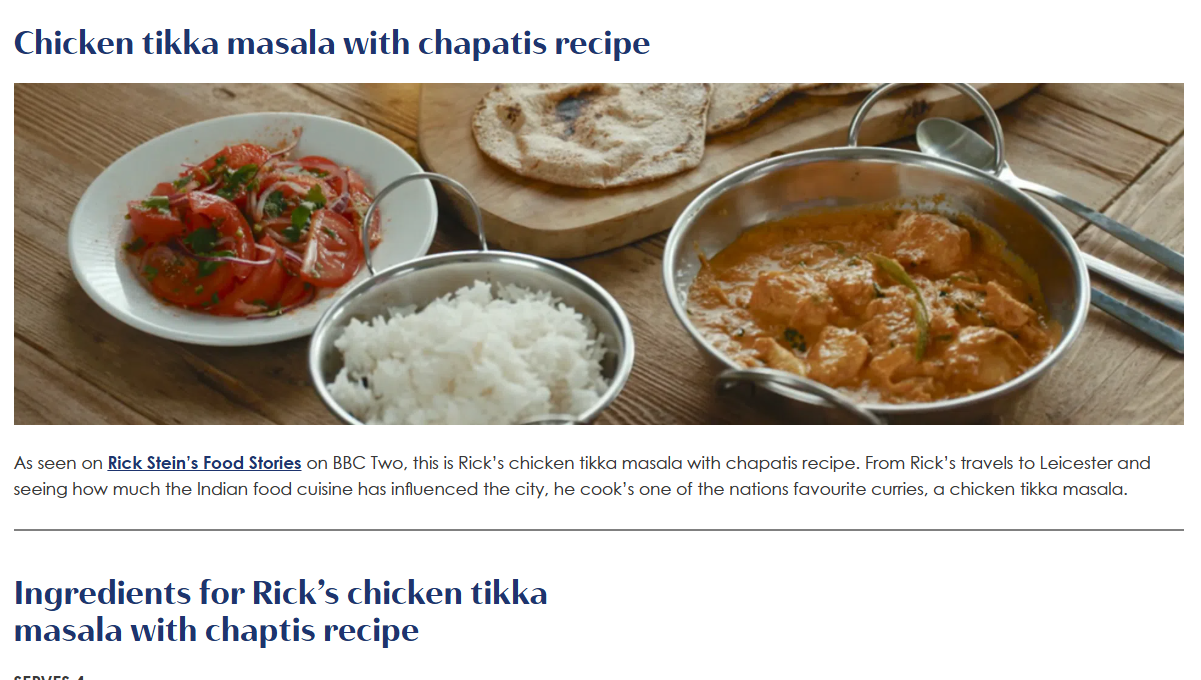
Rick Stein’s version is a solid base, and it is the one we keep coming back to when we want something familiar that still tastes like you have actually cooked. This is our adaptation using his structure, but adding venison fillets at the end as a finishing element. Not as a gimmick, and not to hide the flavour, but to add a clean, rich edge that chicken alone does not give you. The key is keeping the venison quick and controlled, then slicing and finishing at the end so it stays tender.
If you want the original baseline recipe, it’s here:
https://rickstein.com/blog/chicken-tikka-masala-with-chapatis-recipe/
The principle before the pan
Venison is lean. That is its strength, and also the reason people ruin it. Boil it in sauce and it will go dry. Cook it like a fillet, rest it properly, and it becomes the highlight. We keep chicken as the backbone of the curry because it holds the sauce beautifully and gives you that classic texture, then we treat the venison as the finishing layer. It makes the dish feel more substantial, and it honours the meat by not forcing it through a process it does not suit.

Ingredients
For the chicken tikka and marinade (Rick Stein structure, Wildscape quantities flexible)
You want plain yoghurt, lemon juice, garlic, ginger, salt, and a sensible mix of spices. Rick Stein’s recipe uses a classic profile: garam masala as the anchor, with supporting warmth from cumin and coriander, and chilli adjusted to taste. Thigh meat is more forgiving than breast and tends to suit this dish better, especially if you are reheating or feeding a table.
For the masala sauce
Onions, garlic, ginger again, spices, tomatoes, and cream form the core. The onion stage matters more than most people admit. If you rush it, the sauce tastes sharp and thin. If you cook it properly until soft and sweet, it becomes a proper base.
For the venison finish
Venison fillets or backstrap medallions, cleanly trimmed. You do not need a lot. Seasoning, a hot pan, and restraint.
For chapatis
Rick Stein’s chapati method is simple and works. Flour, water, salt, a little oil, a hot pan, and a bit of patience.
Method
1) Marinate the chicken (do not skip this)
Mix yoghurt with grated garlic and ginger, lemon juice, salt, and your spice base. Coat the chicken well and give it time. Two hours is useful. Overnight is better. In a British winter kitchen, time is often the difference between “fine” and “proper”.
This stage does not just flavour the chicken. It tenderises and sets you up for a tikka taste rather than plain chicken sitting in curry sauce.
2) Cook the chicken hot enough to earn the word “tikka”
A common home mistake is cooking the chicken entirely in the sauce. It works, but it will never taste like tikka. You want heat and a little char. Grill it if you can. If not, use a very hot pan and cook in batches so you get colour rather than steam.
You are not trying to fully cook it through at this stage. You are building the roasted edge that gives tikka masala its character. Set it aside.
3) Build the sauce properly, not quickly
In a heavy pan, cook chopped onions with a pinch of salt until soft, then keep going until they begin to sweeten and colour. This is where depth comes from.
Add garlic and ginger, cook briefly to remove the raw edge, then add spices and let them bloom. This matters. If you throw spices into liquid too early they taste dusty and unfinished.
Add tomatoes and simmer until the sauce reduces and starts to look cohesive. If you prefer a smoother texture, blend it briefly. Then return to the pan and stir through cream gently.
Taste. Adjust salt. If the tomatoes are sharp, a small pinch of sugar can help, but keep it honest. This is about balance, not sweetness.
Return the chicken to the sauce and let it finish gently.
4) The venison: quick, hot, rested, sliced
Pat the venison dry. Season it properly. If you want a subtle nod to the curry, a light dusting of garam masala works, but keep it restrained.
Get a pan properly hot. Sear the venison quickly. Do not chase “well done”. Treat it like a fillet: colour on the outside, pink in the middle. Then rest it. Resting is not optional. It is what stops your board filling with juices and your meat turning dull.
Slice thinly across the grain.
Now the important part: do not simmer it in the sauce. Add it at the end, fold it through just before serving, or lay it on top. The point is to keep it tender and distinct.
5) Chapatis, and why they belong here
Make the dough, rest it briefly, roll thin, and cook in a hot dry pan. Rick Stein’s approach is straightforward and reliable. Chapatis are not decoration. They are the tool that turns a curry into a proper meal, especially after a cold day when you want something that feels grounding.

How we serve it
We keep it simple. Rice if you want it, chapatis regardless. A spoon of yoghurt on the side is useful, and a squeeze of lemon lifts the whole dish. If you are cooking for people who claim they “do not like game”, do not make a speech about it. Let the venison speak for itself. Most objections are cultural, not culinary.
A final note on why this matters
This is not just a recipe. It is part of the wider discipline. If deer management is going to be defended as professional, humane and necessary, then we should also be honest about what happens afterwards. Eating the animal well, wasting less, and treating the meat with care is part of that story. It does not need virtue signalling. It just needs competence, from field to plate.