One of the things worth remembering about any new deer policy is that the policy itself does not manage the deer. It may change the national direction, sharpen expectations, improve access to funding, simplify parts of the licensing system and bring greater public attention to a problem that foresters, deer managers and woodland owners have understood for years.
It may encourage cooperation between neighbouring landowners, strengthen professional standards and make it more difficult for damaging deer pressure to be dismissed as an unavoidable part of owning woodland. All of that matters, and the renewed focus should be welcomed, but the practical work still happens on the ground.
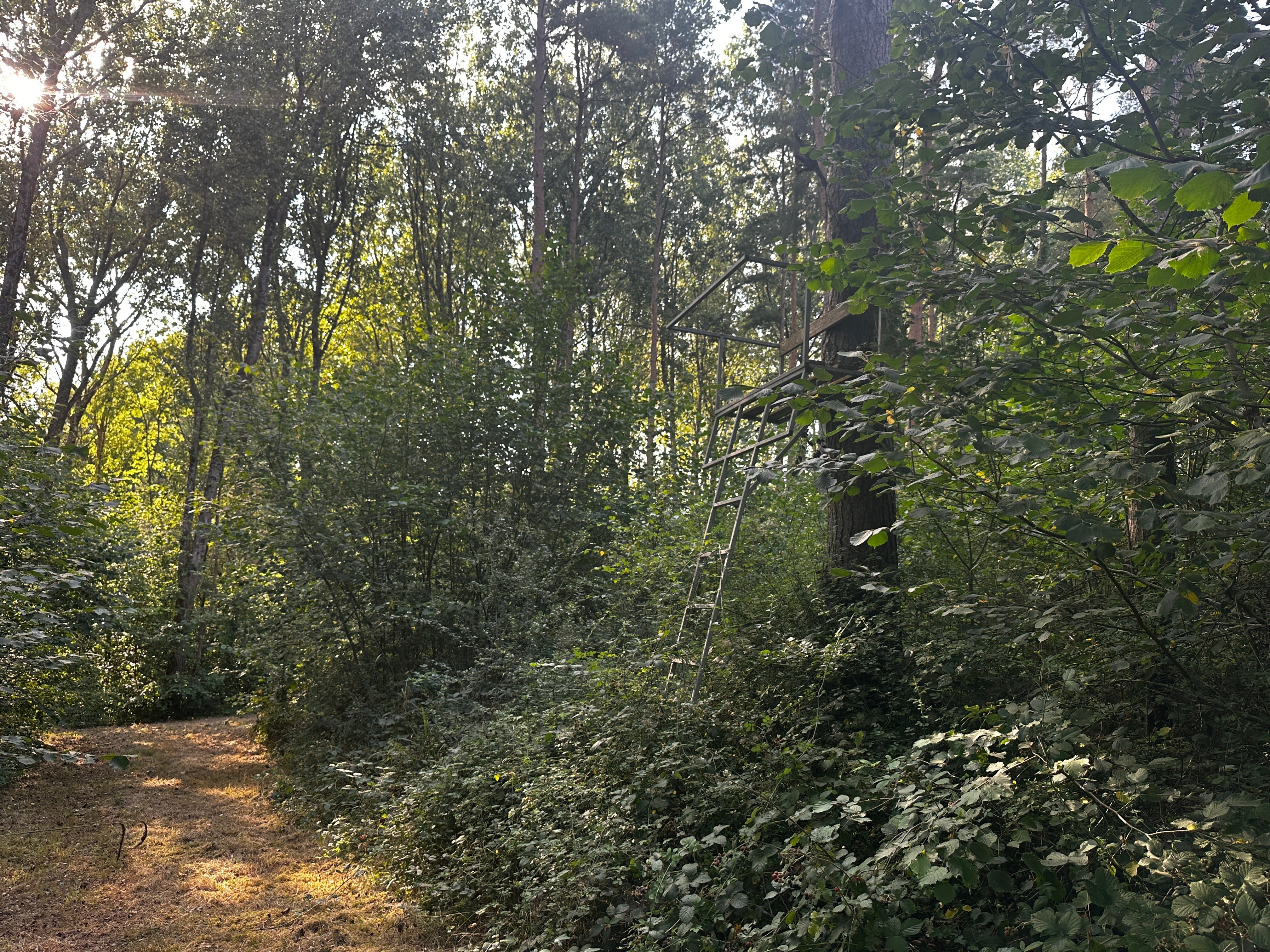
A policy statement does not walk a woodland ride at first light, find the failed regeneration hidden beneath an apparently healthy canopy or notice the fresh slots through a weak section of boundary fence. It does not see the repeatedly browsed coppice shoots, the missing shrub layer or the way a fallow herd has moved onto neighbouring ground after pressure has increased. It does not repair a gate, position a high seat, assess a safe backstop, inspect a carcass, update a map or explain to a landowner why the management plan on paper is not yet matching the reality in the wood. Those things still depend on people, and the success of the new policy direction will ultimately depend on whether the framework reaches the ground in a form that supports competent, sustained and properly funded delivery.
The national conversation around deer has changed, and that is useful. It may also be long overdue. However, success will not be measured simply by the number of policies published, plans completed, grants entered, meetings held or licences issued. It will be measured by whether young trees establish, whether coppice gets away, whether woodland understoreys begin to recover, whether protected habitats improve and whether woodland creation schemes become functioning woodlands rather than expensive planting exercises repeatedly held back by browsing. The policy has changed, but the woodland still has to recover.

Recognition is not recovery
For a long time, deer impact was often treated as a specialist concern. Foresters understood it, deer managers understood it, and many woodland owners, ecologists and conservation organisations understood it. Outside those circles, however, deer damage was not always easy to communicate. A woodland could remain standing, the canopy could look intact and the ground could still appear green, allowing people to assume that the site was healthy. Deer were visible, attractive and familiar, while the damage they caused was often gradual, dispersed and easier to overlook.
The impact was usually quieter than a single dramatic event. Young trees failed to establish, preferred species disappeared first, coppice stools produced shoots that were repeatedly browsed back, and the woodland understorey became progressively thinner and less varied. Natural regeneration might appear in small numbers, but it often failed to survive long enough to contribute to the future structure of the wood. In some places, the most important evidence was not what could be seen, but what was missing entirely.
That absence is difficult to explain to someone who has never known the woodland in a different condition. A simplified understorey can begin to look normal when it has been present for long enough. A lack of young trees may be attributed to shade, soils, climate or poor seed source without deer pressure being properly considered. Failed regeneration can become part of the accepted landscape rather than a warning that the woodland is struggling to replace itself.
This is one reason the current policy attention matters. It gives national weight to a problem that has often been treated as local or incidental. It places deer impact within wider conversations about woodland creation, biodiversity, protected sites, timber production, natural regeneration, climate resilience, road safety and sustainable land management. It makes the issue harder to ignore and gives landowners, advisers and managers a stronger basis from which to justify intervention.
Recognition, however, is not the same as recovery. A national statement may create permission for stronger action, but it does not guarantee that action will reach the woodland in a useful form. That depends on funding, local capacity, landowner engagement, competent practitioners, access, evidence and the willingness to maintain effort for long enough to change the condition of the site. Deer management is rarely corrected by one season of increased activity. Where pressure has been high for years, recovery may require sustained work over several seasons, followed by continued maintenance to keep browsing at a level the habitat can tolerate.
The policy can help begin that process, but it cannot shorten the biological reality. The deer population may need to be reduced and then held at an appropriate level. Young trees and understorey vegetation need time to respond. Neighbouring populations may continue to move into the managed area. An encouraging first year may show that the approach is beginning to work, but it should not be confused with a completed recovery.
Woodland condition has to remain the central test
Whenever a subject receives renewed policy attention, there is a danger that activity becomes confused with achievement. More management plans may be produced, more land may enter funded agreements, more monitoring equipment may be purchased, more training may be completed and more deer may be culled. Each of those things can contribute to improvement, but none of them proves that improvement has taken place.
The central question remains whether the condition of the woodland is changing. Are young trees surviving beyond browsing height? Is coppice developing into usable structure rather than being repeatedly held back? Is the woodland understorey becoming more varied? Are preferred species beginning to reappear? Is natural regeneration occurring at a level that can realistically contribute to the next generation of the woodland? Are sensitive areas showing less damage?
These questions are more demanding than asking how much activity has taken place. They require repeat observation, structured monitoring and a willingness to look honestly at the result. They also make it harder for landowners and practitioners to reassure themselves with numbers that may not reflect the ecological outcome. A woodland does not respond to how many outings were completed; it responds to the pressure that remains after those outings have taken place.
Operational records are still essential. Outing records, cull returns, person-hours, species, sex and age classes, carcass weights, observations and locations all contribute to understanding the work. The problem arises when those records are treated as the whole story. A large cull may still be insufficient if movement from neighbouring ground remains high, while a smaller cull may be effective if it is accurately targeted at animals repeatedly using a vulnerable compartment.
A management programme may also appear busy while repeatedly working the areas that are easiest to access rather than those carrying the greatest impact. Habitat monitoring helps expose that difference. It allows the activity to be tested against the objective. The carcass is evidence that something was done; the woodland is evidence of whether it was enough.
The scale of the ambition raises the importance of deer management
The renewed focus on deer management is not happening in isolation. England is seeking more woodland, more natural regeneration, improved protected site condition, more resilient forests and greater environmental benefit from trees and woods. Significant public and private investment is being directed towards woodland creation, improvement and long-term management.
Those ambitions are difficult to reconcile with unmanaged deer pressure. Planting trees is not the same as creating woodland, and a field containing tree shelters is not yet a functioning woodland ecosystem. Natural colonisation cannot deliver its intended benefit if every preferred seedling is browsed before it becomes established, while coppice restoration cannot succeed if new growth remains continually suppressed.
The more ambitious woodland policy becomes, the more important deer management becomes. This is not because deer are the only pressure. Woodland establishment and recovery can also be affected by soils, drought, flooding, competing vegetation, pests, disease, poor planting, inappropriate species choice, weak maintenance and other grazing animals. Deer, however, can intensify several of those problems by slowing establishment, altering species composition and increasing the cost of protection.
That means deer management should not be treated as a specialist service added after the main woodland decisions have been made. It should be considered at the beginning. For woodland creation, this means understanding existing deer species, activity, movement, neighbouring cover and likely future pressure before the planting design is finalised. For woodland improvement, it means identifying whether browsing is preventing the planned intervention from succeeding. For protected sites, it means understanding whether deer are contributing to unfavourable condition or delaying recovery. For commercial forestry, it means considering establishment, restocking, tree form, species choice and the cost of repeated damage.
The policy conversation may be about deer, but the operational consequence is about whether wider woodland investment succeeds. Where deer pressure is ignored, the cost is rarely limited to the animals themselves. It is carried through delayed establishment, repeated maintenance, poor woodland structure and outcomes that never match the original intention.
The cost of failure is greater than the cost of control
Deer management is sometimes presented as an additional expense, and in a narrow sense it is. Professional control carries real costs. Vehicles, rifles, optics, thermal equipment, training, insurance, risk management, larder facilities, ammunition, fuel, carcass handling, reporting and repeated site visits all have to be paid for.
The comparison, however, is often made against the wrong alternative. The cost of professional deer management should not be compared only with venison income or the price of occasional stalking. It should be compared with the cost of allowing the wider management objective to fail.
Failed establishment may require replacement planting. Damaged guards and fencing need repair. Repeated browsing can delay woodland development. Poor tree form may reduce future timber value. Suppressed natural regeneration may reduce species diversity and resilience. Coppice restoration may fail to deliver its intended habitat or product. Protected site recovery may be delayed, while public funding may be spent without securing the expected environmental outcome.
These costs do not usually arrive on one invoice. They accumulate gradually across the life of the woodland, which makes them easier to overlook. A landowner may see the price of deer management immediately, while the cost of continuing impact remains dispersed across future years. The first appears optional, while the second becomes absorbed into the general difficulty of woodland ownership.
That is rarely a sound commercial position. Professional deer management should be understood as protection of the wider investment. It is not always expected to pay for itself through the carcass, because its value may lie in the trees that survive, the regeneration that becomes established, the coppice that develops and the repeated remedial work that is avoided.
This is where the market needs to mature. A landowner commissioning a planting contractor would not normally expect the contractor to fund the work through the value of a small proportion of the trees, while a fencing contractor is not expected to recover the full cost through materials salvaged from the site.
Deer managers should not automatically be expected to finance woodland protection through venison value alone. Venison matters, but it does not carry the full value of the work.
Funding must purchase an outcome
The availability of deer management support through Countryside Stewardship creates an important opportunity. Where eligible, funding can help landowners meet the cost of sustained control, management planning and associated activity. It can make professional work viable where carcass returns alone would not support the level of effort required.
Public funding, however, should purchase an environmental outcome rather than the appearance of activity. Grant-supported deer management should therefore begin with a clear understanding of the problem. Which habitats are being harmed? What evidence exists? Which deer species are present? Where is pressure concentrated? What is preventing the woodland objective from being achieved?
The management response should follow from that evidence. A generic plan stating that deer are present and will be controlled is not enough. The plan should explain what the control is intended to change, how the work will be delivered and how the result will be reviewed. That may include targeted culling, high seats, monitoring equipment, training, access improvements, cooperation with neighbouring landowners, repeat impact assessment and clear reporting.
The funding should help create a complete management system, not an isolated action. The danger is that the payment becomes the starting point, with a landowner seeing an available option, a plan being developed to access it and management arranged afterwards without enough attention to the ecological need.
The correct order is the reverse. The woodland demonstrates the pressure, the evidence defines the need, the management plan sets out the response and the funding supports delivery. That sequence protects the integrity of the scheme and increases the likelihood that public support will lead to visible improvement.
The management plan must be more than an entry requirement
A species management plan should be one of the strongest parts of professional deer management. Done properly, it turns field observations into a structured programme. It should identify the species present, current activity, habitat impacts, movement patterns, operational constraints, access, existing infrastructure, available personnel, proposed control methods and the way success will be measured.
It should also connect woodland condition with operational delivery. Too many plans risk becoming descriptive rather than decisive. They explain that deer are present, outline general impacts and state that culling will take place, but do not always explain how proposed targets were reached, whether they are achievable or how they relate to the condition of the woodland.
A strong plan should answer practical questions. Why is management needed? What is being protected or restored? Which deer species are responsible for which impacts? Where is the pressure occurring? What evidence supports that assessment? What level of activity is required? Who will deliver it? What access and safety constraints exist? How will carcasses be handled? What happens if deer move onto neighbouring land? How will the site be monitored, and what would success look like after one year, three years and five years?
The plan should also distinguish between uncertainty and inaction. Deer numbers may be difficult to estimate precisely, but that does not prevent a plan from being developed. Population information can be combined with activity levels, habitat impact, field signs, cull history and local knowledge. The purpose is not to create false precision; it is to support informed decisions.
A management plan should be practical enough that someone new to the site can understand what is happening, why the work is needed and what has been agreed. It should not depend on information that exists only in one person’s memory. Good planning is not bureaucracy when it makes the work clearer. It is field discipline written down.
Baseline evidence changes the conversation
One of the most important elements of modern deer management is the baseline. Without a baseline, change becomes difficult to demonstrate. People may believe the woodland is improving or worsening, but the discussion rests on memory and personal impression. Different people may walk the same site and reach very different conclusions.
A structured deer impact assessment creates a common starting point. It can record browsing, fraying, bark damage, tracks, dung, couches, scrapes, racks, damaged guards, crossing points, browse lines, understorey condition and the success or failure of natural regeneration. It can map where pressure is greatest, identify differences between compartments and provide georeferenced photographs.
Most importantly, it can be repeated. A single survey describes the site at one moment, while repeat surveys begin to show whether management is working. This changes the relationship between landowner and deer manager. The conversation moves beyond whether deer were seen or how many were culled, and both parties can look at the condition of the site and agree what it is showing.
If browsing pressure remains high, the plan may need more effort, better targeting or wider cooperation. If recovery is visible, that evidence can justify continued management and demonstrate that the work is achieving something. The baseline also protects professional deer managers. A contractor may be appointed to a woodland that has carried high pressure for many years, and recovery will not be immediate. Without a clear starting record, the manager may later be judged against unrealistic expectations. With a baseline, the original condition is known, progress can be judged fairly and constraints can be recorded.
Evidence creates accountability, but it also creates fairness.
Exclosures make absence visible
Deer exclosures are useful because they show what the wider woodland could be doing in the absence of browsing pressure. Inside an exclosure, regeneration may develop, ground flora may become taller and shrubs may establish, while outside the vegetation remains short, sparse or repeatedly browsed.
The contrast can be striking because it makes an invisible impact visible. This is particularly valuable when engaging landowners who rarely see deer or believe numbers are low. The woodland may appear green and functioning, but the exclosure demonstrates how different it could look if browsing pressure were reduced.
Exclosures are not a complete monitoring system. They protect a small area and may exaggerate the difference between fully excluded browsing and the level that could realistically be achieved through management. They must therefore be placed and interpreted carefully. Even so, they remain powerful communication tools because they shift the debate away from whether deer are present and towards what their presence means for vegetation.
The purpose of deer management is not necessarily to remove deer from the landscape. It is to keep browsing at a level compatible with the woodland objective. An exclosure can help show where that balance has been lost.
Species must be considered separately
Deer are often discussed as though they create one general form of pressure, but they do not. Fallow, roe and muntjac differ in behaviour, movement, social structure, size, visibility, commercial value and the type of management challenge they present.
Fallow can move over large areas and may use several ownerships within a regular range. They can cause substantial browsing and trampling pressure, particularly where herds are large, and their behaviour may change rapidly in response to disturbance. Roe may create significant local impact in restocking or woodland creation sites even where overall numbers appear moderate, with fraying damage and concentrated territorial use affecting vulnerable compartments. Muntjac can apply persistent low-level browsing to ground flora, shrubs, coppice and regeneration, often while remaining less visible than larger species.
A management plan that treats these species as one problem risks applying the wrong response. The assessment should consider which species are causing which impacts, how they are using the site and what methods are likely to be effective. This is particularly important when interpreting cull totals. Removing a number of fallow does not necessarily address muntjac pressure within dense cover, while taking roe from one restock does not resolve a fallow herd moving through the wider woodland at night.
The site may require several management approaches operating together. Professional deer management should therefore be species-aware, because although the woodland objective may be shared, the route to achieving it will not always be the same.
Sanctuary ground has consequences
Sanctuary is not automatically a problem. Undisturbed ground can be useful within a planned deer management system, and continuous pressure across every part of a landscape may make deer more difficult to manage. The difficulty is unmanaged sanctuary.
This is ground where deer remain secure but where the consequences for neighbouring land are not acknowledged. It may be an estate with limited control, a public woodland, an inaccessible block, a small private holding or an area where the owner values deer but carries little of the resulting damage.
The animals may feed elsewhere, leaving the neighbouring woodland to carry the browsing, the farmer to carry the crop loss, the active landowner to carry the cost of control and the deer manager to carry the expectation of solving a population that repeatedly returns to land beyond their authority.
That is not sustainable. Landscape-scale management requires sanctuary areas to be understood honestly. It does not mean every hectare must be shot, but it does mean their influence should be included in the plan. Where sanctuary prevents the management objective from being achieved, that needs to be stated clearly because false expectations help nobody.
Public land must demonstrate leadership
The commitment to deer management planning on publicly owned land is important because public bodies may hold woodland that acts as habitat, recreation space and deer sanctuary. Their decisions can affect neighbouring farms, private woodlands, roads, railways and protected sites.
They also operate under greater public scrutiny, which makes the work more complicated but does not make inaction neutral. Where deer pressure on public land is contributing to habitat decline or external impacts, the public body should be able to explain what evidence it has, what management is proposed, how safety will be addressed and how outcomes will be reviewed.
A plan should not exist simply to demonstrate that the subject has been considered. It should lead to delivery. Public access may require signage, temporary restrictions, careful timing, communication, trained teams and highly structured operations. In some cases, control may be more expensive than on private land, and those realities should be recognised in commissioning and budgeting.
The public sector should not expect complex deer management to be delivered cheaply through informal arrangements while also requiring high standards of accountability. Leadership means matching expectations with resources, and it also means explaining the reason for the work clearly and calmly.

Public confidence depends on professional standards
Greater public attention to deer management will bring greater scrutiny, and that should not concern professional operators. The case for deer management is strongest when it is supported by habitat evidence, lawful practice, clear objectives, safe operations, humane standards, responsible carcass use and honest reporting.
It is weakest when the activity appears casual, recreationally driven or detached from woodland outcomes. Public concern should not be dismissed, because many people value deer and may find culling difficult to accept. That reaction is understandable. The response should therefore be explanation rather than aggression.
Deer management is not anti-deer. It is about maintaining deer populations at levels compatible with woodland recovery, animal welfare, public safety and sustainable land use. Unmanaged populations carry consequences, including habitat damage, failed woodland establishment, road collisions, crop losses and poorer welfare where animals exceed the capacity of the landscape.
Professional standards help communicate that distinction. Every poor decision makes the wider case harder to explain, while every well-planned, evidenced and responsibly delivered programme strengthens it.
Licensing tools must remain part of a wider strategy
Improved licensing processes may give competent managers greater ability to respond where conventional daylight control is insufficient. That flexibility can be valuable on sites where deer are mainly active at night, public access reduces daylight opportunity or fallow have adapted to conventional pressure.
A licence, however, is not a strategy. Night shooting and out-of-season control remain specialist tools, and their availability does not remove the need for planning, competence, welfare consideration, safe backstops, communication and proper records.
The question should never be simply whether a method is legally available. It should be whether it is necessary, proportionate and likely to support the agreed outcome. A poorly designed management programme does not become effective because it has access to more tools; those tools have to sit within a clear plan.
Technology can improve evidence, but not replace judgement
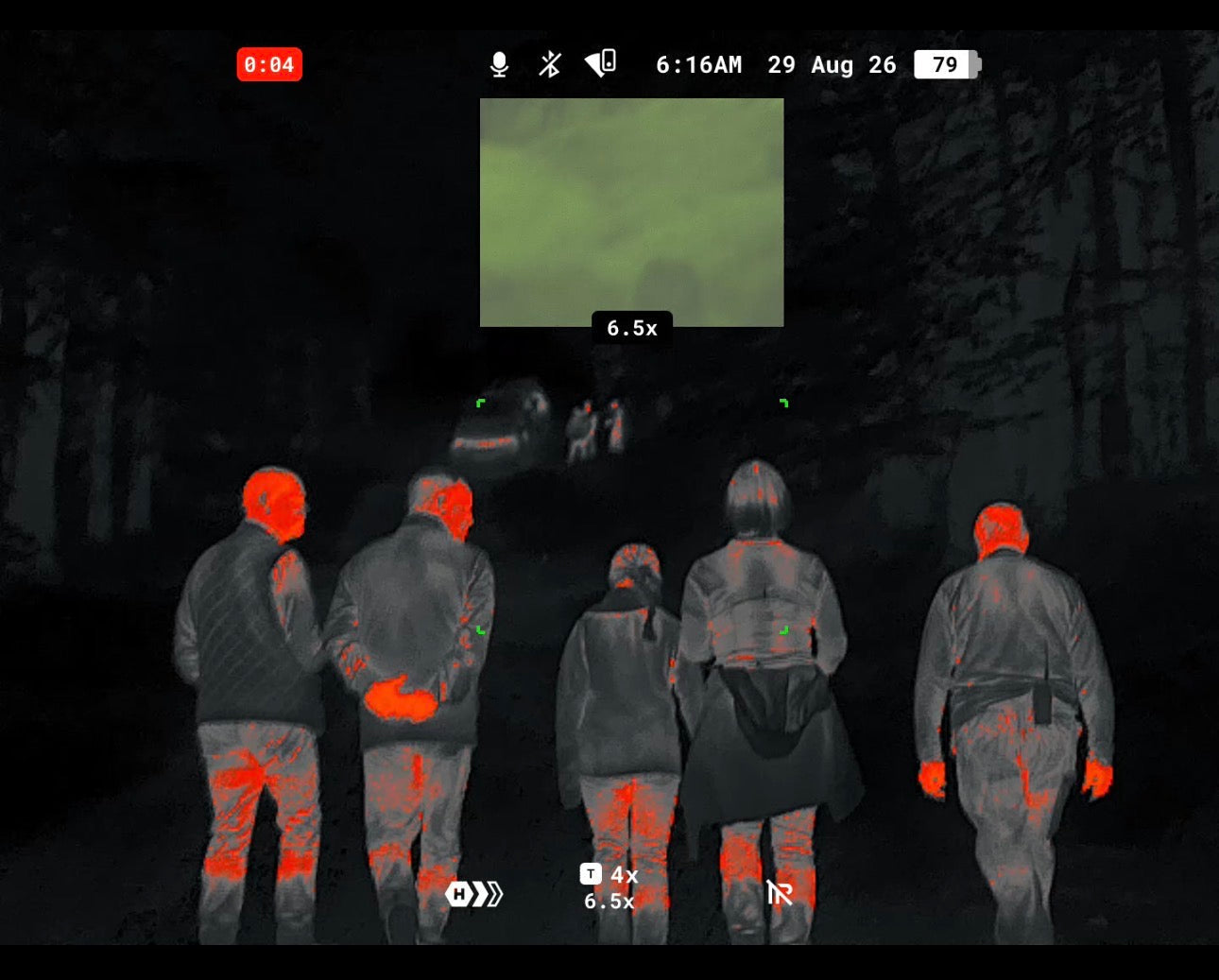
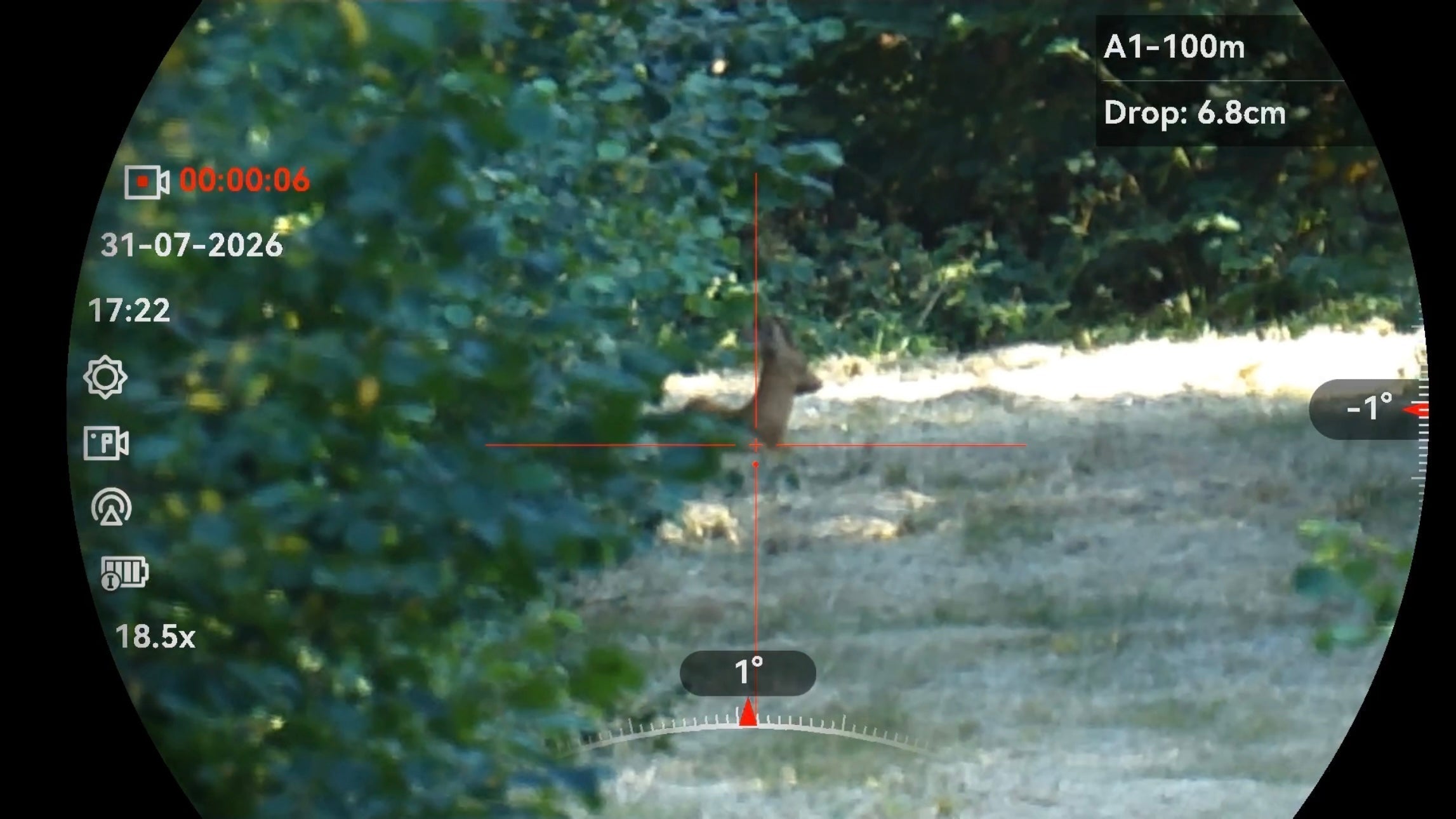
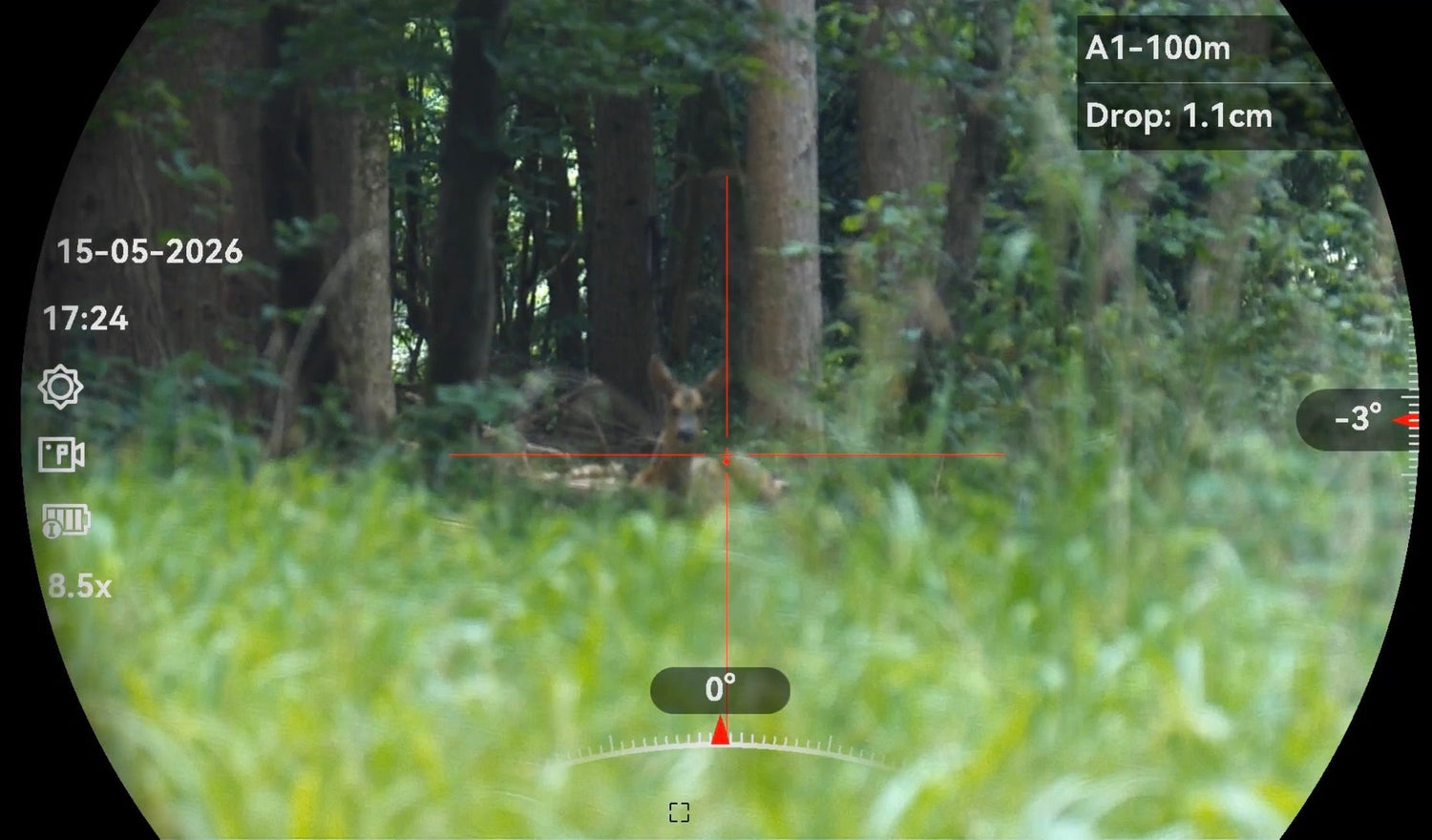
Trail cameras, thermal equipment, digital mapping, drones and AI-supported image processing are becoming more common in deer management. Used properly, these tools can improve understanding by identifying nocturnal movement, confirming species presence, showing boundary crossings, supporting population estimates and helping landowners see activity they would otherwise miss.
Technology, however, is not a substitute for field knowledge. A camera records only what passes in front of it, a drone survey captures a particular area at a particular time, thermal equipment detects heat but does not explain habitat impact, and AI can classify images without understanding the management objective.
The value comes from how the evidence is interpreted. Technology should answer a question. Where are deer entering? Which species are using the coppice? Is the fallow herd present during daylight or only at night? Has activity reduced after management? Are deer shifting onto neighbouring ground?
Without a clear question, more data can create the appearance of knowledge without improving the decision. The strongest approach combines technology with field signs, habitat assessment, cull records and local experience. The equipment supports judgement; it does not replace it.
The venison supply chain is part of delivery
If national policy encourages greater deer control, the carcass supply chain has to be capable of handling the result. Every additional deer removed has to be recovered, inspected, chilled, stored, transported and placed into an appropriate market or use.
That requires infrastructure. A landscape may have enough competent people to increase control but insufficient larder capacity. Game dealers may have limited demand, extraction may be difficult and smaller carcasses may return little value despite requiring the same basic standards of handling.
A management plan that increases the cull without considering carcass capacity is therefore incomplete. Developing the domestic wild venison market can help. Shared larders, local processing, direct supply where lawful, stronger relationships with dealers and better public understanding all have a role.
The venison market, however, cannot be expected to fund every part of deer management. The food chain should support the work, but it cannot define which deer most need to be managed.
Landowners must become active clients
One of the persistent weaknesses in deer management is passive commissioning. A landowner gives someone permission to stalk, deer are occasionally removed, a cull figure is reported and everyone assumes the problem is being addressed.
That arrangement may be adequate where impacts are low and objectives are limited, but it is not adequate where woodland condition, grant delivery, protected habitats or significant investment are at stake. The modern landowner needs to become a more active client.
That does not mean becoming a deer specialist. It means asking sensible questions. What species are present? What evidence shows that management is needed? Where are the priority areas? What level of effort is proposed? Who will deliver it? How will activity be recorded? How will habitat response be assessed? Are neighbouring owners relevant? What infrastructure is required? What would indicate that the plan is not working?
Those questions create a clear brief and help distinguish between recreational access and professional management. A person attending occasionally because they enjoy stalking may still contribute useful control, but the landowner should not confuse that contribution with a structured management programme unless the evidence supports it.
Permission is not a management system.
Professional deer management is a wider service
The correct market for modern deer management is not simply seeking someone capable of taking a safe shot. It is seeking someone capable of supporting a land management objective.
That requires a wider skill set. Professional deer managers may need to assess habitat impact, interpret field signs, map movement, advise on high seats, manage teams, work around public access, maintain records, handle carcasses, support grant documentation, communicate with advisers and review progress.
They need to understand the difference between activity and outcome, and they also need to be prepared to give difficult advice. A landowner may need more sustained control than expected, neighbouring cooperation may be essential, existing access arrangements may be inadequate, the current stalker may not have enough capacity, a cull target may be unrealistic or a new woodland may require more protection.
Professionalism includes being able to explain those realities calmly and clearly. It does not mean promising a simple answer because that is commercially easier.
The market should reward evidence and delivery
As policy expectations increase, the market should increasingly favour providers who can demonstrate structured delivery. Landowners, agents, forestry professionals and public bodies should expect more than informal assurance. They should expect competent operators, clear records, site-specific planning, habitat evidence, lawful practice and review.
Price will remain important, but the lowest visible cost may create the highest hidden risk. A cheaper arrangement that fails to reduce impact can cost more through damaged planting, repeated maintenance, delayed recovery and lost environmental benefit.
A professional service should therefore be assessed on value, not merely on the cost per outing or the amount returned from a carcass. Can the provider explain what is happening? Can they show where effort is being applied? Can they identify constraints? Can they produce evidence of change? Can they adapt the programme when deer respond?
That is the standard the market should begin to expect.
Recovery will take time
The current policy moment may create an expectation of rapid improvement, and that needs to be managed carefully. Some deer populations can be reduced relatively quickly where access, capacity and cooperation are strong, but woodland recovery may still take longer.
Vegetation has its own timescale. Seed sources may be limited, the understorey may have been suppressed for years, preferred species may need time to recolonise and coppice may respond only gradually after pressure falls.
Recovery should therefore be monitored over realistic periods. The absence of immediate dramatic change does not necessarily mean the work is failing, but slow recovery should not become an excuse for continuing damage. Repeat evidence helps distinguish between the two.
If browse pressure is reducing, regeneration is appearing and protected comparisons show improvement, the site may be moving in the right direction. If the same impacts remain unchanged, the management response should be reconsidered. Patience is necessary, but so is accountability.
A wider point worth making
The renewed focus on deer is an opportunity to change the way the service is understood. Deer management should sit alongside woodland planning, establishment, protection, harvesting, biodiversity and infrastructure as a core part of land management.
It should not be treated as an informal sporting arrangement expected to resolve complex ecological and commercial problems in the background. The policy direction creates a clearer framework, funding creates greater opportunity, technology creates stronger evidence and public attention creates higher expectations.
Together, these changes should raise standards. That means better plans, better records, better landowner engagement, better collaboration and a more honest approach to cost. It also means accepting that some current arrangements will no longer be enough.
That is not an attack on recreational stalking. Responsible recreational stalkers contribute a great deal to deer management. It is simply recognition that some sites now require a more structured and accountable service, and the market needs to understand the difference.
The woodland remains the final measure
At the centre of all this is a simple question: is the woodland recovering?
Not whether the plan has been written, the agreement approved, the equipment purchased, the meetings held or even whether deer have been culled. Are the young trees surviving? Is the understorey returning? Is coppice getting away? Is natural regeneration becoming established? Are the priority habitats improving? Is deer pressure now compatible with the objective of the site?
That is the measure that matters. The policy can support it, the funding can enable it, the plan can organise it and the deer manager can help deliver it, but the woodland will provide the answer.
The Deer Impacts Policy Statement marks an important change in the national conversation. It recognises that deer pressure is not a narrow sporting issue, but something connected to woodland creation, natural regeneration, biodiversity, protected sites, forestry investment, public safety, venison supply and the resilience of the wider landscape.
That recognition is welcome, but recognition is not recovery. The work still depends on competent people, active landowners, realistic funding, proper evidence, useful management plans, lawful operations, carcass infrastructure, neighbouring cooperation and repeated effort on the ground.
Funding must purchase an outcome, plans must lead to delivery, cull figures must be tested against habitat response, public bodies must demonstrate leadership and landowners must commission the work properly. Professional deer managers must be able to show not only what they have done, but what has changed because they did it.
The policy has changed, but the woodland still has to recover. It is the woodland, not the policy, that will eventually tell us whether anything meaningful has improved.