There was a time when deer management could sit quietly at the edge of estate management. It might have been handled by a trusted local stalker, folded into the sporting calendar, arranged informally through a handshake, or addressed only when visible damage became too obvious to ignore.
On some holdings that arrangement still works for light-touch control. But where the objective is woodland recovery, new planting, natural regeneration, coppice restoration, habitat improvement or long-term land resilience, informal control is no longer enough.
The standard expected of deer management has changed because the stakes have changed. Woodlands are now being asked to deliver more than shelter and scenery. They are expected to establish reliably, recover naturally, support biodiversity, store carbon, produce timber, improve landscape condition, provide public benefit and withstand a changing climate. These ambitions depend on the living structure of the woodland: young trees, shrubs, coppice, bramble, ground flora and regeneration. Where deer pressure prevents that structure from developing, the woodland cannot do the job being asked of it.
Professional deer management is not simply shooting deer. That is the most visible part of the work, but it is not the whole discipline. The real value sits in diagnosis, planning, fieldcraft, safety, record keeping, carcass handling, landowner communication, impact monitoring and the ability to connect deer behaviour with woodland outcomes. A professional service asks not only how many deer can be culled? but what is the problem, where is it happening, what level of intervention is proportionate, and how will we know whether the woodland is improving?
This is why professional deer management has become essential. Not because every site requires heavy intervention, and not because deer have no place in the countryside, but because unmanaged impacts can quietly undo years of woodland investment. Where browsing pressure is above tolerable levels, woodland recovery becomes slower, weaker and more expensive. Where management is planned properly, the woodland has a chance to establish, regenerate and recover.
The Difference Between Stalking and Professional Management
The distinction between stalking and professional deer management matters. Stalking is often focused on the deer. Professional management is focused on the land. A stalker may remove animals competently, safely and ethically, but a professional deer management plan begins with the condition of the woodland and works backwards from there. It asks what the landowner is trying to achieve and what deer are doing to that objective.
That difference changes the whole approach. A sporting arrangement may prioritise opportunity, tradition, trophy quality, personal access or seasonal routine. A professional management arrangement prioritises outcome. If a restock compartment is being browsed, if coppice regrowth is being checked, if natural regeneration is absent, if muntjac are suppressing the lower woodland layer, or if fallow movement is undermining a planting scheme, the management must be designed around that problem. The work is judged by the response of the woodland, not by the enjoyment of the outing.
A professional approach also recognises that deer behaviour is rarely simple. Sightings alone are unreliable. A landowner may see few deer and still suffer significant night-time browsing. A site may hold little deer activity by day but receive repeated pressure from animals moving out of neighbouring cover. Muntjac may cause persistent low-level damage while remaining largely unseen. Fallow may alter their pattern quickly in response to disturbance. Without experience and structured observation, the problem can easily be underestimated.
This is where Wildscape’s value sits. The work is not based on guesswork or casual attendance. It is based on reading the ground: slots, couches, racks, fraying, dung, browse lines, damaged leaders, broken guards, pressure points, feeding areas, travel routes and the way deer use woodland edges, rides and cover. That field knowledge allows management to be targeted rather than random.
Professional Management Starts With Diagnosis
No responsible contractor should begin with the assumption that every woodland needs the same answer. Some sites require regular control. Some need better monitoring. Some need fencing, some need access opened up, some need neighbouring land brought into the conversation, and some need nothing more than a watching brief. The professional task is to distinguish between them.

Diagnosis begins with the woodland itself. The first question is not simply whether deer are present, but whether their impacts are affecting the objective. Are young trees being repeatedly browsed? Are palatable species missing? Is bramble low and flattened? Is coppice regrowth failing to escape? Are shrubs absent where they should be developing? Are there deer paths through vulnerable areas? Are guards being pushed, rubbed or damaged? Is the site failing to recruit despite suitable seed source and light?
The next question is scale. Deer impacts may be concentrated around one compartment, a woodland edge, a ride network, a planting block, a pheasant cover, a wet flush, or an access corridor. They may also be part of a wider pattern created by animals using several ownerships. Good diagnosis identifies whether the issue is local, seasonal, species-specific or landscape-wide. Without that distinction, management effort can be wasted in the wrong place.
A professional diagnosis also separates deer impacts from other causes of woodland failure. Poor planting, drought, waterlogging, vole damage, squirrel damage, shade, competition, poor maintenance and unsuitable species choice can all contribute to problems. Deer may be the main cause, a contributing factor, or one part of a wider issue. The landowner needs honesty, not exaggeration. Good advice is credible because it is proportionate.
The Woodland Is the Client
In professional deer management, the landowner commissions the service, but the woodland is the client. That principle keeps the work honest. It prevents management from becoming a numbers game and keeps attention on the ecological and silvicultural result. The purpose is not simply to remove animals. The purpose is to reduce impacts to a level at which the woodland can function.
This means the woodland must be monitored over time. A cull return may tell the landowner what has been removed, but it does not tell them whether regeneration is recovering. The more useful evidence is found in the vegetation. Are leaders intact? Is new growth appearing outside fenced areas? Is coppice pushing up? Is bramble returning? Are shrubs beginning to form a lower layer? Is the site showing seasonal recovery? Is damage decreasing in the areas that matter most?
The woodland will often respond gradually. Recovery is not always immediate, particularly where browsing pressure has been high for years. Some sites need several seasons before the difference becomes obvious. This is why professional management needs patience and consistency. A single operation rarely solves a long-standing problem. Repeated, well-planned effort, supported by observation and review, is far more valuable than occasional bursts of activity.
Wildscape’s approach is built around that longer view. Deer management should leave the landowner with a clearer understanding of their woodland, not just a record of attendance. It should create a trail of evidence, explain what is changing, and identify where future effort is needed. The aim is not only to act, but to learn from the woodland as it responds.
Operational Competence Is More Than Fieldcraft
Good fieldcraft is essential, but it is not enough on its own. A professional deer manager must also understand how to operate safely and discreetly in complex landscapes. Many sites are not remote, private woods with simple access. They may include public rights of way, houses nearby, livestock, equestrian use, contractors, forestry operations, game interests, utilities, conservation sensitivities or neighbouring properties. Each of those factors affects how management can be delivered.
Operational competence begins with planning. Where are the safe arcs of fire? Where are the backstops? How will access be gained? Where can vehicles be left without drawing attention or causing obstruction? How will carcasses be extracted? What happens if members of the public are encountered? Are there livestock movements, shoot days, forestry works or tenant arrangements to consider? Has the landowner made the necessary permissions clear?
These details are often invisible when management is done well. They only become obvious when they are neglected. Poor access planning creates disturbance. Weak communication creates anxiety. Inadequate carcass arrangements create practical and reputational problems. Unclear permissions create conflict. Professionalism is the discipline of resolving these issues before they become problems.
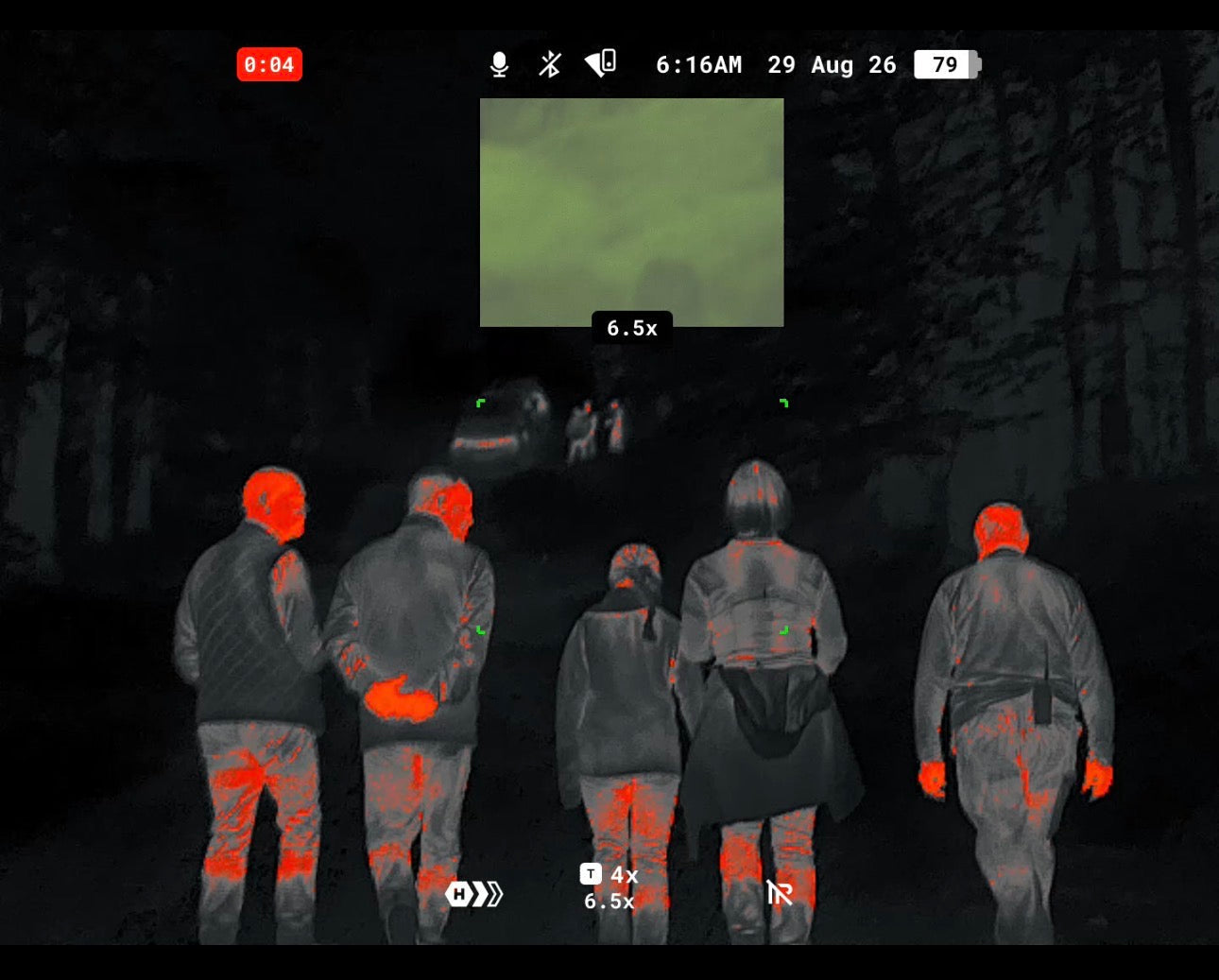
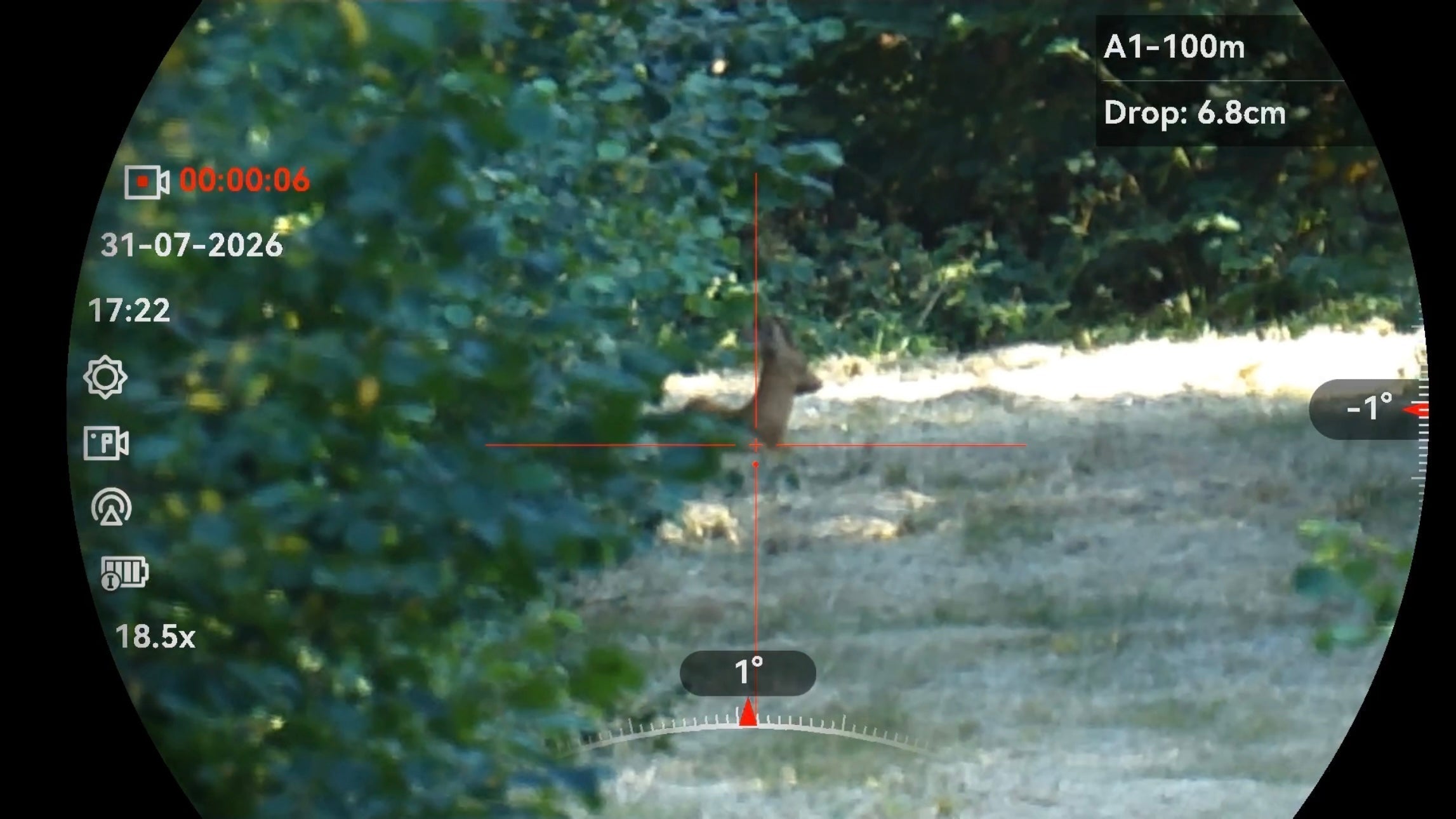
This is particularly important where management is carried out at night or in sensitive locations. The use of thermal equipment, night vision, moderated rifles and coordinated teams must be handled with care and competence. The equipment itself does not make the work professional. Professionalism comes from judgement, restraint, communication and standards.

Species Knowledge Shapes the Management Plan
A professional deer management plan must be species-specific. Fallow, roe and muntjac require different thinking, and a plan that treats them as interchangeable will be weak from the start. Each species uses the landscape differently, responds to pressure differently and creates different patterns of impact.
Fallow often create the biggest landscape-scale challenge. Their social behaviour, group movement and ability to shift between feeding, resting and refuge areas mean that one holding may experience damage caused by animals spending much of their time elsewhere. They can become more nocturnal, avoid pressure and exploit unmanaged ground. Managing fallow effectively often requires coordination, persistence and an understanding of movement across multiple ownerships.
Roe are more localised but no less important. Their impacts can be underestimated because they are often spread through a woodland rather than concentrated in large herds. They can browse young trees, fray saplings and influence regeneration quality. Where woodland objectives depend on mixed species recruitment, roe pressure can be enough to alter the future structure of a site, particularly where management is inconsistent.
Muntjac require still another approach. Their size and secretive behaviour mean they are often present in greater numbers than casual observation suggests. They work quietly through the lower woodland layer, browsing regeneration, coppice and shrubs. They can persist in small woods, gardens, scrub and edge habitats, making them especially difficult to manage through occasional effort. A site can appear lightly populated and still be suffering sustained muntjac impact.
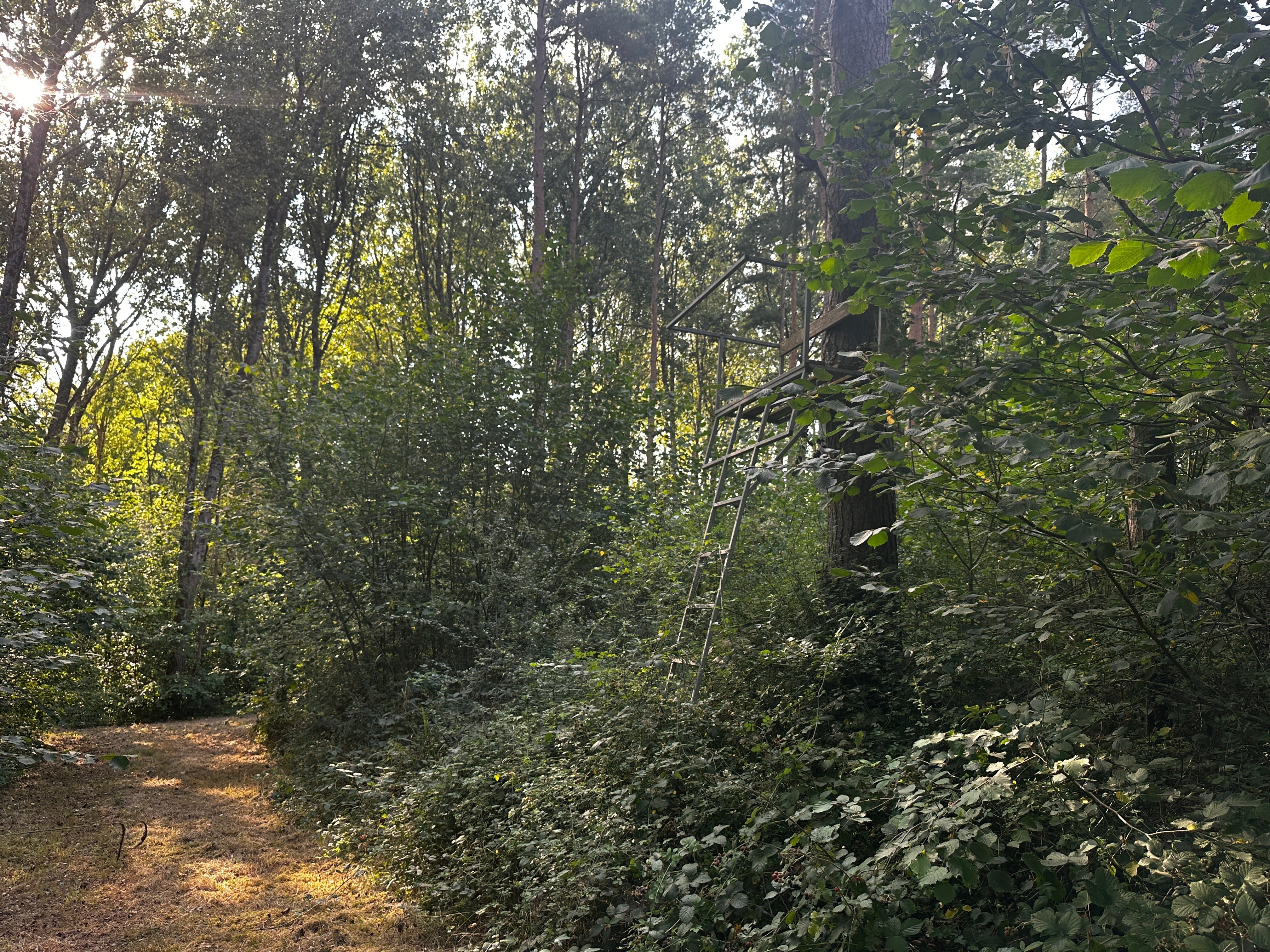
Understanding these differences allows management to be practical. It informs timing, access, equipment, high seat placement, monitoring and expectations. It also helps landowners understand why one method may work in one landscape but fail in another. Professional deer management is not a template. It is a response to species, site and objective.
The Hidden Cost of Informal Arrangements
Informal deer control can appear inexpensive, but the real cost is not always visible. A landowner may not receive regular reports. Cull effort may be inconsistent. Sensitive compartments may be overlooked. Carcasses may not be handled through a proper route. There may be no baseline evidence, no impact monitoring and no clear link between activity and woodland recovery. The arrangement may feel convenient while the woodland continues to decline.
The cost of that decline is paid later. It appears as failed planting, repeated beating-up, damaged guards, poor form, suppressed regeneration, extended maintenance, missing shrub layers and reduced woodland resilience. It appears in lost time. A woodland can lose five years very quietly. By the time the need for professional intervention is accepted, the site may already require more expensive correction.
This is not an argument against all informal help. Many estates rely on competent local people, and some arrangements are effective because the individuals involved are skilled, committed and properly trusted. The issue is not whether a person is local or professional by title. The issue is whether the work is planned, recorded, safe, outcome-led and aligned with the woodland objective.
Landowners should therefore ask sharper questions. What is being monitored? Which species are being targeted? Which areas are most vulnerable? How often is the site being attended? What evidence shows whether impacts are changing? What happens to carcasses? How is safety managed? How is the work reviewed? If those questions cannot be answered clearly, the arrangement may not be sufficient for serious woodland recovery.
Professional Standards Build Public Confidence
Deer management increasingly takes place in landscapes where public perception matters. Many woodland owners must consider walkers, neighbours, local communities, conservation interests, staff, tenants and contractors. Even where the management need is clear, poor conduct can damage confidence quickly. Good conduct, by contrast, reassures landowners that necessary work is being carried out responsibly.
Public confidence is built through quiet professionalism. Vehicles are parked discreetly. Gates are secured. Paths are respected. Communication is calm. Operations are timed carefully. Carcasses are handled properly. The site is left as it was found. Incidents are avoided because risks were considered beforehand. These are the standards that allow deer management to continue without unnecessary friction.
Language also matters. Deer management should never be presented as hostility towards deer. The message is one of balance. Deer belong in the countryside, but woodland also needs to regenerate. The work exists to protect that balance, not to remove deer from the landscape. When explained properly, professional deer management is part of stewardship.
Wildscape’s credibility depends on this standard. The work must be effective, but it must also be appropriate. It must be capable of standing up to scrutiny from landowners, agents, neighbours and the public. That is what separates professional management from casual control.
What a Landowner Should Expect From a Professional Service
A landowner commissioning professional deer management should expect clarity from the beginning. The service should not be vague. It should explain what has been observed, what the likely issue is, what management is recommended and how progress will be reviewed. It should also be honest about uncertainty. Deer management deals with living animals in complex landscapes, and no responsible professional should pretend that every outcome can be guaranteed.
The landowner should expect proper records. These do not need to be overcomplicated, but they should be useful. Attendance, observations, species, cull details, impact notes, carcass handling and recommendations should be recorded clearly. Where the objective is woodland recovery, photographic evidence and mapped impact points can add real value. The purpose is not paperwork for its own sake. It is to build a management history that supports better decisions.
They should also expect advice, not just attendance. A professional deer manager should be able to say when fencing is needed, when access is poor, when neighbouring land is influencing the problem, when natural regeneration is being suppressed, when expectations are unrealistic and when the management approach needs to change. That advice may sometimes be uncomfortable, but it is part of the value.
Most importantly, the landowner should expect the service to be connected to the woodland objective. If the objective is restocking, the focus should be establishment. If the objective is coppice restoration, the focus should be regrowth. If the objective is habitat recovery, the focus should be structure and diversity. The management should always return to the question that matters most: is the woodland recovering?
Professional Management Protects the Future Woodland
Professional deer management is no longer optional because woodland recovery cannot be left to chance. The pressure on landowners to create, restore and improve woodland is increasing, and the expectations placed on those woodlands are greater than ever. Where deer impacts are limiting establishment or regeneration, ignoring the issue does not preserve balance. It allows decline to continue quietly.
The aim is not to remove deer from the countryside. The aim is to manage their impacts with enough skill, evidence and consistency that woodland can renew itself. That requires more than occasional attendance. It requires diagnosis, planning, species knowledge, fieldcraft, safety, reporting, public sensitivity and long-term review. It requires management that is professional in both conduct and purpose.
For landowners, the decision is becoming clearer. If woodland recovery matters, deer management must be treated as part of the core management plan. It should be considered alongside planting, fencing, maintenance, access, habitat work and long-term objectives. It is not separate from woodland stewardship. It is one of the foundations that allows stewardship to succeed.
Wildscape Deer Management exists in that space: where practical field knowledge meets woodland recovery. The work is grounded in the realities of deer behaviour, landscape use and landowner need.
It is not about activity for its own sake. It is about helping woodland recover, helping landowners act with confidence, and ensuring that deer remain part of the landscape without preventing the next generation of woodland from establishing.