Most people think of deer management as a habitat conversation. Trees, regeneration, browse pressure, restocking bills, grant compliance. All of that is true, but it is not the whole picture. Deer sit inside a wider welfare and public-health landscape, and when numbers, movement and disturbance become misaligned, the consequences show up well beyond the woodland edge.
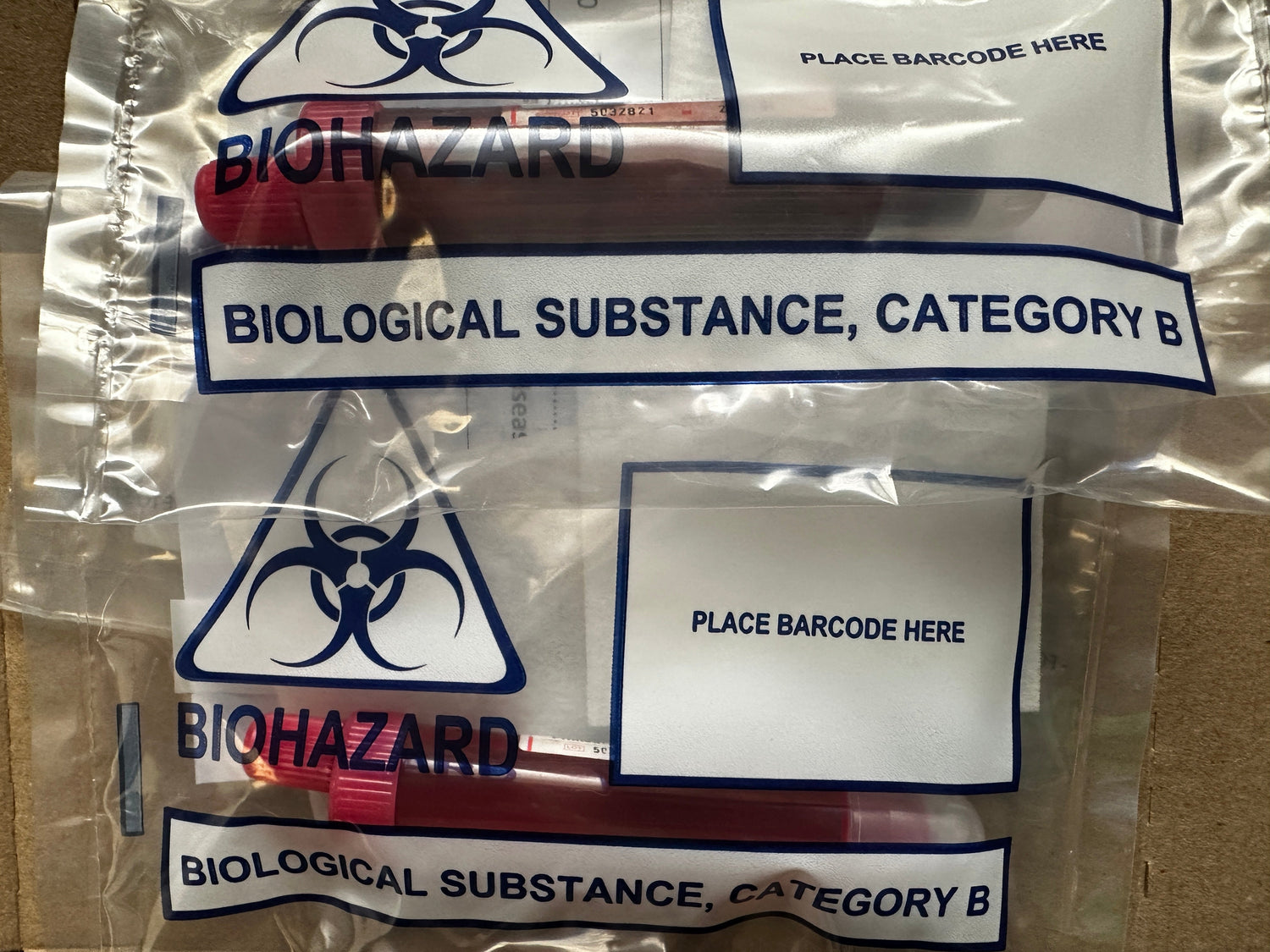
That is why, at the end of a wet weekend on the ground, we are sometimes doing something that looks more like lab work than field work. It is not glamorous. It is sealed sample bags, labels that do not smudge, gloves, disinfectant, and the quiet discipline of writing down what matters while it is still fresh.
Where the animal was taken. What the ground was like. What we saw on the carcass. What else was happening in the wider area. If you do not capture the context properly, you may as well not bother. A sample without detail is just an object. A sample with detail becomes a small piece of evidence that can help researchers build a truer picture of what is changing and where.
UKHSA’s role is national, but the data that supports that role is often local. It comes from real landscapes, real animals, and real people who are prepared to take standards seriously when nobody is watching.
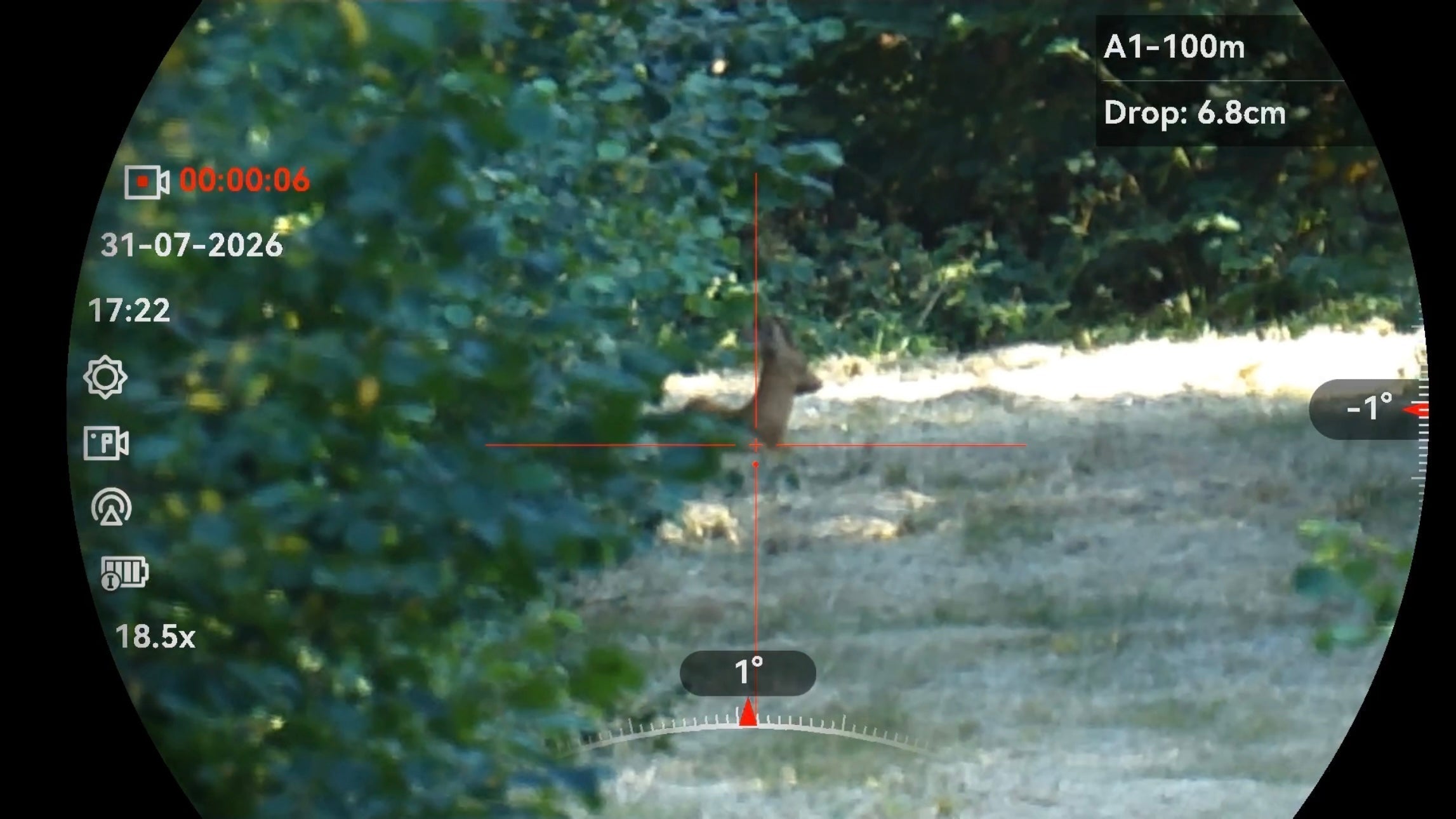
Deer managers are in a uniquely practical position here. We see animals up close, often at dawn, twilight and late at night, on contracts where most people never set foot. We return to the same blocks season after season, which means we notice patterns that would otherwise be invisible: tick burden increasing in particular compartments, changes in body condition, shifts in movement on the urban fringe, and the knock-on effects of development, fragmentation and constant disturbance.

Supporting surveillance work is not a separate virtue project. It is simply an extension of taking the job seriously.
Why this matters beyond the woodland
In the South East, deer are increasingly forced into tighter spaces. More roads. More fencing. More housing edges. More recreational pressure. Fewer quiet corridors. When pressure rises and movement becomes compressed, the problems are not limited to browse lines and failed planting. Welfare issues increase. Deer-vehicle collisions become more frequent. Animals end up caught in fencing. Injured deer are reported on the fringe. Call-outs stack up at the very times when visibility is poor and operator capacity is limited.
This is where public-health and welfare considerations overlap with land management. It is not about scaremongering. It is about recognising that when the landscape is under strain, the animals are too. Surveillance and research help separate “it feels worse this year” from “this is measurably changing in these areas”. That distinction matters when decisions need to be made calmly, with evidence rather than noise.
Professional standards are built in the quiet moments
Supporting UKHSA-linked research is not a replacement for habitat-led deer control. It is part of the same adult framework.
If we want deer management to be treated as a profession, then we need to behave like professionals when nobody is watching. That includes the uncelebrated parts of the job: hygiene, records, traceability, and collaboration with agencies whose remit sits beyond our immediate contract outcomes.
It also challenges the lazy caricature that deer management is only about taking animals. The truth is that the rifle is one tool inside a wider system: woodland resilience, welfare, public access, biosecurity awareness, and the ability to explain what you are doing in a calm and defensible way.

If you want to support the work, do it properly
If you are a landowner, agent, forester, keeper or stalker and you want to support surveillance research, approach it the same way you would approach any high-stakes task. Keep it factual. Keep it clean. Keep the context. Do not post scraps of information and assume someone else can reconstruct the story later.
And if you are seeing rising tick pressure, repeated deer-vehicle collisions, injured animals on the fringe, or a general sense that the landscape is becoming tighter and more conflicted, that is usually a sign that something needs looking at properly, not emotionally.
If you would rather not navigate that alone, or you want to understand what is worth collecting and how to make it useful, reach out to us. Where it fits, we can build sample awareness and basic field context into wider deer management support in Sussex. Because in the end, we are not only managing deer. We are working inside living systems that affect habitats, livestock, pets and people. Supporting the research that helps us understand those systems is part of taking the responsibility seriously.