Hedgerows are a defining feature of the UK countryside, acting as a haven for wildlife, a source of biodiversity, and a natural boundary marker. However, deer populations, with their natural browsing behaviour, pose a significant threat to the health and sustainability of hedgerows. The following sections offer a outline on practical measures that landowners and farmers can take to manage and mitigate deer impact on hedgerows effectively.
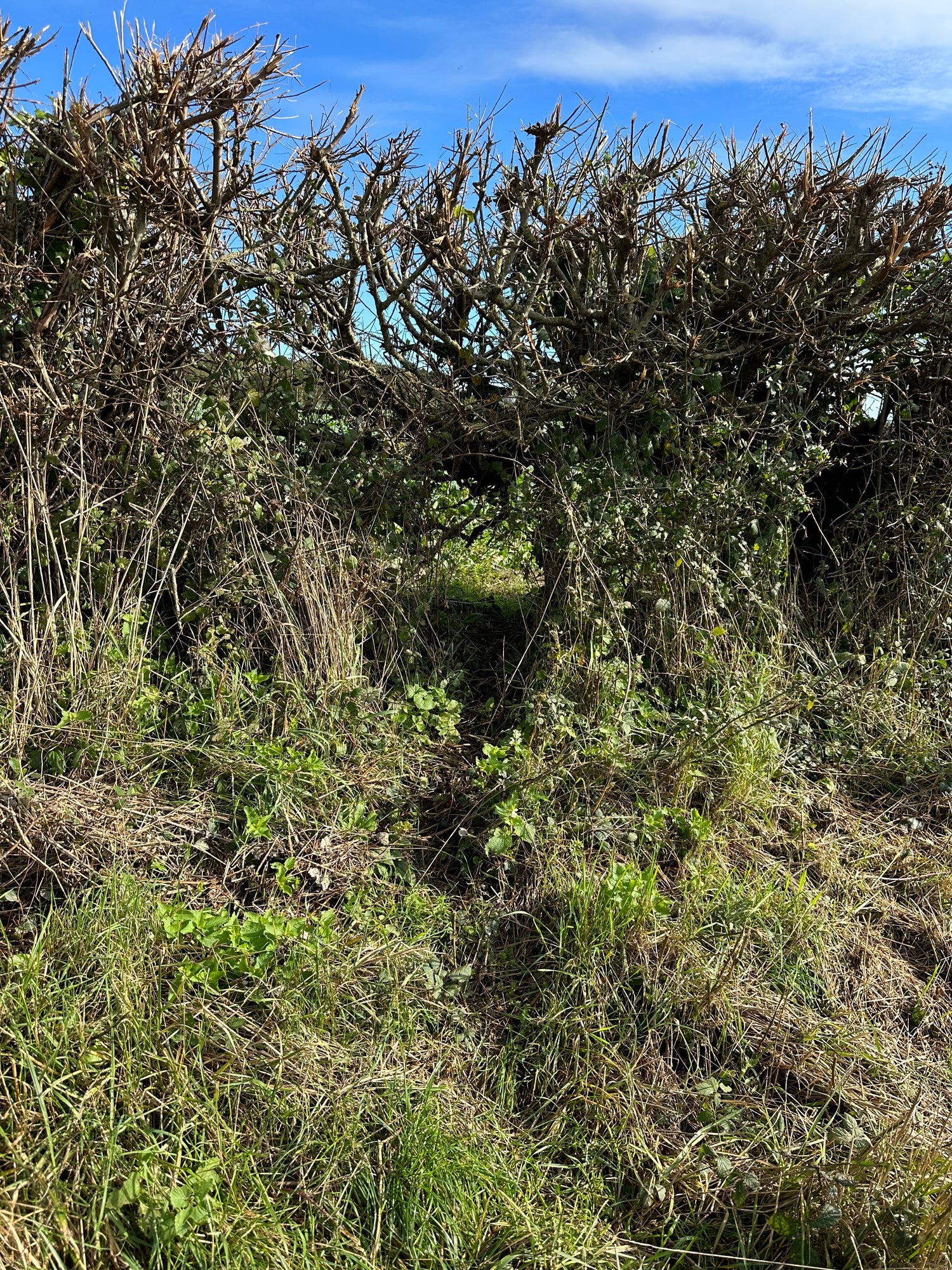
Understanding the Impact: Deer cause damage to hedgerows primarily through browsing on foliage, young shoots, and occasionally bark stripping. This activity can significantly hinder the growth and regeneration of hedgerows, leading to gaps, reduced foliage density, and exposure to diseases and pests. Understanding the extent and type of damage is crucial in formulating a targeted management plan.
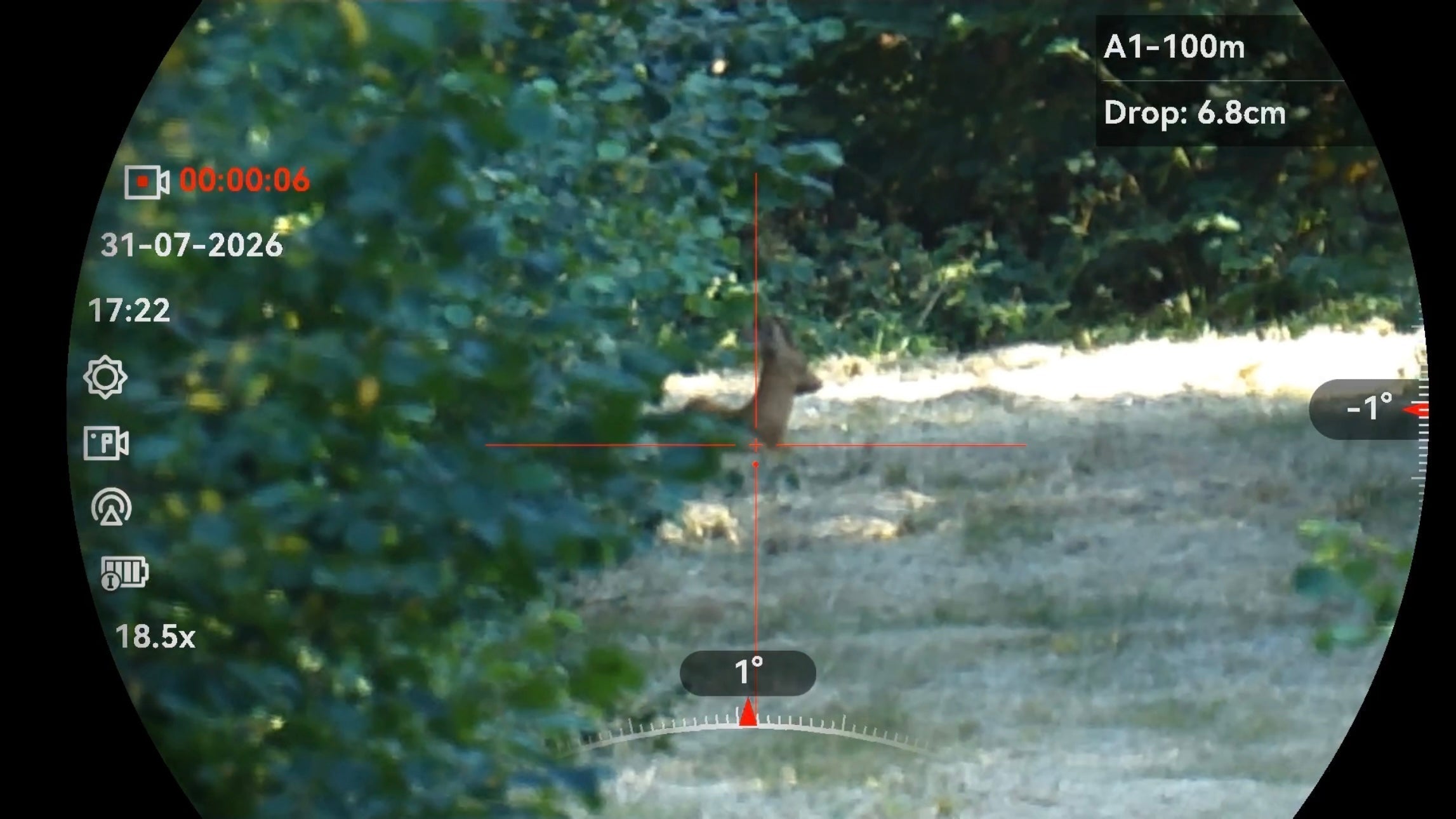
Monitoring: Regular monitoring is the cornerstone for effective management. Utilising trail cameras, and conducting physical inspections can help gauge deer activity around hedgerows and the level of damage. Monitoring should be done throughout different seasons to get a comprehensive understanding of deer impact over time.
Fencing: Erecting deer-proof fencing is a reliable method to protect hedgerows from deer damage. Although it may be a significant initial investment, it provides a durable solution. The fencing should be robust and tall enough to deter deer from jumping over. Various types of fencing are available, and the choice would depend on the specific circumstances of the land and the level of deer pressure.
Deterrents: Employing deterrents such as scent repellents, noise devices, or visual scares can help keep deer at bay. These deterrents can be cost-effective and easy to deploy. However, they may offer only a temporary solution and may need to be used in conjunction with other methods for better effectiveness.
Alternative Foraging Areas: Creating alternative foraging areas by planting food plots or cover crops can help divert deer attention away from hedgerows. Providing deer with alternative food sources can significantly reduce the browsing pressure on hedgerows, especially during winter and early spring when natural food sources are scarce.
Population Control: Managing deer populations through culling or fertility control can be a direct approach to reducing the impact on hedgerows. It's essential to adhere to local wildlife laws and regulations when considering population control measures. Professional wildlife management advice should be sought to ensure that population control is done in an ethical and scientifically sound manner.
Hedgerow Maintenance: Regular maintenance of hedgerows, including trimming and clearing of adjacent ground vegetation, can promote denser growth which in turn can deter deer from browsing. In severely impacted areas, restoration efforts such as replanting with deer-resistant species or using protective guards around young plants can be beneficial.
Professional Advice: Seeking professional advice from wildlife management experts can provide tailored solutions to manage deer impact on hedgerows effectively. Professionals can provide insights on the latest management techniques, legal compliance, and can help formulate a comprehensive deer management plan tailored to the specific needs of the land.
In conclusion, managing deer impact on hedgerows requires a well-planned, integrated approach. By combining monitoring, physical barriers, alternative foraging areas, population control, and professional advice, landowners and farmers can significantly mitigate deer impact on hedgerows, ensuring their preservation and the continuation of the myriad benefits they offer to the UK countryside.