There is a contradiction that keeps surfacing in public discussion about deer. Many people say they care deeply about animal welfare, biodiversity, and the health of our landscapes, and I take that seriously. Yet the same conversation can quickly become detached from the reality of what actually happens on the ground, and from the people who carry the responsibility when things go wrong.
WARNING GRAPHIC CONTENT BELOW
Deer managers, stalkers, controllers, rangers and wardens are sometimes spoken about as if we are separate from the animals, as if we arrive to “remove deer” and then disappear. In practice, it is rarely like that. Most people who work with deer care about them. Not in a sentimental, hands-off way, but in the practical way that comes from long observation: noticing condition, behaviour, injury, pressure on habitat, and the cumulative effects of a system that has slipped out of balance.
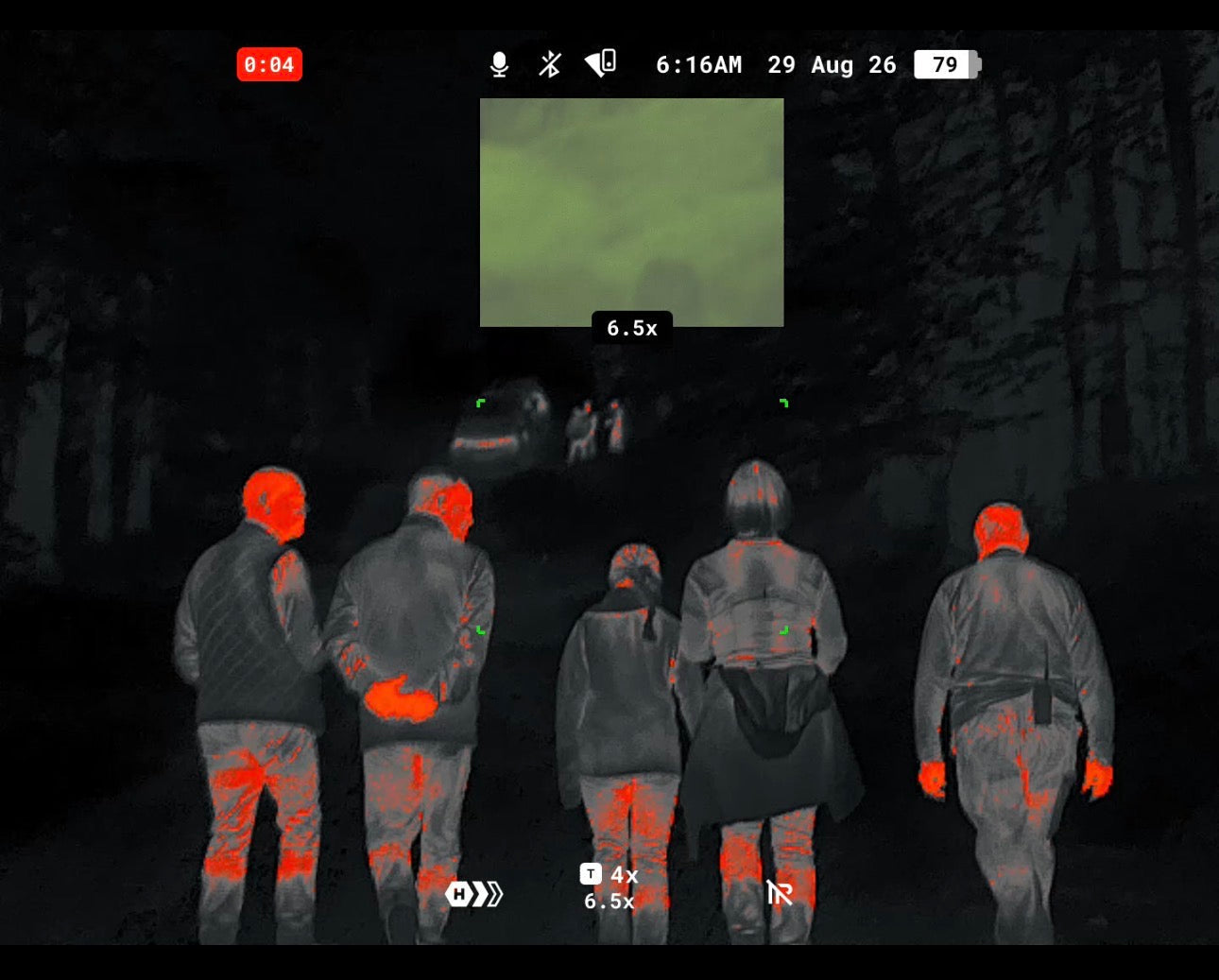
There is also another layer that is almost never acknowledged: being present on the ground, often in darkness, often in poor weather, often when most people are tucked up in bed, means you see what others do not. You become part of the countryside’s informal safety net. That includes welfare. It includes public safety. And it includes the quiet, persistent reality of rural crime.

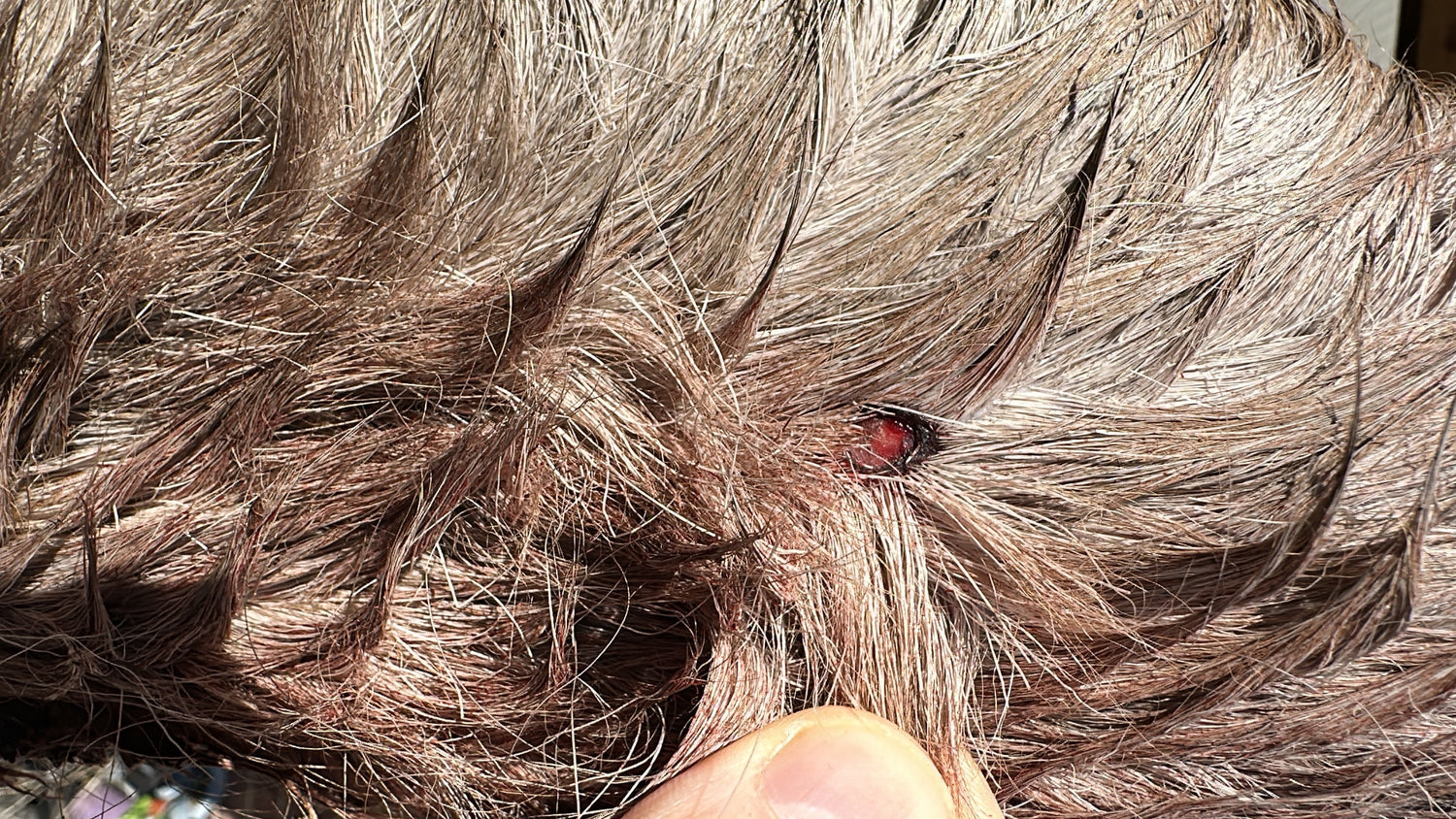
Image shows deer shot in the haunch illegally.
Presence on the ground changes outcomes
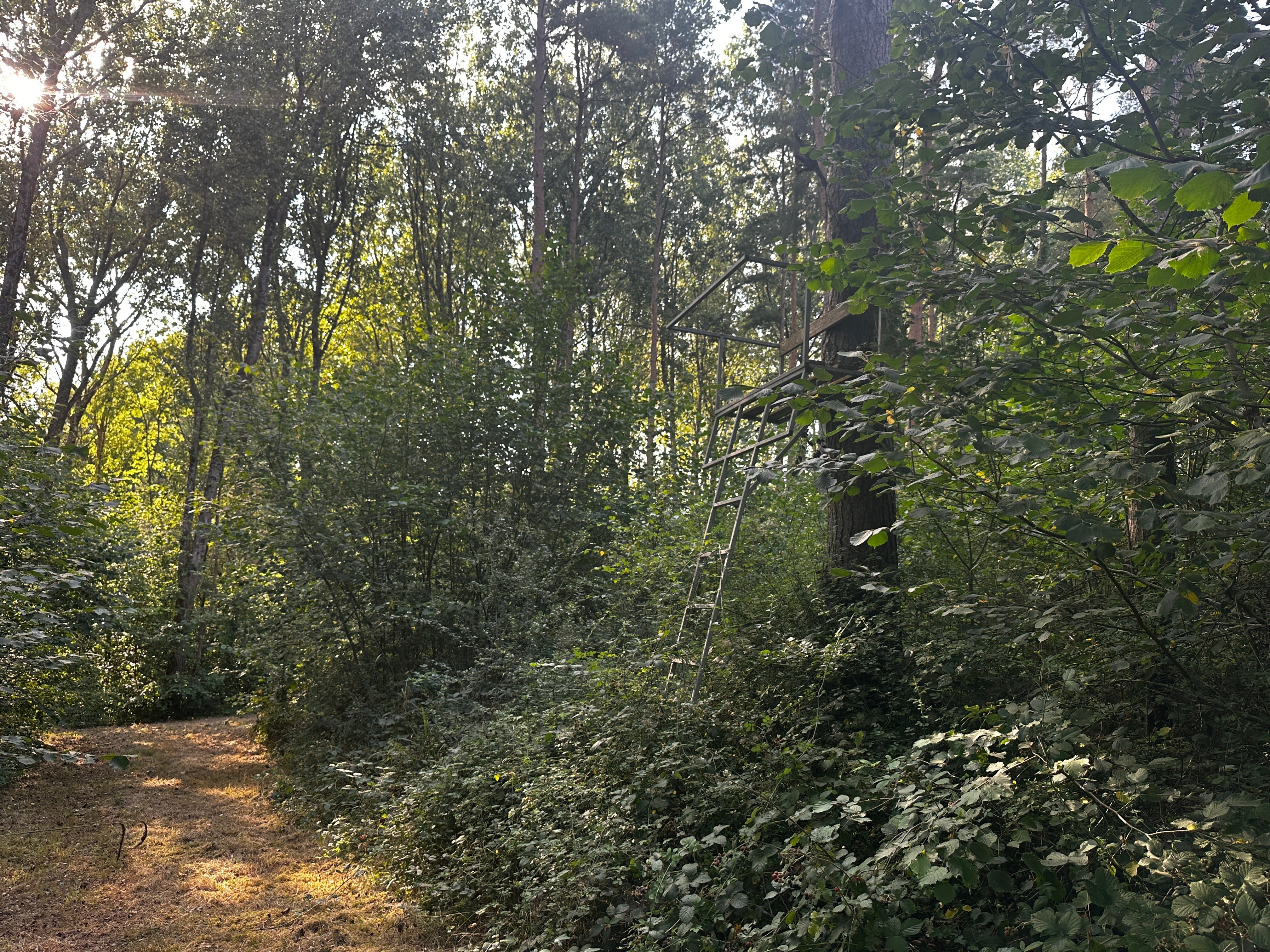
If you spend enough time out, you start to read the countryside differently. You notice fresh vehicle tracks where they should not be. Lamps and movement on boundaries at odd hours. A gate that has been tampered with. Fencing disturbed in a way that suggests more than wind. Carcass remains where they do not make sense. None of this is constant, and most nights are routine, but it is real enough that anyone working regularly will recognise it.
That presence has value even when nothing dramatic happens. It acts as a deterrent. It raises awareness. It strengthens relationships with neighbouring land managers, which is often the first line of defence against problems escalating. It also means that when something is wrong, it is more likely to be noticed quickly, rather than weeks later when the only evidence left is a story and a rumour.
This is one reason I struggle with the idea that deer management is only about numbers. The work is wider than that. It is part of how we keep the countryside functional.
A hard reminder: not all human contact with deer is lawful or humane
Last week offered a stark reminder that not everyone interacting with deer has the same intentions or standards.
One of the animals we culled, on closer inspection, showed evidence of a previous wound in the haunch or rear leg consistent with being illegally shot and not recovered. I am careful with language here because you cannot always prove exactly what happened or when. But the welfare reality is clear, a sub-suitable calibre was used to shoot this animal in the rear leg, I suspect by poachers.
A wound in that area, left untreated and unrecovered, is not a minor event for a deer. It means pain, compromised movement, stress, and vulnerability, sometimes for days or longer.
This is not common, but it is not unheard of. And it matters because it exposes a point that is often missing from the “just stop culling” argument. Even if professional control stopped tomorrow, deer would still be injured by vehicles, fencing, infrastructure, disease, and, occasionally, by people who do not operate legally or responsibly. The suffering does not disappear because someone wishes the subject away.
What changes is whether trained, competent people are available to deal with it quickly and humanely.
Professional deer management includes welfare response, not just population control
One of the biggest misunderstandings is that deer management is only “removal”. In reality, it has two responsibilities running in parallel.
The first is the obvious one: managing impacts. Where deer pressure is preventing regeneration, suppressing woodland structure, damaging hedgerows, or undermining habitat objectives, control becomes a land management function. Not eradication, not vengeance, but proportionate reduction to bring impacts back within what the landscape can carry.
The second is welfare response. Deer do not live in a soft world. They live among roads, fencing, development, machinery, dogs, and human disturbance. When an animal is badly injured, leaving it is not compassion. It is abandonment.
Responsible management includes identifying and dispatching injured animals humanely when recovery is not possible.
In plain terms, a professional deer manager is not only selecting animals as part of a plan. They are also dealing with the animals that should not be suffering, whether that suffering was caused by collision, entanglement, disease, or human interference.
That is the part many people never see, but it is a defining part of what responsible work looks like.

Image shows deer shot in the haunch illegally - splintered bone.
My own perspective: where deer management and public duty overlap
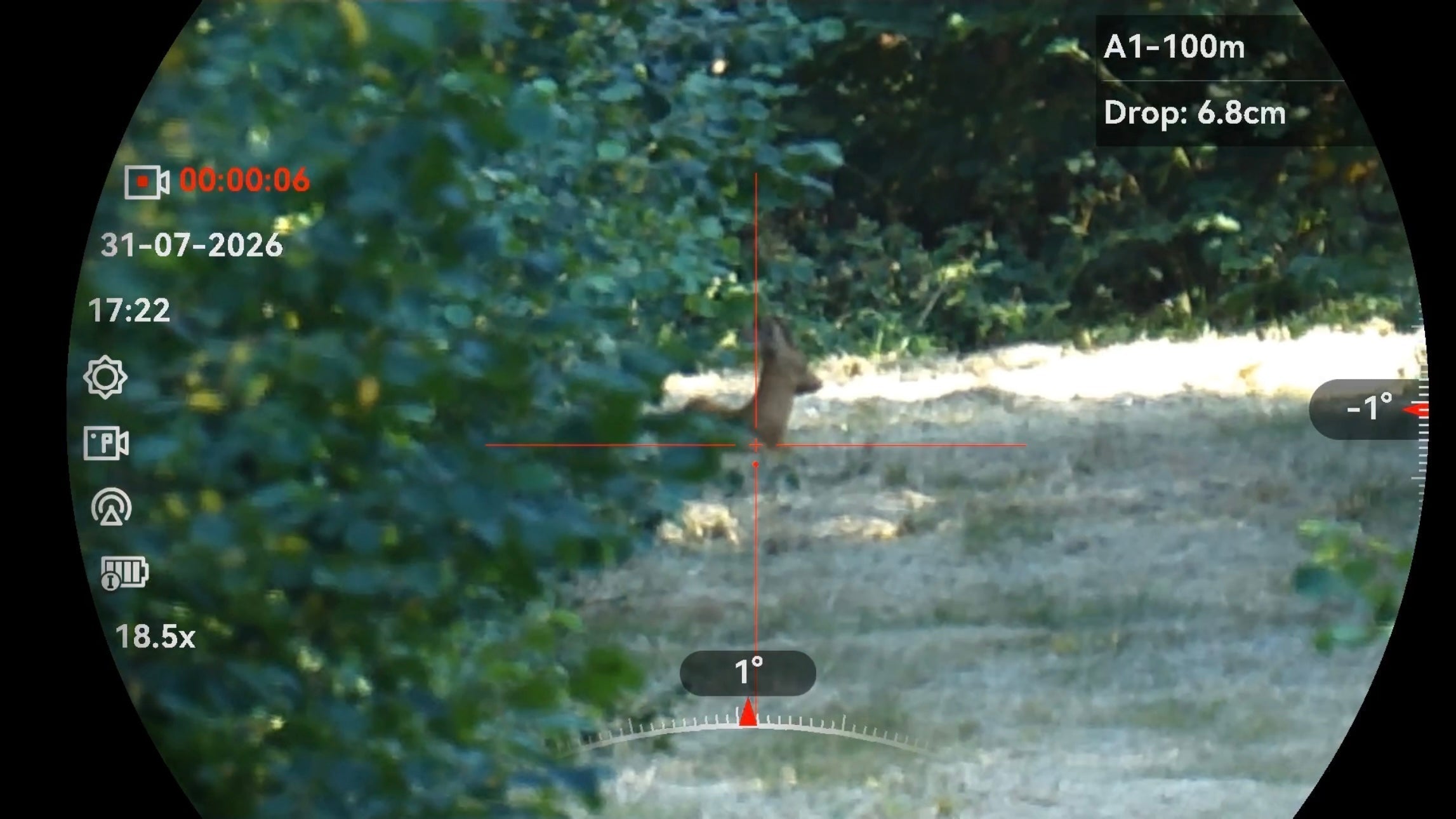
I have been operating as a deer manager for nearly two decades, and I have also served as a police-appointed deer warden for over ten years, dispatching injured deer on public highways. Much of that work happens at twilight and late at night, in poor weather, on fast roads, where the priority is always human safety first and then humane resolution for the animal.
That experience changes how you hear public debate. Because when someone says “deer should not be shot”, it is difficult not to hear the missing second half of the sentence: what happens instead, on a wet night, with an injured deer on the verge, when traffic is still moving and the animal is suffering.
It is all very well to say “find another method”. But “another method” still requires trained people, lawful frameworks, and a willingness to take responsibility for difficult outcomes. Simply saying “do not do it” is not a plan. It is an avoidance of reality.
Public debate often misses the middle ground
I listened recently to a radio discussion where callers spoke with real concern for deer, and I respect that. But what stood out was the distance between the emotion and the operational reality. There was a sense that if we simply stopped culling, the problem would soften into something gentler.
The countryside does not behave like that.
Deer do not politely limit their numbers to what habitats can support. They do not avoid roads. They do not avoid fencing. They do not stop moving because we are uncomfortable. And when injuries occur, they do not resolve themselves quickly. They often worsen.
The hardest truth, and the most useful one, is that welfare is not only about not causing harm. Welfare is also about preventing prolonged suffering when harm has already occurred. That requires intervention. In many cases, that intervention is humane dispatch.
What “good practice” actually looks like
If the public wants reassurance, it should be directed towards standards, not slogans.
Good deer management is defined by competence and restraint: correct equipment, lawful and suitable calibres, clear shot selection, disciplined follow-up, and the willingness to walk away when a shot is not defensible. It is also defined by how animals are handled afterwards, by hygiene, by safe recovery, and by honest reporting of abnormalities, disease, and welfare concerns.
It also includes the quieter professional behaviours that rarely get mentioned: risk assessment, safe systems of work, and a calm approach to public interaction when working on sensitive ground.
None of this is theatre. It is the difference between a profession and a pastime.
It is not eradication. It is balance.
This point is worth repeating plainly. The objective is not eradication. It is balance: reducing impacts to a sustainable level so habitats can recover and so deer populations remain healthy within the landscape’s capacity.
When impacts are excessive, everyone loses. Woodlands lose. Ground flora loses. Other wildlife loses. Farmers and growers lose. Road users lose. Deer lose too, because chronic high density is not welfare. It is competition, stress, injury, and movement into risk.
Responsible management aims for a system where all species and habitats can thrive, including deer.

Closing thought
Wildlife crime and irresponsible behaviour are not theoretical concepts for people who work on the ground. They appear occasionally in the form of wounded animals and disturbed boundaries, and they remind you that legality and welfare cannot be assumed. They have to be upheld.
Professional deer management sits in that space. It is population work where habitats need it, and it is welfare work where suffering appears. It is also, simply by being present and attentive at the hours others are not, a quiet line of defence against rural problems escalating unseen.
It is easy to say “do not shoot deer”. It is much harder to explain what you would do instead when an animal is injured, when habitats are failing, and when the countryside is asking for intervention.
A responsible approach does not hide from that difficulty. It shoulders it calmly, lawfully, and with welfare at the centre.
If you notice wildlife crime or an injured deer
If you suspect wildlife crime, or you find an injured deer, the priority is always safety and clear information.
- If there is immediate danger or an offence in progress, call 999.
- If it is not an emergency, report it to police on 101 and provide as much detail as you can: time, location, what you saw, vehicle details, direction of travel, and anything distinctive.
- Use What3Words or a precise location description. In rural settings, “near the oak tree” is not enough for responders.
- Do not approach injured deer. An injured animal can be unpredictable and dangerous at close range. Keep distance, keep calm, and keep other people and dogs away.
- If the deer is on or near a public road, treat it as a traffic risk. Put your own safety first, warn others only if it is safe to do so, and call emergency services where required.
If you manage land and want a more robust approach, the best prevention is early: clear boundary awareness, consistent presence, good relationships with neighbours, and professional deer management that reduces both habitat impacts and the wider welfare incidents that follow when systems are allowed to drift.