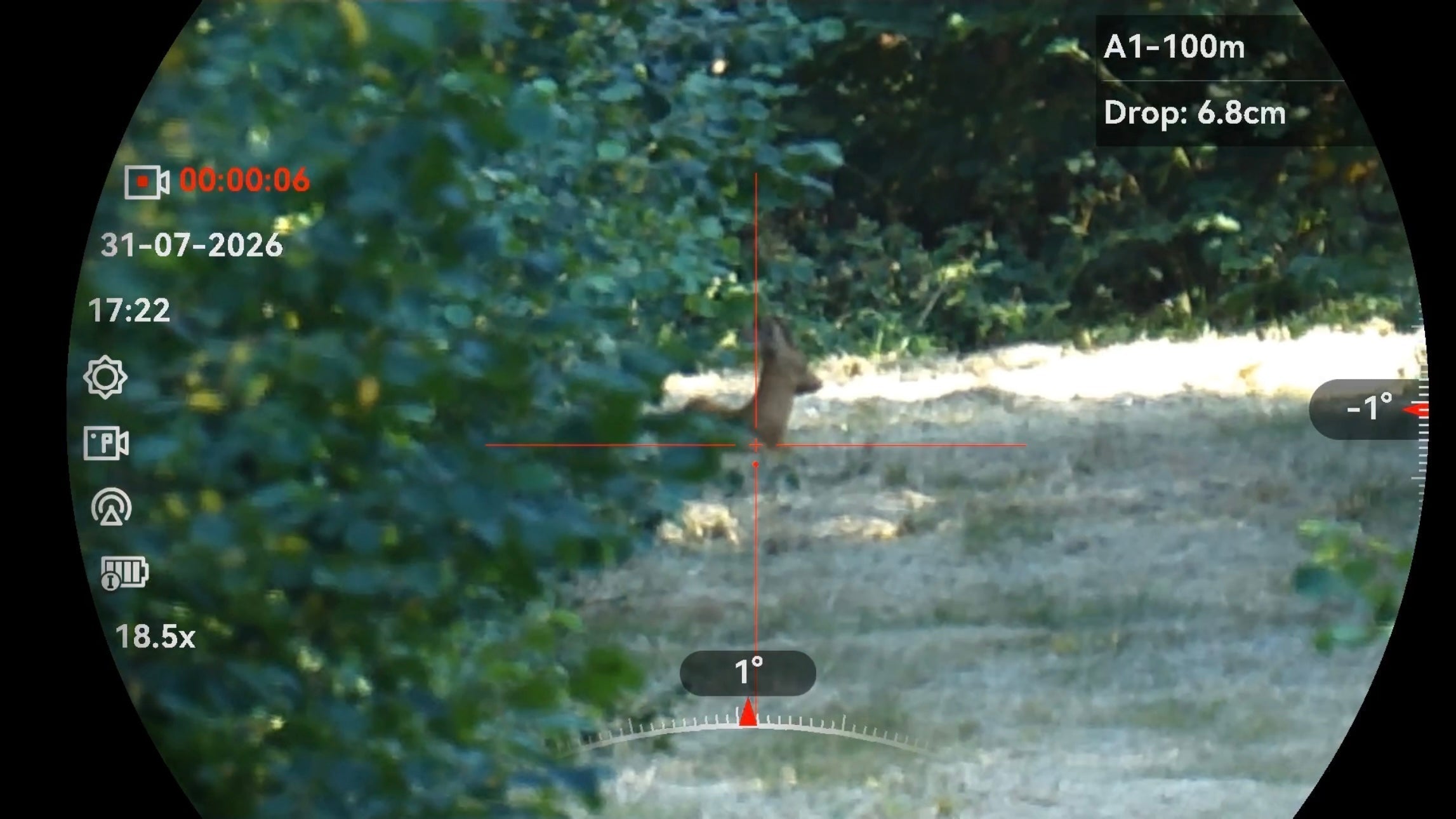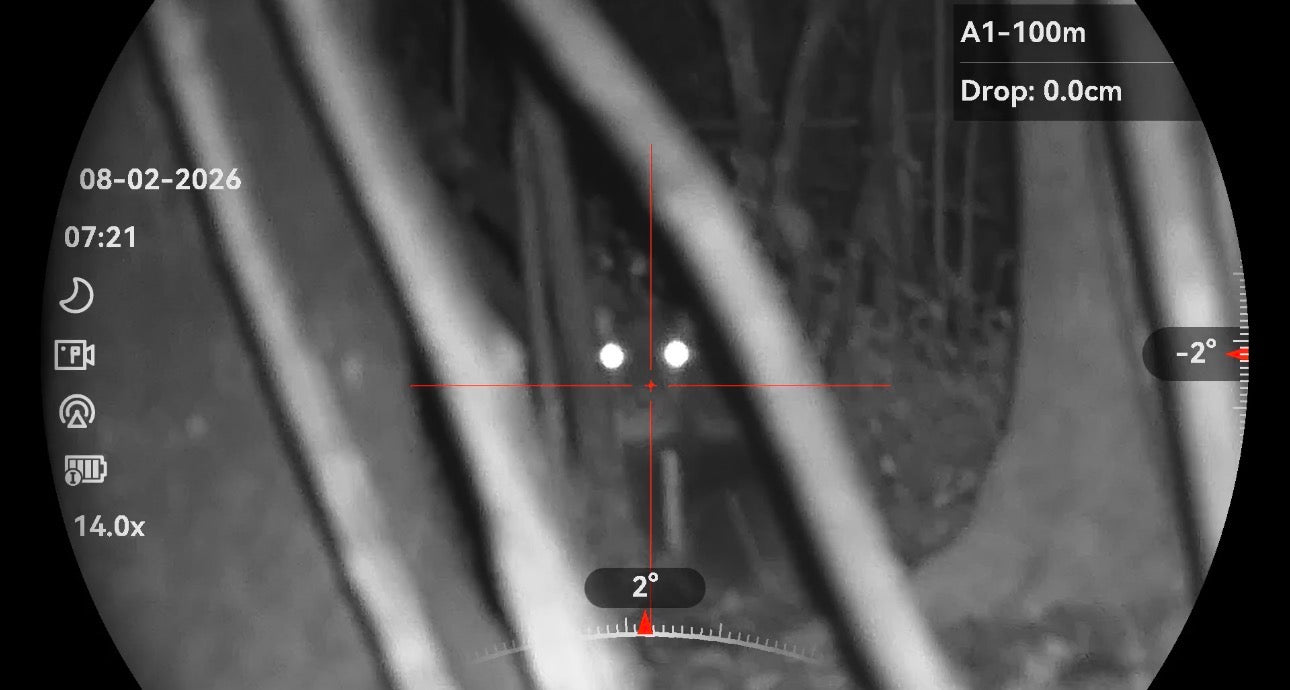
There is a type of shooting clip becoming more common online, and it ought to concern anyone who takes live quarry seriously. Deer, or other quarry, partly visible in cover. A narrow window through stems and scrub. A confident comment underneath about calibre, bullet weight, or what a certain round will supposedly “punch through”. Then, as ever, the familiar attempt to turn a marginal shot into a demonstration of skill.
That sort of thinking is a problem.
At Wildscape Deer Management, we are very clear on this point. We do not take chances with live quarry. Not with twigs. Not with intervening stems. Not with the fantasy that a heavier bullet somehow gives permission to ignore what sits within the projectile path. Animals, even when part of a control programme, are owed the respect they deserve. Management does not dilute that responsibility. It sharpens it.
The fact that an animal is cull-appropriate does not make a marginal shot acceptable. It simply makes a good shot necessary.

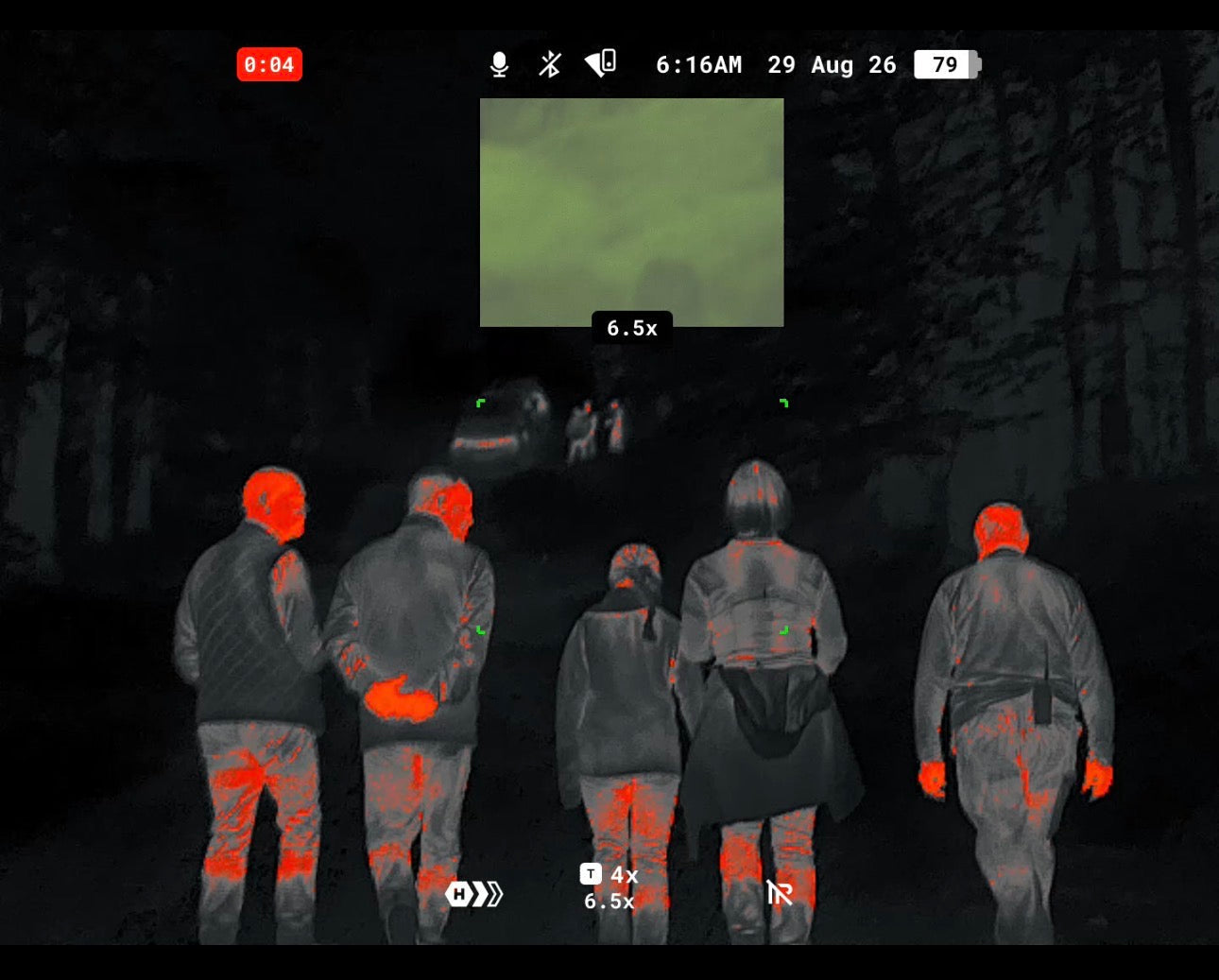
Three fallow shown in this image. Only one has a clear path.
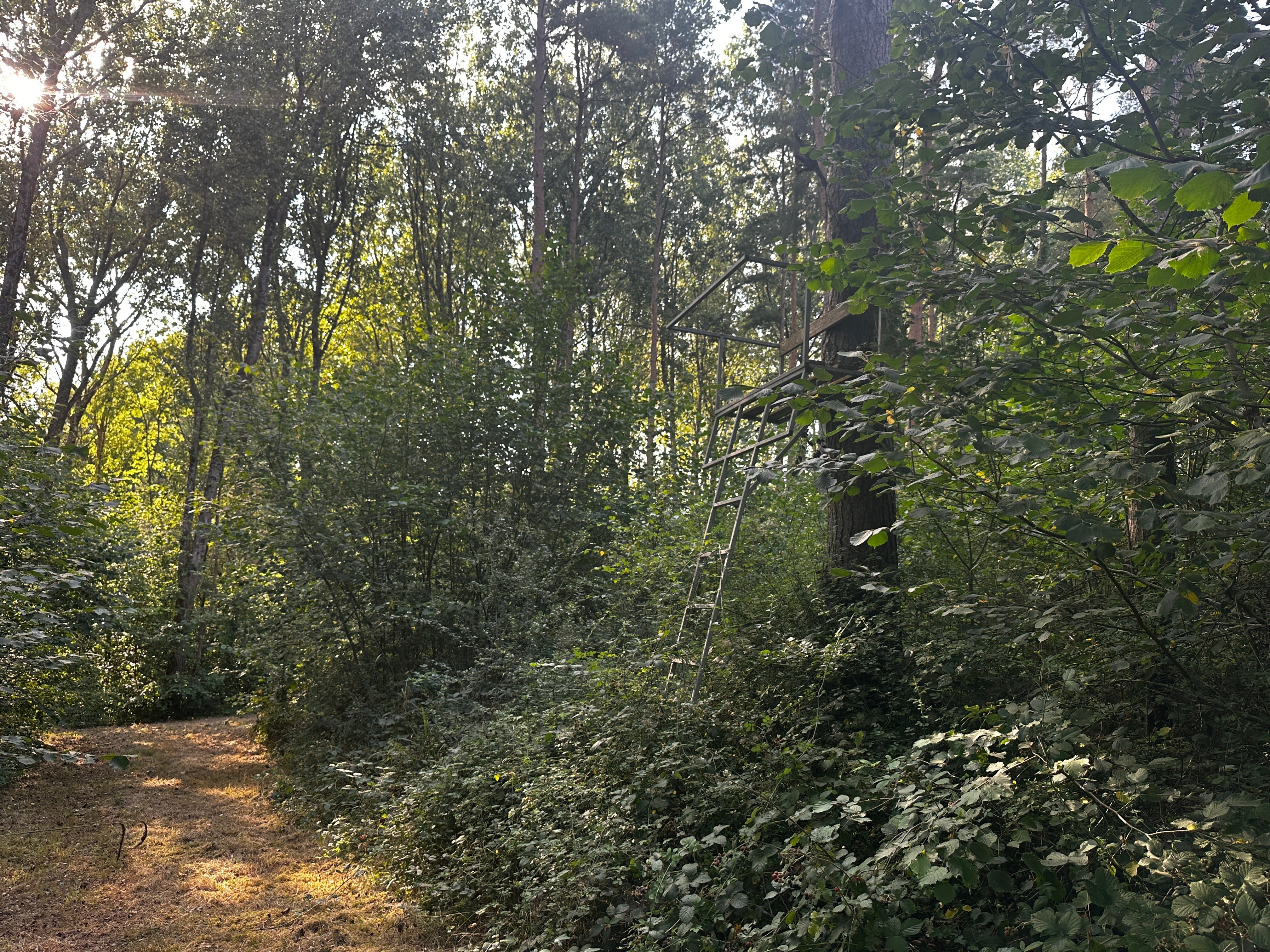
Dense woodland changes the problem completely
One of the great misunderstandings in woodland shooting is the belief that it is simply open-ground shooting with a few more trees. It is not. Dense cover changes the problem from the ground up.
Visibility narrows. Angles compress. Depth becomes deceptive. A gap can look clean through the optic and still carry more risk than it ought to. The eye naturally locks onto the animal, especially in the half-light or under thermal, and can begin to ignore what sits between the muzzle and the point of impact.
That is where bad decisions begin.
The temptation in woodland is always to persuade yourself that the gap is bigger than it really is, or that the line is cleaner than it actually is. But the bullet does not care what the shot looked like in your head. It only cares what is physically in front of it. A fine twig. A low spray of hazel. A bramble stem close to the muzzle. A small unseen branch sitting just outside the comfort of the sight picture. It takes very little to turn what looked like a safe chest shot into something quite different.
This is why woodland shooting demands more restraint, not more confidence.
Welfare starts before the trigger is touched
There is an argument you still hear from time to time, often dressed up as practical experience, that certain calibres or bullet weights have the ability to push through light cover without meaningful consequence. It is the kind of thing people repeat because they have heard it from someone reputable, or because they have seen it work once or twice and mistaken that for principle.
That line of thinking should be treated with caution.
A bullet is not a brush-clearing tool. It is a projectile whose stability and terminal effect depend on travelling through the path you intended it to travel through. Once you begin relying on bullet weight or calibre to defeat obstructions rather than demanding a clean line, you have stepped away from disciplined fieldcraft and into chance. That may satisfy ego. It does not satisfy welfare.
And welfare is where this conversation belongs.
The animal at the end of that sight picture is not a target in the abstract. It is a living creature that, if the decision to shoot has already been made, is owed a clean and humane death. The whole ethical basis of deer management rests on that standard. Once you begin lowering it because the animal “needed culling anyway”, you start to erode the very thing that makes responsible control defensible in the first place.
Woodland gaps are more deceptive than they look
One of the hardest things to explain to less experienced shooters is that a shot can appear to thread through the tightest of gaps and still be safe, while another can appear much more open and still carry unacceptable risk. That sounds contradictory until you have spent enough time looking at woodland properly.
The difference lies in whether you are judging the whole line or only the visible part of it.
It is not enough to see the deer clearly through the optic. You have to read the entire route from muzzle to target. What sits low in the foreground. What lies just off the visual centre of the image but still inside the actual bullet path. What changes if the deer moves half a step. What changes if you shift your own body slightly. What the branch that seems “just out of the way” really looks like from barrel height rather than eye level.
That is where experience matters. Not because experience makes risk disappear, but because it teaches you how often a shot that feels almost right is in fact telling you to leave it alone.
Barrel height, scope height, and the problem modern optics can create
This is an issue that deserves more attention than it often gets, particularly now that more people are using day-night optics and thermal systems that sit higher than traditional glass.
The line of sight and the line of bore are not the same thing. The image through the optic may look clean enough, but the rifle does not fire from the scope. It fires from the barrel, and the barrel sits lower. That difference matters enormously when you are trying to judge clearance in tight woodland or over shorter distances.
With higher-mounted optics, the potential for false reassurance increases. The picture can suggest space that is not really there. A line that appears safe at optic height may still pass far too close to vegetation or hidden clutter lower down. This is not a theoretical issue. It is one of the practical reasons some shots that “looked fine” produce outcomes nobody should be satisfied with.
Modern optics are excellent tools when used well, but they do not remove the old rules. In some ways they make those rules more important, because the separation between what the eye sees and where the bullet actually travels can be easier to forget.

Darkness increases temptation as much as it increases risk
One of the most valuable elements of the night shooting course is that it forces people to think in practical terms about when to shoot and, more importantly, when not to. That matters because thermal and day-night systems can create a dangerous illusion of certainty.
They make the animal easier to find. They do not automatically make the shot easier to judge.
That is the trap. A deer standing bright in a thermal image can look wonderfully clear while the things that matter most remain hidden. Fine branches. Soft foreground clutter. Low cover near the muzzle. Subtle terrain differences. Unknowns within the bullet path. Darkness has a way of removing exactly the details you most need when threading a line through woodland.
This is where poor habits can creep in. Good practice, if not actively protected, starts to loosen. The deer is there. The body line is readable. The temptation is to convince yourself that because the animal is visible, the shot must be legitimate.
It does not work like that.
A shot that feels only just acceptable in daylight is already suspect. A shot that feels only just acceptable under thermal or night vision should almost certainly be refused.
Management does not excuse poor judgement
It is important to say this plainly because public debate often confuses the issue. Deer management is necessary in many settings. Population control, where justified, is part of responsible land stewardship. That remains true.
But none of that excuses poor shooting.
The animal still matters. Welfare still matters. Shot discipline still matters. We do not get to hide behind the management objective as though it somehow softens a poor outcome. In fact, the opposite is true. The legitimacy of professional deer management depends on standards being higher than that.
This is why we avoid all potential risks of ricochet, branch clipping, or uncertain bullet path. There is no glory in “making the shot happen” when the conditions are not right. The more professional choice, very often, is simply to let the deer walk and wait for a cleaner opportunity.
That is not timidity. It is judgement.

What good field judgement really looks like
A great deal of shooting conversation still centres on marksmanship, and understandably so. Accuracy matters. Rifle fit matters. Trigger control matters. But with live quarry, field judgement matters more than any neat group on a range.
Field judgement is knowing when a line is too compromised. It is recognising when the nearest twig is too near the muzzle. It is understanding that seeing the body is not the same as having a clean projectile path. It is knowing when darkness is making you feel confident without actually giving you the information required to justify the shot. It is choosing to step back, reset, or walk away entirely.
That sort of judgement rarely looks exciting. It does not produce dramatic clips. It does not lend itself to boastful commentary. But it is the part that protects welfare, and in the end that is what matters.
To thread or not to thread should not really be a glamorous question. In most cases, the answer is much simpler than people want it to be. If the line is tight enough that you are having to persuade yourself, it is already telling you something.
Dense woodland will always produce tempting pictures. Some shots do genuinely exist through narrow windows and can be taken safely by experienced people who have read the full line properly from muzzle to target. But many more only look possible until you remember what sits below the optic line, what darkness is hiding, and how little it takes for one small obstruction to turn a humane shot into a welfare failure.
Animals are owed more than that. Whether they are part of a management programme or not, they are owed a clean, ethical decision.
In the end, good deer management is not about proving what you can shoot through. It is about knowing what you should refuse.