There are some risks in countryside work that arrive loudly and others that work in the background. Ticks belong firmly in the second category. They are small, easily missed, and very easy to dismiss until they become personal. That is one reason this time of year matters so much. In the UK, ticks can be active all year round, but they are most active from April to July, sometimes later into autumn, and spring into early summer is exactly when more of us are back on the ground, moving more often through the sort of cover ticks like best.
For people in our world, that matters more than it does for most. A person out for the occasional walk may pick up the odd tick and think little of it. A deer manager, stalker, keeper, contractor, woodland owner, or anyone spending repeated hours in rides, rough margins, long grass, bramble lines and woodland edge is dealing with exposure in a very different way. Not once a month, but repeatedly. Not on neat mown paths alone, but in exactly the kind of places ticks favour: grassy and wooded ground, rough edge habitat, and areas used regularly by wildlife and livestock. UKHSA and the NHS are both clear that ticks are especially common in grassy and wooded places, though they can also be found in parks and gardens.
That is the first point worth getting straight. The second is equally important. A tick bite does not automatically mean Lyme disease. Not all ticks carry the bacteria that cause Lyme disease, and not all bites from infected ticks lead to infection. Most tick bites will not result in Lyme disease. But the sensible response is not complacency. It is early removal, proper observation, and knowing what deserves more attention afterwards.
One reason Lyme disease keeps catching people out is that it often begins with something easy to underestimate. A bite you did not feel. A small mark. A bit of redness. Feeling slightly rough and putting it down to tiredness, too many hours outside, poor sleep, or just a busy week. In other words, exactly the sort of thing practical people are very good at brushing aside.
That is usually where the mistake begins.

I was bitten in 2025 - one year later I am still being monitored.
Why this time of year matters more than people think
Spring and early summer are when the rhythm of countryside work starts to increase again. More woodland visits. More stalking effort. More forestry and estate activity. More dog walking. More time in the sort of cover that is coming back hard after winter. Rides narrow. Margins rise. Bramble thickens. Rough grass becomes exactly the sort of habitat ticks favour. UKHSA’s advice is very straightforward on this: people should be tick-aware particularly in spring and summer, because that is when activity is highest.
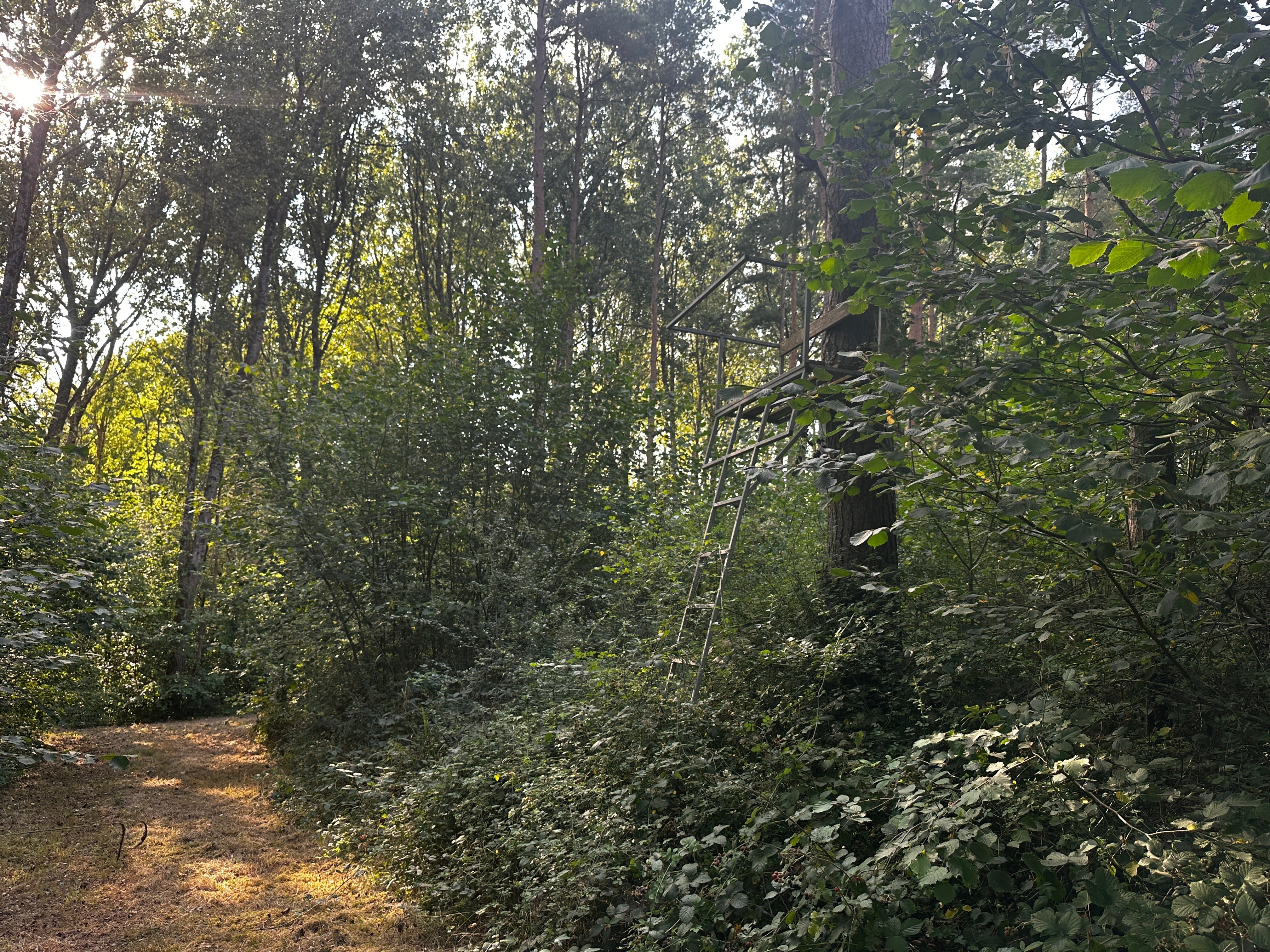
That is one reason the subject deserves more respect than it usually gets. It is not dramatic, and perhaps because of that, it tends to get pushed down the list. Yet for those of us on deer ground regularly, ticks are not an occasional countryside curiosity. They are part of the practical reality of working through edge habitat, lying up against cover, dragging through grass, kneeling in vegetation, or repeatedly using the same seat approaches and deer paths.
The risk is not that every tick bite becomes a medical issue. The risk is that repeated exposure makes people casual, and casual is usually how small problems become avoidable larger ones.
Where ticks are usually picked up
People often imagine ticks as something belonging only to remote countryside, as though they are the preserve of wild moorland or deep woodland alone. That is not really the right way to think about them. The more useful approach is simpler: if the ground holds cover, moisture and wildlife movement, it deserves respect.
That means woodland rides, deer paths, hedge bottoms, long grass, bramble edges, field margins, shelterbelts, cover crops, rough grazing, and the awkward untidy strips between one parcel and another. In other words, exactly the sort of places many of us move through almost without thinking. NHS and UKHSA guidance both emphasise woodlands and grasslands as higher-risk environments, particularly where wild animals and livestock are abundant.
For people working regularly on deer ground, that means tick awareness should not be treated as a side note. The very habitat that holds deer often holds ticks too. That is not a reason to fear the countryside. It is simply a reason to stop pretending exposure only happens to other people.
Not every bite means Lyme disease, but that is only half the story
It is worth repeating because it helps keep the subject in proportion. Most tick bites will not cause Lyme disease. The majority will go no further than the bite itself.
But that reassurance only matters if it sits beside the other half of the story, which is that early signs can be subtle and early treatment matters. That is why the sensible response is not panic, but awareness. You do not need to treat every tick bite as a crisis. You do need to stop treating it as too trivial to be worth noting.
That balance is where good field sense lives.

What to look for afterwards
The thing most people have heard about is the rash, and rightly so. But one of the problems with public understanding is that people imagine one neat textbook picture and assume that if they do not see that exact image, they are safe.
Life is not usually that tidy.
The NHS describes the Lyme rash as a circular or oval rash around a tick bite that can expand gradually and may sometimes look like a bull’s-eye. NICE is more precise again, describing erythema migrans as a rash that increases in size and is not usually itchy, hot or painful. It most often appears between one and four weeks after a bite, although it can appear from around three days to as late as three months afterwards. Just as importantly, it does not always have the classic target pattern people expect.
That timing matters. A small, hot, itchy or short-lived reaction in the first day or two after a bite is more likely to be a local bite reaction than Lyme disease. NICE specifically distinguishes early local bite reactions from erythema migrans on that basis.
But the rash is not the whole story anyway. Early Lyme disease can also bring flu-like symptoms such as fever, headache, tiredness, muscle and joint pain. NICE also lists symptoms such as swollen glands, neck pain or stiffness, and altered sensation or tingling as things that should at least raise the possibility where there has been tick exposure. More serious or later disease can affect nerves, joints, and more rarely the heart.
That does not mean every ache after a day outside is Lyme disease. It does mean that unexplained symptoms after a tick bite, or after likely tick exposure, deserve more respect than many people give them.

What to do if you are bitten
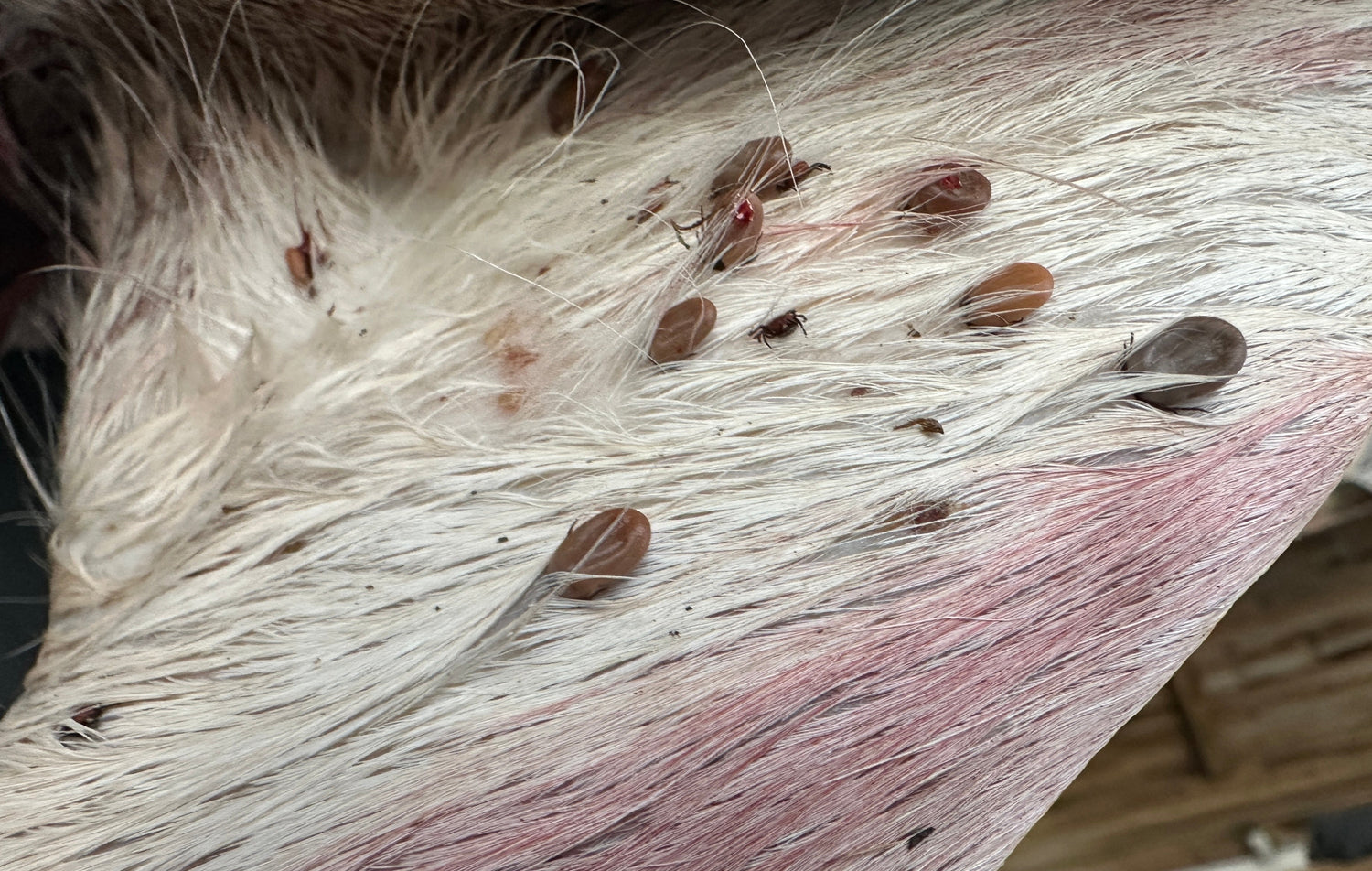
The practical response is straightforward. Remove the tick as soon as you notice it. NHS advice is to use a proper tick-removal tool or fine-tipped tweezers, grasp the tick as close to the skin as possible, and pull upwards slowly and steadily without crushing it. Once it is out, clean the area with soap and water or antiseptic.
After that, the sensible approach is observation rather than fuss. Make a note of the date and where the bite was. If you are on working ground regularly, it is also no bad thing to note roughly where you think you picked it up. Then keep an eye on the site and on yourself over the following days and weeks. If a rash develops and spreads, or if symptoms follow that do not fit an ordinary bite reaction, speak to a GP or use NHS 111 promptly. NHS guidance is clear that treatment works best when started early. NICE also says that where erythema migrans is present, Lyme disease should be diagnosed and treated on clinical grounds without waiting for test results.
That is a useful practical point, because some people waste time thinking they need to “prove” Lyme disease before acting, when in reality the right rash plus the right history is often enough to move quickly.

What good practice actually looks like on the ground
The most useful thing here is not panic, but routine. Tick awareness should be treated much like the other ordinary disciplines of countryside work. Dress with the habitat in mind. Keep to clearer lines where possible. Be aware when you are pushing through the sort of cover that increases contact. Use repellent if you choose to. Check yourself and your clothing during the day if you are moving through dense or rough ground, and check again properly when you get home. UKHSA also advises checking children and pets, and brushing off ticks before they attach where possible.
For people working regularly on deer ground, that really should be part of the routine by now. Not because the countryside has become dangerous, but because repeated exposure changes what is sensible. The same way you check kit, route, access and weather, you should be thinking about ticks as part of normal field discipline.
Why practical people often get caught out
One of the reasons Lyme disease continues to catch people out is that countryside workers are often exactly the sort of people least likely to make a fuss about themselves. They carry on. They normalise tiredness. They accept minor injuries and irritation as part of the work. Wet feet, scratches, poor sleep, insect bites, sore joints, all of it gets folded into the ordinary rhythm of the job.
Most of the time that attitude is harmless enough.
Here, it can work against you.
If your working life keeps taking you back into grassy and wooded ground, and if deer, dogs, field margins, rough cover and woodland edges are part of your week, then tick awareness should not be treated as soft. It should be treated as part of professional field sense. Not dramatic. Not obsessive. Just sensible.

Lyme disease is not a reason to avoid the outdoors, and every tick bite is not a reason to panic. But this time of year does deserve more respect. Tick activity is higher, vegetation is thicker, and for those of us working regularly in woodland, rough grass and edge habitat, the opportunities for contact rise whether we pay attention or not.
The sensible response is simple enough. Know where ticks are likely to be. Know that most bites will not become Lyme disease, but do not let that reassurance turn into laziness. Remove ticks properly. Know that a spreading rash matters, but so do the wider symptoms that can follow. Keep an eye on the site. Keep an eye on yourself. And if something does not look right afterwards, act early rather than talking yourself out of it.
That is not alarmism. It is just good field sense.