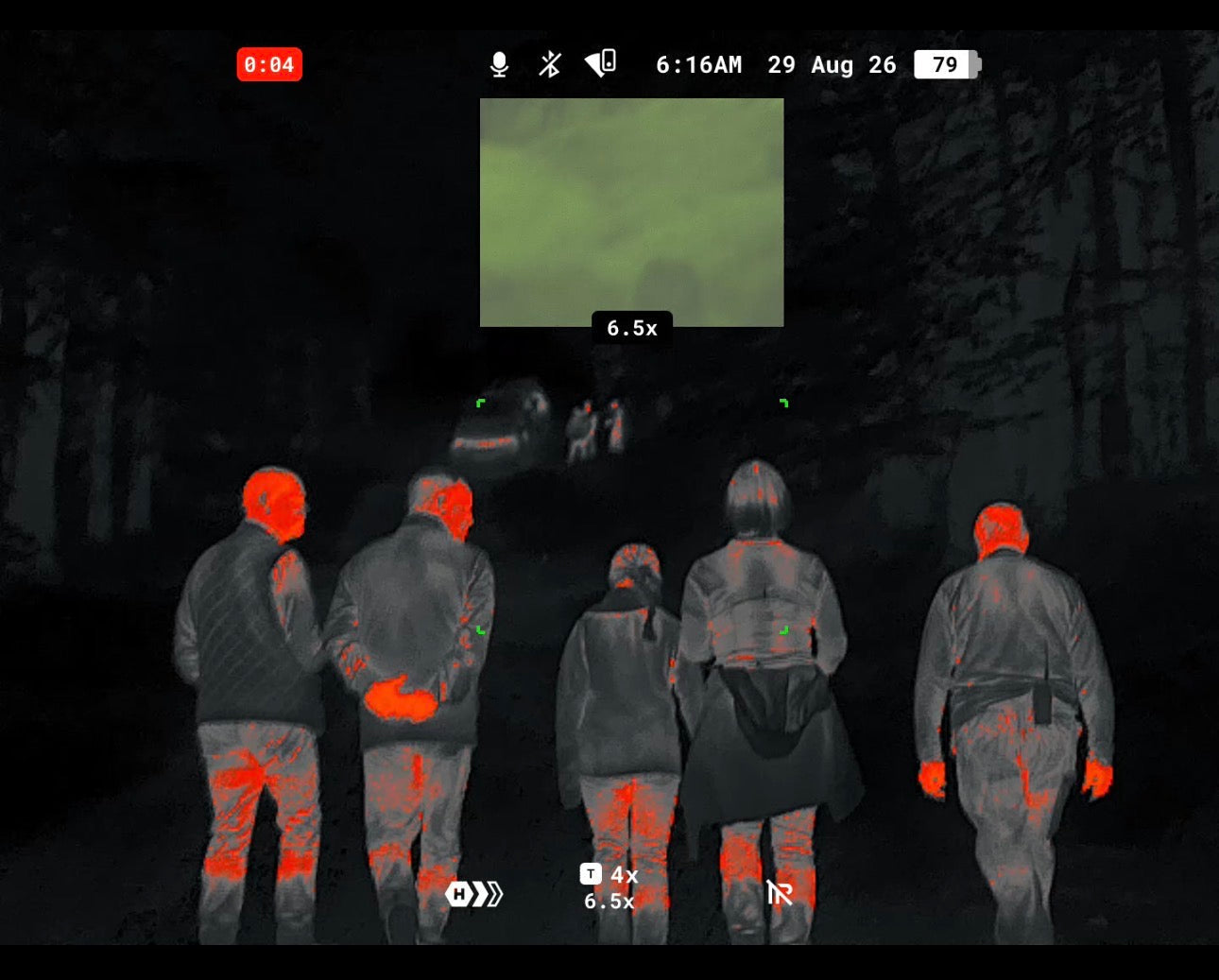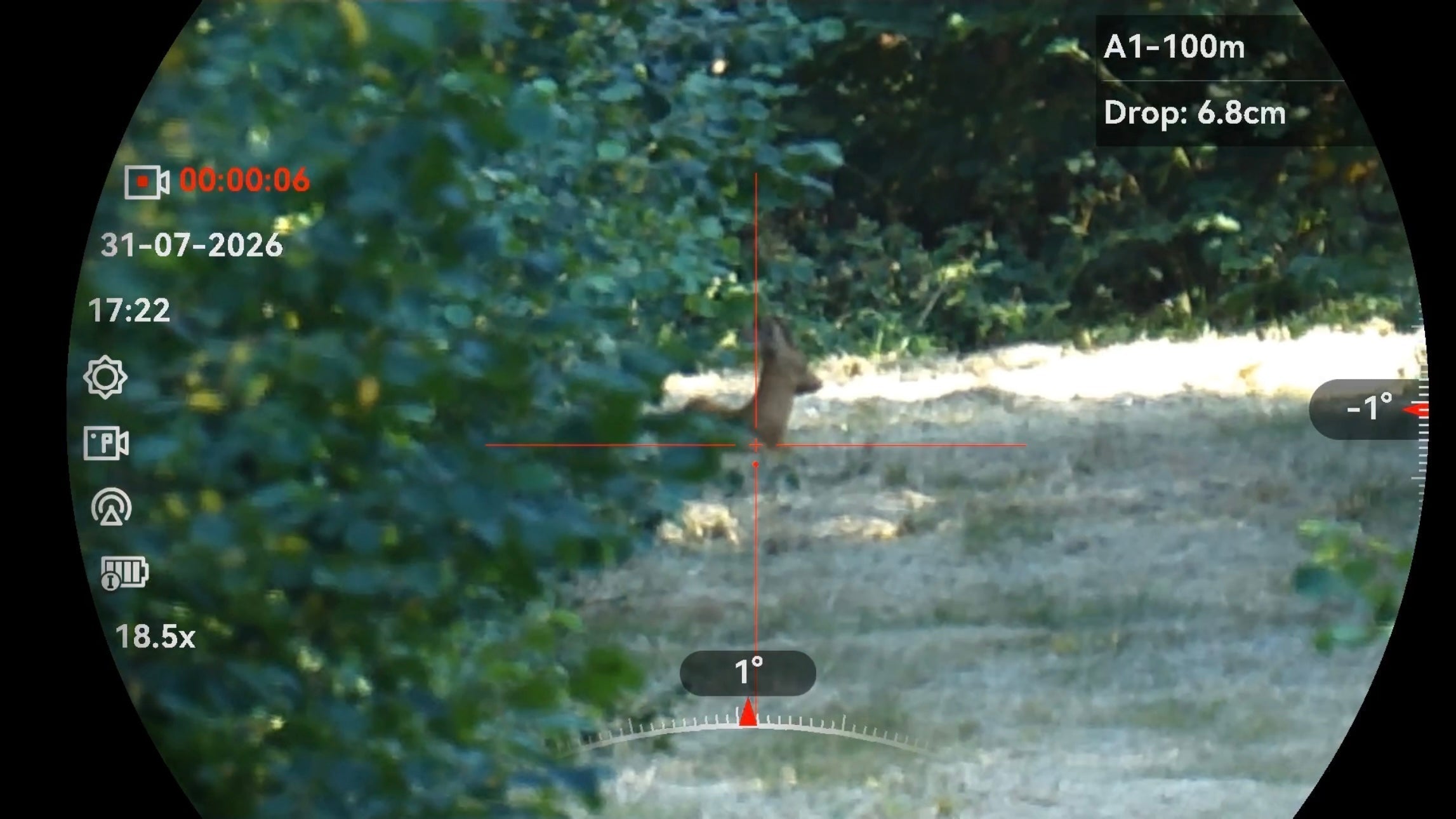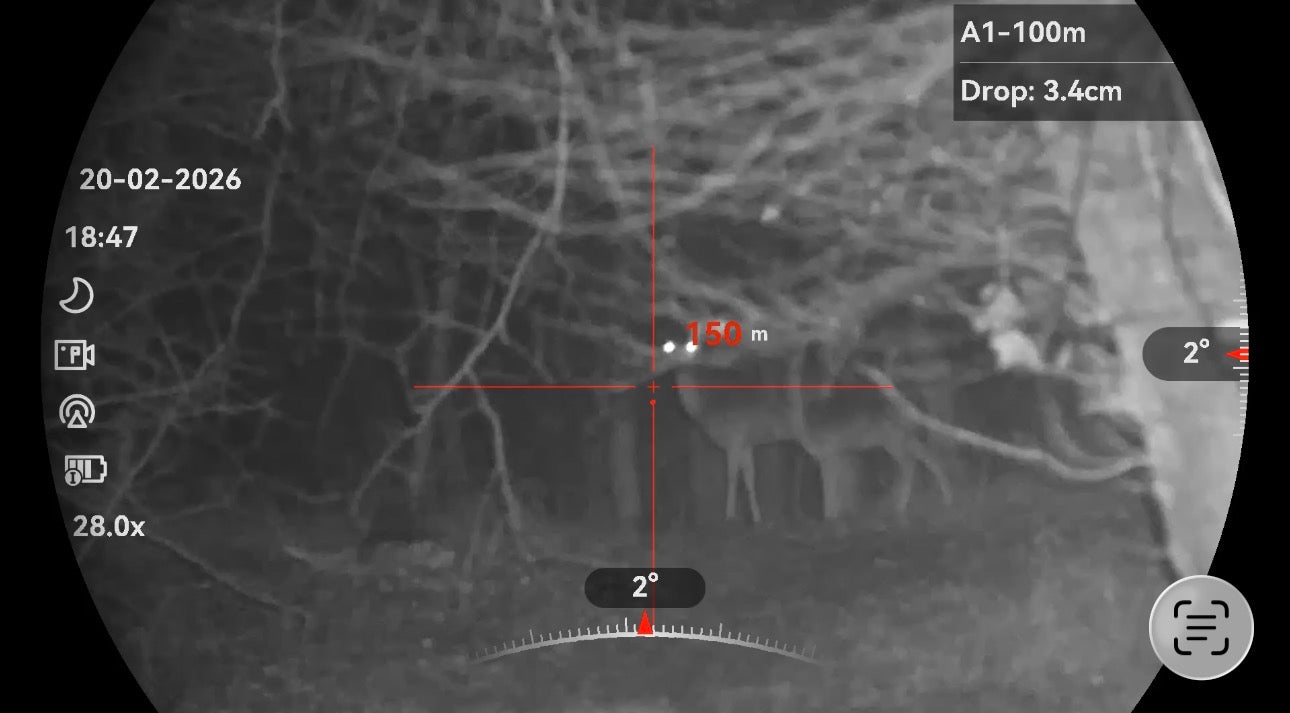
There is a romantic notion attached to deer management that still lingers in the background of the countryside. The idea of a lone stalker moving quietly through dawn woodland, living by the seasons, taking only what is needed, and spending the rest of the day doing “country work”. It is not entirely false. There are moments in the job that still feel like that.
But full-time deer management, particularly when it is delivered contractually, is something else altogether.
The shift from recreational stalking to professional deer management is not simply a shift in frequency. It is a shift in accountability. A recreational stalker can decide the wind is wrong, the weather is foul, the ground is too wet, and go home. There is no contract waiting on them. No reporting requirement. No site objectives that must be met. No estate manager asking why regeneration has not lifted. No evidence pack due. No public-facing risk profile sitting quietly behind every decision.
A professional deer manager does not have the luxury of treating outings as optional. That is where the romance begins to thin, and where the real work starts.
The part people do not see: pressure, paperwork, and the burden of consistency
Deer management done properly is consistent, not heroic. It is planning, permissions, briefings, mapping, monitoring, and then the slow grind of turning up when conditions are not perfect. It is also the discipline to walk away when the shot is not defensible, even when you know that walking away makes next week harder.

The reality of full-time work is that it is rarely one neat “stalk”. It is a chain of tasks that sit around the stalk: arranging access and keys, checking boundaries and public rights of way, agreeing safe arcs and backstops, confirming who is on the ground and when, maintaining kit, keeping records, writing reports that mean something, and then doing it again next week, and the week after, because habitat response is slow and deer pressure is persistent.
This is one of the hardest transitions for people moving from recreational stalking into contract work. When you are paid to deliver outcomes, your decisions become visible. Not just to you, but to landowners, agents, regulators, neighbours, and sometimes the public. It is no longer “I went stalking”. It becomes “what changed on the ground as a result of the work”.
That is also where many estates become frustrated. They want results, but they want them delivered inside tighter windows, under greater scrutiny, and at a cost that often still reflects the old idea of stalking as a pastime rather than deer management as a land management function.
The pressure is subtle. It sits in the background. It shows up in small ways: the temptation to push an evening when conditions are marginal, the urge to “make something happen” because the diary is full, and the quiet frustration when you do everything right and still come away with nothing in the chiller because the only deer you saw were never presented with a safe, defensible shot.
That is where professionalism is tested. Not in the evenings that go well, but in the evenings that do not.
The economic reality: venison does not pay for professional delivery
There is a second romance that sits alongside the first, and it is often more damaging: the idea that venison will cover the cost of deer management.
Sometimes it helps. Occasionally it helps a lot. But for most professional work, especially on smaller parcels, public-facing ground, sensitive sites, or places that require repeat visits and careful delivery, venison alone is not a stable business model.
The costs are not theoretical. Diesel, ammunition, insurance, vehicle wear, thermal and digital equipment, compliance time, reporting, and training. The basic overhead of doing the job safely and consistently is rising, and it has been rising for years. If you want deer managers to operate as professionals, you cannot expect them to fund the work through carcass value alone, particularly in seasons where the venison market is weak and demand is inconsistent.
This is one reason the sector has historically relied on “goodwill”, informal effort, or a blend of recreational stalking and occasional paid intervention. The problem is that goodwill rarely produces repeatable outcomes. When the weather turns, when the ground is heavy, when the access is awkward, and when the pressure rises, goodwill is the first thing to disappear.

CWS1 as a potential turning point
This is where CWS1 has the potential to change the tone of the conversation, if it is used in the spirit it was designed for.
The grant is not there to pay for an “armed walk in the woods”. It is there to support impact reduction and habitat outcomes, and to help fund the consistency required to get those outcomes. A key distinction, often missed in casual conversation, is that professional deer management is not just effort. It is targeted effort supported by monitoring, safe infrastructure, and reporting that shows what the habitat is doing in response.
Used properly, CWS1 can support the one thing that most improves outcomes: competent, consistent delivery on the ground, backed by evidence, and structured in a way that an estate manager can defend.
The ten-year window is important here. It gives estates time to stop thinking season-to-season and start thinking system-to-system. If you know you have a decade of opportunity, you can build something stable. You can plan staffing, kit, infrastructure, monitoring, and supply chain relationships. You can stop patching and start designing.
That is why people are calling it a golden ticket. Not because it is easy money, but because it could finally align the funding mechanism with the reality of what woodland recovery actually requires.
The uncomfortable risk: when the grant becomes “admin money”
There is a danger here, and it is already appearing in conversations across the sector. If the spirit of CWS1 is consumed by agent fees, admin layers, or generic consultancy, the work will fail in the only place that matters: the ground.
That is not an argument against administration. Estates need it. But the grant was not created to bankroll paperwork. It was created to reduce deer impacts. If most of the value does not reach monitoring, safe delivery, and measurable habitat response, then the scheme becomes another paper success and an ecological failure.
This matters because the ground is unforgiving. If regeneration is being held down, it will remain held down no matter how tidy the spreadsheet looks. The habitat only responds to pressure reduction, delivered consistently enough to change browsing behaviour and reduce impacts over time.
Health and safety is not a side issue, it is the foundation
This week I was talking with an estate where a roll of material shifted and pinned someone. They were not found for six hours. That is not a stalking story. That is a workplace incident waiting to become fatal.
Countryside work still runs on informal assumptions far too often. People work alone because it is convenient. They accept poor kit because budgets are tight. They carry on because that is the culture. But when something goes wrong, it goes wrong quickly.
A grant like CWS1 has the potential to fund not only delivery, but safer systems: lone working protocols, check-in procedures, access planning, properly audited seats and ladders, and kit that reduces fatigue and reduces the likelihood of avoidable mistakes. It can help create an operating environment where the standard is safe by design, not safe by luck.
This is not a minor point. The sector is being asked to deliver more, under more scrutiny, with higher expectations around welfare and public reassurance. That cannot sit alongside casual safety culture. If estates want a professional service, they need to fund a professional standard of working environment.
Infrastructure that actually supports delivery
The strongest deer management programmes are rarely built around one heroic stalker. They are built around infrastructure that makes consistent delivery possible.
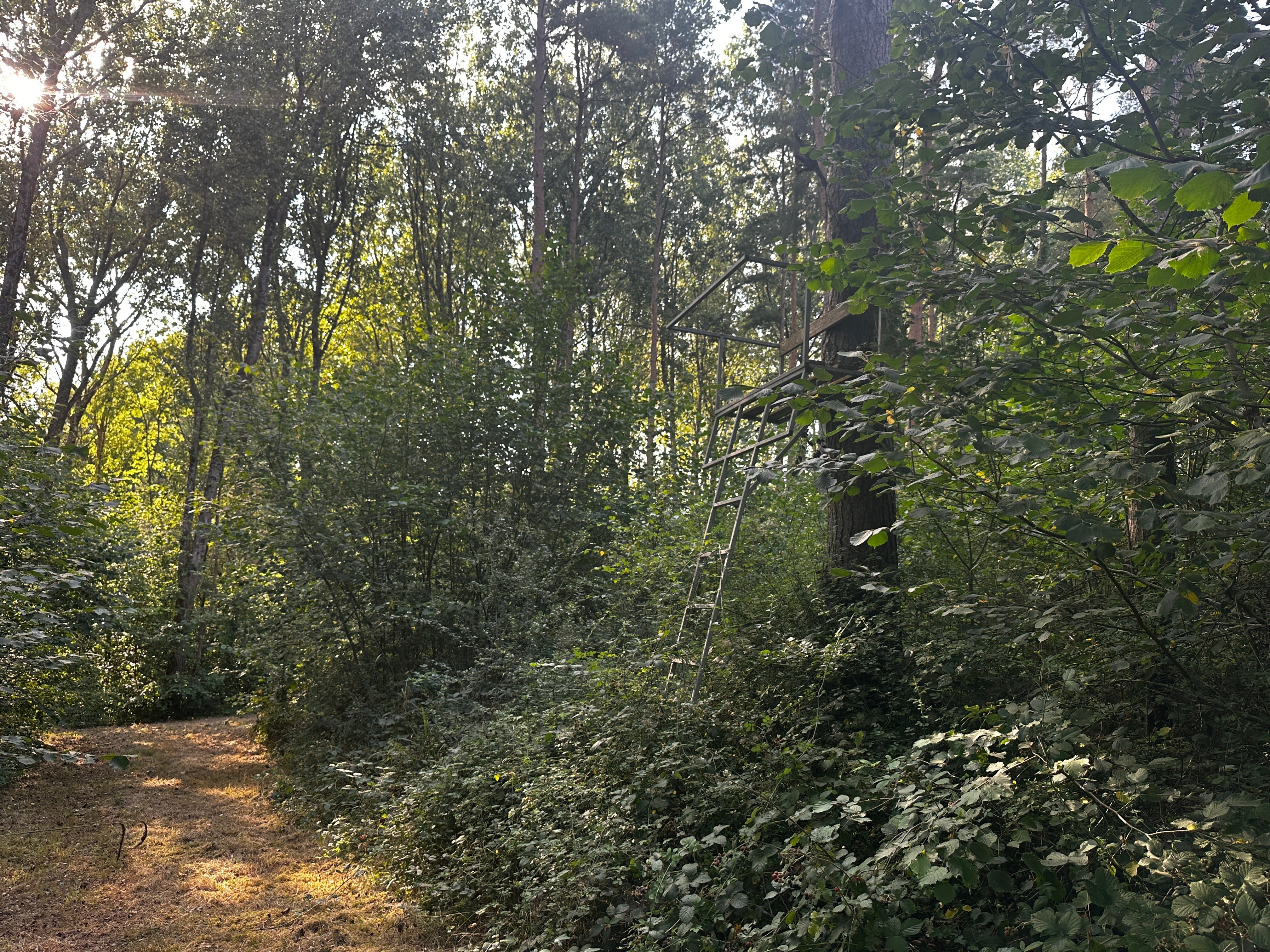
That includes high seats and approved ladders installed properly, not improvised. It includes mapped seat locations and safe arcs, so work can continue under varying wind and disturbance conditions without pushing into marginal shots. It includes exclusion plots that tell the truth about browsing pressure. It includes kit that reduces injury risk, not for comfort, but because fatigue and discomfort are often the gateway to mistakes.
This matters more than most people admit because the job is physical. Wet ground, heavy carcass recovery, awkward extraction routes, long walks in and out, repeated nights, early starts. The more you can reduce wasted movement, avoidable strain, and unnecessary risk, the more consistent you can be over a season.

Traceable venison as a parallel output, not a fantasy
CWS1 also creates an opportunity to improve the venison side of the equation. Not by pretending venison will suddenly pay for everything, but by making the system more professional and therefore more valuable.
If an estate uses the ten-year window intelligently, it can invest in infrastructure and operating systems that improve handling, documentation, and traceability. That can support better returns and stronger relationships with buyers. It also reduces reliance on a single route to market. Estates with volume can build relationships with more than one dealer and avoid becoming vulnerable to one outlet, one set of terms, or one sudden market shift.
Then there is the local opportunity. Reliable, ethical supply is what opens doors with local chefs, restaurants, hotels, and venues that care about provenance. A localised system reduces food miles and carbon footprint. With the right structure, some estates can also build partnerships that support community use, including relationships with food banks, provided the logistics and standards are in place and the system is properly managed.
None of this happens by accident. It only happens when deer are treated as part of a land management system with outputs, not as an irritating side problem.
Where recreational stalking still fits, and why oversight matters
Most estates will not, and should not, abandon traditional models overnight. Recreational stalkers, syndicates, guest days, these can still sit alongside professional deer management. The point is not to remove them. The point is to integrate them into a plan that actually delivers outcomes.
The difficulty is simple. Many people are willing to stalk when the weather is kind and the ground is forgiving. Far fewer will turn up repeatedly when the wind is wrong, the rain is constant, and the ground is heavy. That is not a criticism. It is just the difference between a pastime and a profession.
A professional deer manager can oversee those activities, keep standards consistent, ensure carcass handling and welfare remain high, deliver top-ups when voluntary effort falls short, and ensure evidence gathering is done properly. Because CWS1 is not just about cull numbers. It is about impacts and response.
This is also where estates can protect themselves. If a grant requires evidence of impact reduction, and if public scrutiny rises, having one coherent delivery model is safer than multiple disconnected approaches. A professional deer manager can ensure the recreational component sits inside the same welfare, safety, and reporting standard as the contract work, rather than operating as a parallel world.
A fair day’s pay, and the shared responsibility to professionalise
This week I spoke to a fellow deer manager in the West Country and the message was familiar: most deer managers are not looking for anything beyond a fair day’s pay for a fair day’s work. Costs are rising. Training expectations are rising. Compliance and reporting are rising. The job is becoming more accountable, more visible, and more demanding.

Certification/CPD is costly for boots on the ground
Government has stepped in to support a new direction because the impacts are too obvious to ignore. The responsibility now is shared. Estates need to take the work seriously. Deer managers need to know their worth and hold standards. Financial controllers and estate managers have the ability to reshape models so delivery is safe, fair and effective over a decade, not just patched season by season.
Sometimes “no” and walking away feels difficult at first, particularly under contractual pressure. But “no” is often the most professional word in the operation. It prevents mistakes. It protects welfare. It keeps the work defensible. It is also a reminder of what separates professional deer management from recreational stalking. The objective is not to take an animal. The objective is to deliver outcomes safely.
Closing thought
CWS1 has the potential to be a genuine turning point for deer management in England, but only if it is used with discipline. If it becomes another admin-led scheme, it will fail quietly, on the ground. If it funds safe, competent, evidence-led delivery, it can support a ten-year model where estates improve habitats, reduce conflict, raise welfare standards, and turn venison into a more local, traceable, valued product.
The land is already asking for the work. Policy is now supporting it. The next question is whether we use the opportunity to professionalise properly, or repeat the same cycle under a different name.