Most modern deer managers spend more time scrolling through kit catalogues than bookshelves. New optics, lighter rifles, cleverer thermal units, better vehicles. All of that has its place. But if you are serious about understanding deer rather than simply encountering them more often, at some point you have to sit still, open a book and listen to people who watched harder and longer than you yet have nothing left to sell you.
Reading is not a nostalgic add-on to a practical trade. It is part of the work. It compresses decades of observation into a few evenings and exposes you to minds shaped by different landscapes, different pressures and, often, a level of patience that is rare today. It also pushes back against a quiet temptation in our industry: the belief that deer management started when thermal became affordable.
If you ask who shaped my own thinking, two names sit very close to the centre: Richard Prior and William Scrope. One spent a lifetime quietly watching roe in England and writing about them with forensic care. The other, working in the Forest of Atholl in the early nineteenth century, effectively set the template for what we now call modern deerstalking.
Neither man ever lifted a thermal or filled in a CWS1 application. Both still have something to teach anyone carrying a rifle in the South East in 2026.
Why a practical trade needs books
It is easy to ask, with a degree of irritation, why a working deer manager should spend evenings with old texts. You are already dealing with licences, firearms conditions, fuel bills, grant paperwork and the actual business of pulling on cold boots at unsocial hours. Surely that is enough.
The answer lies in what you are really being paid for. Not simply for pulling a trigger, but for recognising patterns in a messy landscape. Where deer bed. How they drift with wind and pressure. Which woods are genuinely at risk and which are simply untidy. How your ground sits within the wider mosaic of crops, cover and access.
You can build that understanding slowly from your own experience, but your own life is limited in scope. One career, a few estates, a handful of decades. Books expand the sample size. They let you look through other people’s eyes at animals and situations you will never see yourself, and they force you to test your reading of your own ground against a much longer run of observation.
There is also a harder reason. As grants, regulators and public scrutiny increase, the conversations around deer management are no longer settled by “I have always done it this way”. If you cannot place your practice inside a wider historical and ecological story, you are much easier to undermine than someone who can.
That is where the old voices come in.

Richard Prior: Roe, written down properly
If there is a single author every British deer manager ought to know, it is Richard Prior. People call him the godfather of written roe observation in the UK for good reason. His books are not flashy. They are quiet, careful and relentless.
Prior did what few of us have the time or discipline to do now. He watched roe closely enough, in enough different places, for long enough, to move beyond anecdotes. Territorial behaviour, family structure, dispersal, seasonal changes in diet and use of cover, regional differences in density and habit. It is all there, described in clear prose by someone who knew the difference between a theory and something he had seen a hundred times.
The value of that work is not just in the big themes, but in the small, easily lost details.
I was reminded of that recently in a conversation at Petworth Park. The estate manager and I were discussing local roe when it became clear they were unaware of one of Prior’s more intriguing notes: that following the decline of roe in parts of southern England, animals were brought down from Scotland in the nineteenth century and released into parks such as Petworth, where they bred successfully and likely contributed to the repopulation of much of the South East.
For many people working in Sussex today, roe are simply assumed to be “our” deer, a given. Realising that their modern presence is partly the product of deliberate nineteenth-century translocations changes the story. It alters how you think about “native” populations, about recovery, and about our own place in that process.
That is the point. Much of what Prior recorded is not common knowledge, even among professionals. It sits on the page until someone goes looking for it. When you do, your sense of what you are looking at in the field shifts slightly. You start to see your own roe not just as units in this year’s cull plan, but as the current expression of a much older pattern of loss, movement and return.

William Scrope: an old Highland voice in a modern wood
If Prior gives you a deep, modern account of one species, William Scrope gives you the bones of the whole craft.

The Art of Deerstalking, published in 1838 and based largely on Scrope’s experiences in the Forest of Atholl, is often mentioned and rarely read. I am fortunate enough to have a copy with many of the pages still uncut. That sounds romantic until you realise what it implies: a foundational text for our discipline can sit on shelves for a century without anyone bothering to open half of it.
Scrope wrote in a different world. No quads. No GPS. No carbon rifles or digital optics. Yet the problems he was trying to solve will be instantly familiar: how to get within range of highly alert animals in difficult country, repeatedly, without causing chaos; how to make clean shots from awkward positions; how to use wind, terrain and light rather than fight them; how to coordinate people quietly over big ground.
Strip away the Victorian phrasing and you are left with principles that are still entirely relevant.
You learn what it looks like to stalk on terms set by the deer and the ground, not by convenience. You see how much can be done with an attentive eye and a basic glassing setup. You watch a team treat the hill as a system to be read, not as a backdrop for kit.
You will not copy Scrope’s methods directly into a Sussex block of broadleaf and conifer. You should not try. But once you have walked Atholl with him on the page, you are unlikely to look at your own valley, or your own ride system, in quite the same casual way. You become more conscious of how deer place themselves and how you move in response.
Old methods, new tools
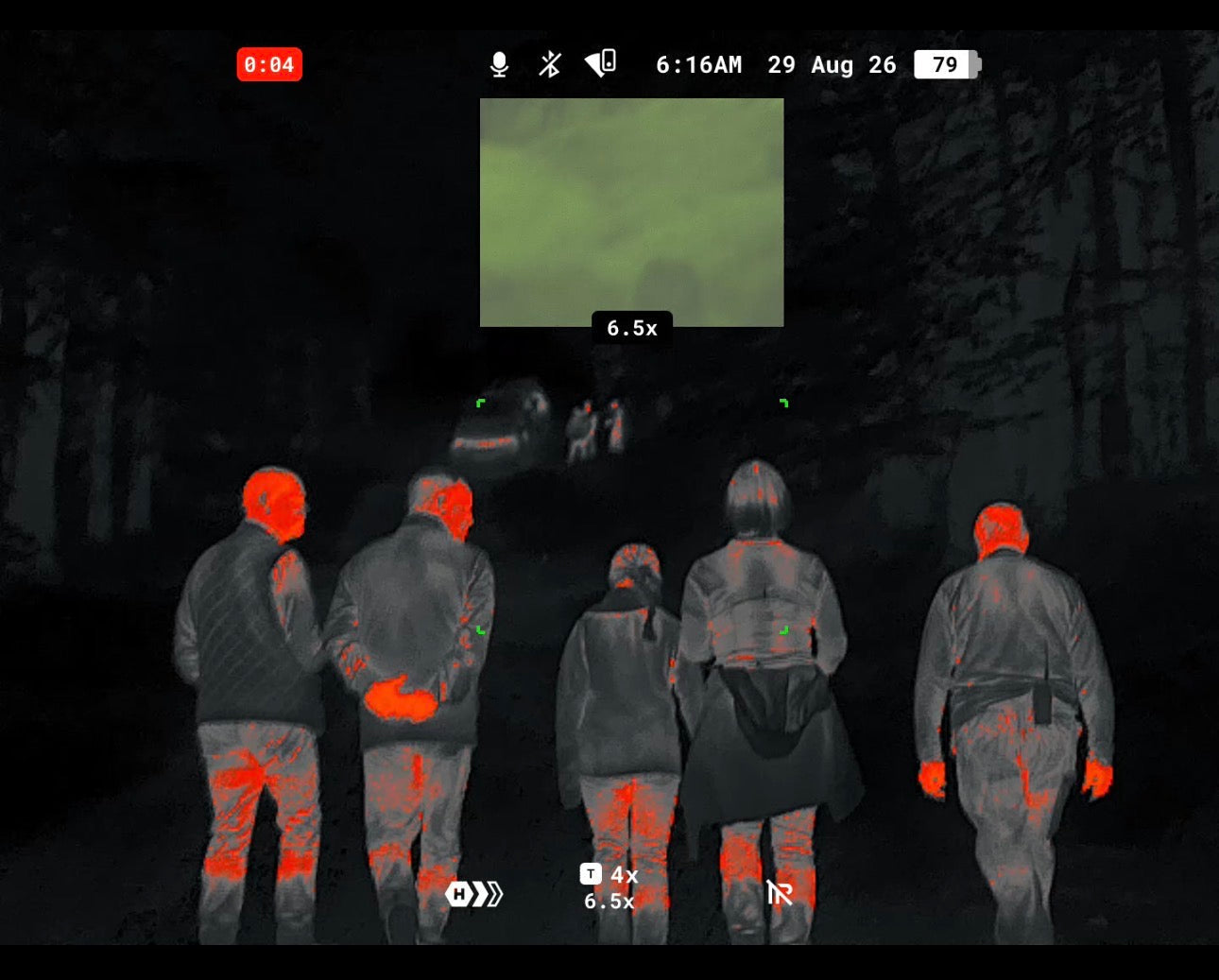
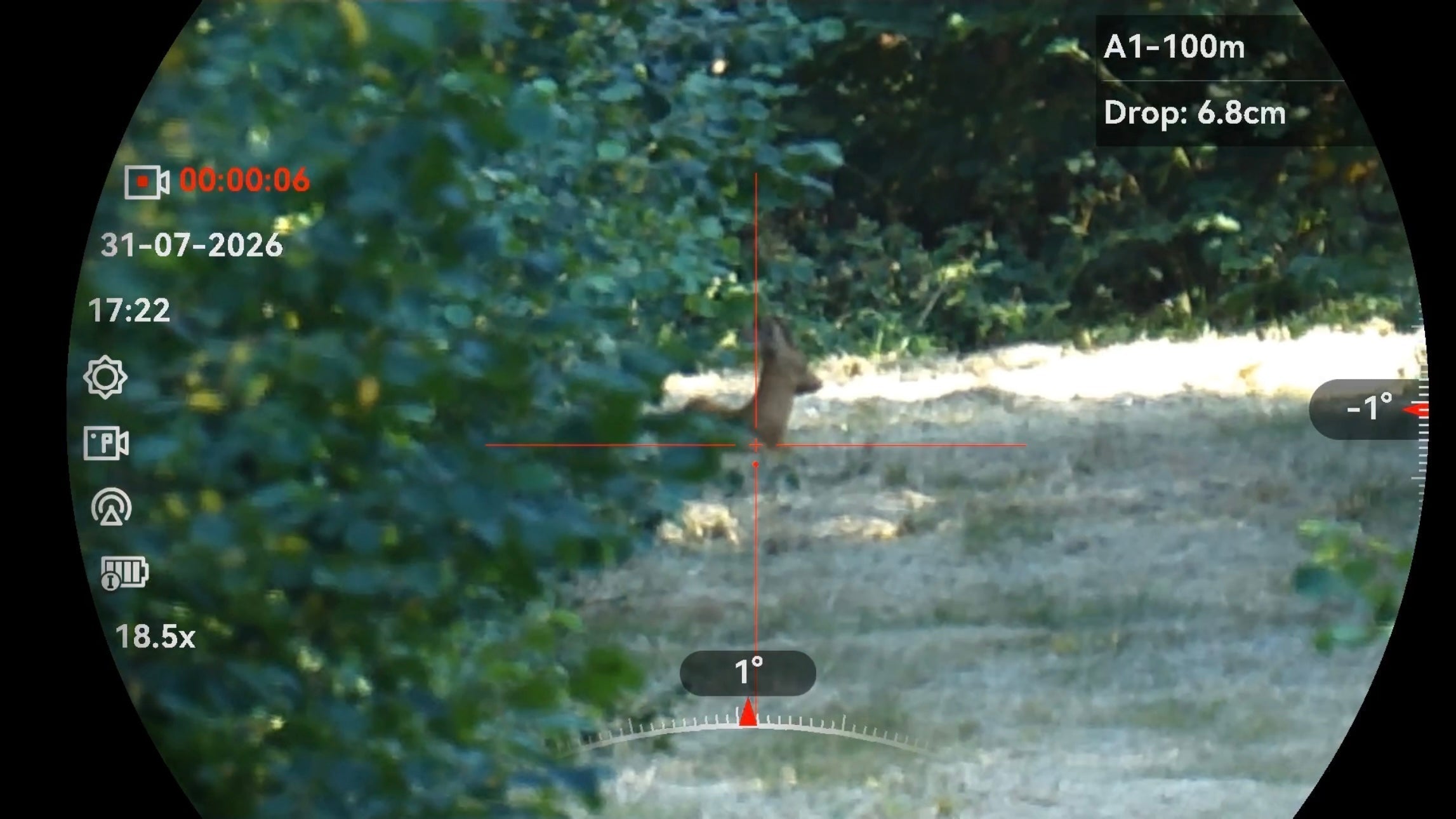
It would be easy to dismiss all of this as old men in old landscapes. After all, we now have Hikmicro scopes and binoculars, rangefinding glass, mapping apps, drones, vehicles, grants for capital items and a web of regulation that would make Scrope’s head spin.

Technology has changed. Law has changed. Deer have not.
A roe trying to keep itself alive in a Sussex spinney is dealing with the same basic problems it faced a century ago. A fallow herd on a downland shoulder still chooses beds and lines of travel along the same constraints of wind, food and cover that shaped their behaviour before night vision was invented.
That is precisely why the old writing matters. It lets you sort the permanent from the temporary.
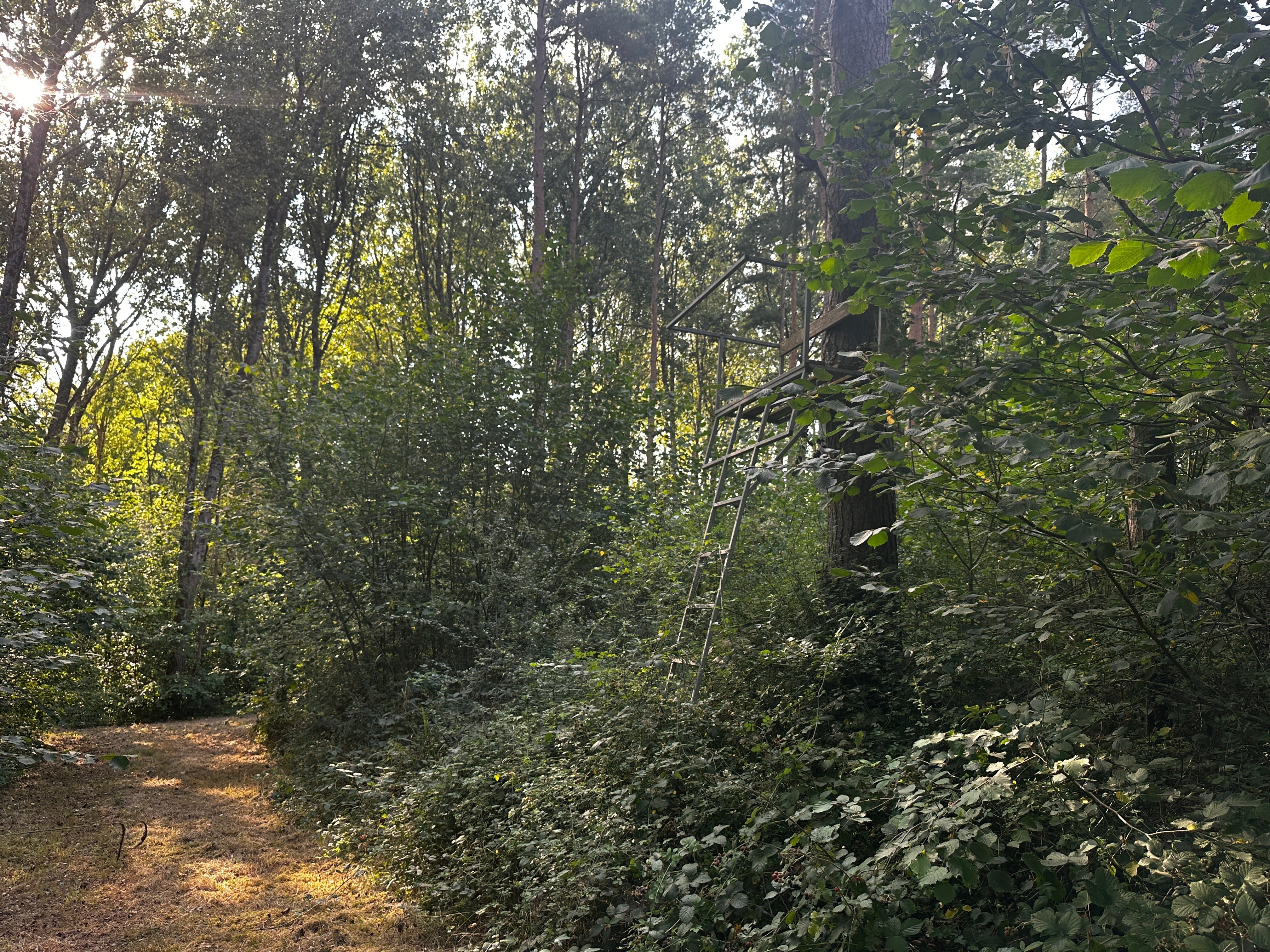
When you read Prior carefully then go back to your thermal, you recognise the behaviour on the screen instead of treating it as abstract blobs of heat. When you study Scrope’s accounts of wind and approach, then plan a high seat in a CWS1-funded scheme, you find yourself thinking more deeply about what the deer are likely to do in that particular fold of ground, rather than simply ticking the “infrastructure” box.
The aim is not to recreate 1838. It is to let long observation shape how you handle twenty-first-century tools. Old words, new infrastructure, same animals.
Building a working library, not a museum
None of this requires you to become an antiquarian. A useful deer manager’s library does not need to be large. It does need to be used.
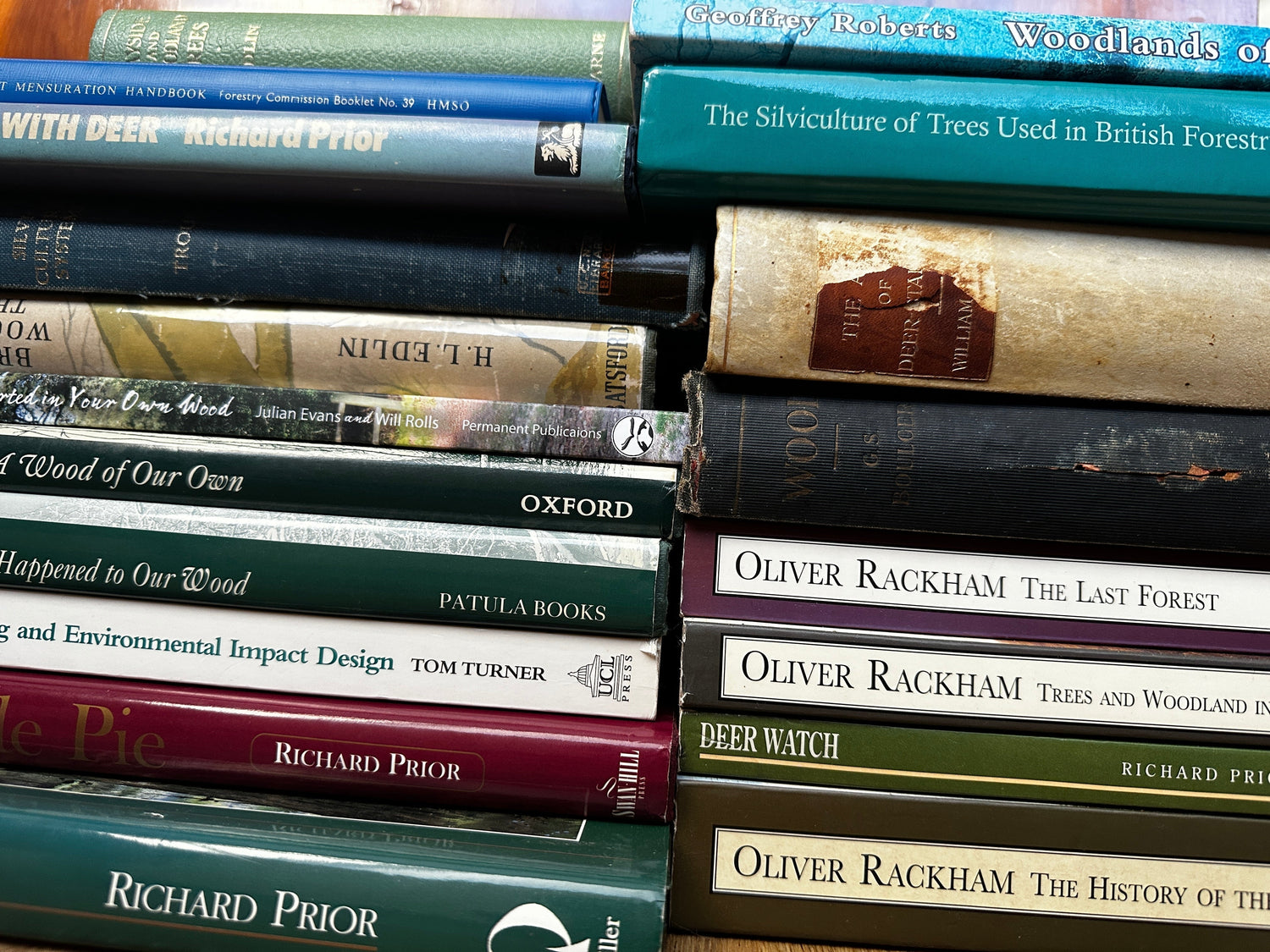
A small, sensible core might look something like this:
- One or two of Richard Prior’s roe titles, actually read, not just owned.
- A serviceable edition of The Art of Deerstalking.
- Current Best Practice guidance and technical documents on impact, hygiene and welfare.
- A handful of serious texts on woodland ecology, regeneration and environmental decision making.
The point is not to impress anyone with the spines on your shelf. The point is to have references you go back to when something puzzles you on the ground.
You see a shift in roe behaviour on a particular block. You go back to Prior and ask whether he has seen it before. You find yourself repeatedly blown or seen in one awkward corner of an estate. You revisit Scrope’s thinking on approach and terrain and test whether you have been lazy. You are designing a deer management element for a woodland creation or CWS1 proposal. You pull down the ecology texts and check that your assumptions about browsing and regeneration are not just folklore.
Over time those conversations between book and ground, between past and present, build a quieter kind of confidence. You are no longer operating entirely on hunch. You are placing your judgement within a longer, more documented tradition.
Sharing the detail
One of the useful side effects of reading is that you start turning up to meetings with small, sharp pieces of information that others have never heard.

The Petworth roe story is a good example. A simple observation in an older text, half forgotten, turns out to change how a modern estate understands its own herds. That, in turn, alters conversations about history, expectations and responsibility. Roe are not just “what we have always had”. They are partly the legacy of deliberate introductions in response to earlier declines.
Those kinds of details change tone. They move discussions away from shallow arguments about “tradition versus modernity” and towards a recognition that deer management has always been an interaction between people, animals and policy over long stretches of time.
For those of us who claim to care about balance and protection, that depth matters. It is harder to be complacent when you can see how quickly things have swung from scarcity to abundance and back again within the span of a few generations.
A practical invitation
None of this is theory for theory’s sake. It is, at root, about doing the job better.
If you want a simple way to test whether reading is worth your time, try this:
Take one of Richard Prior’s roe books and a copy of The Art of Deerstalking. Read both over a few evenings, pen in hand. Then go back to your usual beats in Sussex or the wider South East and walk them with those voices in mind.
If nothing changes in how you see the ground or the deer, you have lost a small amount of time and gained some historical colour. If even one pattern stands out that you had been ignoring, or one lazy assumption is quietly dismantled, you have moved your practice forward for less than the cost of a box of ammunition.
With technology accelerating and qualifications multiplying, it is easy to assume that progress is only about the next device or certificate. There is another kind of progress available, at a slower pace and a lower price, in the words of people who watched carefully long before us.