One of the most common things we hear from small woodland owners in Sussex is also one of the most misleading. “I do not think we have a deer problem.”
Usually, that does not mean there is no deer impact. It means the owner has not seen a deer often enough to feel alarmed. That is an understandable way of thinking. People expect a deer problem to arrive in a shape they can recognise easily. A line of fallow crossing a field at dusk. A roe buck stepping down a ride in good light. Fresh tracks in mud after rain. They expect presence to reveal itself in an obvious, almost theatrical form.
But that is not how muntjac usually work.
In small Sussex woods, especially those tied into paddocks, gardens, shelterbelts, public footpaths, scrubby boundaries and fragmented parcels of cover, the most serious deer issue is increasingly the one people do not see clearly at all. Muntjac do not need to announce themselves. They arrive quietly, settle quietly, browse quietly, and can remain on a site long enough to alter the structure of the woodland before many owners realise what is really happening.
That is what makes them dangerous. Not their size, because they are small. Not their spectacle, because they have very little of it. It is their ability to apply persistent, low-level pressure to the exact layer of the woodland you most need if recovery is going to happen.
By the time the penny drops, the damage is often no longer occasional. It is structural.

Why “I haven’t seen any” means very little
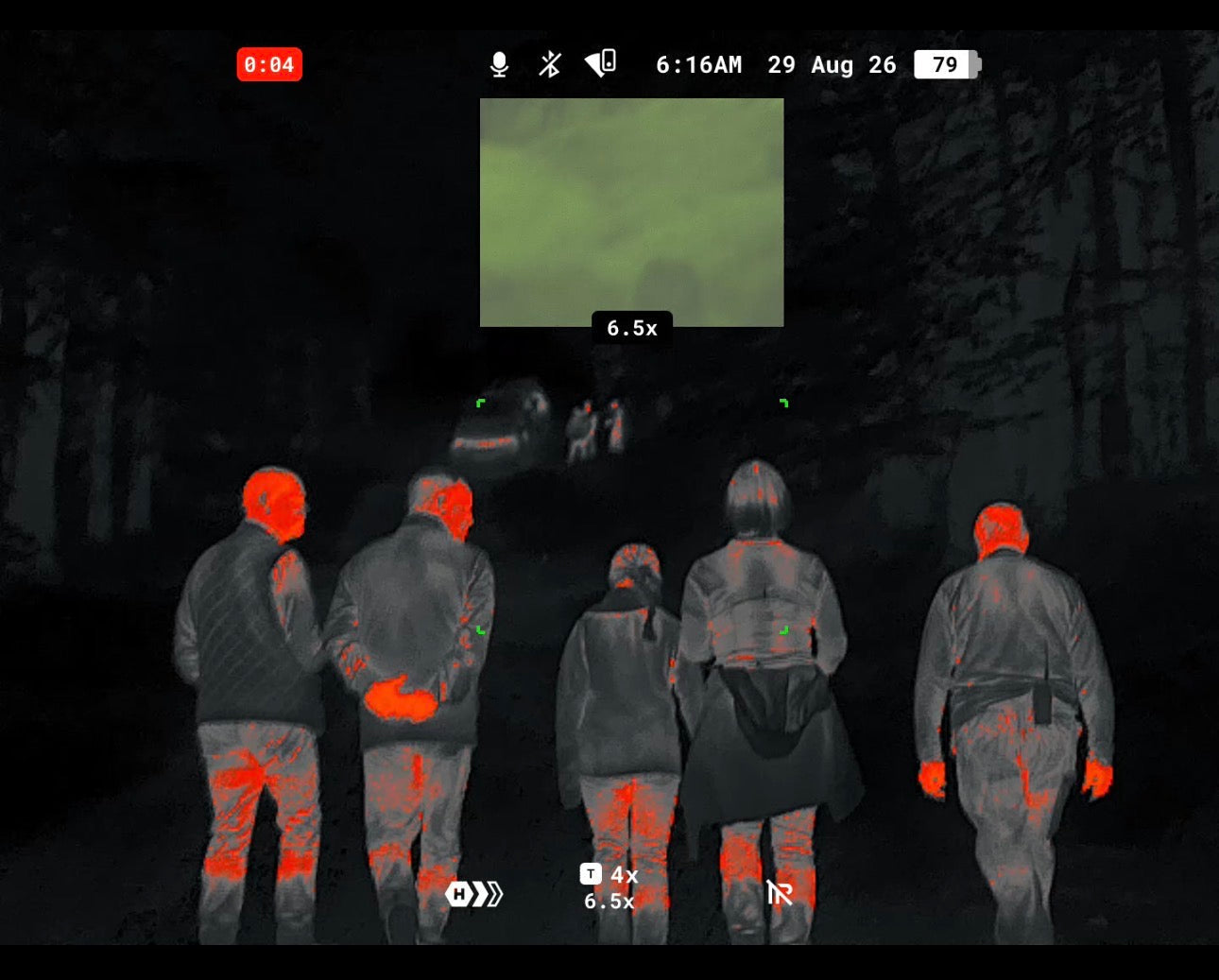
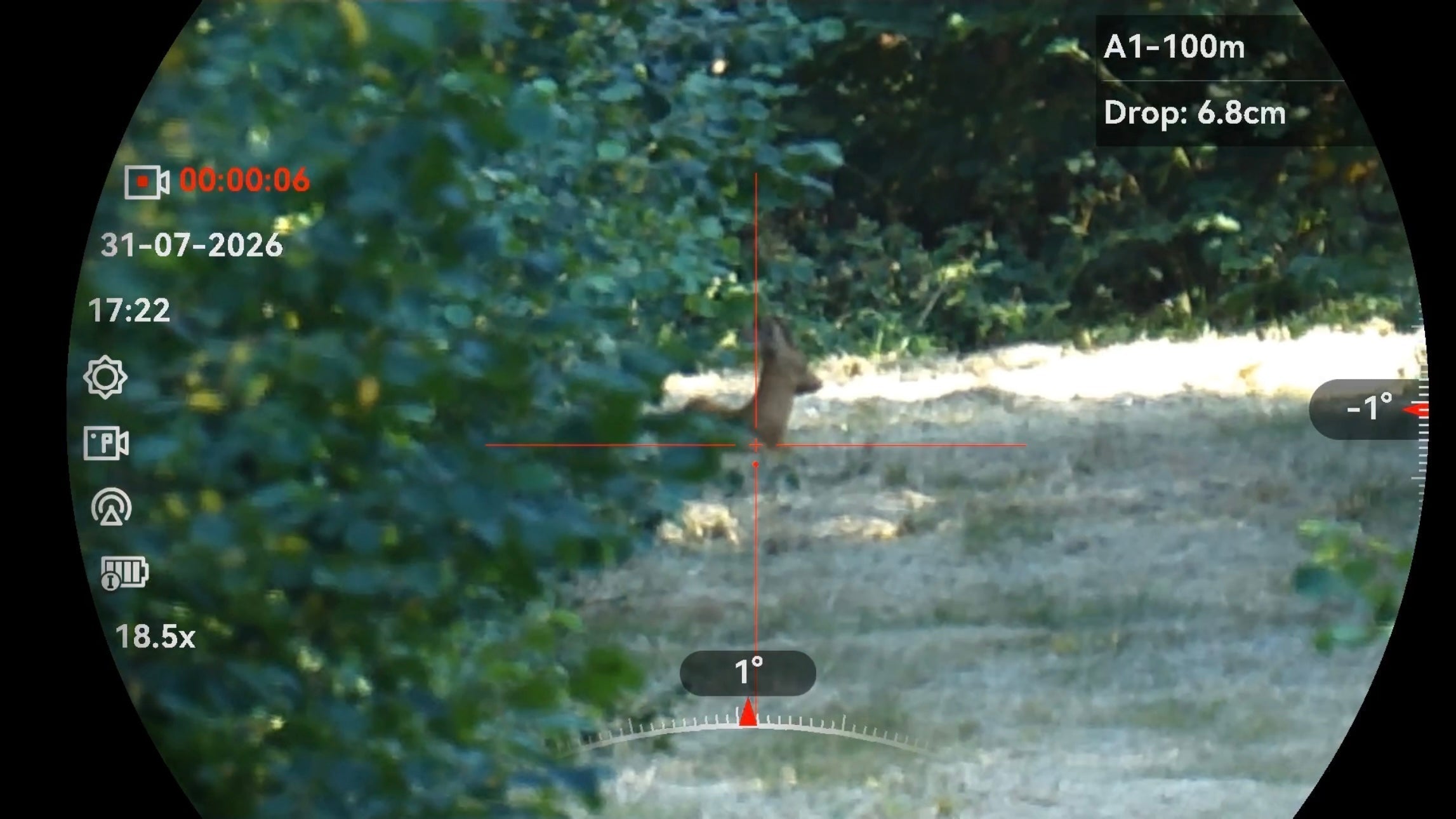
The first thing smaller woodland owners in Sussex need to understand is that sightings are a poor measure of muntjac pressure. They may tell you that deer are present, but they tell you almost nothing about how much damage is being done, how often it is being done, or how long it has been happening.
Muntjac are exceptionally well suited to living around people without being noticed. They do not need extensive woodland. They do not need the sort of open movement corridors that make fallow easier to spot. They do not have to reveal themselves on rides in the way roe sometimes do. They can live in tiny parcels of scrub, thick hedges, neglected corners, rough gardens, bramble tangles, and the low, enclosed cover that larger deer may pass through but not necessarily inhabit in the same way.
That makes Sussex almost ideal for them.
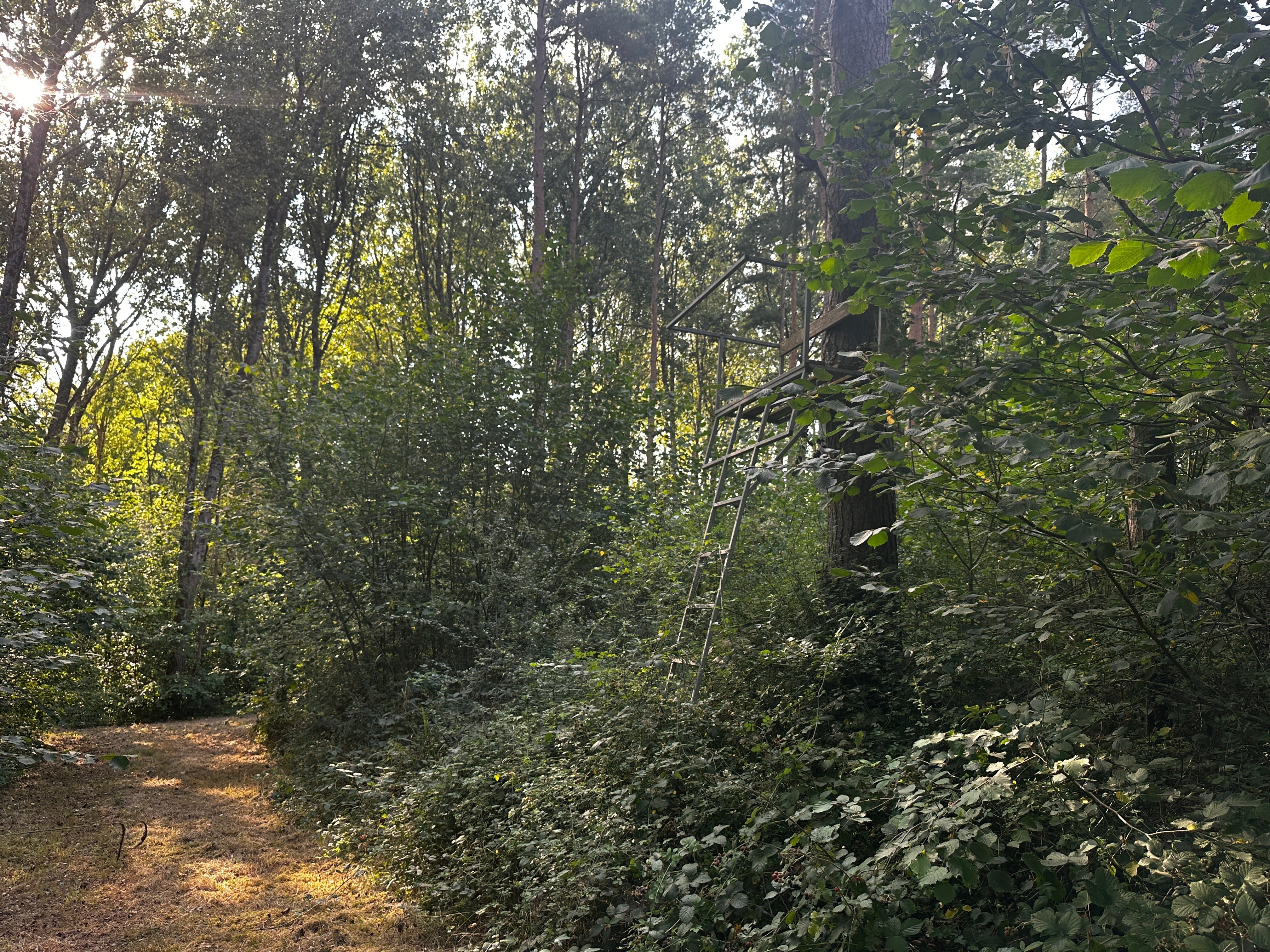
Sussex is not one uninterrupted deer landscape. It is a patchwork of small woods, broken blocks, woodland margins, hedgerows, horse paddocks, belts of cover behind houses, and narrow links between larger parcels. It is full of edges, and muntjac thrive on edges. It is full of disturbance, and muntjac tolerate disturbance well. It is full of places where a deer can live invisibly to the landowner but still be close enough to browse every night.
This is where so many people go wrong. They assume the absence of repeated sightings means the absence of repeated pressure. In reality, the opposite is often true. Muntjac can be present and active for months without providing the sort of visual reassurance that makes people say, “yes, now I know I have a problem”. The woodland, however, will often have been saying it all along.

One of our first Deer Management Plans from 2010.
What long-term sites in Sussex have already taught us
On some of the Sussex sites we have been involved with, we have watched the deer picture change over more than fifteen years. That matters, because long-term involvement gives you a different understanding to the sort of short visit where someone points at a chewed tree and asks whether deer are to blame.
A pattern has emerged often enough that it now deserves to be spoken about plainly.
On a number of sites, sustained management has reduced fallow pressure to a more manageable level. Not total removal, because Sussex rarely allows that in any meaningful landscape sense. There is always infill from surrounding ground, and in most areas that is simply part of the reality. But numbers can be brought down far enough that the more obvious, heavy pressure starts to ease.
Roe, too, can often be shaped to a point where impacts are sensible and limited. Again, not absent, because complete absence is rarely the objective. But low enough that woodland ambitions begin to feel realistic. Regeneration starts to look possible. Coppice starts to lift. Ground flora and shrub recovery begin to show.
Then, slowly and without much drama, muntjac become more significant.
Not always immediately. Not in every woodland. But often enough that it should no longer surprise anyone working regularly in Sussex. In some places, the very success of reducing pressure from the larger or more visible species creates the conditions in which muntjac become the dominant issue. They are not “replacing” fallow in any simple sense, and they are certainly not behaving like roe. What they are doing is exploiting a different level of the woodland and doing so persistently enough to stall recovery all over again.
This is the real danger. Muntjac now have the capacity, unless they are actively managed, to undo a great deal of the careful, difficult work that deer managers across Sussex have spent years delivering on other species.
Why muntjac are a fundamentally different woodland problem
A lot of woodland owners still think about deer impacts through the lens of roe and fallow. That makes sense, because those are the species they know. Those are the species they imagine when they hear the word “deer”. Those are the species that fit the older mental picture of woodland damage.
But muntjac are a different sort of problem.
They are lower browsers. They are more localised. They are less theatrical in their presence and more persistent in their effect. They do not operate in the same rhythm that many owners expect from deer. Because they are capable of breeding throughout the year, there is no neat seasonal pause where pressure appears to ease and the woodland gets a proper break. In practical terms, the site can be under constant, low-level browsing pressure in a way that slowly erodes progress.
That matters enormously in smaller woods because the part of the woodland muntjac target most heavily is often the exact part the owner is trying to restore.
The canopy may still look respectable. Mature stems may still be standing well. To the casual eye, the wood may even seem healthy enough. But woodland recovery does not live in the canopy alone. It lives in the understorey, the shrub layer, the coppice regrowth, the natural regeneration, the bramble and young woody growth that create future structure and diversity. That is where muntjac so often concentrate their effect.
If you are trying to restore understorey, bring diversity back into a small block, encourage natural regeneration, or create the sort of layered woodland that supports resilience and wildlife over time, muntjac are often operating exactly where it hurts most.
What muntjac damage really looks like in practice
One of the reasons this issue is so easily missed is that muntjac damage does not always look dramatic. It is often easy to blame something else.
Landowners will point to dry weather, poor planting stock, rabbits, shade, poor soils, or simple bad luck. Sometimes those things do play a part. But very often the real story is repeated low-level browsing that never becomes spectacular enough to alarm anyone, yet is persistent enough to stop the woodland from moving forward.
That is the key point. The problem is not usually the single bite. It is the repeated bite.
You may see young regeneration repeatedly nipped back and never rising beyond the same low band. You may notice that shrubs appear to be present, but permanently held down, never progressing in the way they should. You may find that coppice regrowth keeps failing to gather momentum, or that bramble and other low woody growth are being worked in a way that keeps the woodland thin underneath when it should be thickening.
Often the most revealing thing is not what has been browsed, but what is missing altogether. The understorey that should be developing is simply not there. The next generation of structure is absent. The wood is alive, but stalled.
That is what makes muntjac so problematic on small Sussex sites. They can create a woodland that looks green enough to reassure the owner, while quietly preventing the very recovery that owner believes is already under way.

The signs many owners overlook
There are signs of muntjac presence, but many people look for the wrong ones because they are still thinking in terms of roe or fallow.
Slots can be useful, especially in softer ground around tight pinch points, hedged routes, and low cover. Small, neat runs through bramble or scrub can also be revealing. Repeated low browsing in the same blocks, especially where the site is otherwise sheltered enough to support regeneration, is often a stronger indicator than any daylight sighting.
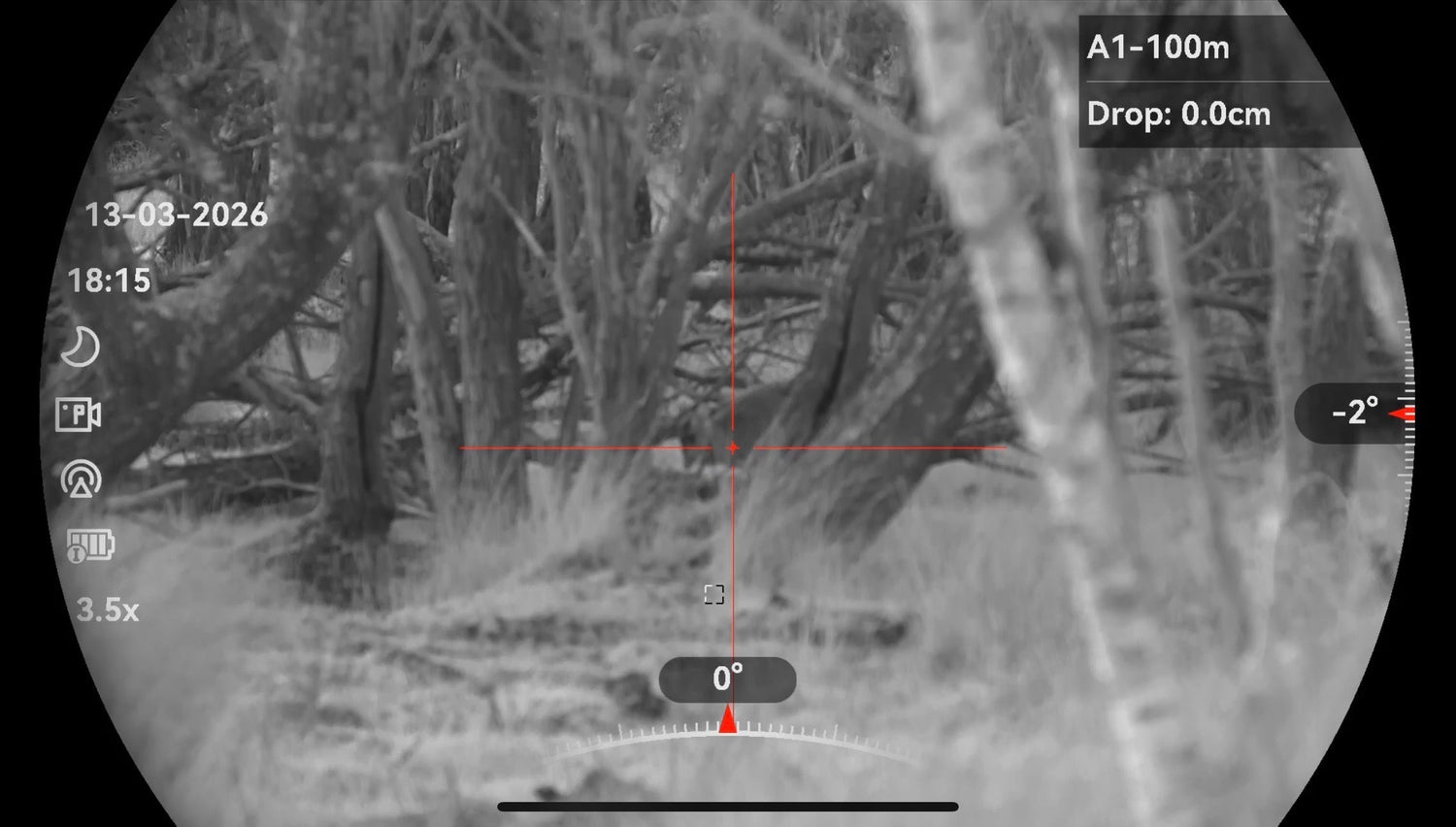
Trail cameras can help, but only when they are placed intelligently. Too often people set them up where they would like to see a deer rather than where a muntjac is likely to move. A broad open ride may feel like the obvious location, but a low, enclosed run through cover often tells you far more.
Even then, the most honest tool is often the least glamorous one. A small exclusion plot can reveal the truth more quickly than any debate. Put up a fenced area and compare what happens inside and outside over time. If the inside starts to pull away and the outside remains held down, the argument is finished. You are no longer dealing with impression or theory. You are dealing with evidence.
Why small woodland owners are especially exposed
Large estates at least have some room to spread effort and absorb setbacks. Small woodland owners do not. If you have five acres, ten acres, or a modest block attached to a house, farm or wider smallholding, every repeated bite matters more. Every season of failed recovery matters more. Every year of delay costs proportionally more.
There is no other compartment quietly carrying the burden while one area recovers. The whole wood feels it.
Small woods also tend to come with the most awkward management conditions. Public access. Near neighbours. Tight boundaries. Constrained sightlines. Limited safe opportunities. Owners who care deeply about the place but do not necessarily have the time, confidence, permissions, or operational support to manage the issue consistently.
That is exactly why muntjac thrive in these places. They are easy to ignore, hard to pressure casually, and very capable of becoming a background norm before anyone really notices the scale of the change.
There is also a psychological trap here. Owners of small woods often feel that because the site is small, the issue should be simple. In Sussex, small rarely means simple. Small often means more edges, more disturbance, more human pressure, and more opportunities for muntjac to live largely unseen while continuing to browse the woodland back into stasis.
The real cost of waiting too long
This is the part that small woodland owners need to hear clearly.
Muntjac are not an abstract future risk in Sussex. In many places they are already the present problem. And because they are so easy to miss, delay feels harmless at first. It is not. Delay is measured in years of lost recovery.
You can spend a very long time reducing fallow pressure, getting roe to a genuinely manageable level, and bringing a woodland to the point where it finally feels capable of recovering, only to have that progress quietly undermined by muntjac continuing to browse the exact layer you need most.
This is why the issue matters now. The earlier you intervene, the lighter the correction. The longer you leave it, the more normal the damage becomes, and the harder it is to remember what the woodland was actually supposed to become.
That is the real danger of muntjac. They do not always create immediate drama. They create long-term disappointment.

What Sussex woodland owners should do now
The first step is not panic. It is honesty.
Stop using sightings as your main measure of whether you have a problem. Start using impact instead. Walk the woodland methodically. Look hard at the regeneration layer. Look at the low shrubs. Look at the species you would expect to be coming through if browsing pressure were genuinely light. Ask yourself whether the woodland is progressing, or whether it is simply standing still under a surface impression of health.
Then confirm presence properly. If you use trail cameras, place them low and tight in cover, not out on rides simply because they are easier to access. If you can, put up a small exclosure and compare the inside to the outside. It may not be elegant, but it is one of the most effective ways to tell the truth.
Then decide whether you can manage the issue consistently yourself.
That word matters. Consistently.
Muntjac do not usually respond to occasional disturbance in the way people hope. They shift their timing, hold tighter, and continue browsing. If your model is “I’ll try to get out when I can”, you need to be honest about whether that matches the pressure you are actually dealing with.
For many owners, the most practical solution is to bring in a competent deer manager who understands small Sussex woods, understands public-facing constraints, and can build a plan proportionate to the site rather than pretending every small parcel should be treated like a large estate.
And where neighbours are involved, start the conversation early. Deer do not recognise ownership boundaries, and small woods rarely solve deer issues well in isolation.
What good management actually looks like
Good muntjac management on a small woodland is rarely dramatic. It is not built on heroics. It is built on accurate assessment, steady delivery, safe practice, and enough repetition to change the woodland’s response over time.
That may mean a period of targeted professional control. It may mean using exclosures and repeat assessments to prove progress. It may mean coordinating with neighbours and accepting that your wood cannot be treated as an island. It may also mean admitting that your current woodland objectives and your current deer pressure no longer match, however uncomfortable that feels.
What it does not mean is continuing to reassure yourself with, “I haven’t seen any”.
A calm conclusion
Muntjac are not the deer most people in Sussex picture when they think about woodland damage. They are too small, too quiet, and too easy to miss. But that is exactly why they now deserve more attention, not less.
They can sit unnoticed in small woods while steadily suppressing the structure, diversity and regeneration those woods need to recover. In some places, they now threaten to unwind years of work spent bringing other species back to a more manageable level.
If you own a small woodland in Sussex and your main reassurance is that you have not seen deer, it is time to ask a better question.
What is the woodland telling you?
Because in many cases, it is already telling the truth.