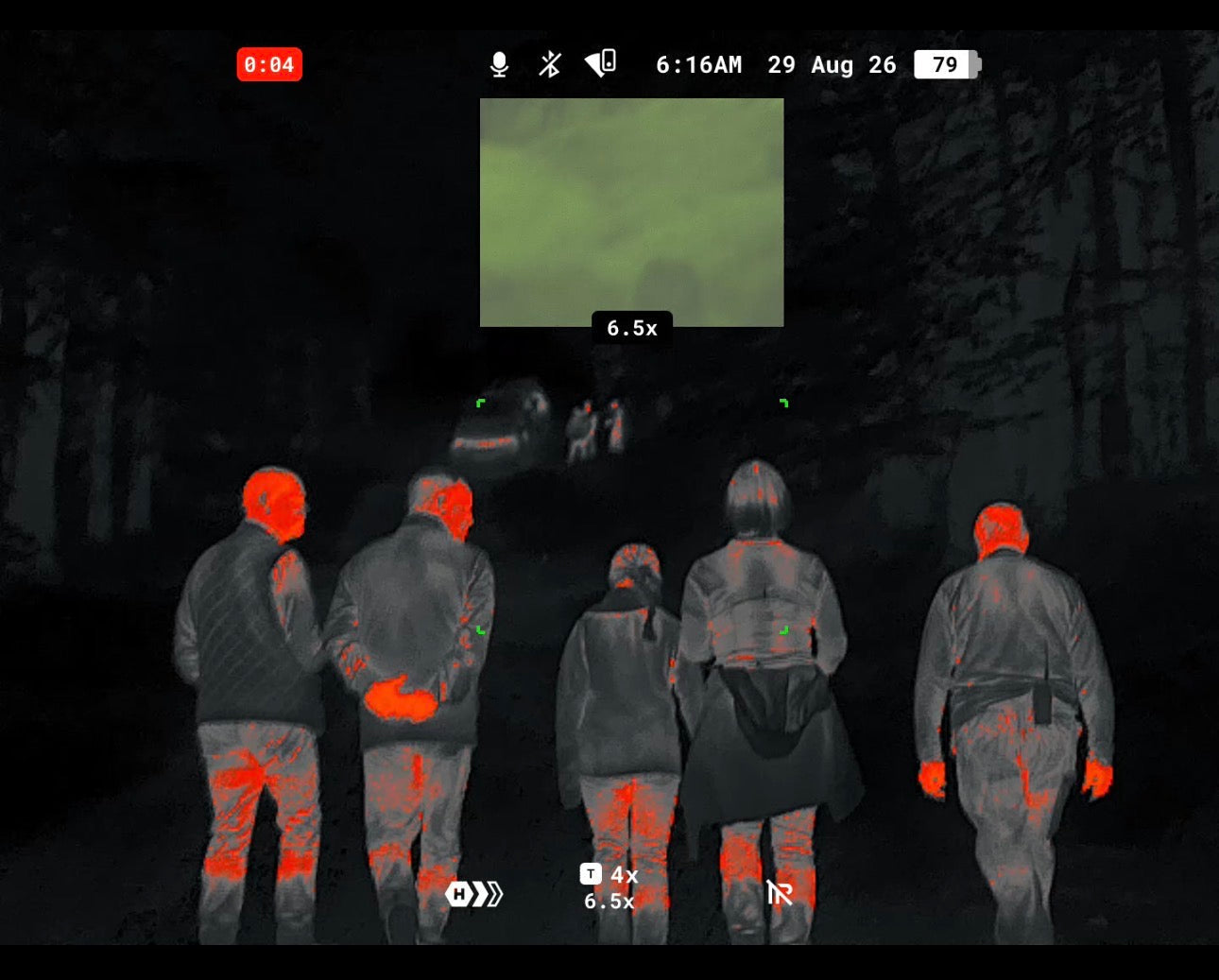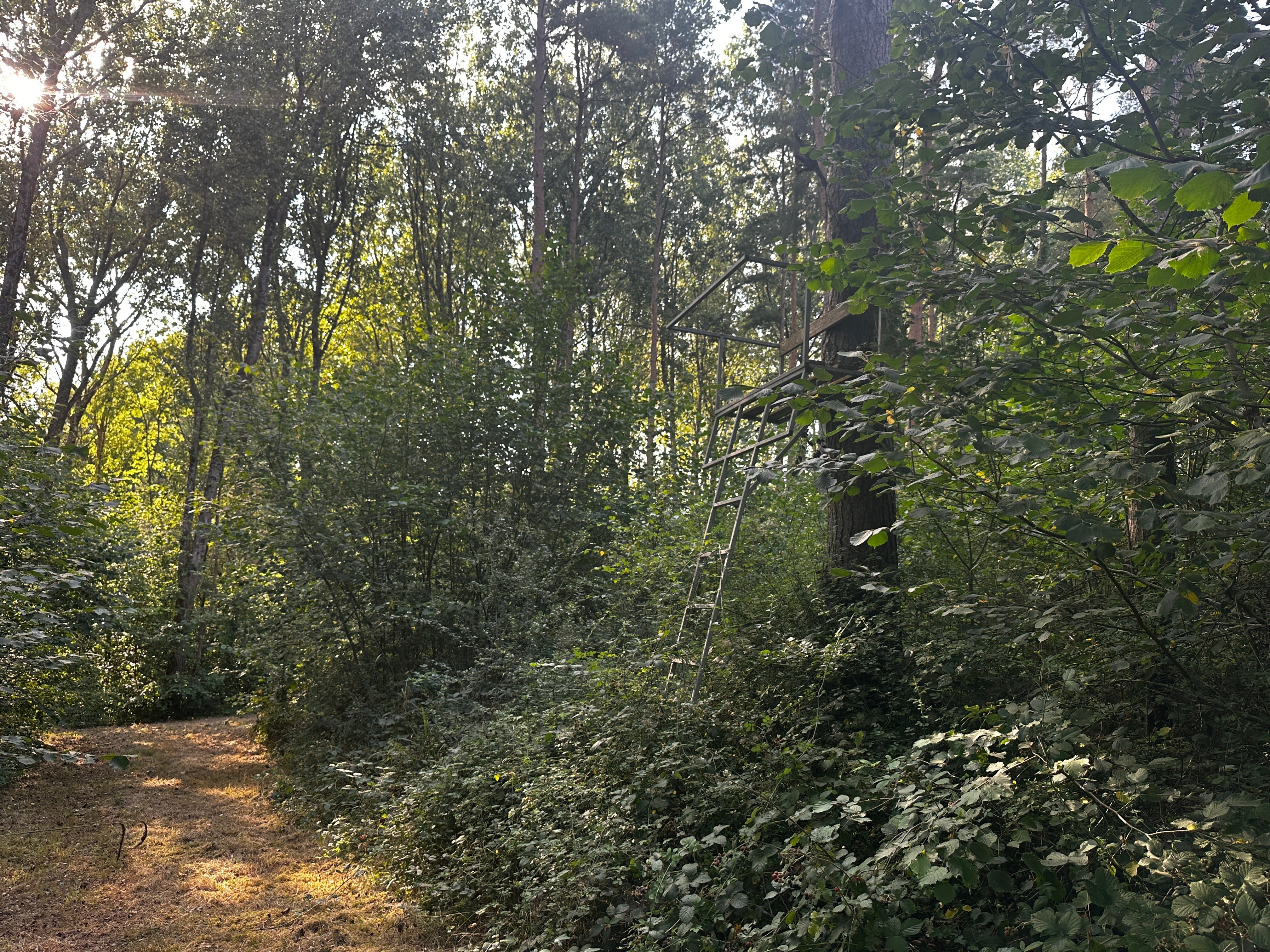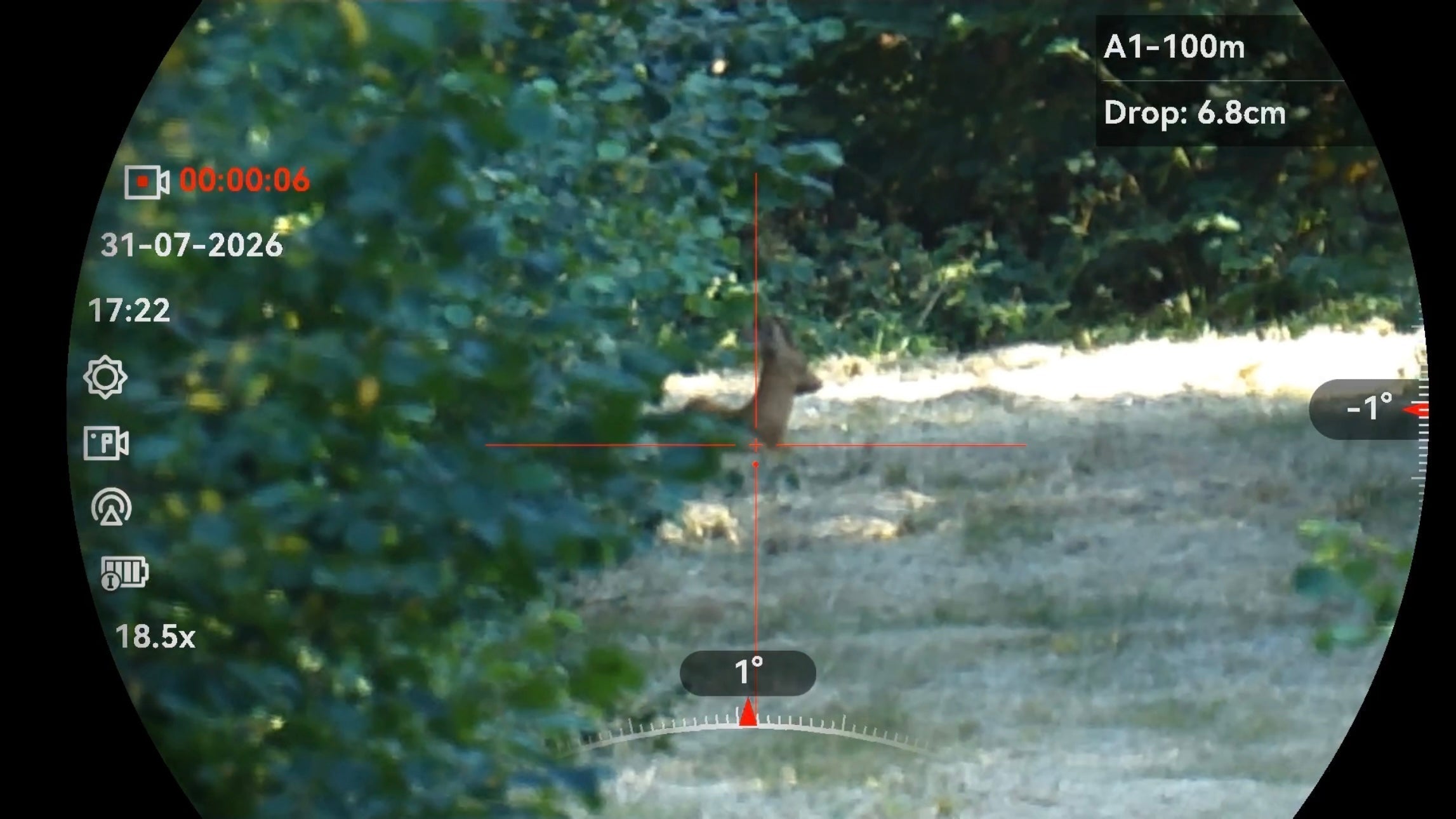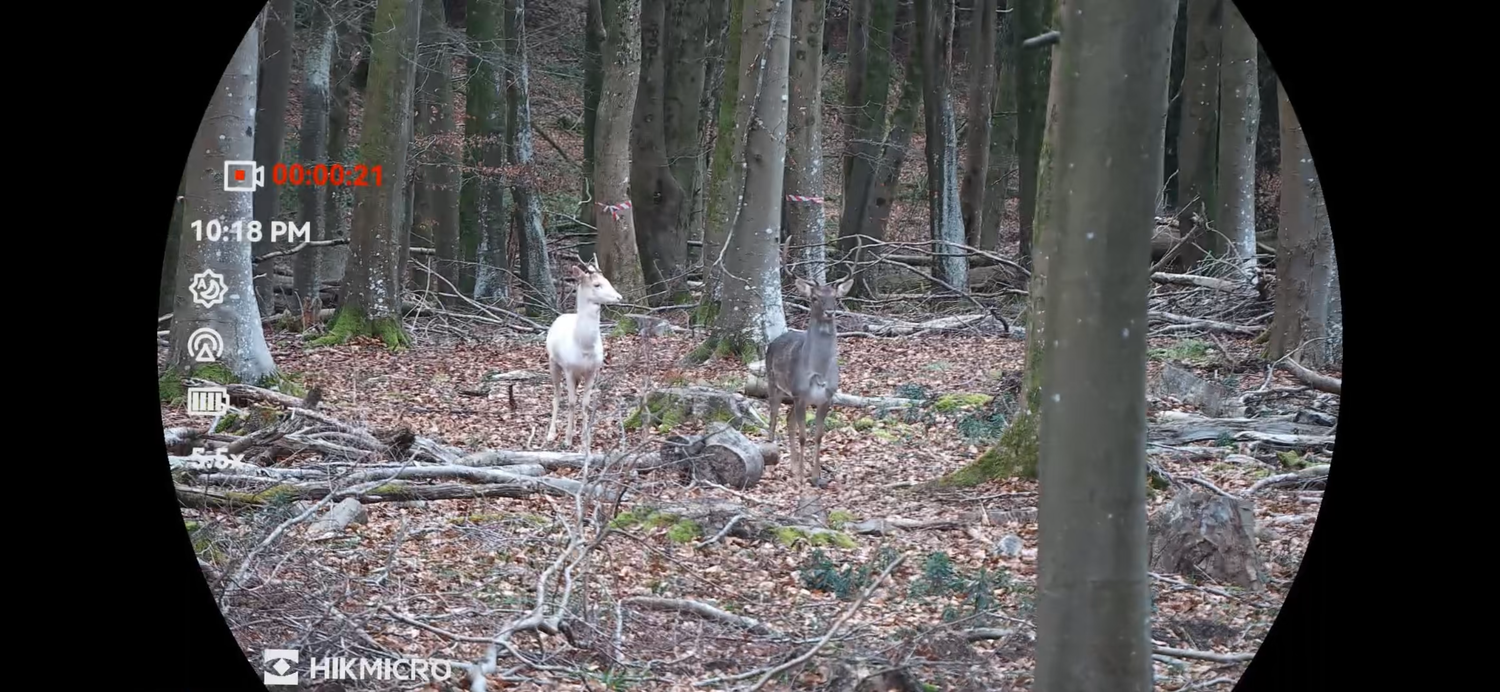
A couple of animals taken yesterday on a neighbouring estate in Sussex. A straightforward evening on paper. We were there to help another deer manager thin out a local fallow population that had drifted quietly beyond what the ground could carry.
By the end of the night there were six in the chiller and a landowner who could see that something practical had been done. That matters. It pays the fuel, justifies the time, and makes sense of the effort.
What stays with me just as much as the result, though, is the collaboration itself. The drive over. The walk round in fading light with someone who knows their own ground as well as you know yours. The small, sharp bits of information traded without fuss. Which rides are holding deer at first light this winter. Where the dog walkers are cutting new lines through the wood. Which block of wheat has taken the brunt of the recent pressure.
That sort of connection is not sentimental. It is the backbone of serious deer management in the South East.
Deer Ignore Lines On Paper
Every estate has its maps. Boundaries are marked, compartments coloured, high seats and rides plotted. Grants are drawn around polygons, CWS1 units are carved up, responsibilities allocated. On a screen it looks neat, logical, contained.
The deer that move through that landscape are subject to none of it. They respond to pressure, food, cover and disturbance, not to legal ownership. A fallow herd that beds on one holding may feed on two or three others in the same night. Roe that step out along a vineyard edge in the evening may spend the middle of the day in a copse that belongs to a neighbour who has no idea they are there.
If we ignore that fact, we get trapped in small thinking. One estate takes numbers hard while the next treats their deer as ornaments. One manager works from a deer impact plan, another from habit and hearsay. Culls are planned in isolation and then quietly undermined by decisions taken over the fence.

You see the result on the ground. Woods where the browse line never shifts no matter how many carcasses one team drags out, because the adjoining land gives deer sanctuary and free passage. Blocks of new planting that never quite get away, not because the planter has done no culling, but because the pressure they are dealing with is imported nightly from elsewhere.
In that context, an evening spent helping a neighbour is not a charitable gesture. It is an attempt to align effort with reality.
Collaboration As A Professional Standard
There is a temptation in this line of work to treat other deer managers as competitors. Commercially, that is understandable. We all need contracts. We all have to make a living. There is a fear that sharing information will cost you work.
The question is what we lose by pretending we can operate independently.
When we sit down with neighbouring estates, the first things we trade are usually modest: sightings, timings, rough herd estimates, crop damage reports. Very quickly, patterns emerge. A group that you thought of as “yours” turns out to be regularly seen two valleys over. A block of damage that puzzled one farmer becomes obvious when you realise what is happening on the shoot next door.
That information exchange does several things at once.
It improves cull planning. You can target effort where it will genuinely reduce impact, rather than where you happen to have a convenient high seat. It helps to equalise standards, particularly around safety and carcass handling. No one wants to be the outfit whose behaviour makes everyone else look bad. And it makes it easier to present a coherent picture to agents, regulators and grant bodies. A group of estates able to show a shared understanding of herd dynamics and impact will be taken more seriously than a scattering of individuals each pushing their own narrative.
In other words, collaboration begins as a courtesy and ends as a professional standard.
What Agents Can Do
Land agents sit in a pivotal position. They hear from owners, tenants, foresters, stalkers and grant advisers. Too often, those conversations happen in parallel rather than together.
An agent who wants to strengthen the deer management on their books can do several simple things.

First, they can name the reality in writing. When drawing up management plans, tender documents or CWS1 applications, acknowledge explicitly that deer cross boundaries and that a single estate solution is unlikely to be enough. That simple step reframes expectations.
Second, they can host the conversation. It does not take much to bring neighbouring owners, keepers and contractors into the same room once or twice a year. A morning in the office or an afternoon in a yard, with maps on the table and coffee rather than formality, can do more for alignment than any number of carefully crafted emails.
Third, they can reward joined up thinking. When reporting to owners or trustees, give weight to managers who are demonstrably working with their neighbours. Show that collaboration is not a soft option, but something that increases the long term security of woods, crops and tenancies.
Agents who treat deer management as a purely internal affair will keep inheriting the same problems dressed in new language. Those who encourage networks will start to see the sort of regional patterns of effort that make a difference.
What Landowners Can Do
Owners, whether private, institutional or public, often underestimate how much influence they have over the tone of local deer work.
One owner who insists that their ground is treated as a separate kingdom will pull things apart. One who is open to co ordinated effort can help pull them together.
Practical steps are straightforward.
Make it clear to your deer manager, keeper or contractor that you expect them to talk to their opposite numbers on adjoining ground. Do not punish them for sharing information. Judge them instead on what that sharing produces in terms of impact, safety and relationships.
Be willing to allow access and effort that benefits a wider plan, not only what fits neatly within your own boundaries. That might mean allowing a neighbour’s stalker to pass through a corner of your wood to reach a critical high seat, or adjusting timing so that two estates hit a problem herd in a coordinated way rather than chasing them back and forth.
And, crucially, be prepared to sit in the same meeting as your neighbours when the time comes to align grant applications, deer impact surveys and longer term objectives. The sight of three or four owners or representatives willing to speak openly about shared problems does more to unlock support from regulators and funders than almost anything else.

What Deer Managers Can Do
For stalkers, keepers and contractors on the ground, there is sometimes a sense of powerlessness. You do not own the land. You do not sign the cheques. You work within decisions made by others.
Even so, there is a great deal you can do to expand your network and raise the standard of collaboration.
The first is obvious and easily avoided: introduce yourself. If you are working near another estate, pick up the phone or knock on the door. Explain who you are, what you are doing, and what you are seeing. It does not have to be grand. Honest, low key contact is often enough to start.
The second is to trade value, not gossip. Turn up with useful information. Share timings, herd movements, crop damage, vehicle sightings, lamping activity, anything that helps paint a clearer picture of what is happening across the wider block. People respond better to someone who brings tangible benefit than to someone who simply wants to know what is going on.
The third is to formalise what works. If a few of you find yourselves talking regularly, set up a small WhatsApp group or email loop focused purely on deer: sightings, shots taken, unusual behaviour, poaching, public interactions. Keep it professional. Treat it as a working tool, not a rumour mill.
Finally, be willing to help. Evenings like the one mentioned at the start of this piece, where you spend time on a neighbour’s ground with no direct financial gain, often pay back in ways that are not obvious at the time. You learn new ground. You see how someone else runs their safety and larder. You build trust that makes it possible to ask for assistance when you need it.
Good deer management in the South East is rarely a solo job. If you act as if it is, you quietly disadvantage yourself and your clients.
Collaboration And Standards
There is a further aspect that is easy to overlook. Collaboration is not only about numbers and logistics. It is also about culture.
When you spend time with other serious practitioners, your own standards are quietly tested. Someone else’s method of checking a backstop, their way of handling a near miss, their expectations about carcass hygiene or public communication will either confirm your habits or expose gaps.
A closed operation, however competent, can drift over time without noticing. A network of managers, keepers and foresters who are willing to ask each other awkward questions is far less likely to slide.
That is particularly relevant as new regulations, grants and public expectations come into play. No one individual has time to read every guidance note or draft policy. Shared interpretation, grounded in experience rather than speculation, makes it easier to adapt without panic.
A Network Effort
The South East is not going to become an easy landscape for deer management in the next few years. Development pressure will continue. Access will increase. Grant schemes will wax and wane. Fallow and other species will continue to do what they have always done: respond to food, cover and disturbance in ways that cut across ownership.
In that context, the idea of working alone is more than unrealistic. It is irresponsible.
Evenings spent on neighbouring ground, conversations with agents, early input into grant design, shared impact surveys, simple habits of staying in touch. These things look small. Accumulated, they are the difference between a region full of isolated efforts and a region where deer management is beginning to reflect the true shape of the landscape.
Good deer management in the South East is rarely a solo job. Done properly, it is a network effort, built estate by estate, relationship by relationship, until the map on the wall begins to match the way the deer already see it.