One of the risks with any grant-supported deer programme, and one that deserves more honest discussion as CWS1 becomes part of the working landscape, is the assumption that more hours on the ground automatically means better delivery. It sounds sensible at first glance. More time. More presence. More commitment. More visible effort. On paper, that feels reassuring.
But deer do not read spreadsheets, and woodland does not respond well to pressure applied without thought.
Not all hours on the ground are equal.
That matters because the purpose of professional deer management is not simply to be seen trying. It is not to fill a diary, pad out a return, or give the impression of relentless activity. It is to deliver outcomes. Reduced impacts. Better habitat response. Cleaner conversion. Welfare-led control. A sensible relationship between time spent, pressure applied, and the actual result on the ground.
Going for a walk in the woodland, however enjoyable it may be, is not the purpose of professional deer management. The purpose is effective intervention. And effective intervention depends, more than many people admit, on understanding how deer respond to pressure.

The mistake of treating time as the main measure of effort
CWS1 is rightly orientated toward practical work on the ground and the reduction of deer impacts, but any funded system carries the same temptation. People drift toward what is easiest to count. Hours worked. Visits made. Presence recorded. That is understandable, because hours are simple. They fit neatly into paperwork. They make effort visible.
The difficulty is that hours tell you very little on their own unless they are tied to what the deer are actually doing in response.
A deer manager can spend a great many hours on a parcel and achieve very little if those hours are applied badly. Worse than that, a great many hours applied badly can actively reduce future success by teaching the deer exactly how to avoid you.
That is not theory. We have seen it.
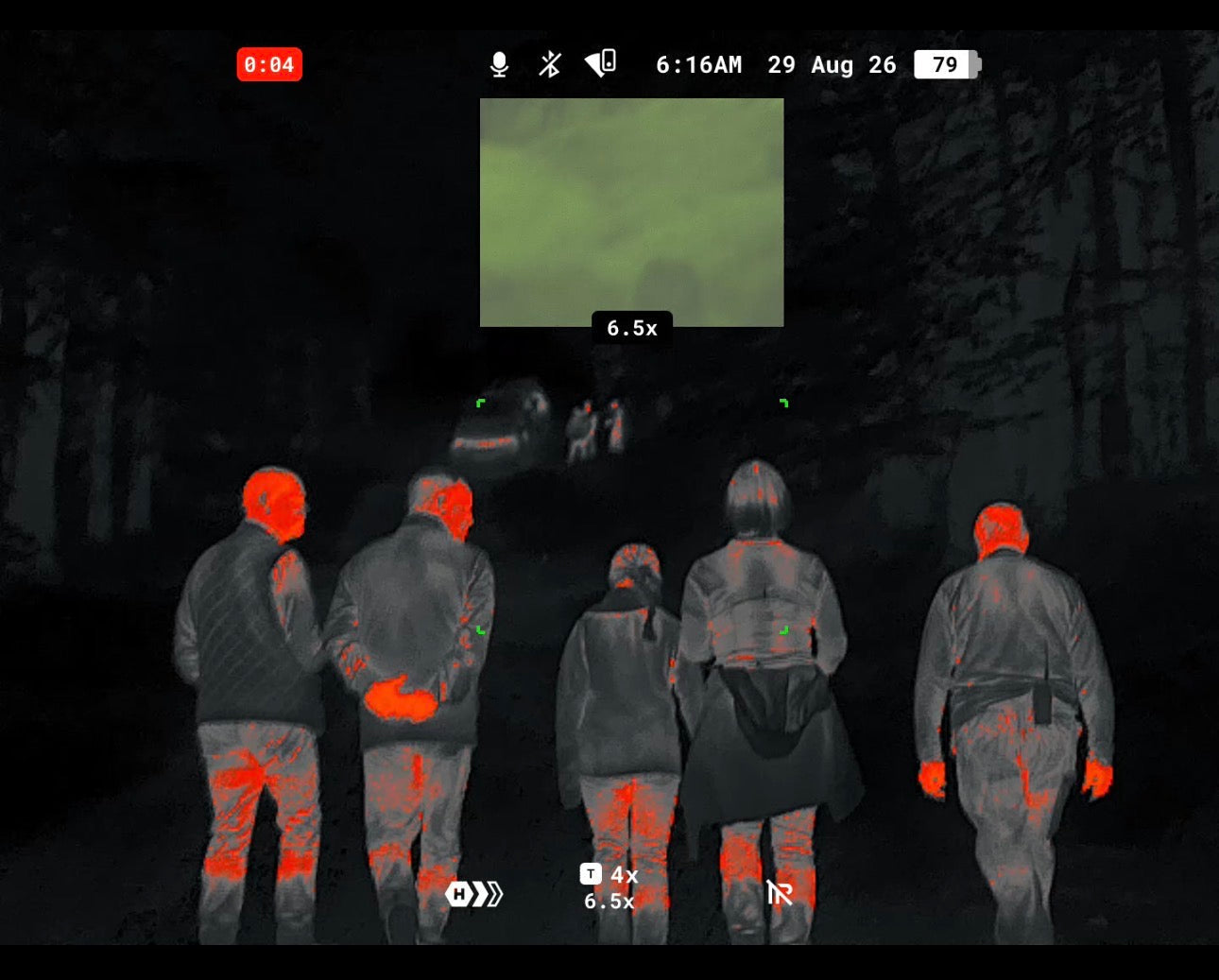
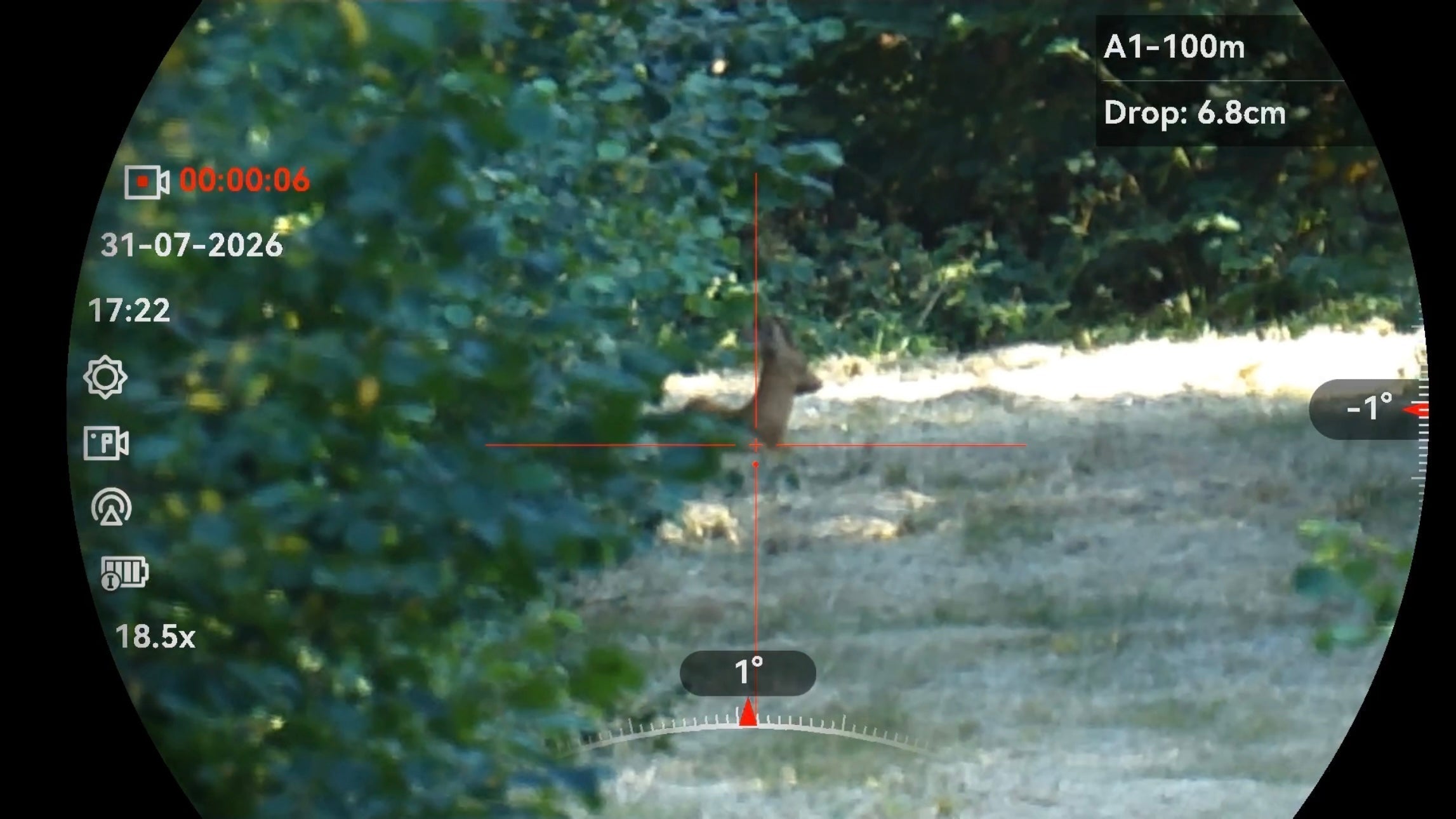
On one particular holding, repeated pressure changed deer behaviour very noticeably. The animals became sharper, more reactive, and far more difficult to settle into any kind of predictable movement pattern. They started to react to details that would sound trivial to anyone who has not watched this happen repeatedly. The sound of a gate opening. The distinct note of a particular vehicle on a track. The shutting of a door. The cadence of someone walking with purpose as opposed to the looser, less directed movement of a dog walker. The deer learned all of it.
That is the point at which time on the ground stops being neutral. It starts shaping the herd.

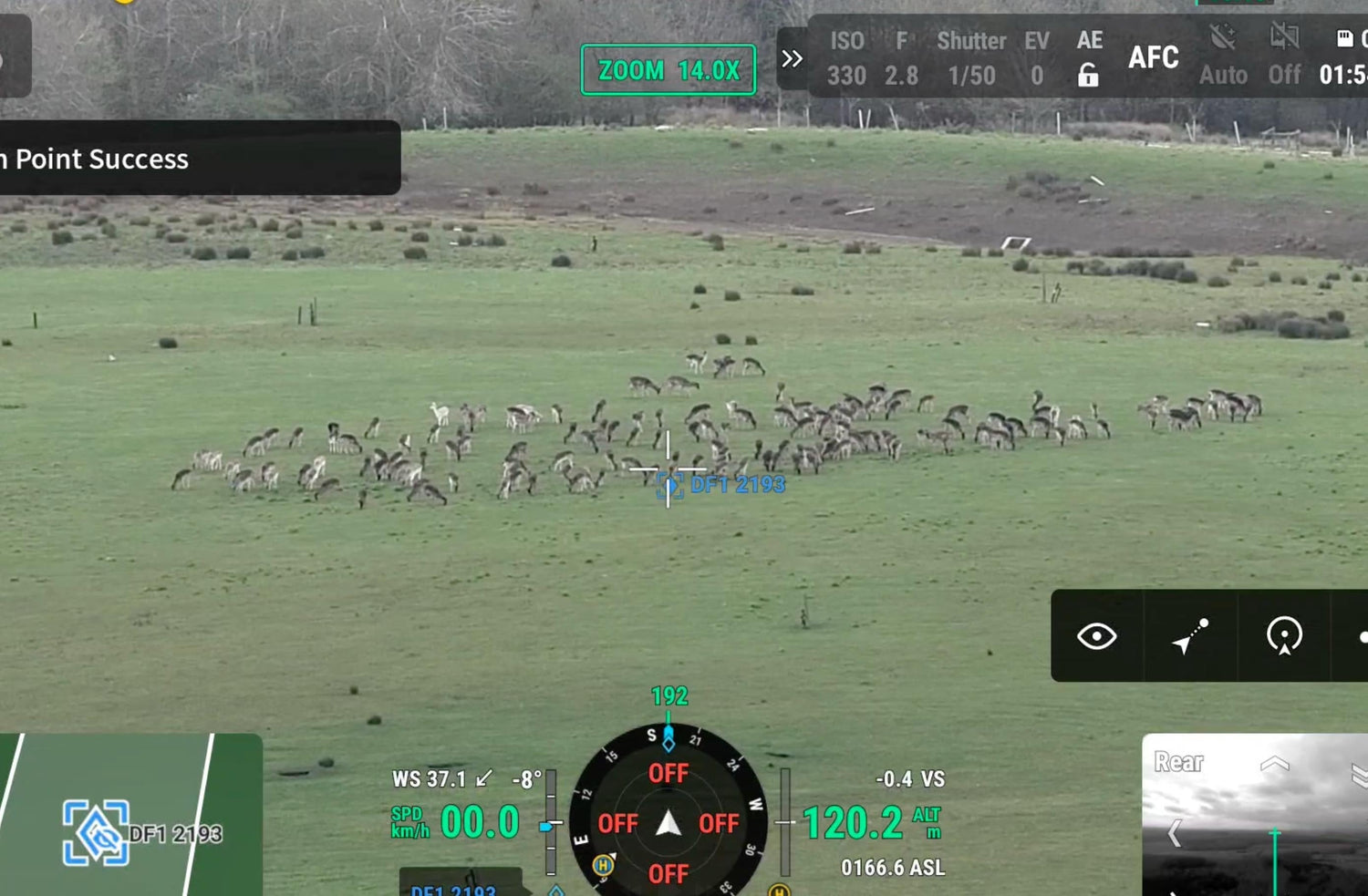
Thanks to Glenn Moore at https://www.digitalfauna.co.uk/ for providing the above image of a neighbouring parcel.
Pressure changes behaviour before it changes numbers
This is one of the most important truths in professional deer management, and one of the least well understood by people outside it.
Pressure usually changes behaviour before it changes numbers.
That means the first thing you often see from over-application of effort is not improved cull rates. It is avoidance. Deer become more nocturnal. More route-conscious. Less willing to break cover. Less tolerant of sound, scent and movement. They begin to associate certain areas, tracks, gates, vehicles and rhythms with danger. They tighten up their movement windows and start using sanctuary more intelligently.
In short, they become more expensive to manage.
That matters because the economics of professional deer work are real whether people like discussing them or not. Diesel is real. Labour is real. Wear on vehicles is real. Time is real. Insurance, maintenance, optics, thermal kit, access time, reporting, and staff fatigue are all real. If your hours-to-cull ratio deteriorates because you are effectively educating the deer every time you turn up, then the work is becoming less efficient at exactly the point it should be becoming more precise.
This is where professional judgement matters more than enthusiasm.
Deer need pressure, but they also need confidence
This is the part that often sounds counter-intuitive until you have watched it happen enough times.
Deer need sanctuary. They need confidence in a place. They need enough settled behaviour for that behaviour to be read and anticipated. If every outing simply amounts to chasing them around a woodland, all you are really doing is displacing them temporarily and making the next outing harder. The wood may feel “worked”. The manager may feel “busy”. But the outcome is often poorer than it would have been under a calmer, more measured rhythm.
We have one holding in particular where we have tried and tested several approaches to commitment of time. Different frequencies. Different timings. Different degrees of presence. Different approaches to access and entry.
And after all of that, the conclusion was not “more”. It was “less, but smarter”.
In practical terms, that came down to one carefully chosen day per week.
That rhythm gave the deer time to settle back into usable behaviour. It stopped every visit from becoming another lesson in avoidance. It allowed the ground to function as ground again rather than as a landscape under constant human disturbance. And once that happened, the conversion improved.
To someone who equates effort with frequency, that can sound almost lazy. It is not lazy at all. It is behaviour-led. It is recognising that if deer never feel sufficiently settled to use a parcel naturally, your chances of managing them effectively begin to collapse.

Deer learn estates in the same way people do
One of the easiest mistakes to make is to treat a woodland block as static. On a map, one plantation can look very much like another. One ride can look like the next. But deer do not live on maps. They live in patterns of familiarity.
They learn a property in detail. Which gate tends to open before danger arrives. Which vehicle is normal and which one is not. Which parts of the week are busy with walkers. Which compartments are worth leaving before dark. Which low-pressure corners still offer confidence. Which routes allow escape without being seen.
That is why two parcels that look almost identical on paper can behave completely differently in the field. One can hold animals that are comparatively settled and readable. Another, a short distance away, can feel almost empty until you realise the deer are present but heavily educated by pressure history.
Likewise, one established herd may react very differently to another. The behaviour of deer on a private, low-disturbance block may bear almost no resemblance to deer on a site with public access, repeated dog walking, vehicle movement, and previous inconsistent stalking.
This is why professional deer managers spend so much time simply watching and learning. Not because watching is “nice”, but because without that understanding you are only applying effort blindly. And blind effort is expensive.
Watching is part of working
There is sometimes a subtle pressure, especially where estates want to feel that “something is happening”, to treat quiet observation as inactivity. That is a mistake.
Watching is part of working.
Time spent learning how a parcel is being used, where a herd is bedding, what pressure points cause movement, and which approach line consistently blows the wood out is not dead time. It is often the most valuable part of the whole process. A deer manager who watches properly may do more for long-term success than someone who simply turns up three extra times and pushes the same deer deeper into avoidance.
This is one of the less glamorous sides of professionalism. Good work is not always noisy. It is not always busy-looking. Sometimes it appears slower from the outside precisely because it is more intelligent underneath.
Why outing-to-cull ratio still matters
There is sometimes a reluctance to speak too plainly about conversion, as though doing so reduces the work to something mechanical. It does not. It introduces honesty.
If the purpose of a professional outing is deer control, then outing-to-cull ratio matters. Not because every outing must produce an animal, and not because the only measure of value is something in the chiller. But over time, the pattern tells you whether your method is working.
If a parcel is receiving repeated visits, hours are building, diesel is being burned, labour is being spent, and the deer are becoming steadily harder to manage while outcomes remain poor, then the approach needs changing. Not excusing. Changing.
The right response is not impatience. It is thought. More careful entry. More time between outings. Better reading of pressure. Greater honesty about what the deer have learned. Sometimes, the professional move is not to increase effort, but to reduce it long enough for the herd to begin behaving in ways that can actually be managed again.
What estates and landowners should take from this
For estates, agents and landowners, the lesson is straightforward. When commissioning deer management, do not assume that intensity alone proves quality. Ask instead whether the pressure is intelligent. Ask whether behaviour is being tracked. Ask whether the hours being spent are producing meaningful change on the ground rather than simply creating a record of attendance.
For deer managers, the responsibility is equally clear. Know your ground. Know your herd. Know when a parcel needs resting rather than pushing. Know when you are helping and when your own presence is beginning to cost more than it is returning. If more hours are producing worse behaviour, then more hours are not the answer.
That is not less work. It is better work.
The purpose of professional deer management is not to fill hours. It is to reduce impacts, protect habitat, and do so in a way that is efficient, defensible and welfare-led. CWS1 has the potential to support that direction well, but only if everyone involved understands a basic truth: hours on the ground are not all equal.
Too much pressure, applied badly, will often reduce success rather than increase it. Deer need time to settle. Parcels need to be read properly. Herd behaviour needs to be understood, not assumed. And outing-to-cull ratio, while never the whole story, remains one of the more honest indicators of whether the work is being delivered intelligently.
In the end, the land does not reward movement for its own sake. It rewards understanding. And in deer management, understanding behaviour is often the difference between effort that looks impressive and effort that actually works.