There are deer jobs that look straightforward on paper, but become complex the moment you add people into the landscape. A roe buck in a woodland block is one thing. A roe buck on public-facing ground, moving among students, staff and visitors, is another. The deer is still the deer, but the context changes everything: risk, perception, welfare pressure, and the margin for error.
That is where deer darting and live capture have a legitimate place in modern deer management.
Not as a fashionable alternative to culling, and not as a solution to landscape-scale impacts, but as a specialist tool for very specific circumstances, where the right outcome is removal and relocation rather than lethal control.
This week we dealt with exactly that kind of job.
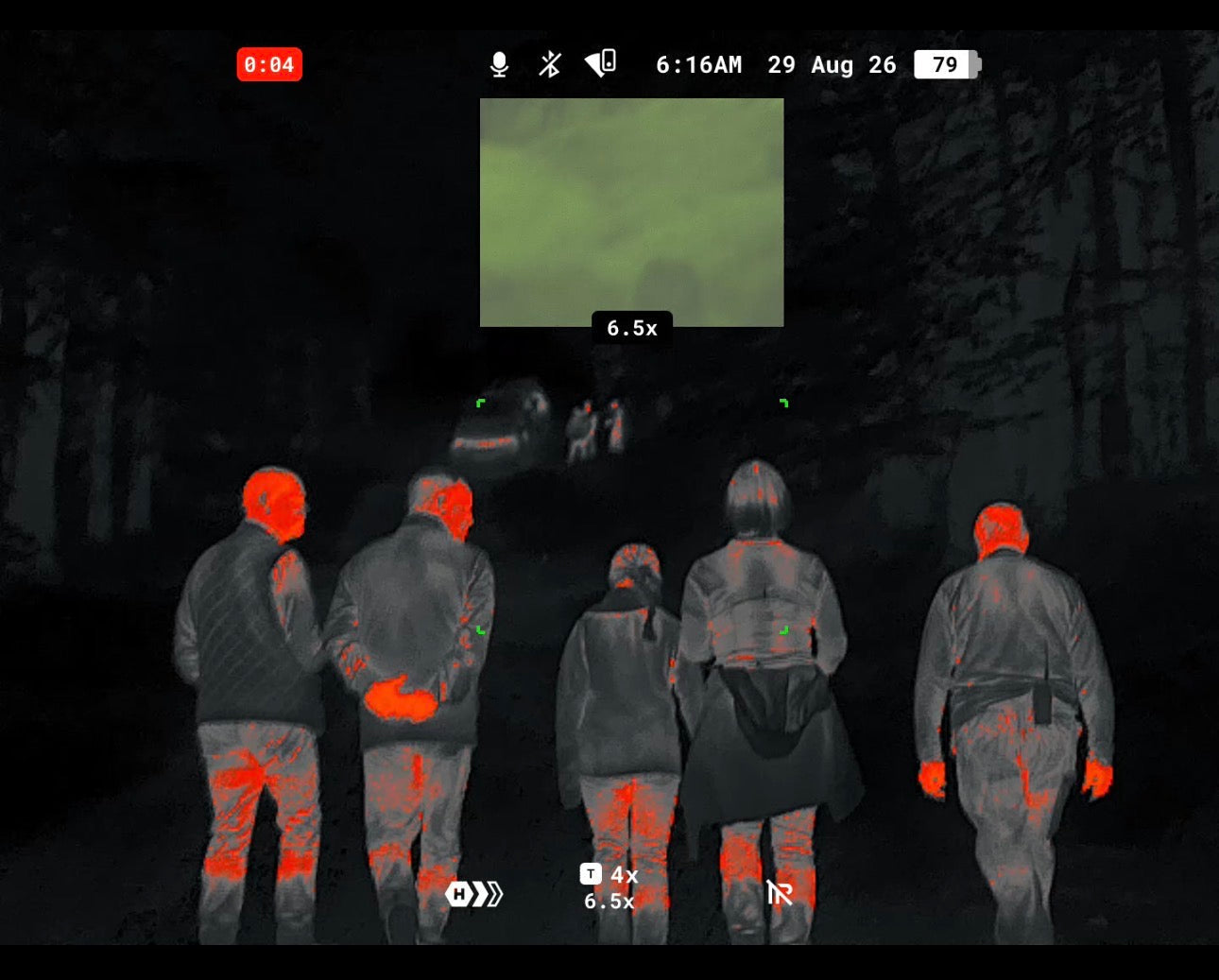
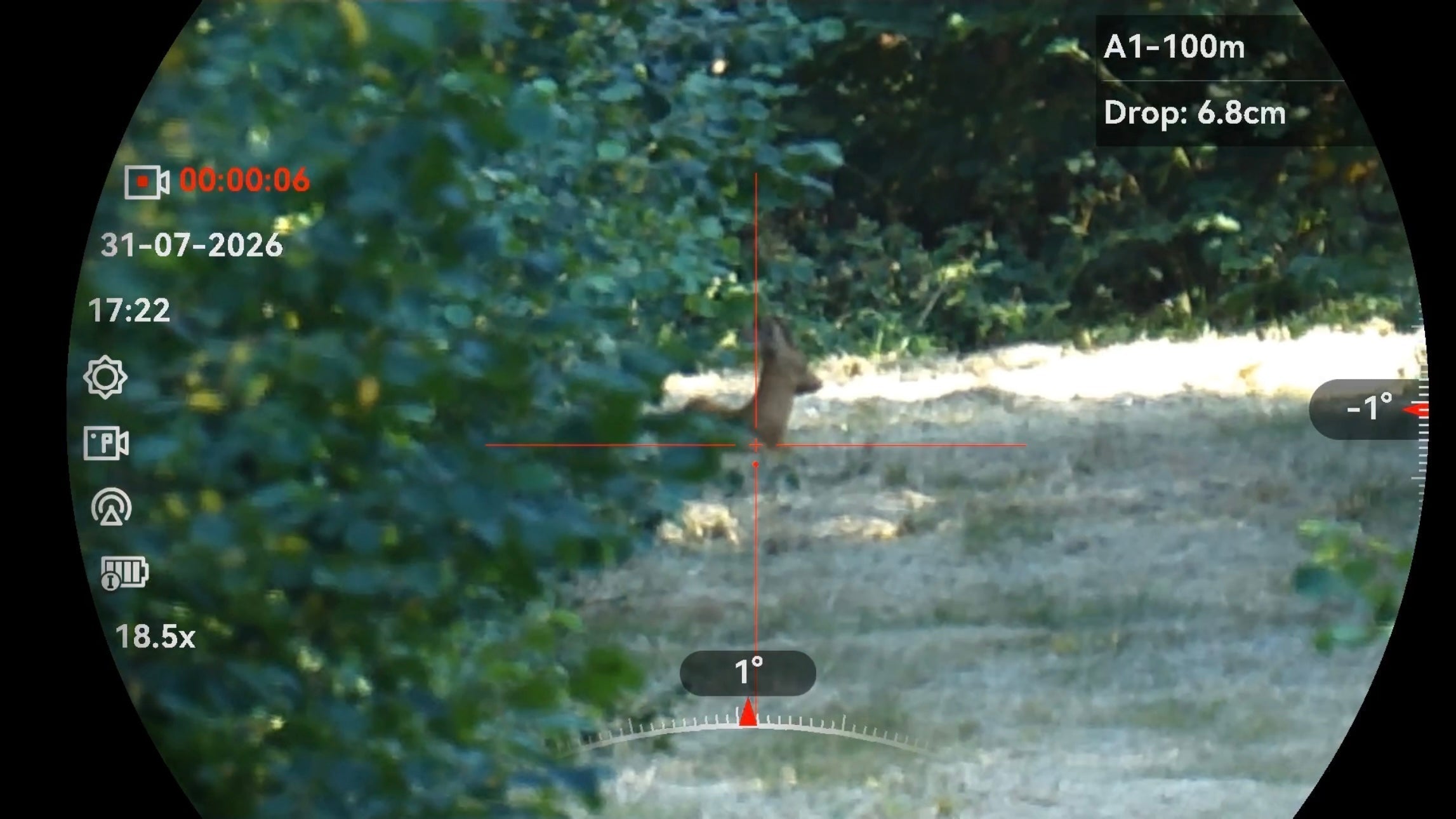
We were contacted by a college regarding a roe buck on site. The client did not want the deer culled. They wanted it darted and relocated. The animal had become too familiar with people and was moving through areas of regular footfall, with close proximity to students and visitors. In environments like that, deer behaviour can shift quickly. Familiarity can look harmless, right up until pressure rises and the animal becomes stressed, defensive, or unpredictable.
The job, then, was not to argue about method. The job was to deliver deer darting and live capture to a professional standard.
Deer darting is not a casual option
Deer darting is often spoken about as if it is simple. “Sedate it and move it.” That language hides the reality. Live capture and immobilisation sit inside a narrow operating window. They require competence, calm site conditions, and clear coordination. They also require discipline from the people around the job, because the fastest way to compromise the welfare outcome is to let the situation become noisy, pressured, or crowded.
This is the part many people miss. If the intention is to dart and relocate a deer, you do not chase it about beforehand. You do not allow well-meaning staff to “push it out” or “shoo it away”. You do not turn it into a spectacle. You manage the site and you reduce pressure so the capture can be delivered cleanly.
A roe buck may be small compared with a fallow or red, but it is still a wild animal with sharp edges, powerful legs, and the capacity to injure itself or others if it is repeatedly stressed. On a public-facing site, that matters. The welfare risk rises as stress rises. The safety risk rises as the deer becomes more defensive. And the reputational risk rises the moment the situation becomes visible and misunderstood.
Deer darting and live capture work best when the whole operation remains quiet.

We were away, but the responsibility remains
At the time this came in, we were away. But being away does not remove responsibility. Professional deer management is not only what you do with your own hands. It is also how you deploy your network, how you make decisions under constraints, and how you ensure the right specialist is involved without improvisation.
This is where long-term partnerships matter.
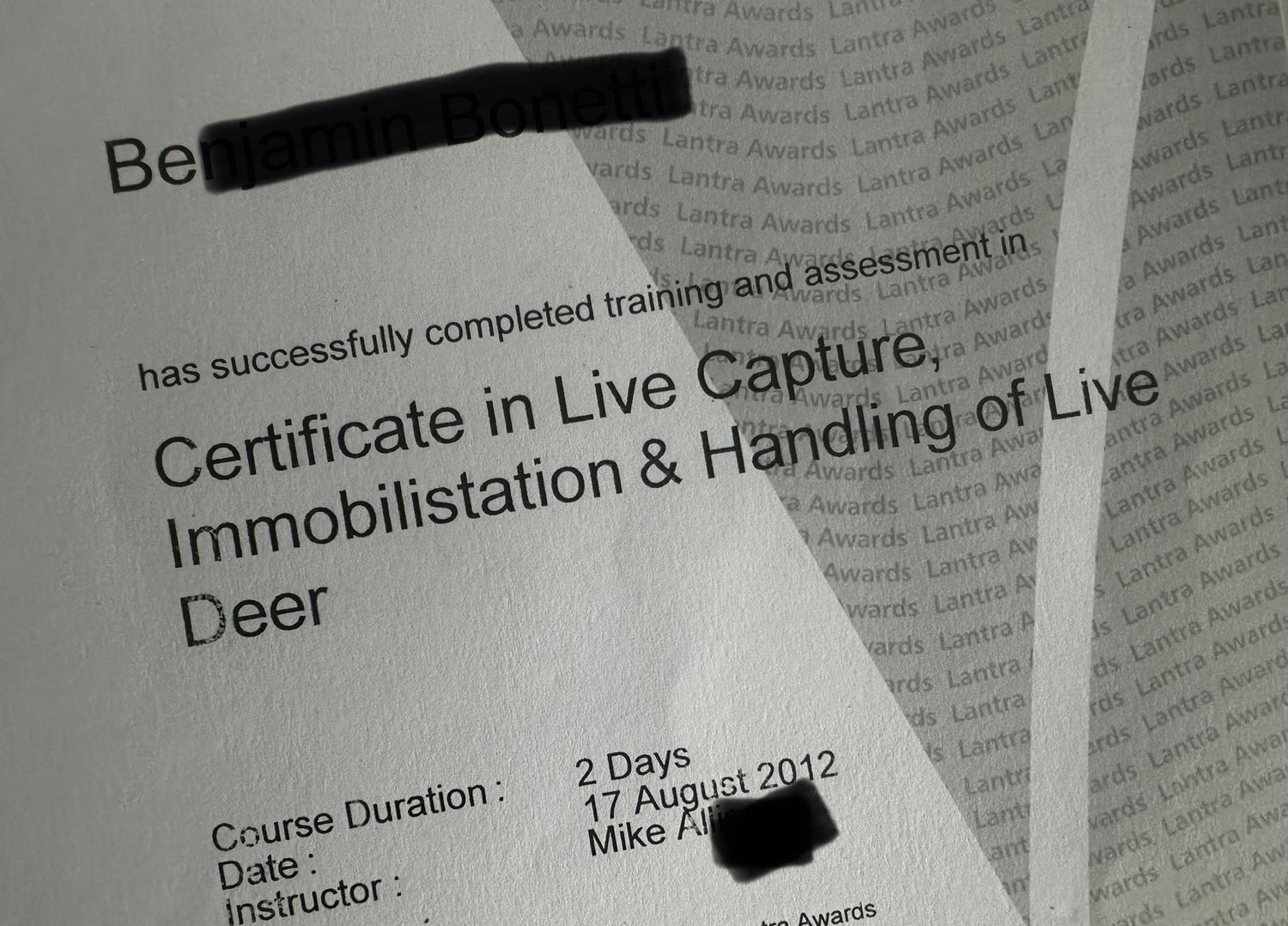
We have worked with Mike Alison since the 2010s. That relationship is built on shared standards and shared work, not simply a name in a phone. Back in 2012 I was one of Mikes students on his Lantra Live Capture, Immobilisation and Handling of Live Deer course and later the Advanced Deer Management Course. That experience anchors how we view these jobs. Darting is not a novelty. It is a specialist tool that demands competence, restraint and respect for process.
So we contacted Mike, briefed him on the site context and the client’s preference, and maintained contact about the outcome even from a distance. The point was simple: if a deer is going to be darted, it needs to be darted by someone who does this work properly.
Why live capture is sometimes the most proportionate option
It is worth saying plainly that live capture is not the answer to every deer problem, and it should not be presented as such. If deer impacts are widespread across an estate, darting and relocation is not a realistic response. It is not scalable, it is not cost-effective at landscape level, and it does not remove the underlying ecological drivers that create high deer densities in the first place.
But there are settings where the problem is not “deer in the landscape”. The problem is “this deer in this place”.
Public-facing institutions, dense urban fringes, enclosed grounds with high footfall, and sites where lethal control would create significant perception risk often sit in that category. In those contexts, deer darting and live capture can be the most proportionate tool available because it resolves the immediate welfare and safety issue without inflaming public reaction.
That is not about pleasing everyone. It is about preventing escalation. It is about maintaining welfare. And it is about delivering a defensible outcome in a setting where the normal rules of countryside discretion do not apply.
What the job demonstrated: calm is the standard
The buck was successfully darted and relocated. That is the headline. But the more important point is what it did not become. It did not become a public spectacle. It did not become a chaotic chase. It did not become a welfare incident.
The best deer darting operations are quiet. They do not look dramatic. They look controlled, because they are controlled. Planning, coordination, appropriate timing, and disciplined handling are what produce welfare-led outcomes.
And this is where standards matter. Live capture done badly creates risk. It can cause injury, stress, or poor release outcomes. Done well, it resolves a difficult situation without unnecessary suffering.
Why professional standards matter for the whole sector
There is a broader point here. The deer sector is increasingly operating under scrutiny. The public may not understand deer management, but they do recognise whether something looks calm and professional, or chaotic and questionable. Public-facing sites demand a higher standard of operational behaviour because the work is visible and often misunderstood.
Deer darting and live capture are a perfect example of why the sector needs professionalisation. It is specialist work with legal and welfare responsibilities. It should never be undertaken casually, and it should never be marketed as a simple “alternative” without acknowledging the competence required.
When a public-facing organisation chooses darting, they are not choosing the easy option. They are choosing a method that must be delivered properly. That is why the right partners matter and why the right training pathways matter.

The value of partnership, not ego
There is sometimes a strange culture in the countryside world where asking for specialist support is seen as weakness. In reality, it is often the opposite. Mature professionalism is knowing what you can deliver in-house, what sits outside your operational window, and who you trust to carry the standard on your behalf.
No single team should claim to deliver every specialist service at the highest level, all year round, across every context. The sector is stronger when specialist work is done by specialists, and when those specialists are brought in early rather than after a situation has deteriorated.
This job worked because the method was clear, the client preference was respected, and the delivery was handed to a trusted professional with the correct experience in deer darting and live capture.
A calm conclusion
Deer darting and live capture have a place in modern deer management, but that place is narrow and it is defined by context. Public-facing sites, high footfall environments, and situations where an individual deer has become a welfare and safety risk can justify relocation as the most proportionate option.
This roe buck did not need a public argument about ideology. It needed a calm, welfare-led resolution delivered by professionals. The client wanted darting. We ensured it was handled through the right specialist partnership, under the right standards, and with the right restraint to keep the operation safe and defensible.
That is what professional deer work should look like when it touches public space. Quiet competence. Clear oversight. And a standard of live capture that protects the deer, protects the public, and protects the credibility of the sector.